Record number of non-EU nationals illegally present in Ireland last year
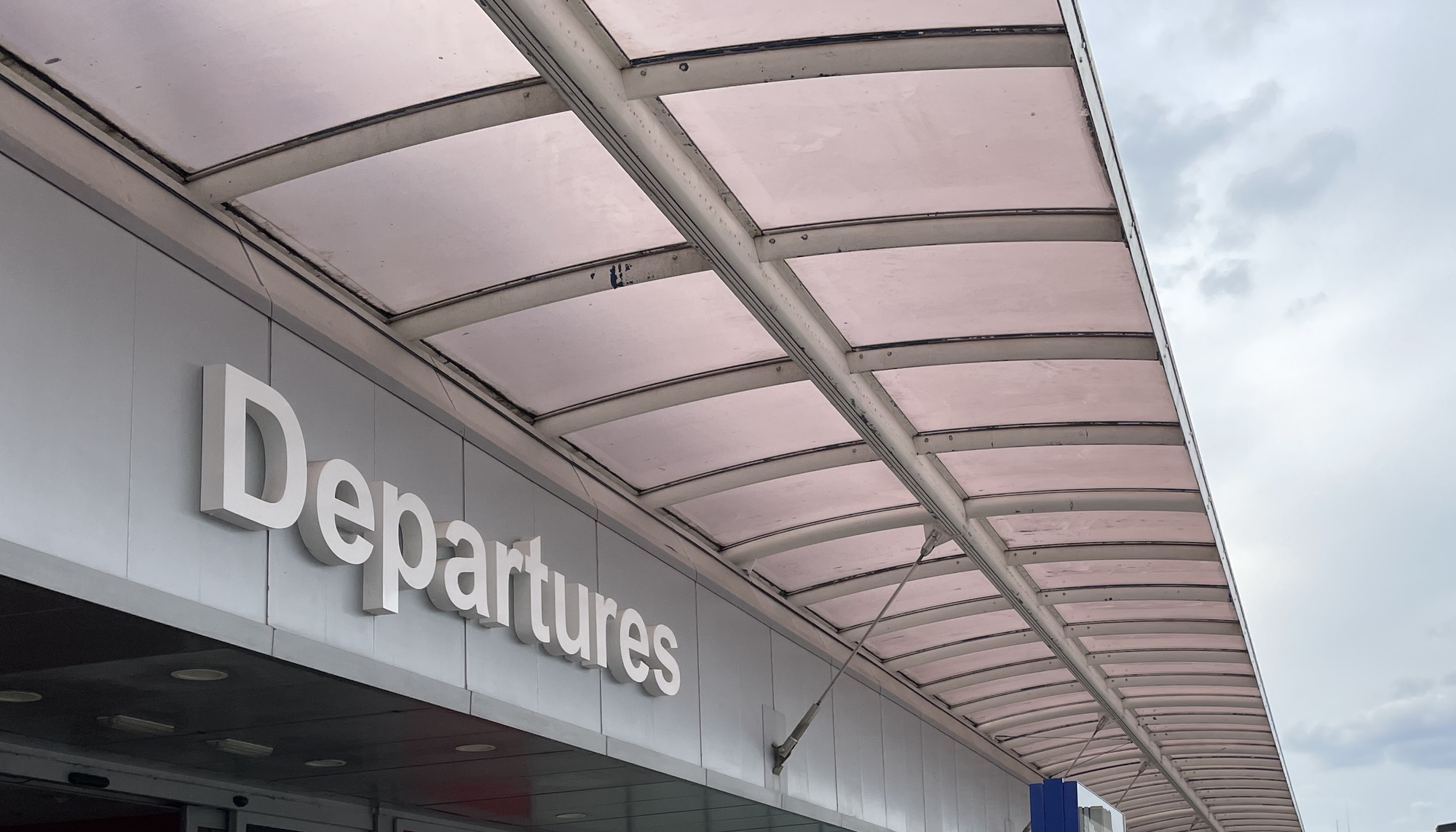
The report provides evidence of a growing crackdown on illegal immigrants by the Irish authorities with 5,460 individuals found to be illegally present in the Republic in 2025 — up from 3,265 the previous year. File picture
A record number of non-EU nationals were found to be illegally present in Ireland last year following a 67% increase in detections of individuals with no authorisation to be in the State.
New figures on enforcement of immigration legislation across the EU show that a record number of foreign nationals were ordered to leave Ireland in 2025. There was also a record number of actual returns of people ordered to leave.
The report published by the European Commission provides evidence of a growing crackdown on illegal immigrants by the Irish authorities with 5,460 individuals found to be illegally present in the Republic in 2025 — up from 3,265 the previous year.
Brazilians accounted for the most immigrants deemed to be living in Ireland illegally with 1,080 followed by Georgians (930), Algerians (535), and Nigerians (395).
Read More
Despite the record figure, the report also highlighted how the number of people found to be illegally present in Ireland is still proportionately below the EU average.
It showed that there were 1.0 third-country nationals illegally present per 1,000 population in Ireland compared to the EU average of 1.6.
The rate was as high as 13.4 illegal immigrants per 1,000 population in Slovenia followed by Greece (5.9), Cyprus (5.4), and Croatia (5.2).
The increase in detections of illegal third-country nationals in Ireland bucked the general trend in Europe, where the number of immigrants found to be illegally present across the 27 EU member states was down almost 22% overall in 2025.
More than 719,000 individuals were found to be illegally present within the EU last year — down from the peak of over 1.2m in 2023.
Algerian citizens accounted for the highest number of third-country nationals found to be illegally present in the EU last year with 70,905, followed by citizens of Afghanistan (42,635), Morocco (39,030), and Ukraine (36,800).
A record 6,260 non-EU nationals were ordered to leave Ireland in 2025 — an annual increase of 91%.
For the third year in a row, citizens of Georgia accounted for the largest number of foreign nationals issued with an order to leave Ireland with 1,220 ahead of Brazil (810), Algeria (580), and Nigeria (440).

Justice minister Jim O’Callaghan has stated that the operation of special charter flights to return illegal immigrants to their home country underscores a renewed focus on enforcement of immigration legislation.
Overall, a total of 491,950 orders were issued to third-country nationals by EU member states in 2025 — an annual increase of 6% — with France accounting for more than a quarter of the total.
Citizens of Algeria, Morocco, Turkey, and Syria accounted for the highest numbers ordered to leave the territory of an EU country.
The figures also show that a record 2,030 individuals who had received an order to leave Ireland were returned to a third country last year — up from 1,055 in 2024 which had set the previous record over the past decade.
Last year’s figure for Ireland represented just 1.5% of 155,110 illegal immigrants returned by EU member states in 2025.
The report shows that the vast majority of returns from Ireland were done on a voluntary basis with just 18% subject to forced deportation.
It also reveals that 74% of individuals involved in returns from Ireland received some assistance with their repatriation in the form of either administrative, logistical, or financial support through programmes funded by the EU.
Citizens of Georgia accounted for the largest number of returns last year with 525 followed by Brazil (410), Jordan (310), and Nigeria (100).
In reply to parliamentary questions earlier this month, Mr O’Callaghan said there were currently over 800 people subject to a deportation order residing in International Protection Accommodation Service (IPAS) centres.
Mr O'Callaghan said it was his department’s priority to have recommendations made on all international protection applications as soon as possible.
“There has been a significant increase in investment into the international protection system which, combined with digitisation and process reengineering, has facilitated a major increase in processing capacity,” said Mr O’Callaghan.
Separately, the report also shows that 132,600 third-country nationals were refused entry into the EU at external border crossings in 2025 — an increase of 7% on the previous year.
However, the number of non-EU nationals stopped at borders in the Republic was down 4% to 6,610 —a decrease of 285.
The number of migrants refused entry at Irish borders accounted for 5% of all people refused entry into the EU last year.
The vast majority of people stopped at borders in the Republic were at airports with just 8% being refused entry at land borders with Northern Ireland and at ports.
The country of origin for most individuals prevented from coming into Ireland was Albania with 1,280 — almost one in five of all refusals — followed by Brazil (725) and Somalia (615).
The report showed that almost a third of people were refused entry to the EU last year because their purpose and conditions of stay were not justified.
Approximately 15% had no valid visa or residence permit, while an alert had been issued in relation to 13% of those refused entry to the EU, while 3% were classified as public threat.
The most number of third-country nationals were refused entry to the EU while attempting to enter Poland, France, and Croatia.
The largest number of non-EU nationals refused entry came from Ukraine (26,975) followed by Moldova (11,660), Colombia (6,565), Turkey (5,635), and Serbia (5,440).

CONNECT WITH US TODAY



Be the first to know the latest news and updates