GAA concedes new Casement Park capacity will be half original plan
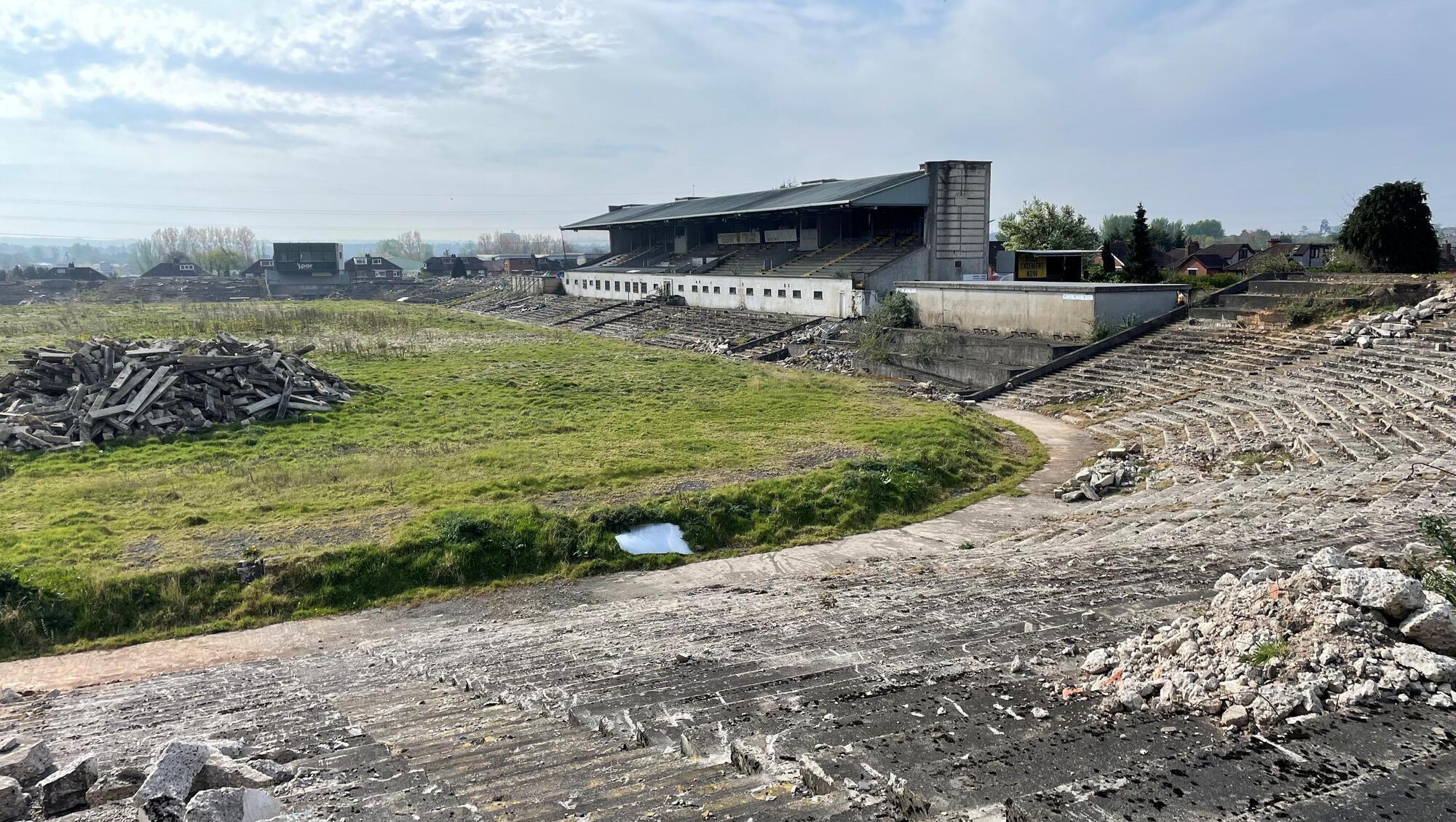
A general view of the derelict grounds of the Casement Park stadium. Thousands of gaelic games players and supporters have marched to the derelict Casement Park stadium in Belfast to demand its redevelopment. Following the noisy parade through west Belfast, a rally held adjacent to the crumbling ruins of the GAA ground heard calls for the Stormont Executive and UK government to end the lengthy delays in rebuilding the sporting venue. Picture date: Saturday April 12, 2025.
The GAA has conceded that the redeveloped Casement Park will have a capacity considerably below 34,500.
At an Ulster Council meeting earlier this week, it emerged that a scaled-down version of the Belfast venue is now likely.
The stadium will still be regarded as a provincial ground, but it is expected to be reduced to about half the original size, if not smaller. It would be suitable for Antrim league and championship matches, as well as Ulster senior football semi-finals.
While the Irish Government’s £43 million (€50m) pledge remains in place, the understands the £50 million (€58.5m) promised by the British government may not be drawn down for several reasons.
One factor is the funding pressure currently facing the UK, with the possibility that London may be forced to renege on its announcement from 12 months ago.
There is also reluctance within the GAA, as it is understood that a condition of the funding would give the British government a place on the deeds of the new stadium.
A new sub-committee comprising GAA president-elect Derek Kent, Munster chairman Tim Murphy, trustee John Murphy and Britain GAA chairman Seán Hopkins has been tasked with assessing the project’s viability.
Demolition work has been completed, and piling has taken place to ensure the five-year planning permission, which is due to lapse next month, remains valid.
Read More
However, no departmental funding has been made available for the next stage of work at the Andersonstown site: soil remediation to remove contaminated particles.
A review statement is now expected to set out details of a smaller venue, which would cost significantly less than the estimated £270 million (€315m) required to build the 34,500-capacity stadium.
The GAA’s contribution to Casement Park remains £15 million (€17.5m) and is unlikely to change. The Stormont Executive’s original commitment was £62.5 million (€72.9m), although finance minister John O’Dowd indicated it could rise to £101.5 million (€118.3m) to reflect inflation. However, he is likely to face opposition within the executive to that increase.
Speaking last month, GAA president Jarlath Burns said: “We’re going to do a few basic bits of piling to keep that going because even if we do change the plans, which we probably will have to, it’s easier to amend the plan than to apply for new planning permission.
“Whenever you are dealing with government money, there’s procurement, there are all sorts of obligations, and you have to be very careful and respectful of that. So that’s moving on very slowly.”
In a statement, Ulster GAA said they remain fully committed to the delivery of our provincial stadium at Casement Park.”
It continued: “The project team is currently reviewing options for a phased approach to the delivery of the new stadium. There is £170m of funding committed to the redevelopment of Casement Park, including £50m from the British Government, and we will continue to work closely with all funding partners to honour the longstanding commitments made to see major GAA games returning to our redeveloped provincial stadium in Belfast.”
Closed since 2013, Casement Park was removed as a potential Euro 2028 host venue two years ago. Citing soaring reconstruction costs and estimating the final bill at more than £400 million (€466m), the British government refused to cover the funding shortfall.
Speaking in February, GAA director general Tom Ryan said the association wanted to build “a remarkable stadium”. He added: “We want to deliver a stadium that doesn’t involve any debt, we want to deliver a stadium that doesn’t involve any challenges with regard to its ongoing running costs.”
CONNECT WITH US TODAY



Be the first to know the latest news and updates