Christy O'Connor: Clare were in danger of bleeding out. Then their world went from red to blue
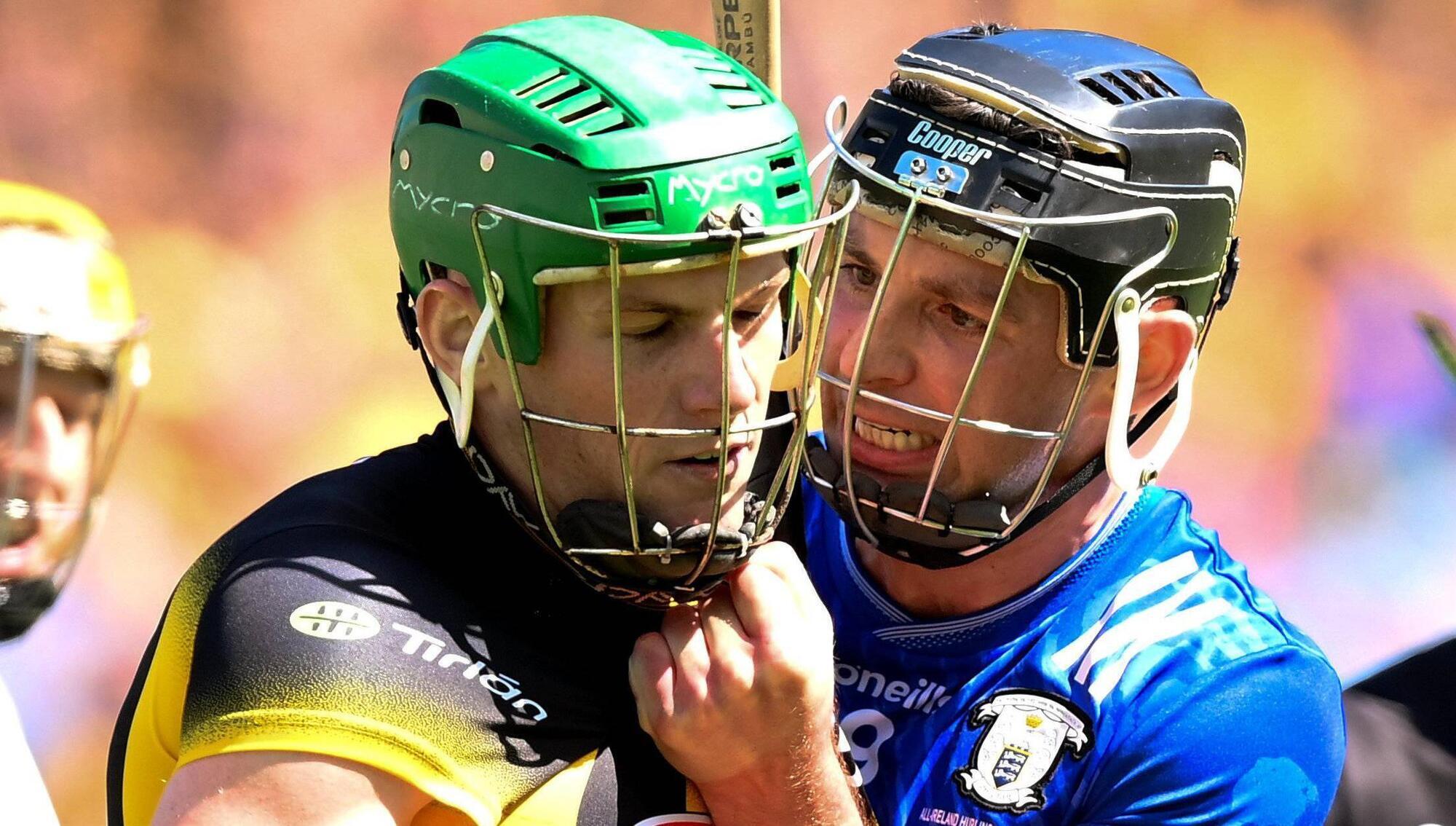
REFUSE TO LOSE: Clare midfielder Cathal Malone gets personal with Eoin Cody at Croke Park. Pic: Stephen McCarthy/Sportsfile
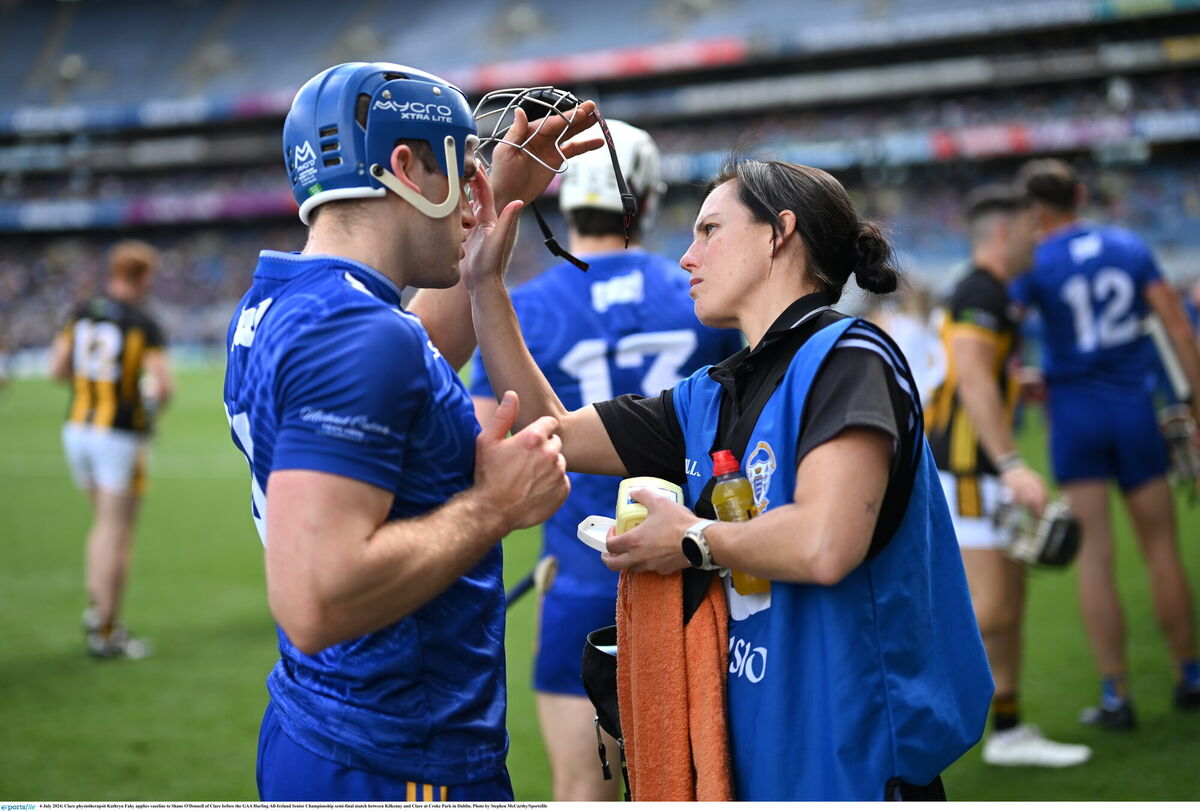
AT half-time in the Clare dressing-room on Saturday, the medical team spent an age trying to treat Shane O’Donnell. A nasty finger injury with a deep cut made it difficult to stop the bleeding. Clare needed to get O’Donnell back on the pitch but they also needed to stem the onslaught, to arrest Kilkenny’s momentum and create their own.
But first, Clare needed to stop the bleeding. Could they? Or was this it? Was that the story of the day? Had all the lacerations of the last three years been just one cut too many? Kilkenny had already spent the previous 35 minutes ripping at old scars, tearing at old wounds. Was the psychological trauma of the past, especially against Kilkenny, too debilitating for Clare to work their way through the distress? Were Clare in danger of bleeding out?
No. This team has been in too many scrapes and battles to know what needed to happen next in order to staunch the bleed. That still necessitated this group staring into their soul, facing down any deep residual fears from the past, chasing any lingering ghosts from deep within the recesses of their mind. Adversity has shaped this group. Overcoming it at this point in their journey could ultimately define them.
Clare ripped off the bandages and were a totally different animal. They attacked the ball with more conviction, were more aggressive in the tackle, had more intent in all of their actions. And were much more decisive in their execution.
Unlike the first half, Clare created the platform to go after the game from a far greater share of possession and scoring opportunities. And unlike 12 months ago - when Clare also took over the second half against Kilkenny - they made it count where it mattered most, closing out the match by scoring the last six points.
The trend jack-knifed in the third quarter when Clare got off 13 shots, just one less (14) than they managed in the whole first half, which they turned into nine scores, one more than they’d scored in the entire first half. Already, Clare were gradually bending the match to their will.
Nobody illustrated that bravery and leadership more than O’Donnell. After being harassed and hunted down by Mikey Butler in the first half, O’Donnell scored one point, set up another and was fouled for two converted frees after the break.
Everything about this performance smacked of bravery, both on and off the pitch. After missing four placed balls in the Munster final, and only making a late appearance against Wexford, the Clare management trusted Aidan McCarthy with the responsibility when it would have been easy not to.
As well as scoring two points, and almost bagging a goal, McCarthy’s conversion rate from placed balls was 100 per cent. Two of his frees close to the Cusack Stand sideline, including the late equaliser, were monumental strikes under incredible pressure.
David McInerney had missed six weeks from injury before the Munster final but, after his struggles on Gearóid Hegarty that afternoon, this was a glorious re-enactment of McInerney’s earliest days in Croke Park, delivering his best performance for Clare in over a decade. A cocktail of aerial authority, supremacy on breaking ball and incredible leadership saw McInerney blow Adrian Mullen out of his way. Mullen only had the ball in his hand eight times; from four shots, he was blocked down twice and dropped two short.
That profligacy was a metaphor for Kilkenny’s poor accuracy levels all afternoon. They could have had five goals in the first half but Kilkenny found Eibhear Quilligan in outstanding form. Kilkenny’s overall conversion rate was just 45 per cent. It was a paltry 36 per cent in the second half. Nothing reflected that more than TJ Reid missing his last three placed ball attempts.
At that stage, Clare had just worn Kilkenny down, which was all the more impressive again when they had seemed almost paralysed in the first half by the dread of this just being a different iteration of the same horror show from the last two years.
Clare went ten minutes in the middle of that half without having a shot from play. They couldn’t get their big players into the game. Kilkenny were sharper, especially in the red zone, and how they delivered ball into that area. Clare hit ten long balls into their full-forward line and won just two in the first half. Kilkenny meanwhile won 7 of their 12 longs balls into their full-forward line and translated that possession into 1-3. By half time, Kilkenny had got off ten more shots (24-14).
The Clare full-forward line had greater depth in their attacking set-up after the break, their movement was better but Clare were also much smarter and crisper in their attacking play, especially their deliveries. In that second half, Clare mined 0-6 from long ball into the full-forward line. Kilkenny meanwhile only managed 0-2 from that long ball after the break, with Adam Hogan having worn Eoin Cody down by then, winning four turnovers off the Ballyhale man in that period.
Clare also had far greater options off the bench compared to Kilkenny, especially in pace and athleticism. Exactly a year after tearing his cruciate ligament in this fixture, Ryan Taylor’s energy and pace was a massive weapon for Clare to unload. In Taylor’s first two plays, he engineered two scores.
Ian Galvin scored a point, could have had a couple of more, and was fouled for a free. Aron Shanagher had the assist for Mark Rodgers’ equaliser.
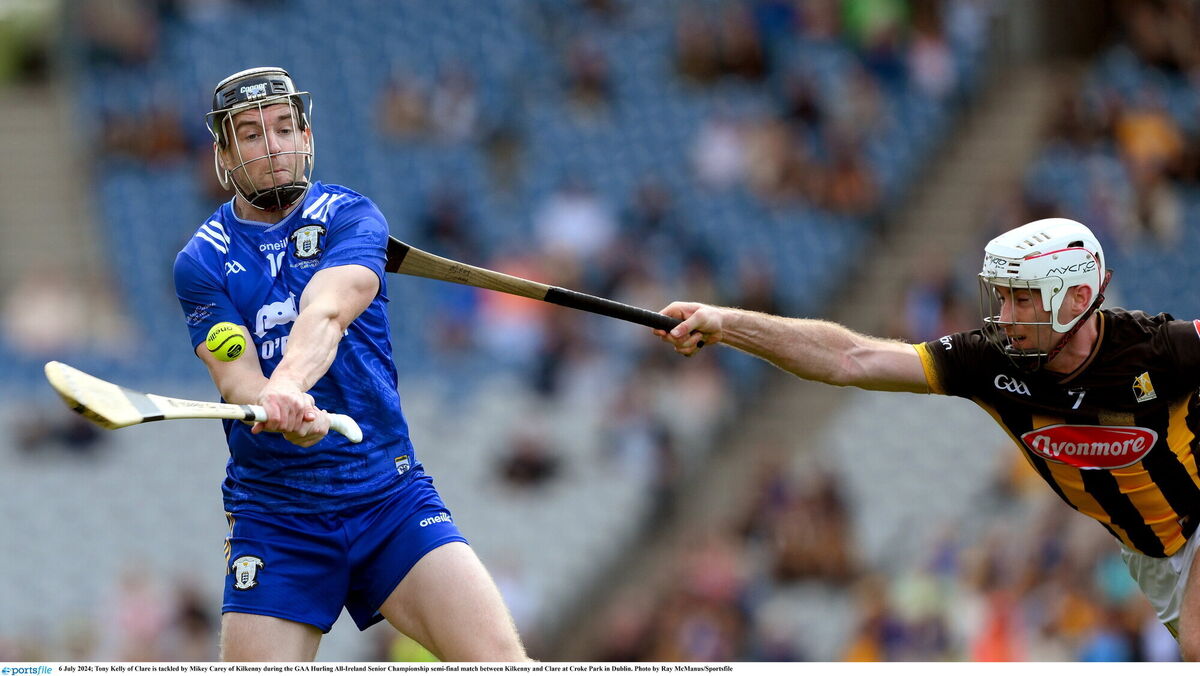
Tony Kelly had finally found his mojo by then, nailing two points from his last three possessions. Everything about the second half was transformative. After the struggles on their own puckout in the Munster final, Clare mined 0-7 from that source in that second half. In the same period, Clare got 0-7 from turnovers.
Overall, Clare’s conversion rate was 64%. Unlike last year, but similar to the league final in April, Clare wore their blue jerseys, which was like an early declaration that this was a more up to date and better version of the model which came up short in this fixture in 2022 and 2023.
At half time, everything about the day looked dangerously red. It ended in blue. Glorious blue.
CONNECT WITH US TODAY



Be the first to know the latest news and updates