Murphy: Football games being decided by poor refereeing
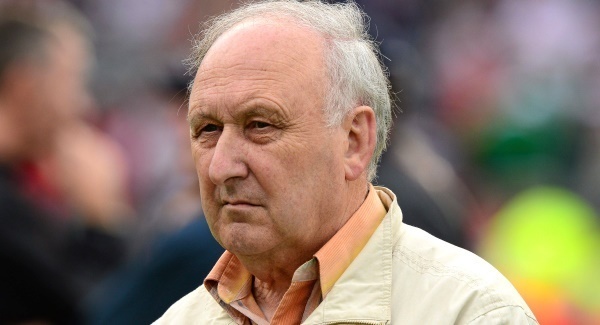
In his annual report to convention, Murphy confesses to “not being entirely happy with the position of refereeing in the inter-county sphere”, especially in terms of interpretation and subsequent application of rules.
“At the top level in hurling, there are far too few referees, albeit in the main of a good standard. The reduction of numbers of referees at this level was neither necessary nor advisable,” he wrote
“Strong hurling counties have an obligation to promote quality refereeing to provide top officials.
“Some of the refereeing in intercounty senior football during the past season has been far from satisfactory, and some refereeing performances have had an undue influence on the outcome of games.
“Concern has been expressed too at some experienced officials making decisions inconsistent with the playing rules. If referees are to be instructed, it should be personnel who are qualified and experienced in this specialist field. No-one is entitled to place interpretation on rule other than Central Council.
“Any deviation should be strictly prohibited.”
To aid the improvement of the standard of refereeing, Murphy wants the de-coupling of hurling and football at appointment-committee level.
He reasoned: “On another topic — hurling and Gaelic football are two very distinctive games. The wider participation in the latter code leads inevitably to a bias in its favour in terms of committee membership.
“It would be in the interest of both games that each would have separate referees and appointments committees and separate appointment committees at national level.”
Murphy describes Cork’s senior hurlers as receiving “a salutary lesson from Tipperary” in the All-Ireland SHC semi-final, while the footballers’ display in their Munster SFC final defeat to Kerry “lacked the intensity expected and required at this level. Cork were outplayed throughout the game and the margin of defeat was particularly disappointing.”
The level of performance in the All-Ireland SFC quarter-final loss to Mayo is praised, however, while events late in the game — involving referee Cormac Reilly — came in for special mention. “The after-match controversy concerning the advice given by the referee to free-taker Colm O’Neill in the closing stages was highlighted,” he writes, “yet far more significant was the failure of the referee to award a free to the same player when he was blatantly tripped some minutes before the finish. An inevitable point at that stage would have gained the team a deserved draw. It is hard to accept such decisions at this level with so much at stake.”

CONNECT WITH US TODAY



Be the first to know the latest news and updates