Not pretty, but a perfect finish and a perfect start
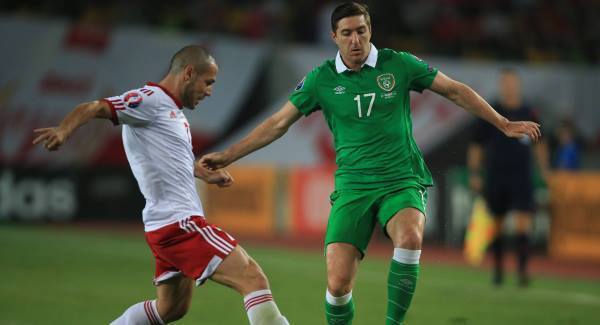
It was a perfect finish and gave Martin O’Neill the perfect start, which was all the more important because the performance was far from impressive.

Not pretty, but a perfect finish and a perfect start

Those are the most salient facts from Ireland’s 2-1 win over Georgia as Aiden McGeady finally proved himself the most influential attacking player. His brilliant late goal gave O’Neill everything he would have aimed for from his first competitive match, and it came from virtually nothing.

That kind of conjuring is often described as the mark of genius and, with McGeady at 28 years of age, the hope is this campaign can at last see him become the dominant and decisive player he should be.


The hope is also the team can use the effect of a dramatic goal like that to kick on and prove that the variety of issues in this game presented were no more than teething problems from such an awkward opening fixture.

Because, in truth, that “nothing” refers to much more than the absence of options available to McGeady as he turned so beautifully on the edge of the Georgian box in the 90th minute. It describes so much of the Irish performance. It was actually difficult to recall any incidents of note in the long drab spell leading up to the goal.

This was a conspicuously dismal game and unimaginative display, in stark contrast to the moment that settled it. The key question is whether such individual brilliance will help erode or just temporarily cover so many collective concerns. That is always the wonder after late goals like this.

Right now, with so little evidence to go on, it’s genuinely difficult to say what is more telling: the poverty of the performance that meant such a moment was required, or the character and brilliance displayed in actually producing it?

Similarly, there’s the effect of it. Will the strike lift them to a new level, or is this the norm?

For much of the game, it did seem like the frustratingly long prologue to the O’Neill-Keane era was only continuing, and there was still no great kick-off. The excitement from their appointment has long diminished, and this match didn’t initially do much to spark it again.

In fact, it seemed much more like a continuation from the Giovanni Trapattoni regime. There were many similarities, starting with the big pre-match decision.

A more industrial player in Stephen Quinn was picked over the technical Wes Hoolahan, which illustrated that O’Neill was concerned with defensive stability over attacking creativity.

That felt very like Trapattoni. It also felt somewhat needless, given the poor level of the opposition. That was proven straight away, as Georgia’s lack of quality quickly became apparent. They had virtually nothing going forward, and only ever looked like scoring when Irish nerves produced needless errors. That was even the case with the otherwise brilliant Georgian goal, as Stephen Ward and the rest of the Irish defence seemed all too willing to give Tornike Okriashvili so much space.

Ireland were not forging enough space at the other end, and there was a disappointing lack of link-play between the midfield and attack. It is the one often unsaid concern about O’Neill. He is no longer the most modern manager, and has many parallels with Trapattoni in terms of ideals and the expansiveness of his football. He is not identical to the Italian, though, which also became apparent. There was still a thrust about the Irish players and a willingness to make things happen, while O’Neill did try to really vary things with his substitutions.

Given that, it is possible that some of the more concerning aspects of this display were merely a consequence of a first competitive game, and the side will get more cohesive over time. There was also a hint of that with the brilliantly sleek first goal.

McGeady will likely be key to that, as was illustrated in this game, and his goal may have an importance even beyond settling the squad and getting the win.

There is also the context of that win.

Georgia are a poor enough side to mean a draw would have been a bad result, but awkward enough to suggest they could take points off one of the three main sides competing for second place behind Germany. Ireland have avoided that, and also increased pressure on Poland and Scotland to do the same.

That could make this really significant.

It was far from a perfect match, just a perfect finish.

More in this section

Sport

Newsletter

Sign up to our daily sports bulletin, delivered straight to your inbox at 5pm. Subscribers also receive an exclusive email from our sports desk editors every Friday evening looking forward to the weekend's sporting action.

Cookie Policy Privacy Policy Brand Safety FAQ Help Contact Us Terms and Conditions

© Examiner Echo Group Limited