Go get a look at Magali’s try, it was simply magnifique
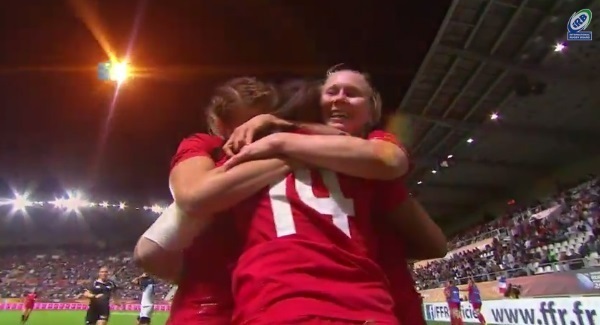

Luxuriate in the splendour of the winger’s mazy 80-metre run which, ultimately, broke the hearts of the hosts and booked the North Americans an unforeseen place in Sunday’s final against England.
Chances are most Irish people in the stadium had drifted away into the Parisian evening by then. Some of the English supporters clearly did, too, given the boisterous and slightly slurred celebrations that emanated from the various cafes around Stade Jean Bouin by the time this column made its way back through the entrails of the 16th arrondissement and to the nearest metro late in the evening.
Disappointing as Ireland’s 40-7 defeat to the old enemy was earlier that day, it was nevertheless a privilege to be on hand to witness England’s class and also for the second half of the second game which was lit up six minutes in by the Quebecois Harvey who sold dummies to two French players and outpaced another pair as she negotiated the daunting distance between her own 22 and the French try line.
Her conversion from the touchline left France 12 points behind and one feared for the home team, whose star had risen in the days beforehand with L’Equipe among the media outlets leading the charge in hailing their new heroines. Yet, this was not Stade de France. There was no booing and hissing from the partisan following, just a rousing rendition of La Marseillaise which heralded two tries and a recovery that fell just two points short. Electric doesn’t describe it.
People unaccustomed to watching, covering or discussing women’s sport have tied themselves up in knots in the past by searching for words and phrases designed to praise but instead clunk condescendingly on delivery. It can be a minefield at times. Ireland’s players and managers call themselves ‘girls’, but use that word in your copy and watch the skin fly. Nights like Wednesday defuse most of the dangers simply because it was sport at its absolute best.
That it was being played by women rather than men made not a jot of difference and it has been a good few weeks for women’s sport, all told. Last week came the news the San Antonio Spurs had made Women’s NBA star Becky Hammon the first member of a men’s NBA coaching roster. The Spurs aren’t any old franchise, either. They are the current NBA champions. Closer to home was the story about Corinne Diacre, who became the first woman to coach a men’s professional football team in a competitive match when her Clermont Foot side lost 2-1 to Brest in a second division encounter. Diacre was appointed after another woman, Helena Costa, quit before the season’s start after accusations of being sidelined by male colleagues and that she had been used simply for publicity reasons.
There are clearly issues to be addressed and more barriers to be dismantled. One website last week running a story on the heroics of the Irish women’s performance in defeating the world champions Black Ferns featured a link at the end to a page rating the attractiveness of the world’s best sportswomen.
You can tut-tut all you want about this persistent culture when it comes to opinions about women in sport, but the only really effective way to combat that is not through any education programmes or other well-to-do undertakings. It falls instead on those athletes and players on the track and on the field to shatter preconceptions. That is why this latest Women’s Rugby World Cup has been such an important landmark. Ireland’s defeat of New Zealand initiated a wave of interest here at home, but the reaction to France’s surging run of victories against Wales, South Africa and Australia was, if anything, far more notable.
The European Athletics Championships in Zurich – one of those rare events when female athletes can hope to receive something closer to parity in terms of coverage and esteem in the eyes of the public, the media and sponsors – has garnered more coverage given France’s ongoing collection of medals, but the women’s rugby has still earned unprecedented publicity.
One article last Tuesday canvassed the opinions of a number of the Top 14’s most high-profile contributors – Ronan O’Gara and Thierry Dusattoir among them – the kernel of the piece being how the national team had succeeded in “cracking” the consciousness of the elite men’s game with their efforts. Yet, as the weekend drew closer and the first round of fixtures in Ligue 1 came into view it gave rise to the question as to whether all this would have made such a splash had it been held a month later when the male football and rugby seasons were in full swing? Then again, football does that to most sports, right?
Email: Brendan.obrien@examiner.ie
Twitter: @Rackob