Work to do after longest goodbye
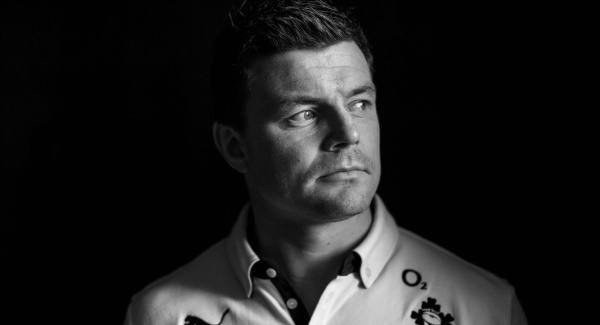
On Saturday, Leinster not only bring the curtain down on the domestic rugby season but also on the longest goodbye the game in this country has ever seen when Brian O’Driscoll lines out as a professional rugby player for the last time.

Work to do after longest goodbye

While even The Great One has grown a little weary of all the attention that has accompanied his every game this season after declaring in early 2013 that this would be his last, it will be a privilege to be there when he finally takes his leave in front of an adoring Leinster public.

The fact he has the platform to end his remarkable journey on a high, in the heart of Dublin 4 with silverware on offer, feels absolutely fitting.


Leinster will need to be careful to manage the emotions and expectations that will inevitably attach to this game.

In attempting to dilute this very prospect, they designated their last home game of the league proper against Edinburgh as the final farewell not only to O’Driscoll but to their stalwart captain Leo Cullen. That backfired somewhat on a damp night when they struggled badly to put away a very ordinary Edinburgh side.

Their Scottish counterparts Glasgow will have watched and taken much solace from that performance and indeed Leinster’s narrow win over Ulster in the semi-final.

The bottom line is Leinster have struggled to reach the consistent heights we have become accustomed to over the years with their attacking threat suffering since the departure of Jonny Sexton and Joe Schmidt.

The reason they have remained as competitive as ever is due in no small measure to an even stronger defensive blanket that has made them much more difficult to penetrate.

Under Schmidt, Leinster were always a very solid defensive unit but Matt O’Connor has placed more attention on that aspect of their game — indeed the 30 tries they conceded over the course of the Rabo this season is 16 less than last year.

The problem is Glasgow Warriors boast the meanest defence in any of the three major European domestic leagues this season, averaging a single try per game across their 22-match programme. That is a phenomenal achievement and given that Leinster are finding tries harder to come by, it will present a major obstacle in their quest to win a remarkable seventh trophy in seven seasons.

That level of consistency and success is why Leinster remain the standard bearers in this country. However, it is difficult to escape the fact that with a new European model coming next season, the bar is about to be lifted even higher at a time when the Irish dominance in Europe has begun to wain.

There is no escaping the fact that Munster and Ulster will be bitterly disappointed after a season which promised so much at one point, was washed away over the last few weeks.

Arguably, Ulster will have even more cause for bitter reflection with their season imploding from the point of Jared Payne’s dramatic sending off five minutes into their Heineken Cup quarter-final against Saracens.

Had that not happened I feel certain Mark Anscombe’s men would have contested last weekend’s Cardiff final.

What is also clear is that Ulster have a major psychological issue when it comes to getting over the hurdle presented by Leinster. They may have been the better side for the vast majority of that Rabo semi-final but Leinster displayed the resilience and composure necessary and are far superior to Ulster when it comes to closing out tight contests.

With Tom Court, John Afoa and their inspirational captain and one of the best overseas signings by any of the Irish provinces in Johann Muller all moving on, Ulster have missed the boat in their quest for European glory.

The post-Rob Penney era in Munster will be fascinating to follow with an exciting mix of promising home grown coaches at the helm under the direction of first time head coach Anthony Foley. In Mick O’Driscoll, Jerry Flannery and Brian Walsh, Munster have reintroduced a lot of the intellectual property that Penney lost after the retirement of so many great players.

In my opinion, Penney did a great job in demanding circumstances and expanded Munster’s horizons while entrusting great faith and belief in a raft of new young faces.

If in any doubt just look at Toulon’s strangulation of Saracens in Saturday’s Heineken Cup final and compare it to Munster’s semi-final performance in Marseille. It makes that decision not to kick at goal when just five points in arrears with 10 minutes to go even more baffling.

I will miss the way Penney calls things, describing Munster’s abysmal showing against Ulster recently as displaying a “lack of emotional attachment”.

In other words, they were about as revved up for the game as a Cork hurler heading to Killarney for a challenge against their counterparts in the Kingdom.

Munster badly need an influx of quality in midfield with Casey Laulala and James Downey departing but the jury is out as to what new signings Andrew Smith and Tyler Bleyendaal will bring to the mix. Brian Walsh faces a big challenge to see how best to integrate them while continuing the development of Ian Keatley and JJ Hanrahan.

Walsh has a very creative rugby brain but must have the courage of his convictions to pursue that vision and not be subsumed by the rest of the coaching ticket.

Ironically I think Munster’s best acquisition could prove to be Cardiff’s Robin Copeland. He impresses me every time I see him and should figure now that James Coughlan who, once again, was Munster’s most consistent forward all season, has announced he is leaving the province.

It appears that the departing Simon Mannix has succeeded in his efforts to bring Coughlan with him to Pau. Apparently he is also setting his sights on Hanrahan.

Foley needs to pay him a visit.

Connacht have reason to look forward to next season more than any of their provincial rivals on the back of the imaginative signing of Mils Muliaina and Bundee Aki.

While the Rabo (or whatever it is set to be called from September next) is set to become far more competitive with all teams chasing a slot in the European Champions Cup, Connacht should view that as a positive and pursue qualification in their own right.

Pat Lam has the benefit of a full season behind him and with a new chief executive on board in former Connacht player Willie Ruane, he will have an additional rugby head in the boardroom who shares his vision for the future.

With another season under their belts, Connacht’s young talent behind the scrum in Darragh Leader, Robbie Henshaw, Kieran Marmion, Jack Carty, Tiernan O’Halloran and Dave McSharry can only thrive under the tutelage of Muliaina.

Leinster, even without the considerable influence O’Driscoll, will still lead the way while Cullen’s impact from a coaching perspective will be as interesting to follow as that of his former playing colleagues down south.

They have all been thrown in at the deep end at a time when the challenge for European honours is set to be ratcheted up significantly by a number of English and French clubs. What better time to prove yourself.

x

More in this section

Sport

Newsletter

Sign up to our daily sports bulletin, delivered straight to your inbox at 5pm. Subscribers also receive an exclusive email from our sports desk editors every Friday evening looking forward to the weekend's sporting action.

Cookie Policy Privacy Policy Brand Safety FAQ Help Contact Us Terms and Conditions

© Examiner Echo Group Limited