Specialisterne: At the forefront of change, from awareness to action
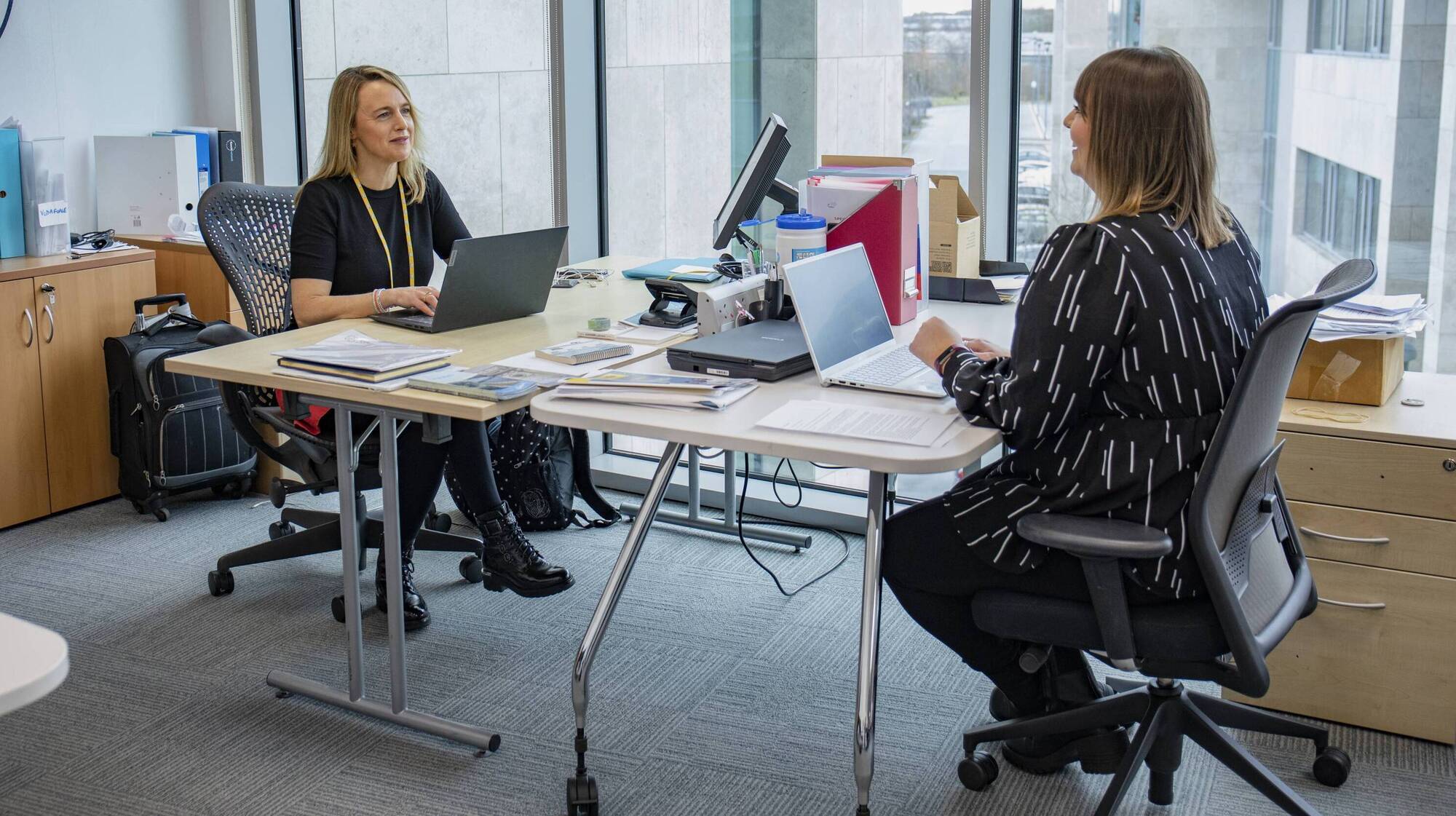
Specialisterne Ireland is a specialist consultancy supporting neurodivergent people (autistic, ADHD, dyspraxia/DCD, dyslexia) into employment.
Across Ireland, conversations around neurodiversity in the workplace have gained real momentum. But while awareness is growing, many organisations are now asking a more practical question: what does meaningful inclusion actually look like in action?
For employers beginning this journey, the answer is not found in policy alone. It is built through experience, partnership, and a willingness to rethink traditional ways of working.
In Ireland since 2013, Specialisterne has been working at the forefront of this change supporting over two thousand neurodivergent individuals on their journey towards employment and supporting employers across Ireland to create workplaces where those individuals can thrive.
Neurodiversity refers to the natural variation in how people think, process information, and interact with the world. It includes individuals who are autistic, have ADHD, dyslexia, dyspraxia, and more. Increasingly, organisations are recognising that these differences bring valuable strengths from innovative thinking and creativity to precision and deep focus.
While the business case is clear, the pathway into employment is not always straightforward.
Through its work with neurodivergent jobseekers, Specialisterne Ireland sees first-hand both the strengths individuals bring and the barriers they face. Many neurodivergent jobseekers are navigating recruitment processes that were not designed with communication differences in mind.
To address this, Specialisterne Ireland delivers a tailored Employment Support Program, This WorkAbility programme is provided for free to job seekers and is funded by the European Union and the Department of Social Protection and managed by Pobal.
It focuses on preparing individuals for employment in a practical, person-centred way including CV development, interview preparation, mock interviews, and guidance around disclosure. Contact us if you feel this program would benefit you.
But preparation is only one part of the journey.
Eoin [we have changed his name for confidentiality reasons] is working in the pharmaceutical sector in Cork with support from our team, shared:
“The key word that comes to mind is patience. Taking the time to get to know people, what their strengths and weaknesses are, and being willing to put in that effort. It took some time to settle into my role, but because people were willing to work through that onboarding experience with me, that’s what made the difference.”
This highlights a crucial but often overlooked element of inclusion: time. For many neurodivergent individuals, the transition into a new role can involve navigating not just the job itself, but the environment, communication styles, and expectations that come with it.
In another example, the same candidate described the challenges of adapting to remote work: “I needed a very clear separation between work and home, and that just wasn’t working. With the support of Specialisterne, I was able to move into a different team and role that better suited my skills. It took time to learn how to communicate what I needed, even something like asking for noise-cancelling headphones, but I settled into the role well. I couldn’t have gotten there without that support.” This kind of tailored, ongoing support (weekly check-ins) is central to Specialisterne Ireland’s approach.
Inclusion is a shared responsibility. The line managers and team leads need to be supported too – they cannot be expected to have all the answers and all the knowledge.
When we provide support calls to Eoin, we also provide them to his manager. A regular scheduled call with the manager provides an important resource, they know we are available to advise and provide guidance around communication and support with reasonable accommodations. Essentially, we are inadvertently coaching managers how to lead a diverse team, it is an education piece where the whole team will benefit.
The main supports available to employers include In-Work Support, a Workplace Needs Assessment and Coaching. All three are carried out with input from both parties (employee and line manager). This is key.
If you aren’t familiar with a Workplace Needs Assessment it is a structured, in-depth review that can take place at any stage of employment. It looks at the employees role and identifies where the strengths lie and where supports would benefit.
It will recommend practical and reasonable accommodations that work for both the employee and their manager. Specialisterne carries out neurodivergent specific assessments with a focus on communication.
Reasonable accommodations are often simple, but highly effective changes that include clearer communication around tasks and expectations, adjustments to the sensory environment, flexible or hybrid working arrangements, and ongoing structured support (free under the Work and Access grant).
Employers who engage in this process often see benefits that extend far beyond the individual.
Remember, under the Employment Equality Act 1998 – 2015 the onus is on the employer to consult with an employee who has made a disclosure, to get advice and where appropriate to provide for an Assessment. You can get a Workplace Needs Assessment for a neurodivergent employee free of charge under the Work and Access Grant so there is no financial burden for the employer.
One employer reflected on their experience of partnering with Specialisterne Ireland:
“Like anything new, there’s a level of risk - you want it to be successful. But really, it’s about doing the right thing. The experience of coaching and creating an environment where people can thrive went beyond what we expected.” Over time, that impact became embedded across the wider team:
“It’s changed how we think about inclusion. We now have a team of people who feel more included because of how we’ve approached recruitment and support. It’s opened up a much broader conversation around diversity and inclusion, and it’s been a positive experience for everyone.”
This reflects a broader shift that many organisations are beginning to experience - where initial efforts to support neurodivergent employees lead to more inclusive practices across the organisation as a whole.
Barry Hennebry, chief executive of Specialisterne Ireland notes, “Every day we see that when jobseekers are supported, to work in ways that align with how they think and process the world, they don’t just succeed, they excel. The real opportunity lies with employers. By recognising and embracing neurodivergent talent, they’re not making a concession, they’re gaining creativity, focus and problem-solving strengths that can transform their workforce.”
The education piece is available under the Work and Access grant also, it provides for a 90 per cent rebate on neurodiversity trainings. It is a critical part in creating a culture where employees feel ‘safe’ to disclose. It gives managers the tools and confidence to respond in a sensitive and constructive way.
Specialisterne Ireland’s neurodiversity training is informed directly by lived experience both from neurodivergent individuals and from managers themselves. This ensures that training is grounded, practical, and focused on real workplace scenarios. We also provide workshops that review disclosure procedures, interview processes and accommodation statements etc providing specific supports to HR departments.
As an employer highlighted: “We took a very deliberate approach - clear job descriptions, a supportive environment, and a recruitment process that allowed for flexibility. The most important part was having the right partner and really thinking through the environment we were creating.”
Despite the growing availability of these supports, awareness remains a challenge.
Ireland continues to have one of the lowest employment rates for people with disabilities in Europe, a group which includes many neurodivergent individuals. While initiatives such as the Work & Access Scheme provide access to 100 per cent funded workplace needs assessments, in-work support, and heavily subsidised training, many employers are still unaware that these supports exist.
Increasing awareness and confidence is key to driving long-term change.
After more than a decade of experience, Specialisterne Ireland continues to see the same pattern emerge: when employers are supported to take practical, informed steps, meaningful inclusion becomes not only possible, but sustainable.
The shift from awareness to action is already underway. The question for organisations now is not whether they should engage with neurodiversity, but how they can take the next step and who they can partner with to do it effectively.
For more information visit specialisterne.ie or contact info.ireland@specialisterne.com.