WorkAbility: Driving real change in inclusive employment across Cork
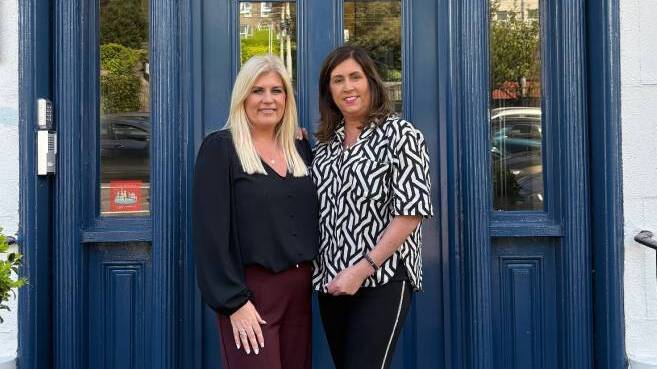
Impacting change: Naoimh Frawley, director of people, operations and governance at Cork Chamber, with Vicki Kelly, WorkAbility co-ordinator, SECAD Partnership.
Inclusive employment is gaining momentum across Cork, but turning ambition into action remains a challenge for many organisations. Through the WorkAbility Inclusive Pathways to Employment Programme, a partnership between SECAD and Cork Chamber is working to bridge that gap – supporting both employers and jobseekers to build more inclusive workplaces.
We spoke with Vicki Kelly, WorkAbility co-ordinator, SECAD Partnership, and with Naoimh Frawley, director of people, operations and governance at Cork Chamber, about the progress to date, the realities on the ground and what still needs to change.
Vicki Kelly: WorkAbility Cork was developed to address a very real gap – talented individuals who want to work but face barriers accessing opportunities. The programme provides structured supports, including training, mentoring and employer engagement, to ensure people with disabilities can move towards meaningful, sustainable employment. Over the past year, we’ve supported around 80 participants across Cork, helping build both skills and confidence.
Naoimh Frawley: There is a genuine willingness among businesses to engage, but many are unsure where to start. Employers are balancing competing priorities,recruitment pressures, operational demands and inclusion can sometimes feel like an additional layer of complexity. What WorkAbility does is simplify that process. We connect employers with candidates, provide guidance and show that inclusion can be practical, manageable and ultimately beneficial to the business.
Vicki Kelly: The results are encouraging. We’ve seen participants progress into employment, training and work experience, but the real impact goes beyond numbers. Confidence is growing among participants and importantly employers are beginning to shift how they think about talent and capability.
Naoimh Frawley: For businesses, it’s often a case of “once you do it, you see the value.” Employers who have engaged with the programme are increasingly becoming advocates, recognising the positive impact on team culture, retention and overall workplace diversity.
Naoimh Frawley: One of the biggest challenges is perception. There can be a concern around the level of support required or uncertainty about making adjustments in the workplace. In reality, many of the changes needed are small – flexible hours, minor adaptations or simply having open conversations. But without the right guidance, those perceived barriers can hold businesses back.
Vicki Kelly: Another challenge is moving from policy to practice. Many organisations have strong commitments to inclusion but embedding that into everyday behaviours takes time. That’s why training is such an important part of the programme – it gives employers the tools and confidence to act.
Vicki Kelly: We work closely with employers at every stage – from recruitment through to onboarding and ongoing support. Training focuses on practical steps, such as inclusive recruitment practices, reasonable accommodations and creating accessible environments. It’s about making inclusion part of normal business operations rather than something separate.
Naoimh Frawley: From Cork Chamber’s perspective, our role is also about peer learning. Employers are often reassured when they hear from others who have gone through the process. Sharing those experiences helps to normalise inclusive employment and build confidence across the wider business community.
Naoimh Frawley: There is a clear business benefit. Accessing a broader talent pool is critical in a competitive labour market. Beyond that, inclusive workplaces tend to be more innovative, more engaged and more resilient.
Vicki Kelly: And with the supports available, including mentoring and training, businesses are not doing this alone. The programme is designed to make participation as straightforward as possible.
Vicki Kelly: We need continued employer engagement. Demand from participants is strong, and there is huge potential to expand the programme further.
Naoimh Frawley: It’s about momentum. The more employers that get involved, the more normalised inclusive employment becomes. There is still work to do.
Naoimh Frawley: Start with a conversation. You don’t need to have all the answers – that’s what the programme is there to support.
Vicki Kelly: Exactly. Whether it’s offering a placement, attending training, or simply learning more, there are practical ways for every organisation to get involved. The key is to take that first step and act with intention.
For more information, visit secad.ie or corkchamber.ie.