Maintaining dairy performance
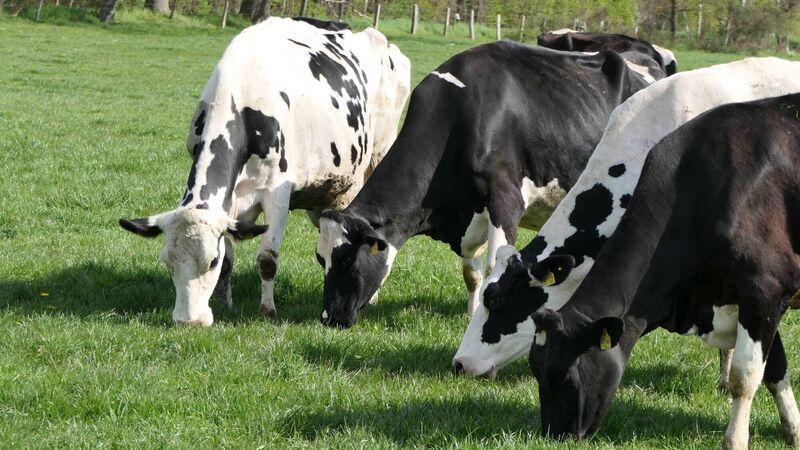
Studies in dairy cows that have been wormed show an increase in their dry matter intake by up to 1kg per day.
HERD HEALTH SERIES: Maura Langan, Commercial and Technical Manager (Large Animal) at Norbrook.
It’s been a long grazing season, and many dairy farmers are feeling positive.
With the majority of cows in calf and lactation starting to dip, maintaining performance remains important. This month, we’re looking at the impact of parasites.
Growing cattle and youngstock are the focus of most attention when it comes to parasite control, as we expect adult cattle to have acquired some immunity.
However, dairy cows at grass will likely have some level of worm burden, and studies show that this could be negatively impacting milk yield by up to 2 litres per cow per day.
Ostertagia infection is responsible for changes to the abomasum that result in appetite suppression, disrupted protein digestion and an imbalance of gut bacteria in infected cattle.
Studies in dairy cows that have been wormed show an increase in their dry matter intake by up to 1kg per day and which has a positive impact not only on the volume of milk produced but also on milk fat and protein levels. Bulk milk tank samples are an easy way to test for antibody levels to Ostertagia, so speak to your vet and see what they advise.
Although we are trying to balance the number of worming treatments with welfare and production benefits, the one time you can’t afford to hold back is with lungworm.

At this time of year, lungworm is a real risk. Recent hot weather followed by torrential downpours creates the perfect environment for the spread of infectious larvae.
Many herds will have some experience of reinfection syndrome in adult cows, more commonly referred to as coughing cows. Exposure to lungworm allows immunity to develop relatively quickly, but it is complex and variable.
Initial immunity to the larval stage lasts around 6 months and wanes over the housing period when cattle are no longer exposed. The second wave is targeted at the developing larvae, and this immunity stops the larvae from maturing into adults.
If initial immunity has waned or was poorly developed, cattle of any age that are exposed to a heavy larval challenge can experience severe respiratory signs. A hypersensitivity response by the cow’s immune system leads to excess fluid and inflammatory cells pouring into the lung, causing severe coughing. These cows are also more vulnerable to secondary pneumonia.
It’s worth noting also that faecal samples are of little use in diagnosing lungworm in adult cows, as they are likely to have the second wave immunity that stops the larvae maturing to egg-producing adults. Your vet will most likely recommend a bronchoalveolar lavage (BAL), commonly known as a ‘lungwash’, to identify the cause of the coughing.
Lungworm infection in dairy cows causes a sudden milk drop, often before coughing even begins. It is possible to pick up on potential infection in the parlour or using predictive technology such as collars or boluses. If even one cow has lungworm, it’s recommended to treat them all. Most wormers are effective against lungworm, but only those from the ML class have persistency.
Eprizero is an easy-to-use, rainfast pour-on that contains eprinomectin, a broad-spectrum wormer with a zero-day milk withhold. As well as gutworms, it is also an effective treatment for lungworm and external parasites, including lice and mange.
Eprinomectin also has up to 28 days of persistence against lungworm, meaning that cows are protected from further infection for a month after treatment.
Visit www.norbrook.com for more information.