Why reseeding is smart for the climate as well as productivity
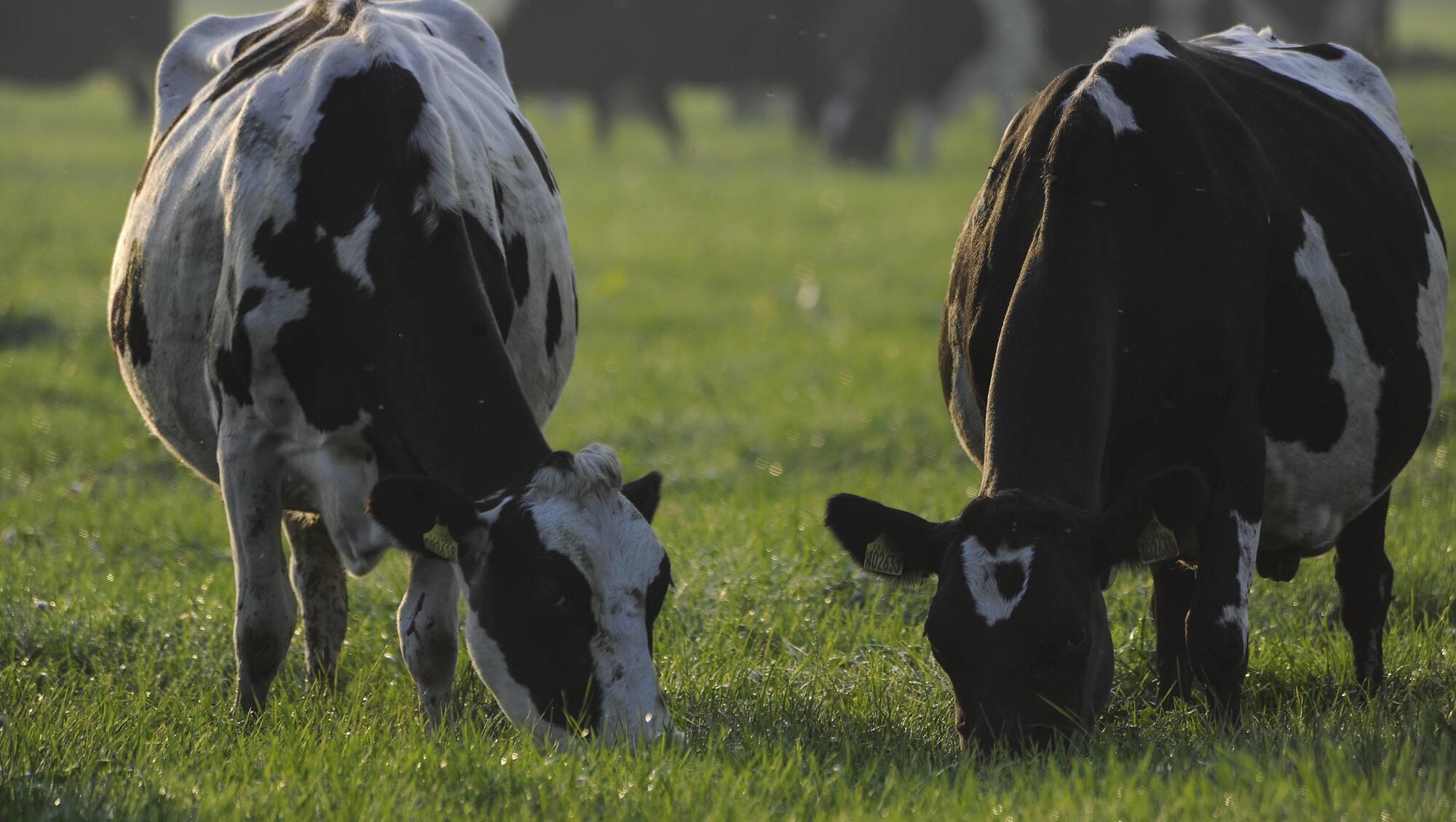
Reseeding can have many benefits, including producing higher quality feed for cattle.
Although spells of dry weather this summer may have put thoughts of reseeding to the back of our minds, targeted reseeds of under-performing swards produce the greatest improvements to grassland quality and warrant planning ahead of time.
Replacing older swards with new, improved grass seed varieties bred using the latest genetics results in more, higher quality feed and improved seasonal growth from the same or fewer inputs.
But this not only benefits productivity and profitability, it also reduces the environmental impact of every hectare and cuts the need for bought-in feed.
Germinal grass and forage expert, Dr Mary McEvoy outlines how to gain more from a well-timed reseed.
Sward performance will always fall eventually, hence the recommendation to reseed 10-15% of grassland each year.
To work out the priority fields, look out for the tell-tale signs of an underperforming sward:
- drop in yield
- fewer grazings
- less trailer loads of silage
- high weed burden
- poaching
- high proportion of unproductive grasses, eg. meadow grasses
- slow regrowth
- poor response to applied nitrogen
These swards are ready for replacing or rejuvenating, but before reseeding work out why they are not performing well. This allows any problems to be corrected before the new seed is sown.
To do this, look at what’s happening below ground as well as above because a healthy soil is vital for grass to perform at its best and is central to environmental resilience.
Simply digging into your soil tells you a great deal about it. Healthy, fertile soil shows good root penetration, it’s easily broken up with small aggregates, contains plenty of earthworms and is a good colour with a healthy smell.

Testing your soil also reveals chemical and nutritional deficiencies, pH the most essential but easiest to correct. Liming to correct pH can improve P & K indices and make better use of the nitrogen in soil, reducing the need for applied fertiliser, another environmental benefit.
Nitrous oxide is a greenhouse gas roughly 300 times more potent than CO2 so any reduction in fertiliser use, reduces its release too.
Germinal’s forage breeding is leading the way towards climate smart food production, driving innovation in this area with its high sugar grass varieties.
These varieties, such as AberGain and AberChoice, contain higher levels of water-soluble carbohydrates (sugar) allowing livestock to convert more plant protein into meat and milk.
And importantly for the environment, this efficient use of protein also helps reduce emissions of ammonia and nitrous oxide.
Each generation of new varieties increases production, delivering higher yields and now in the shoulder seasons too. Animals can be out at grass for longer, relieving pressure on bought-in feed.
They are also more responsive to applied fertiliser and show better regrowth, further reducing the environmental cost.
Sustainable production efficiencies are more important than ever. Reseeding at the right time with the latest genetics ensure sustainability and productivity are achieved.