Diaries, letters and digital technology offer new insights on Michael Collins
The site of Michael Collins' fatal ambush has been restored just in time for an unforgettable commemoration of the events that led to his death in 1922.
Even the most profound influences covering the Civil War period are continually adapting to change with the discovery of new material.
Family artefacts such as diaries, letters etc when unearthed combined with the latest digital technology are reawakening and changing our thinking of past events.
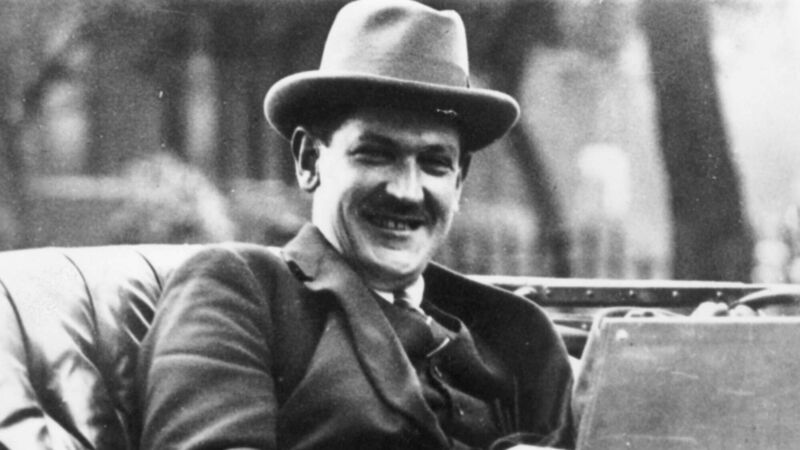
None moreso than that period leading up to the centenary of the last journey of Michael Collins on 22 August 1922, with the consequences reverberating throughout the island of Ireland.
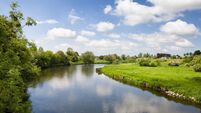
The paradox of events that happened a century ago and interpreting these in the context of today’s digital world is indeed a challenge. Béal na Bláth certainly falls into this category where the rural environment and geography includes a monument of national importance commemorating the fall of one of our greatest heroes, many believing that Michael Collins was indeed the greatest patriot of all.
Digital technologies enable us to see into the occurrences at Béal na Bláth one hundred years ago. Combined with this expertise and knowledge from historians and archaeologists we can become immersed in the history experience. This is not about treating a commemorative object with undue veneration but celebrating the life and achievements of Michael Collins during his short life.
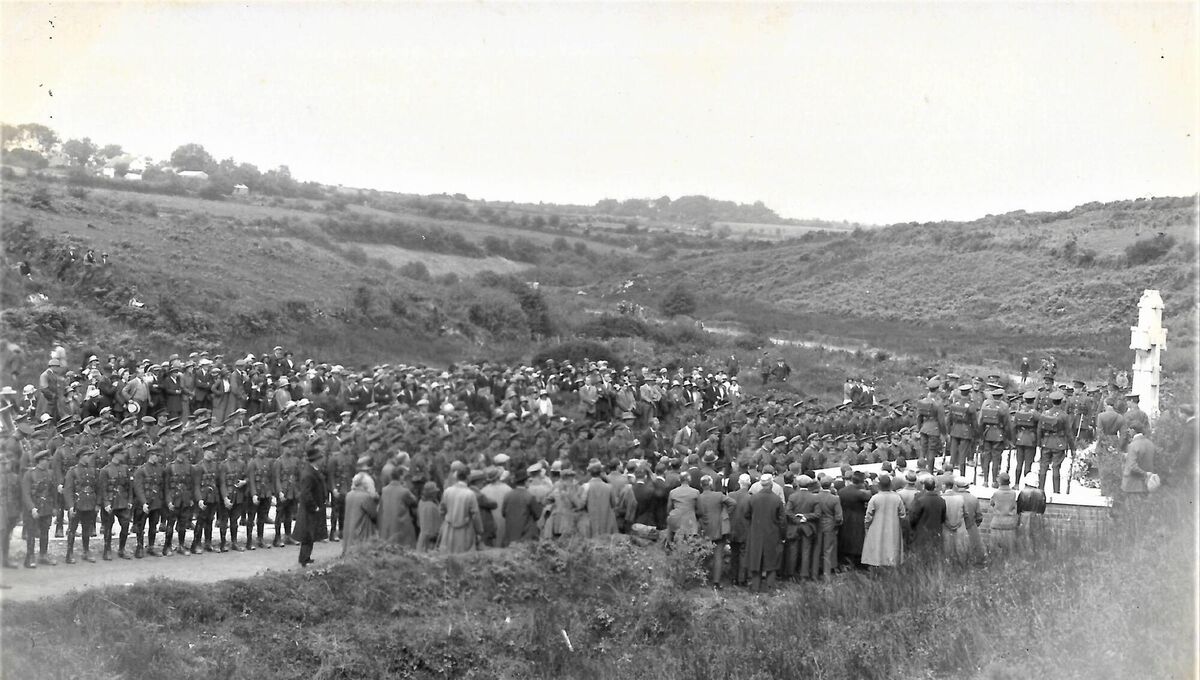
The project has seen the site of the Michael Collins ambush refurbished in the most sensitive and appropriate manner ahead of the centenary of his death in August. This newly renovated monument puts us in touch directly with the historic events that occurred within this location in this centenary year. Studying the wider context of this memorial discloses a story which is the account of the life and death of Michael Collins.
The monument has provided a challenge to the creativity of the professionals involved in Cork County Council to encapsulate, redesign, and refurbish at the same time, making it more accessible to visitors.
Sensitive development at the monument site will ensure its universal accessibility and will allow the visitor an opportunity to experience the landscape and garnish an impression of what it was like in 1922, when that fateful ambush took place. This will also ensure that the Collin’s legacy will continue for future generations.
The overall visitor experience will be enriched by the availability of a map guide of the site and wider ambush area. Welcoming the project, the Mayor of the County of Cork, Cllr Danny Collins said: “The commitment of all the partners is evident through the funding and expertise brought to this project, ensuring the restoration of the landscape affords the appropriate commemoration of the events here in 1922, for the centenary year and for years to come.”
Upgrade works to the site are supported by the Department of the Taoiseach, Department of Defence and Department of Tourism, Culture, Arts, Gaeltacht, Sport, and Media as part of the centenary programme of commemorations. Under the plans, Mayor Collins said the site will be restored to reveal its heritage value “in the most sensitive and appropriate manner, serving as a legacy thereafter of the centenary itself”.
The introduction of traffic calming measures adjacent to the Michael Collins Memorial by the reduction of the carriageway width, renewal of surfacing and road markings, the addition of car parking spaces and associated works will ensure the safety and convenience of visitors.
Originally a small timber cross was placed on the site of the ambush following his death. The limestone cross with its semi-circular plan and distinct edging stones was unveiled by President W.T. Cosgrave in August 1924.
Over time, various alterations and additions were added such as railings and a brick wall. These embellishments were not considered to be particularly sympathetic with the stone cross or the nature of the site. Substantial road widening and realignment has also taken place since 1922 impacting upon the commemoration location.
The new people-friendly design necessitated the removal of the 1970s railings due to their enclosed nature, opening up the commemorative area. Stones of Irish Valentia slate stand as a permanent tribute to the life of Michael Collins and are inscribed with West Cork placenames associated with his early years and his final journey. Access to the limestone cross and its simpler plinth has been improved allowing for more ceremonial possibilities.
The landscape around the monument itself is an imaginative contrast of foliage and local dark red Cork sandstone, where native Scots pine and Yew trees symbolise life after death. The old white marker still stands near where Collins was mortally wounded.
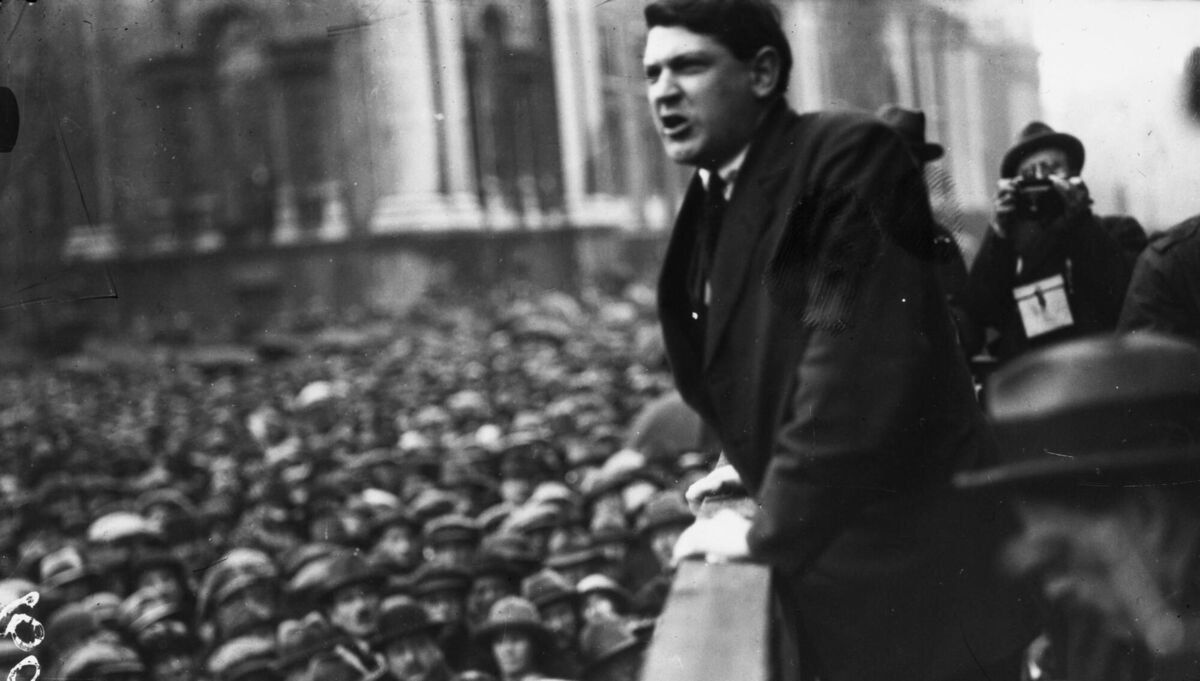
Just 30km away at Michael Collins’s birthplace his own father John recounted that there were records on his father’s side of ancestors dating back four hundred and fifty years when they were chieftains of Munster their motto being Multitudinous is their gathering … a great host with whom it is not fortunate to contend … the battle-trooped host of the O’Coileán. These early oral histories of Michael Collins’s father were to remain in his memory and influence him throughout his life.
Recently, the National Archives received the very generous bequest of five pocket diaries belonging to Michael Collins from his descendants. The pocket/work diaries are of major historical importance and encompass the significant years 1918-1922 which are exceptionally important especially in relation to the commemorations of the Anglo-Irish Treaty and the centenary of Collins’s death in August 2022.
They provide important additional knowledge relating to a crucial period in Michael Collins’ life including the War of Independence, the Treaty negotiations, and the Civil War, up to his death in 1922. They contain historical and personal information on meetings, events and appointments which have never been seen before.
These diaries have been made available to the Michael Collins Museum Clonakilty by the National Archives and the Collins family. Mayor Collins described the availability of the diaries in the Museum from Friday July 29 as “a valuable addition to the huge amount of Collins memorabilia already on display there.”
Visitors to the museum will be able to view all five diaries on a touchscreen device. The physical diaries will be available to view by the public at the museum during the month of August.
For the past number of years, Cork County Council, through its Commemorations Committee, and supported by the Department of Tourism, Culture, Arts, Gaeltacht, Sport and Media, has operated a County Cork Commemorations Grant Scheme.
Of the applications received under the scheme in 2022, one quarter related directly to the commemoration of Béal na Bláth and Michael Collins, showing the significance of the location and Michael Collins himself to community groups and organisations throughout County Cork.
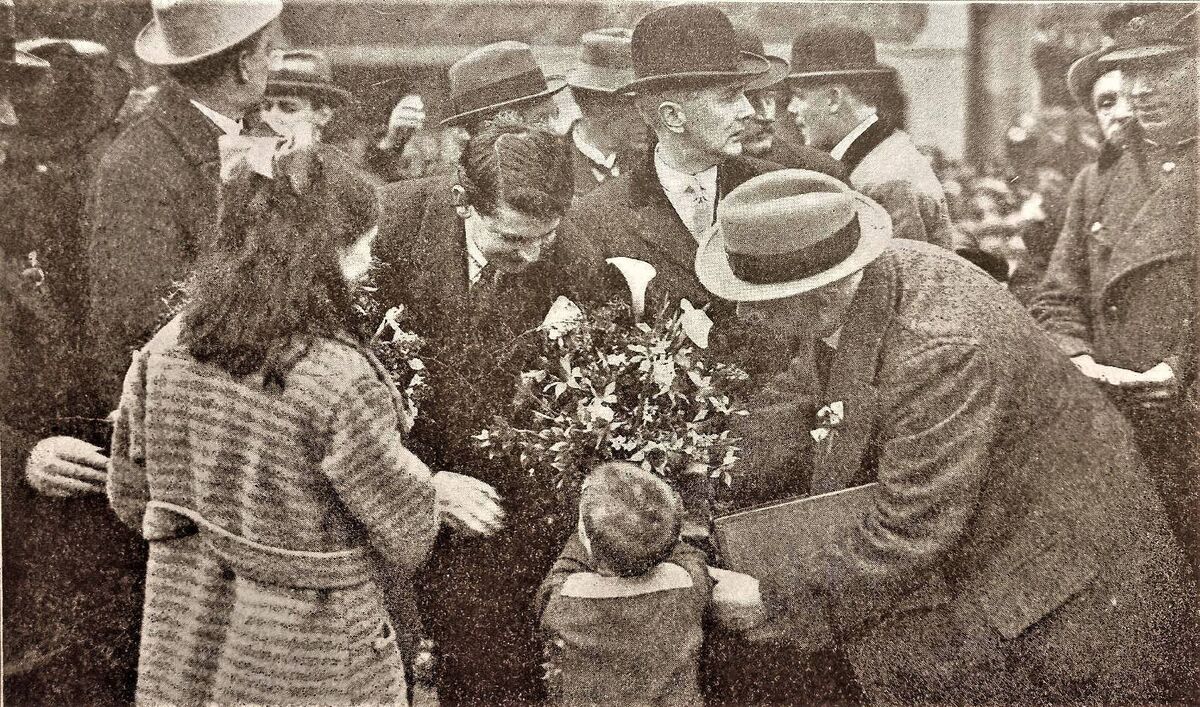
Supported events include a video documentary by the local primary school that Michael Collins attended when he was a young fella, and include commemorative events, exhibitions, talks and reenactments in a range of locations including Clonakilty, Kilmurry, Rosscarbery and Béal na Bláth to name a few.
The Michael Collins Trail, consisting of 140 signs and waypoints linking points of interest and historic sites developed by Cork County Council was completed in 2021. Designed to act as a historical guide, providing tourists with an easy way of following the route and immersing themselves in the life of one of Ireland’s most important historical figures.
The Trail follows Collins’ birthplace, the Michael Collins Memorial at Sam’s Cross, Kilavaird National School where Michael Collins attended, Michael Collins House in Clonakilty, the Independence Museum in Kilmurry and the Michael Collins Centre outside Clonakilty, while also linking to the ambush site at Béal na Bláth.
Find out more by visiting www.corkcoco.ie/trail