On the Farm - let's help our children have a fun and farm-safe summer!
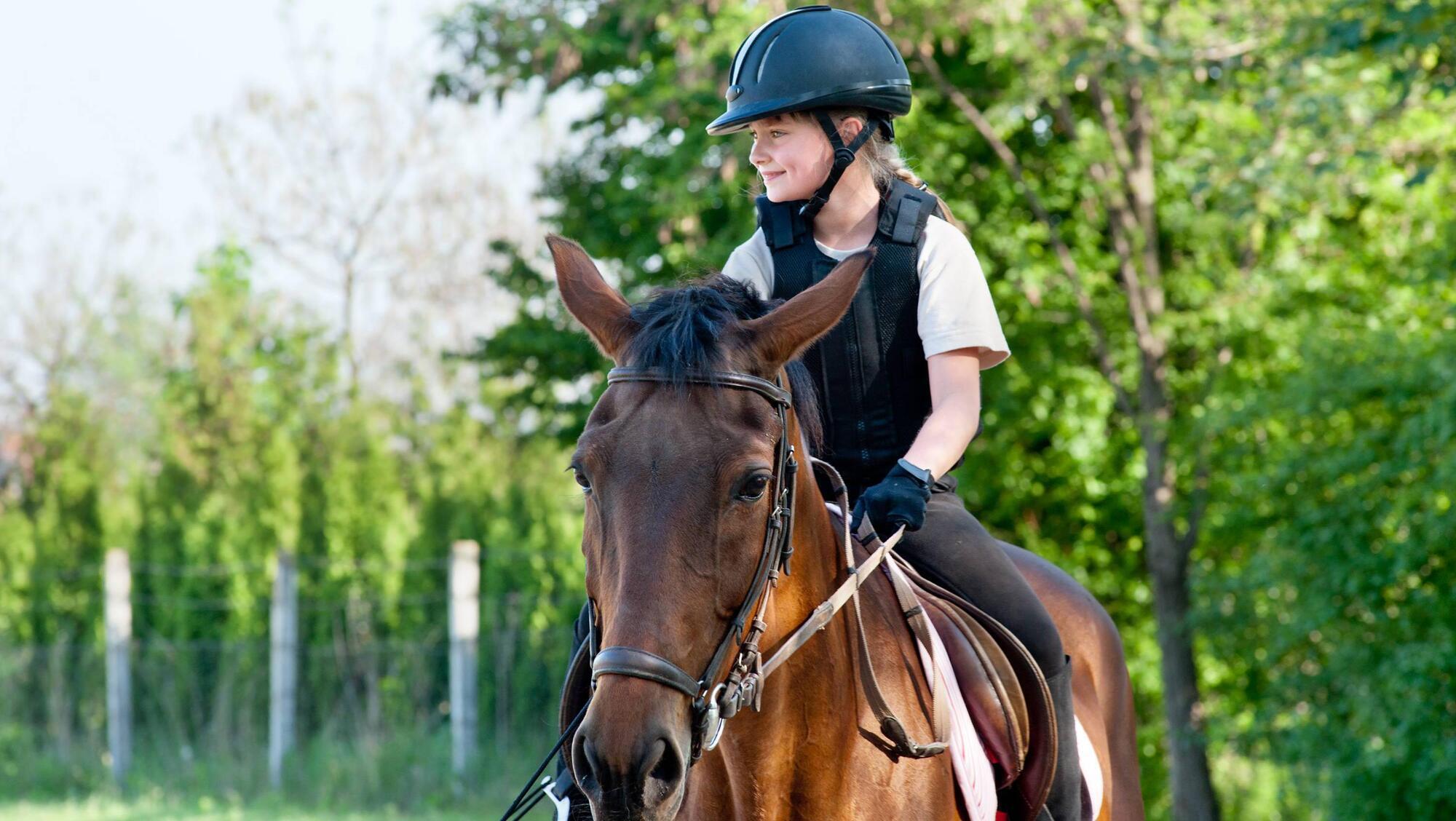
Horses often use their ears and tails to communicate their feelings. It's especially important that young riders pick up on their signals.
As many of you start dreaming about your summer holidays, our famers are getting busy in their fields as hay and silage season gets underway.
Not only is it busy but this is a very important time of the year as farmers must cut and store enough silage to feed their livestock over the winter months. With so much work to do, this is not something that can be done by one person, therefore contractors are employed to help with mowing, gathering and baling.
There can be multiple cuts of silage taken over the course of the year. After each cut farmers will spread fertiliser on the freshly mowed fields which helps the grass grow once again in preparation for the next cut. As well as silage, hay and haylage are also made this time of the year.
Silage is grass that has been ‘pickled’ / fermented. Fermentation is the process of removing oxygen thus preserving the grass and its nutrients.
Mostly in May! Silage is cut just before the grass has fully matured as this is when they contain their highest nutrient levels. The evening is the best time to cut the grass, as the sugar content will be at its highest after the grass has photosynthesised, (when plants turn sunlight, carbon dioxide (CO2) and water into food (sugars) and oxygen).
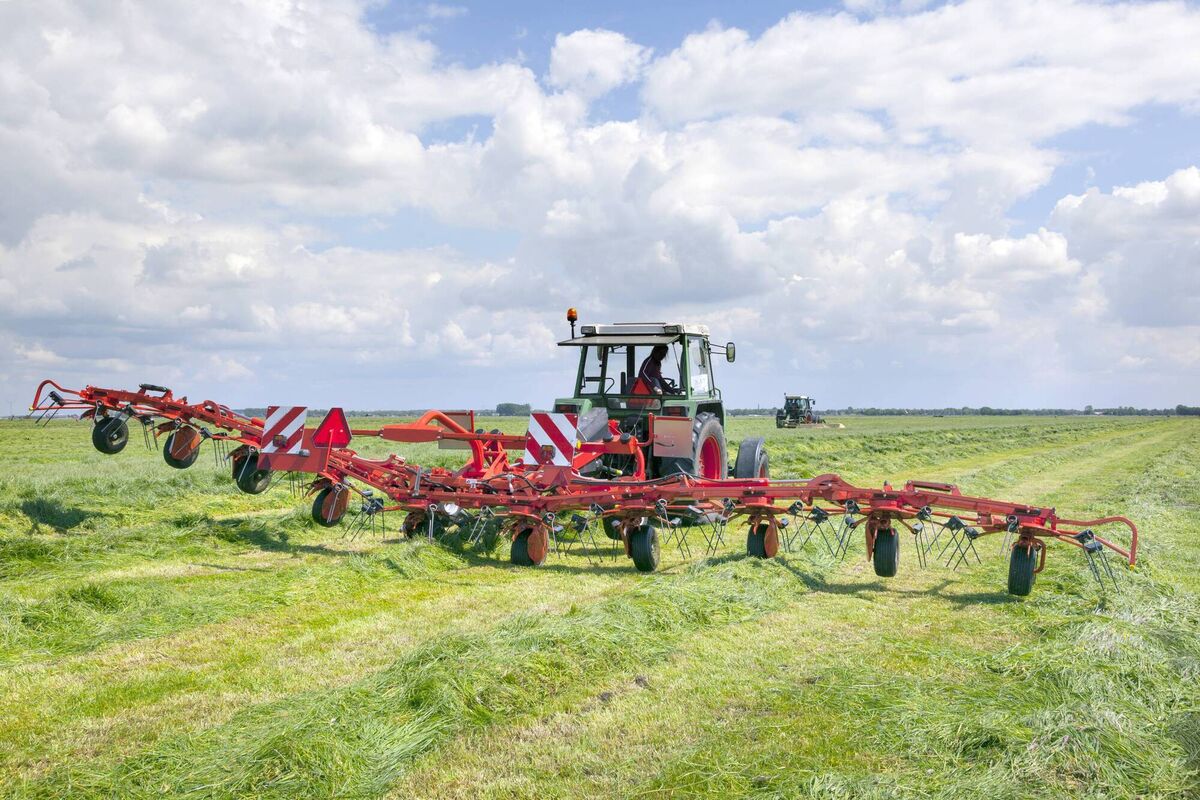
Farmers then attach a tedder to the back of their tractors which is a machine that shakes out the grass so that it can dry and wilt. If making hay or haylage the grass is left longer so that the grass can continue to wilt.
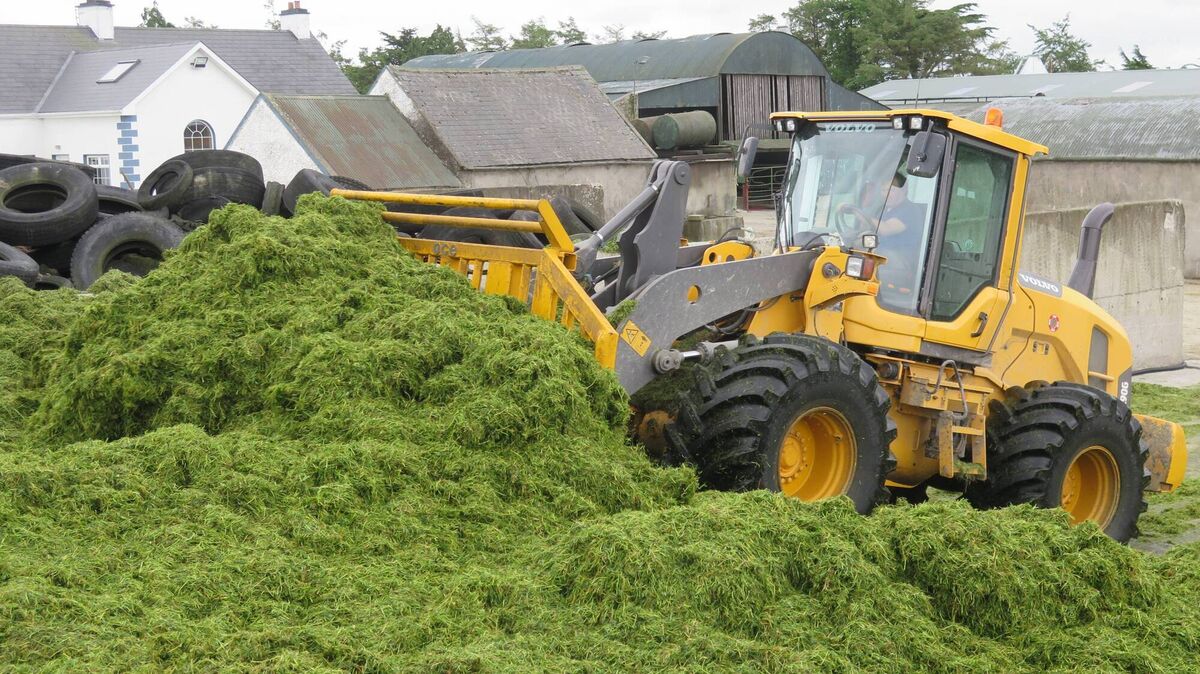
Within 24 hours the silage grass is then collected into trailers and brought to a pit where it is compacted (flattened) by heavy machinery. Compacting the grass removes the oxygen which is neecessary to allow the grass to ferment. This is a vital part of silage making as if not done correctly it may not be properly preserved, reducing its nutritional value. If the silage is stored as bales, the baling machines will compact the grass as they work.
Finally!
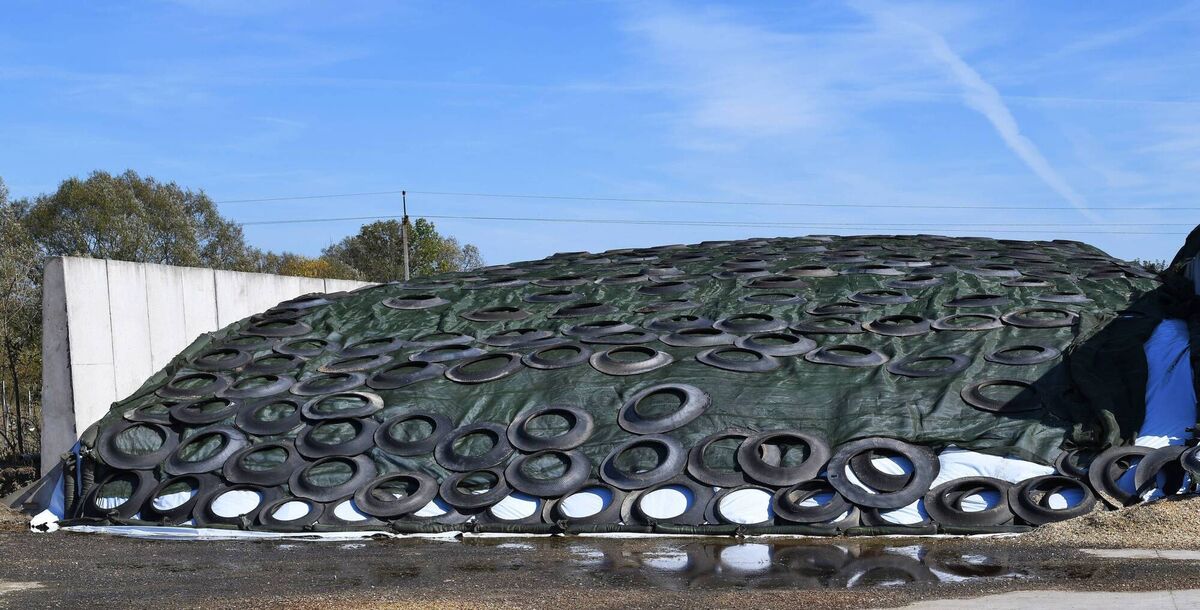
The next step is to seal the compacted grass with plastic to keep oxygen out and keep it weighed down, usually with old tyres.
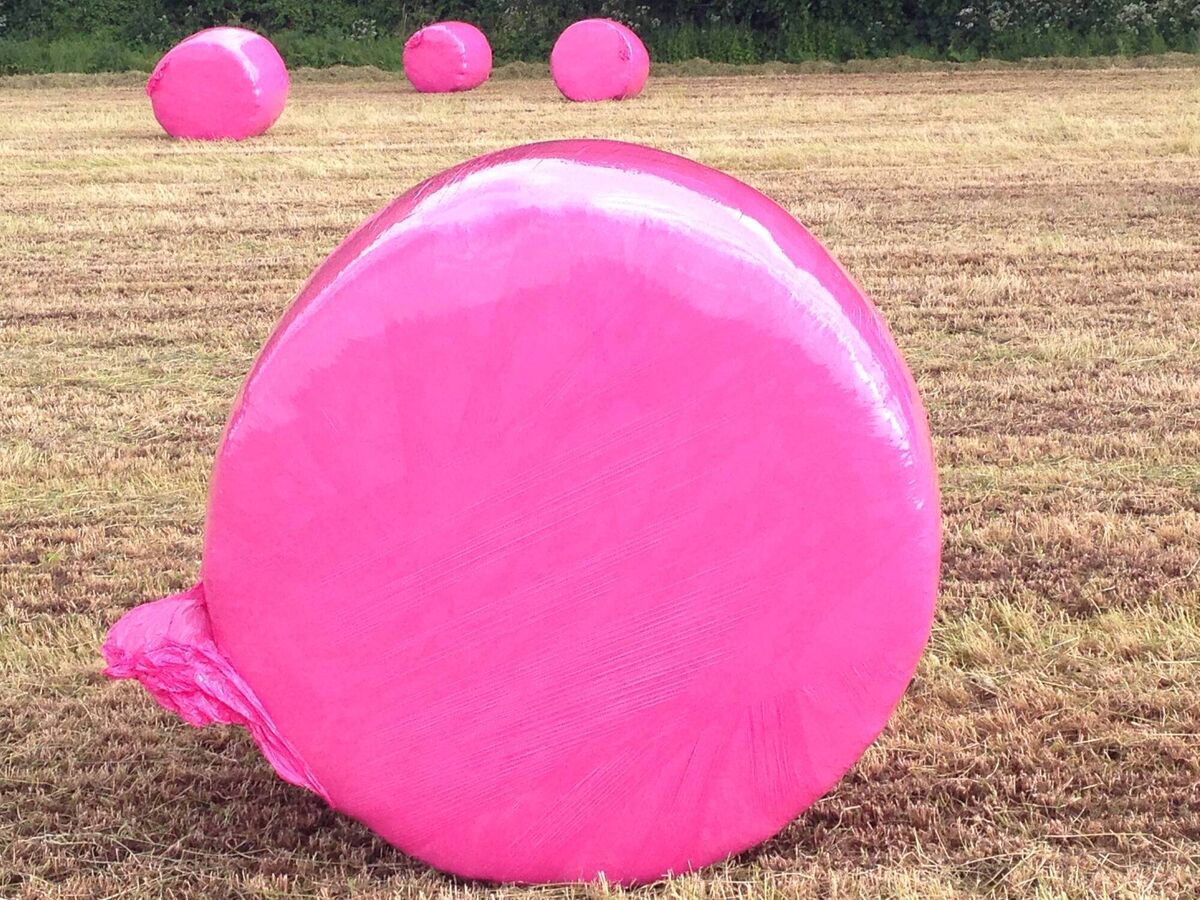
Money has been raised for many charities by farmers wrapping their bales in brightly coloured plastic! #WrapItPink
Fermentation is when bacteria, yeast or tiny organism break down substances such as sugar to create heat and gas.
• Warm water
• 3 Balloons
• 1 teaspoon
• Powdered yeast
• 3 Glass or Plastic bottles
• Sugar
• Paper triangle - to create a funnel!
• Warm water
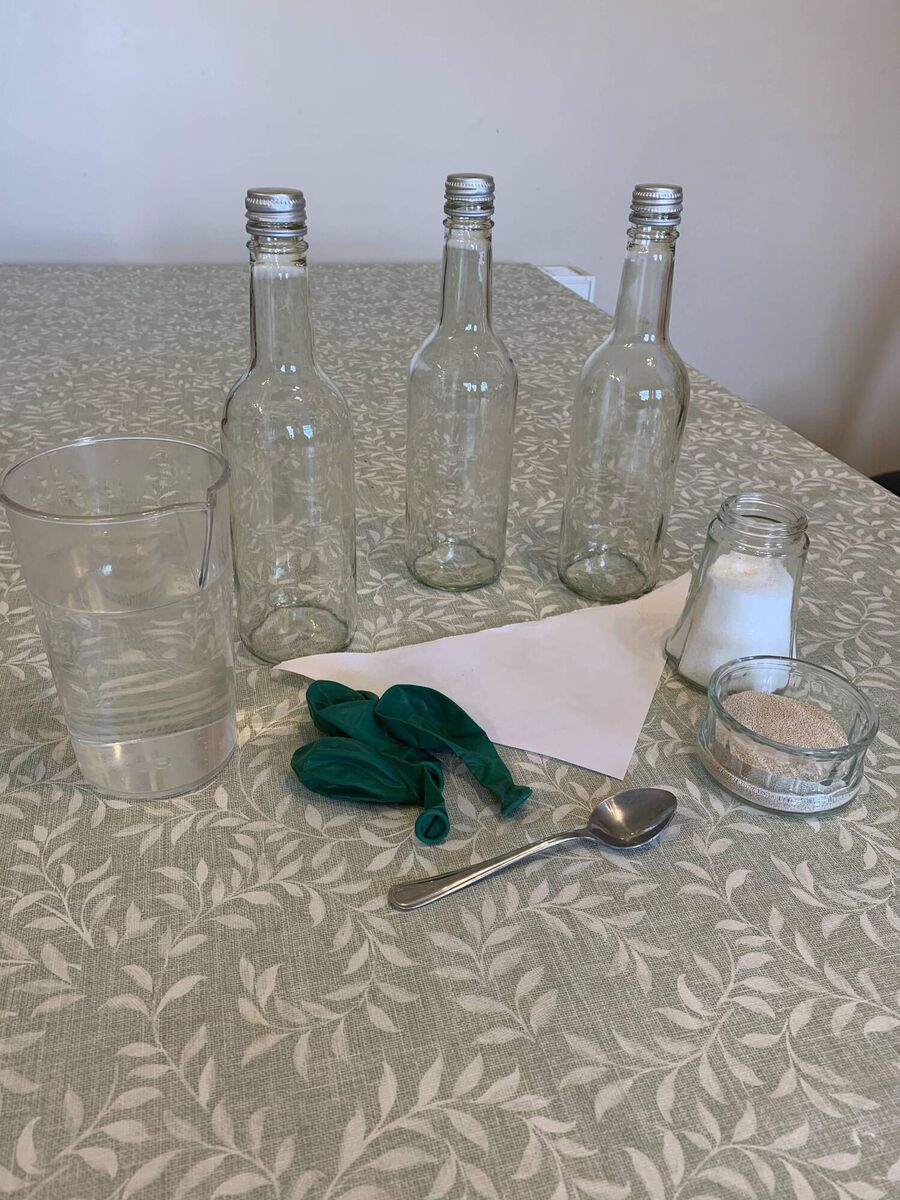
Create a paper funnel using the paper triangle.
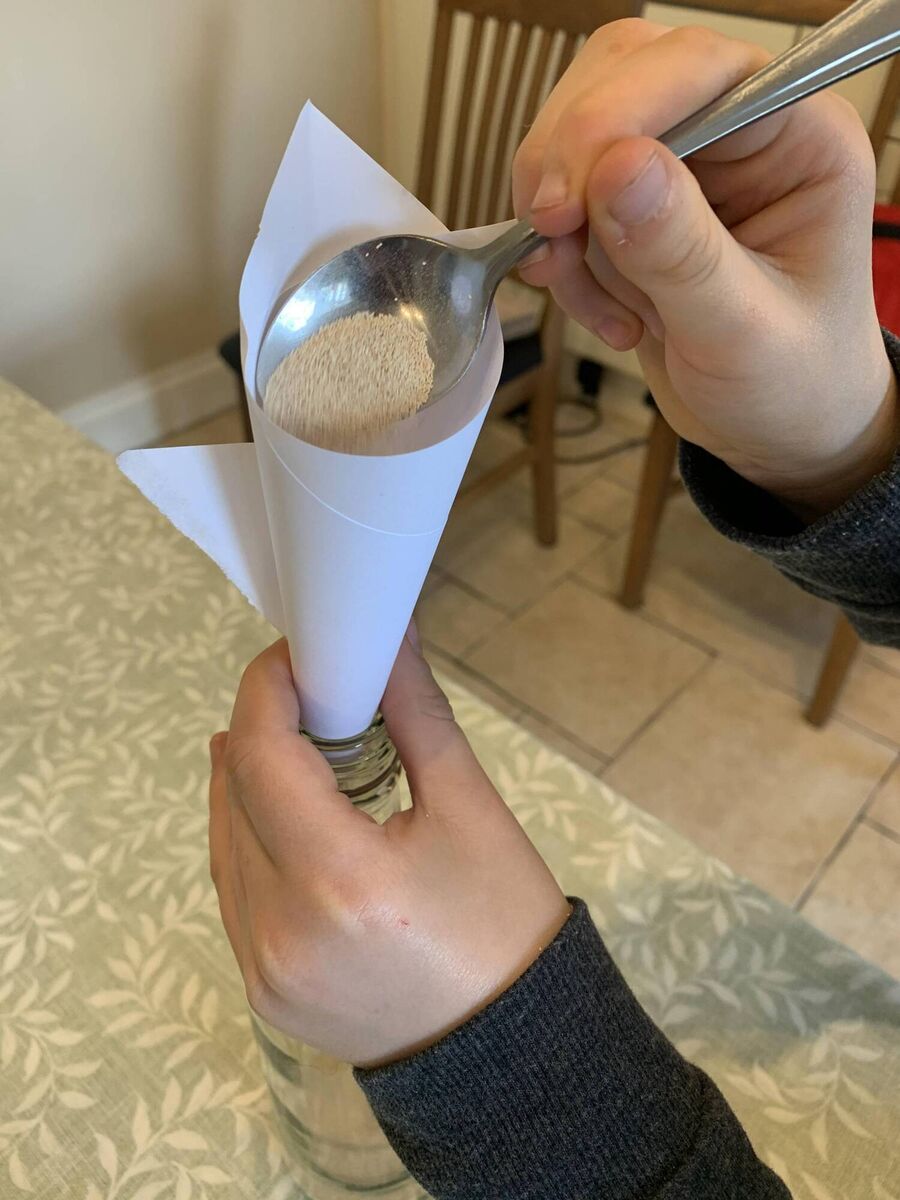
Insert it into the bottle and add the dry ingredients.
Add 2¼ tsps. of yeast into each bottle.
Add 1 tsp. of sugar into the first bottle, 2tsps. into the second and NO SUGAR into the third.
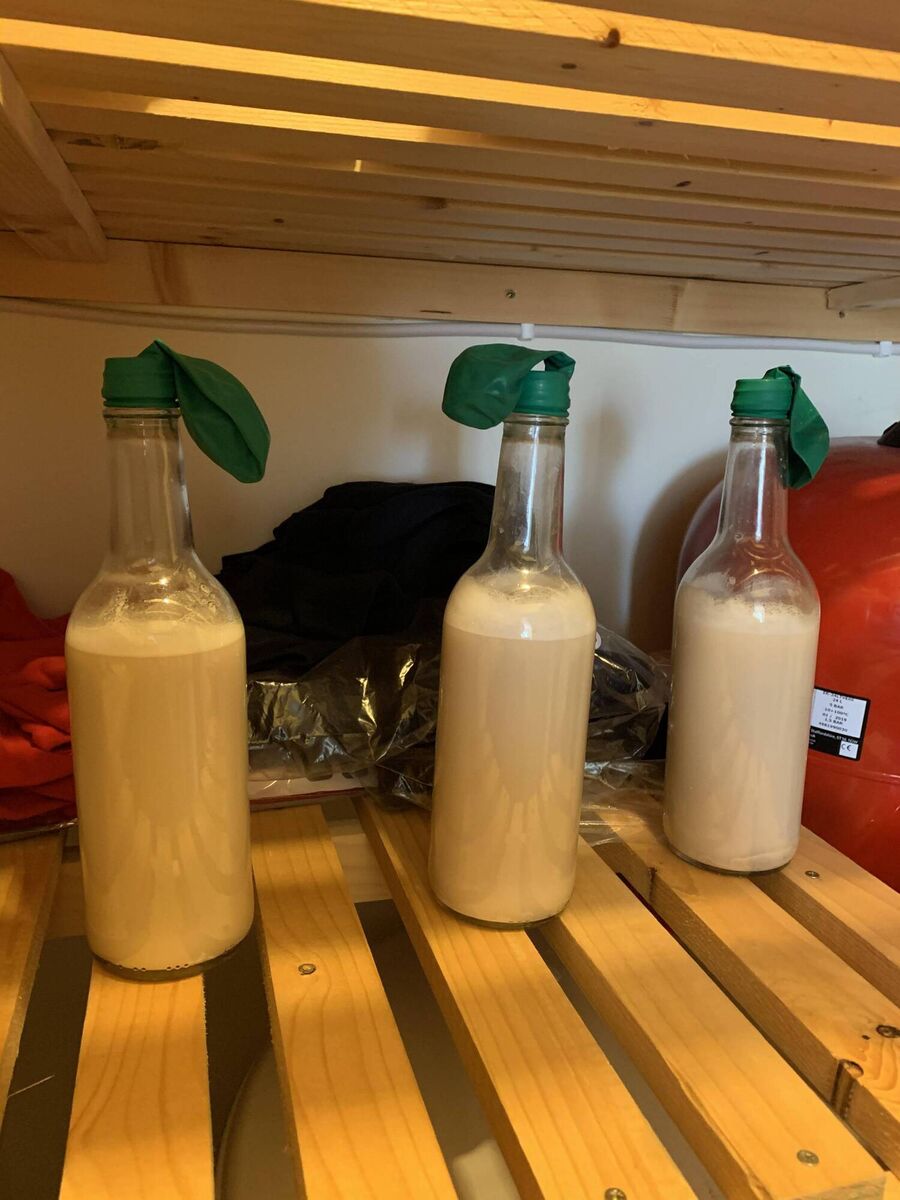
Fill two thirds of each bottle with the warm water.
Cover each bottle and gently shake to mix the ingredients.
Over the opening of each bottle place a balloon.
Now store it in a warm dry area for 1 hour and see what happens!!!!
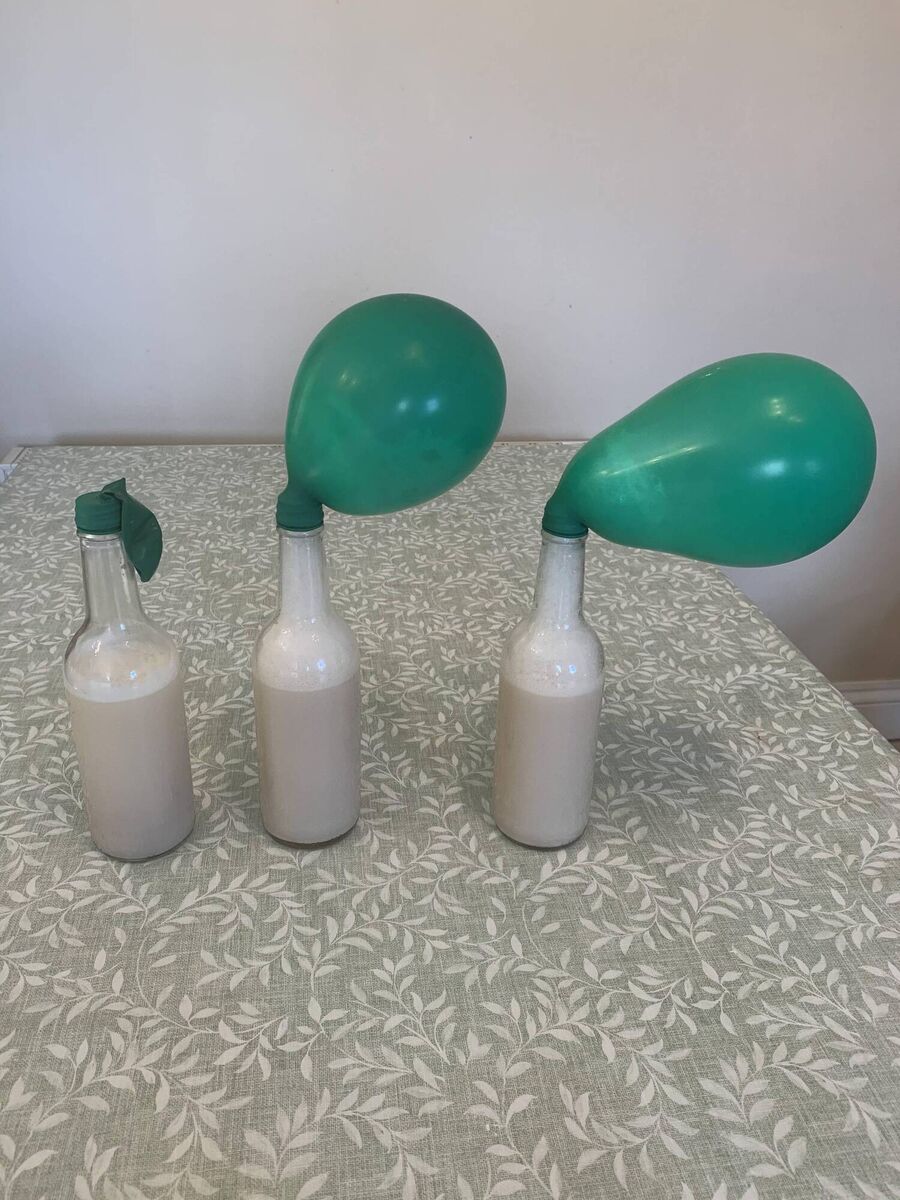
The yeast reacts with the sugar and water and creates gas which inflates the balloons. The bottle with the most sugar will have more gas and a bigger balloon! This is fermentation.
• Horses were used in times before tractors which is why the power/ speed of a tractor is still referred to as its ‘horse power’.
• Horses cannot vomit.
• Horses are measured in ‘hands’. 1 hand = 4 inches
In the past horses were highly valued on a farm. Pulling farm machinery such as ploughs in the fields or trailers, laden with farm produce, to markets.
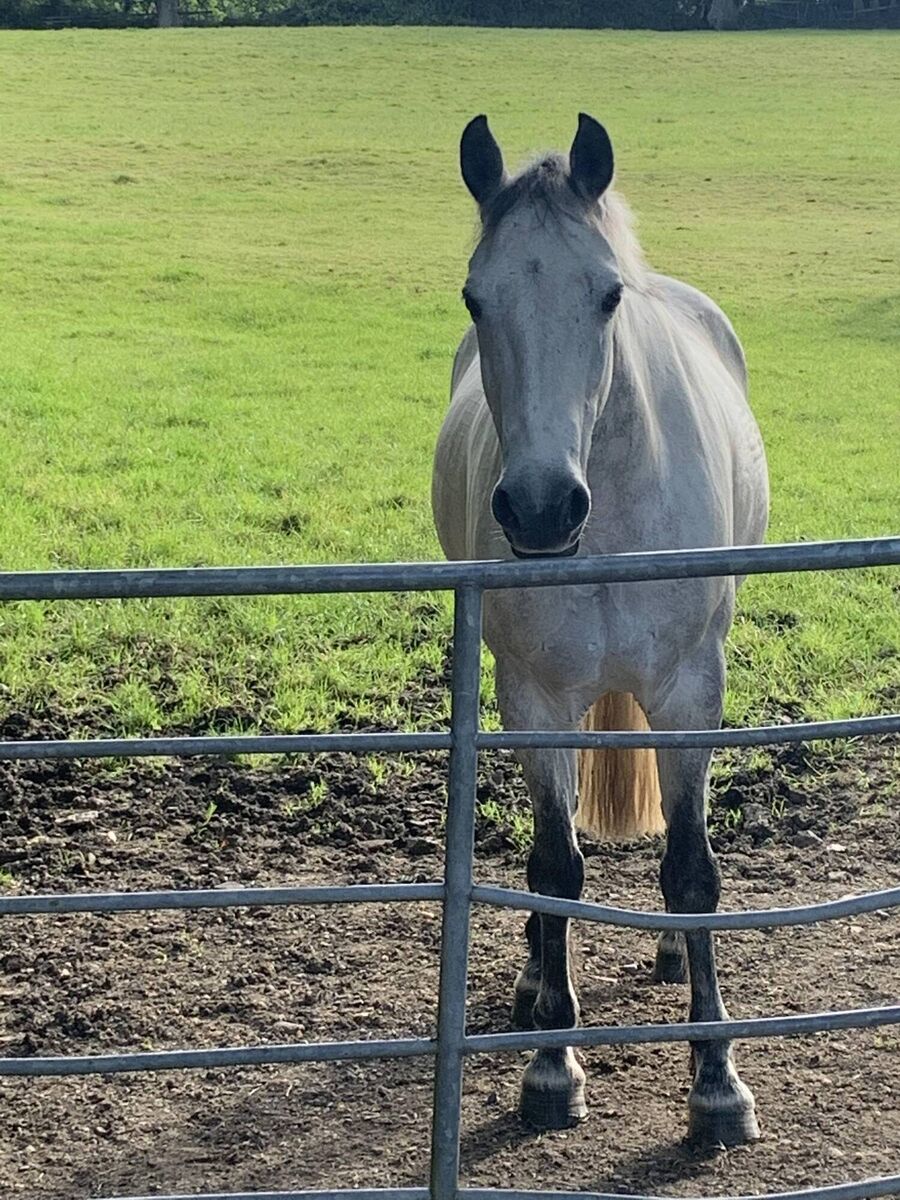
They were also a source of transport for the farmer and their family. The Irish draught breed descended from this time due to its versatility for both farm work and riding.
- Connemara
- Irish Draught
- Irish Sport Horse
- Kerry bog pony
- Irish Warmblood
- Irish Cob
- Thoroughbred
Did you know horses use their ears to communicate with us? Check out the pictures below to see what the horses are saying.
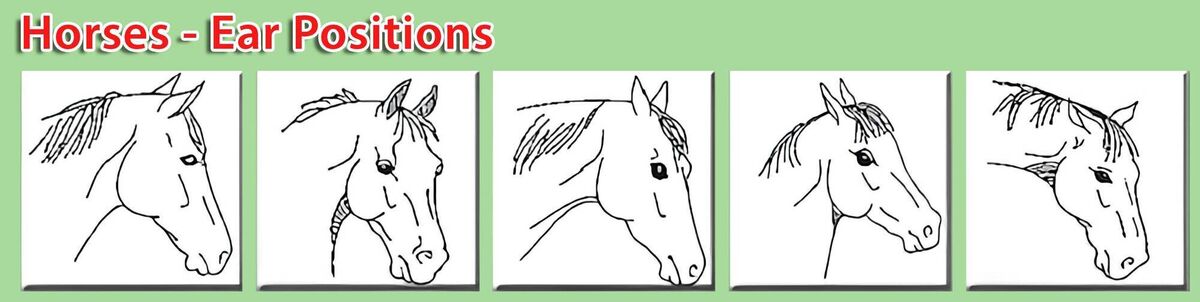
When the ears are (left to right);
= Interested in what Is going on.
= Alarmed & looking out for danger.
= Listening to rider & possibly what is going on behind
= Annoyed & worried. Warning: Risk of getting kicked
= Calm and relaxed.
Also look out for the :
• Tucked down tightly: Nervous and may buck or kick
• Switching: Annoyed & irritated by flies, another horse or its rider!
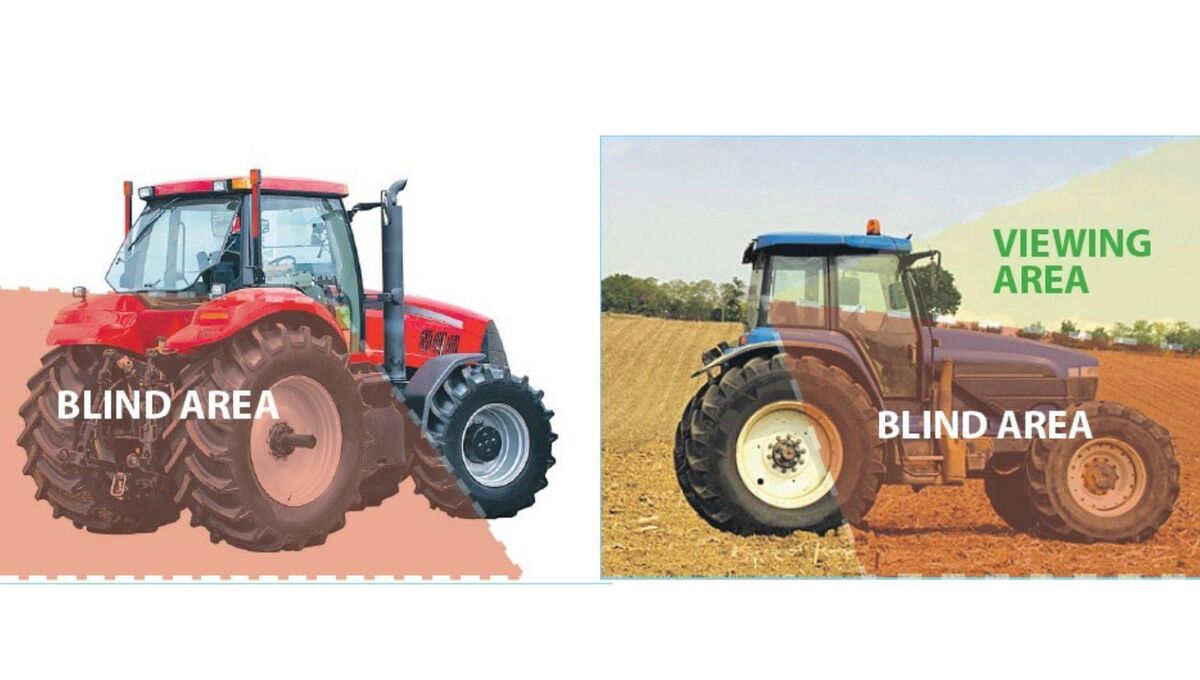
This time of the year is really busy with farm machinery and the farm yard should be out of bounds to those not working. The blind spots are the areas where the driver cannot see.
Sitting so high up, the driver has poor visibility and they will not see you if you approach. The closer you are to a tractor the less likely you will be seen and the more danger you are in.
Look at the pictures below and see where the blind spots are located.
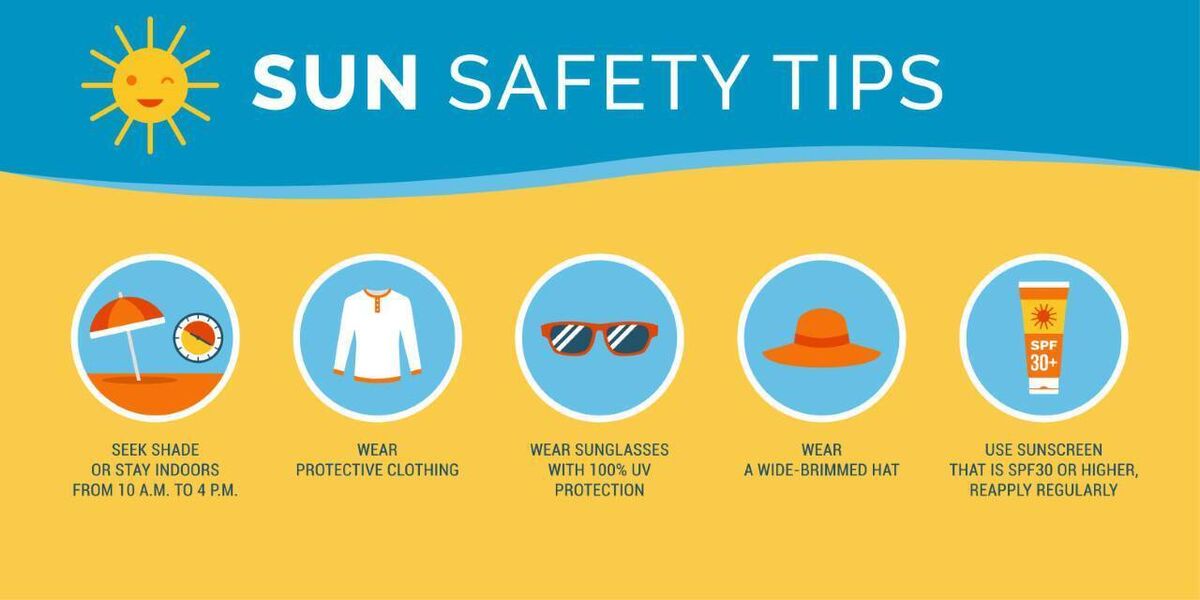
Skin cancer is the most common cancer in Ireland with 13,311 cases in 2020 (sce. Cancer.ie). Those working outdoors such as farming and the construction sector are at great risk of developing skin cancer. Let’s all be Sun Smart this summer by following the Sun Smart Code.
Along with his brothers John & Martin, Richie White runs Slievenamon Agricultural Services (SAS) near Fethard in South Tipperary.

Our drivers are busy throughout the year, eg. hedge-cutting, slurry and fertiliser spreading, harvesting, ploughing and planting many varieties of crops.
During the summer, our main emphasis is on silage harvesting where we operate two large harvesters and a self-propelled mower as well as round balers.
Farm contracting has been in our family for many years, our father started cutting silage in the 1960s. I have always liked working with farm machinery and after a year at Gurteen Agricultural College, I came home to work with our then-contracting business.
Usually after 8am by checking and making sure tractors and machines are ready for work. We then allocate the work to different drivers, depending on the weather and type of work to be done. If the tractors work in groups we spend time planning operations to provide the most efficient service to our farmers.
We try to work a normal day. During busy times, which are always dictated by the weather, we will work longer days.
I enjoy working with machines and tractors which are constantly evolving. Nowadays we have GPS technology and auto-steer systems as well as field mapping, there is great satisfaction in learning these new skills and putting them to practice.
I also enjoy mentoring new entrants to the business and advising them how the business works, some even go on to running their own farm contracting businesses. No two days are the same in the life of a farm contractor, despite challenges, it’s always an interesting way of life.
Managing accounts is the part of the business I enjoy least. Sometimes machines test us in terms of their reliability and ease of use, but we always see that as a challenge that forces us to work harder to get things right for our farmer customers.
- Get educated especially in areas of business.
- Get as much knowledge and experience as you can in understanding, operating and repairing tractors and machinery.
- Learn a European language, preferably German. Many of the machines that we use are manufactured in Germany and there are great advice videos and manuals in the German language that’s why I would strongly advise learning German.
- Lastly, I would advise working away from the home farm or contracting business before getting set up at home or on your own. Preferably work abroad, see how others do what we often take for granted, travel broadens the mind.
I know that silage pits are the most dangerous place on a farm, especially during silage harvesting. I often drive our wheeled loaded on the silage pit and there are so many blind spots for the loader driver, that children should not be allowed near this work area.
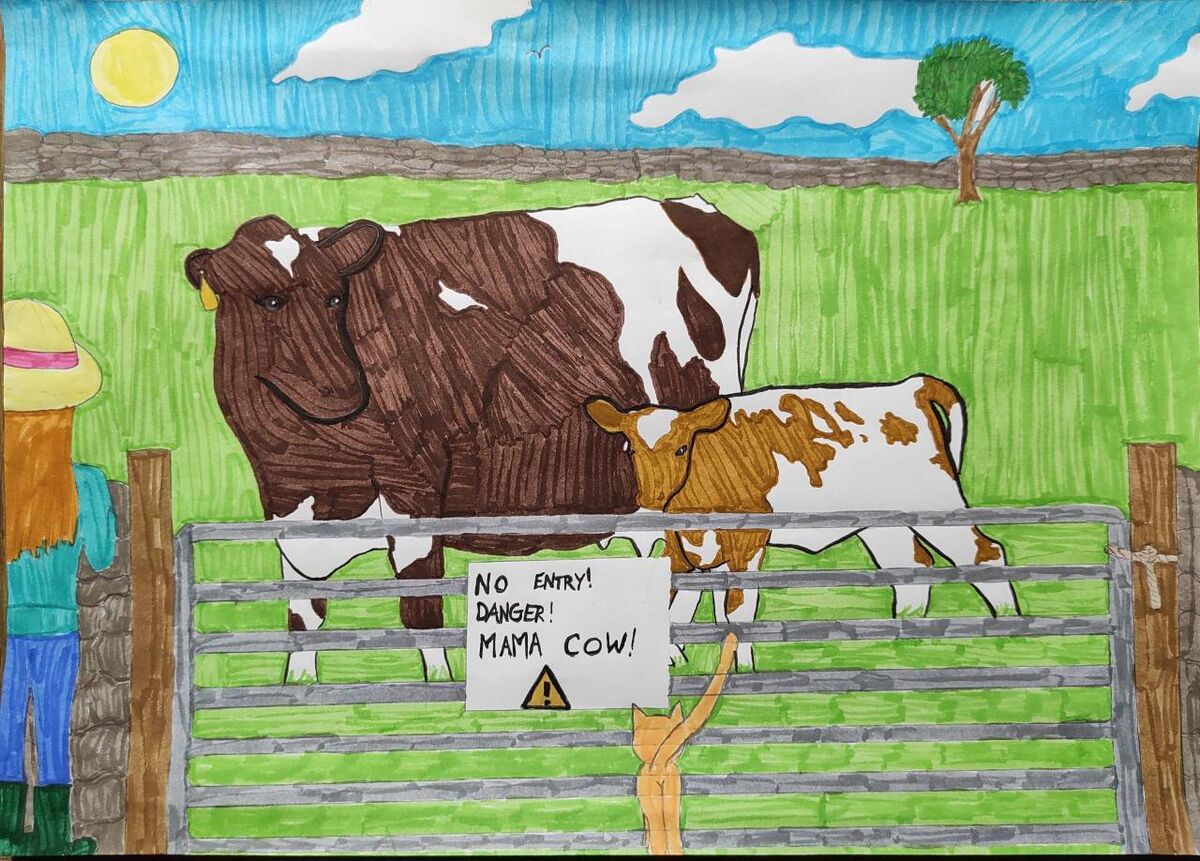
Congratulations to ten-year-old Saoirse Bury from Tuam, Co. Galway! Saoirse is our ‘On the Farm’ Agri Artist for summer and winner of our Flogas goodie bag.
Saoirse loves to draw and wants to be a vet when she is older.
Check out her winning piece below;