Spike Island: The prison that offers a sense of escape
Spike Island, which drew in almost 25% of its business from international visitors pre-Covid, is bouncing back from the pandemic better than ever and ready to welcome the world back in.
Imprisonment’s a subject that you could argue has never been more topical.

After the global pandemic of Covid-19, and the resulting lockdowns that confined all of us within the same four walls of our homes, or within the few kilometres around our homes during the better spells, many of us have a newfound appreciation for our freedom.
We also have a far greater understanding than we ever wanted of what it’s like to feel caged in.
Someone who’s been all too familiar with the topic of imprisonment since well before the pandemic, however, is John Crotty.
Since 2016, he’s been working as the manager of Spike Island, home to what was once the largest prison in the world and a location that held prisoners as recently as 2004. It is a joke among the staff that most of their offices still have the original prison bars outside their windows.
The vast, 104-acres site chronicles thousands of years of Ireland’s troubled history, including the Famine years and the War of Independence.

Tasked with communicating the immense history of the place are a wide variety of staff, which ranges anywhere between the fifteen workers currently employed, to up to forty staff in the busier summer peak. There are also several volunteers, many of them former residents of the island, and members of the Community Employment Scheme working at the not-for-profit company, to facilitate visits and further develop the island location.
As much as the incredible true stories and relics that make up the fabric of the place, what really sets Spike Island apart is this expert team. “Our guides are very passionate, and our biggest strength is our staff,” John says proudly. “Our entire team, from the maintenance to the cleaners and kiosk staff, does a great job presenting the location and welcoming the visitor. We almost insist that everybody does a guided tour when they visit too because we know the guides are going to get across the wonderful depth of history we have.”
That depth of history spans over more than 1,300 years, dating all the way back to the 7th century. “Spike Island has seen so much activity and different characters in the time since,” John explains. “Originally, in its earliest days, it would have been known for its monastic use, then with the Cromwellian era the British came and later built one of the largest star-shaped fortresses in the world on the island, one that would cost over a billion euro to construct today. The fort was a home to the British and Irish military, so anybody who’s into their military history is awe-struck by the scale of military endeavour that they discover, which spans over two consecutive centuries from 1779 to 1985.
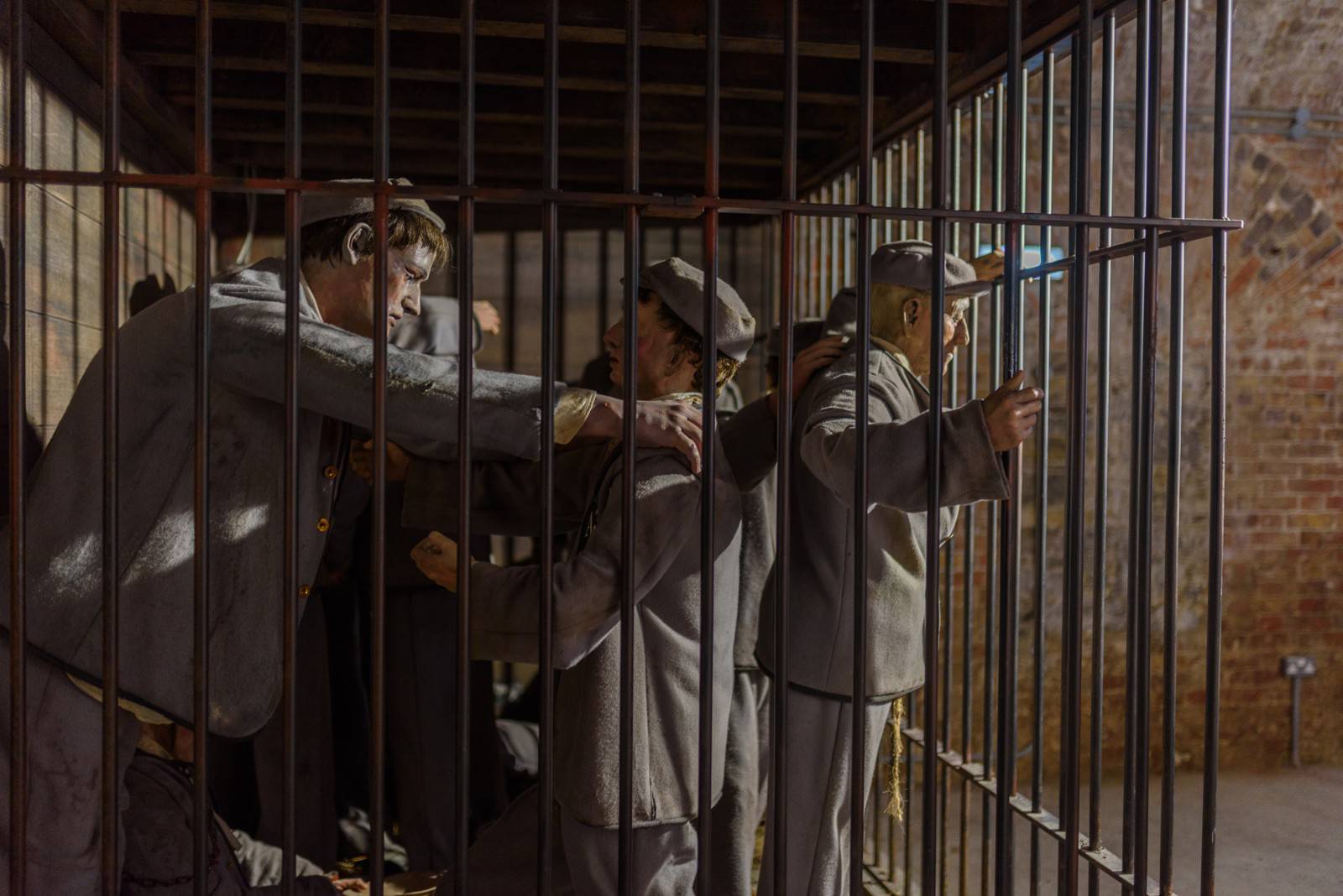
“The prison also captures the imagination of everybody that visits, because there are so many stories related to it. From desperate famine era victims that you could not class as criminals, to hardened gang bosses like Martin Cahill. The island was used as a prison for the first time back in the 1600s during Cromwell's invasion, but the island is most famous for the Victorian era prison, which opened in 1847 and held famine victims. Those were primarily people who were convicted of petty crimes like stealing a loaf of bread just to stay alive, so you can’t help but be moved when you hear their story. During that time, Spike became the largest prison in the world, with 2,300 convicts. An awful lot of people connect with that era, as it’s a part of Irish history that we all feel is familiar to us, almost like it happened yesterday, and it represents a sad pinnacle of centuries of Irish oppression.

“Then in even more recent history, you move forward to the island's next prison, which held the Irish Republican prisoners in the 18th century. What you gain from that part of the tour is really a celebration of Irish freedom. 1,200 rebels were held on the island during the War of Independence, many of whom kept fabulous diaries containing rich stories about how they felt, what they thought, and why they wanted Ireland to be liberated from British rule. We have all those diaries on display in our Independence museum, and again it’s one that captures the hearts and minds of so many visitors.

“After that, the tour takes you all the way up to our very last prison cells, which were opened in 1985, and held prisoners until as recently as 2004. The one-way system we operate during the tour means you’re taken on a loop starting from the earliest parts of the prison, the 1800’s prison, following a route around the fort where the last thing you see are the modern prison cells, where prisoners were walking on the very same ground just two decades ago. The overall impact, once you’ve walked that entire loop and taken in the tragedy and the real, lived experiences from each section of the island, really blows people away during each tour. Many have called it ‘Ireland in a day’ – a trip through Ireland’s ancient monastic history, through centuries of British oppression and rebellion to our ultimate freedom, with stories of Irish social life thrown in that soften the story.”
It should be noted, however, that the impact of the Spike Island experience can be felt before you’ve even stepped foot on the place! “To get to the island, visitors start off in beautiful Cobh, which of course has a fascinating history all of its own. We always make a point of giving people that bit of history about Cobh and advising them to set aside extra time to explore the place," John says. "Once you board the ferry from Cobh, though, you start travelling towards Spike Island and there’s that wonderful feeling of escape, which is quite ironic for a prison island! The journey over is just so serene, and then once you step on to the island you immediately feel like you’re somewhere much further away, like you’re free from the real world. What’s fantastic about the island is we have no cars, nobody’s living there, so there’s no dogs barking or horns blasting. It really is a peaceful sanctuary almost, where you can get away from the mainland and contemplate.”

These days, there’s something extra special to contemplate upon during your visit. Earlier this month, the ‘Old Cork in Colour’ exhibition was launched at Spike Island. Featuring over thirty images from the best-selling Old Ireland in Colour books in ways you’ve never seen before, as well as some showstopping new additions, it’s a must-see this summer.
“It’s been such a fantastic opportunity to work with the experts in the Old Ireland in Colour team, because we had all these historic images of Spike Island that have never been colourised," John beams. "It’s been amazing not only to see them being given new life, but also to give plenty of other iconic pictures from Cork the same treatment, and house them here on Spike Island."
One such image that’s now on display at Spike Island is the last picture ever taken of Michael Collins. “I was stunned to discover that picture had never been digitised and properly colourised before, because that process so often reveals new details that we never would have seen before from images of Irish history” John explains. “I think not only the Collins piece, but the whole exhibit, will generate an awful lot of interest amongst people in Cork. We’ve covered pretty much the whole county in there — people will find images of Kinsale, Bantry, Cobh and loads more.”

“I’d really encourage people to come see it while they can. I suppose the whole idea behind what we’re aiming to do, with both Old Cork in Colour but also Spike Island in general, is to stir up that Irish passion and remind people of the wonderful history we have.”
The Old Cork in Colour exhibit is running in Spike Island until November 2022.
For further details, and to book tickets, head to www.spikeislandcork.ie.