What you pour down your sink ends up stuck in a pipe, warns Neven Maguire
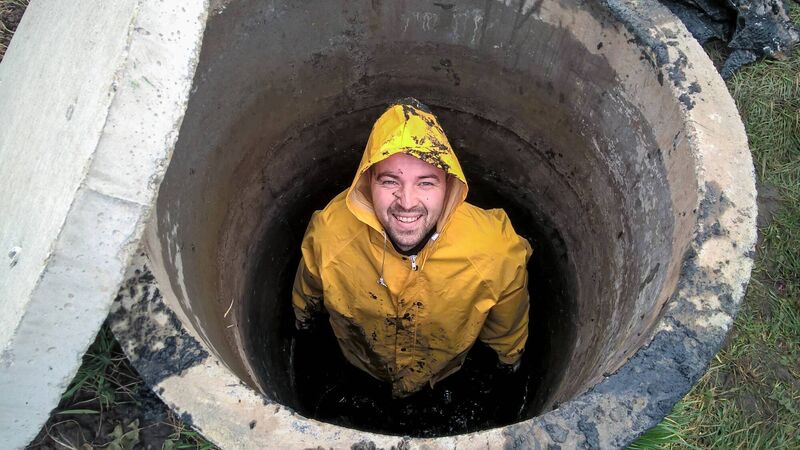
It's a dirty job, but someone's got to do it. If you resist the lazy temptation to pour fats, oils and grease down your sink, you can help avoid adding to fatbergs.
It’s easy to assume that the warm grease left in your pan or roasting dish after cooking would be okay to put down the sink, especially if you wash it down with hot soapy water. However, this is not the case.
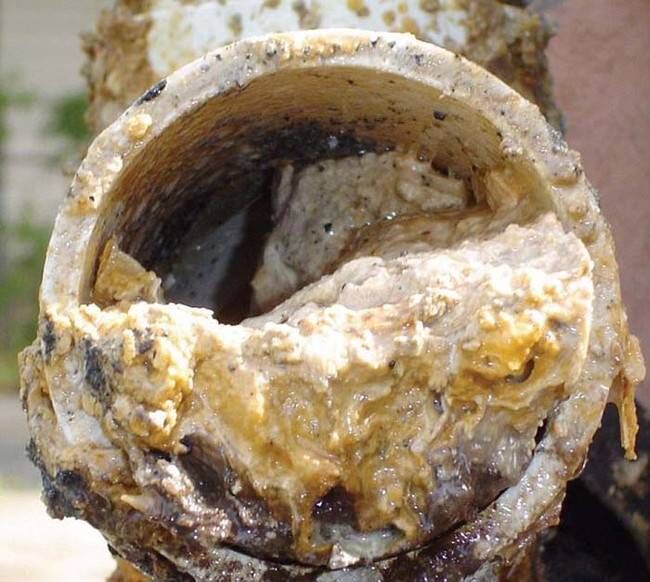
Fats, oils, and greases (FOGs) may seem like liquids when poured down the sink, but they cool and harden as they travel along the wastewater pipes, causing blockages in homes, the public wastewater network, and at wastewater treatment plants. When FOGs combine with wipes and other sanitary items that shouldn't be in the wastewater network, fatbergs can form. These fatbergs can lead to overflows of sewage that can damage your local environment.
Celebrity chef Neven Maguire is teaming up with the Think Before You Pour campaign to raise awareness and share tips on how you can prevent fatbergs directly from your kitchen sink.
Think Before You Pour is a public awareness campaign operated by Clean Coasts in partnership with Irish Water. The campaign appeals to the public not to pour FOGs down the kitchen sink, as Irish Water clears thousands of blockages from the wastewater network every month.
Speaking about the campaign, Neven Maguire said, “I’m delighted to be partnering with Clean Coasts and Irish Water on the Think Before You Pour campaign to spread this important message. Whether you’re the cook or the helper in the kitchen, you can make a positive impact on the environment directly from your own home. An action as small as disposing of your fats, oils, and greases in the bin, rather than pouring them down the sink, can have a hugely positive effect on our environment and wastewater system. Fatbergs start in the kitchen, so let’s all make sure we play our part and never pour FOGs down our sinks."

Neven's top tips to avoid fatbergs:
- Collect used cooking fats, oil, and greases into a reusable, heatproof container like an empty egg carton or yogurt pot. Allow this to solidify before emptying into the bin. If you have a Food Waste Recycling service, small amounts of FOGs can be disposed of in the food waste recycling bin. FOGs are not suitable for home composting.
- Always wipe and scrape plates and saucepans before washing.
- Use a strainer in your kitchen sink, and empty it into a suitable bin.
- Put fats, oils, or grease down the sink
- Put food scrapping into the sink
- Put harmful chemicals down the sink or drain to try and dissolve fats, oils, or grease.
Making small changes in our kitchens can prevent big problems in our wastewater systems and local environment. The prevention of blockages by FOGs is something everybody has a role to play in. Simply by being more conscious of our behavior at the sink, and by making small changes, we can all have a positive impact on our natural environment.
For more information visit www.thinkbeforeyoupour.org
Or see #thinkb4upour on Twitter