Deirdre Clune: 'EU must help prevent Covid-19 vaccine disinformation online'
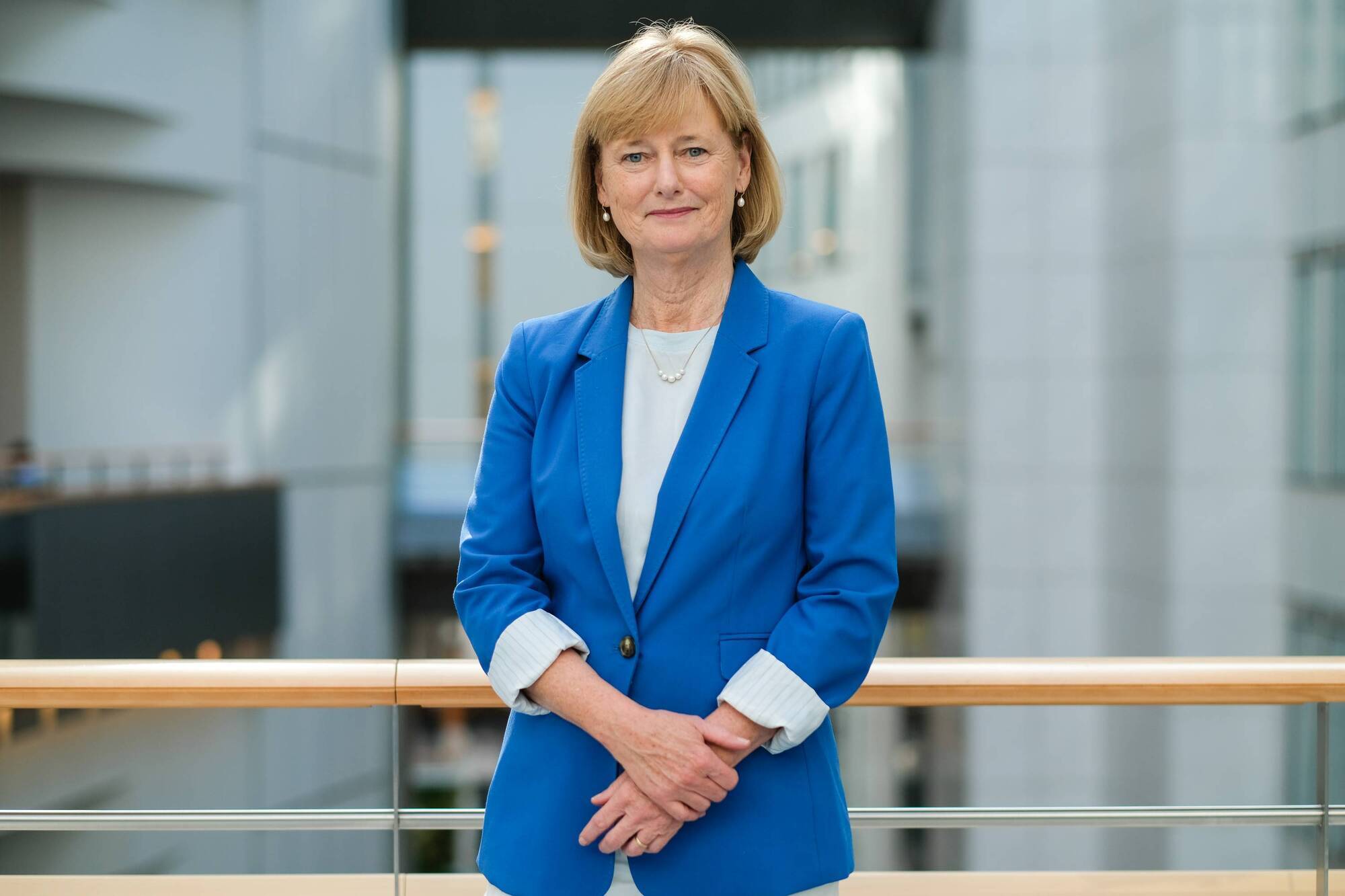
Deirdre Clune: Disinformation is not a new problem, but it has taken on a particular aspect during the Covid pandemic.
A number of vaccines for Covid-19 are currently being developed for use across the world and it is heartening to see images of people starting to receive it. The European Medicines Agency (EMA) is expected to authorise at least two vaccines before the New Year, and it is encouraging to know that a national vaccination programme is ready to be rolled out. The vaccine will help return some sort of normality to our daily lives by next summer.
In order for such a vaccination programme to be successful people must be willing to get vaccinated. The Department of Health says their research tells them that many of us have already decided (45%) that they will definitely or (28%) will probably take the vaccine when it is offered. There will be questions asked and clear answers must be given surrounding the safety and effectiveness of the vaccine.
The HSE and the Department of Health are currently preparing an information and communication campaign aimed at addressing the many questions and concerns that will undoubtedly surface in the coming months. It is really important that we develop trust in the vaccine, the science behind it and that we are clear about the authorisation process. It is also critical that disinformation or plain untruths are dispelled.
Disinformation campaigns against the vaccine will develop particularly in the online space and I believe that the relevant authorities at EU level and in Ireland must act against these campaigns. Every effort must be made to be vigilant and proactive to counteract disinformation. Actions such as those we saw against the myths and on truths surrounding Covid-19 earlier this year are needed again.
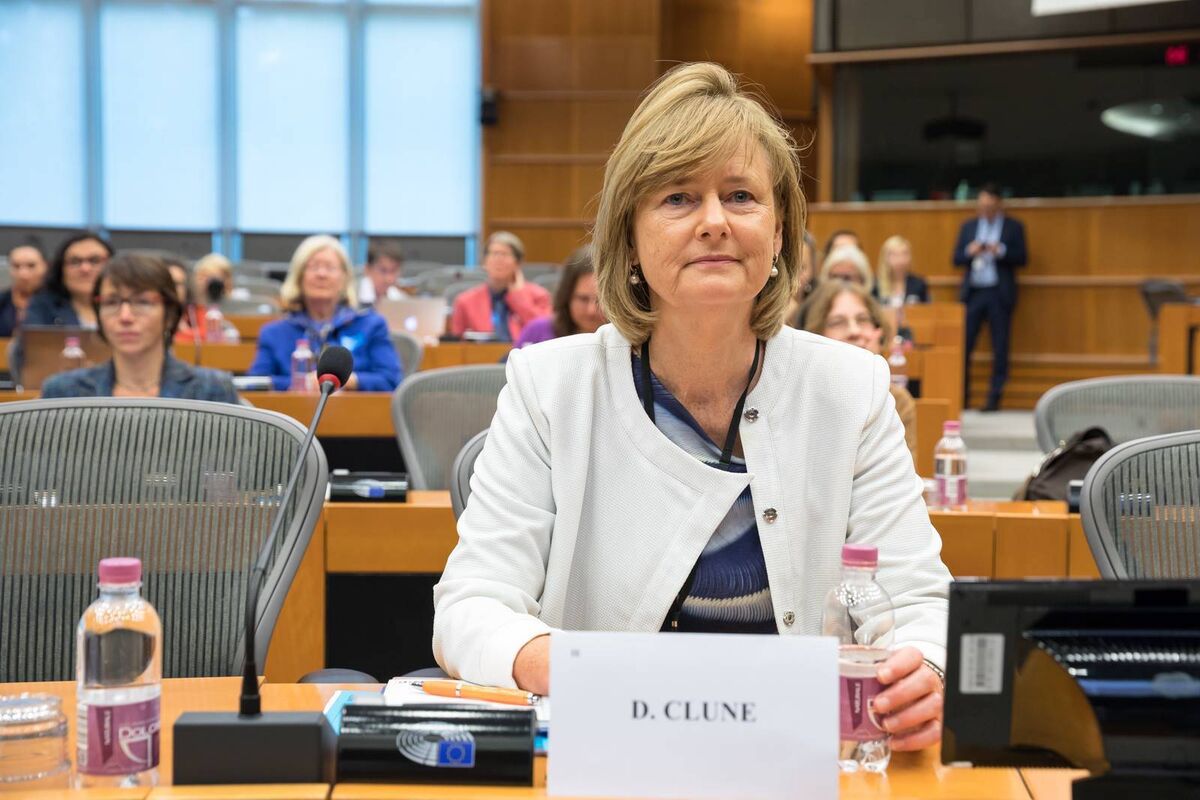
The use of online space has changed the way we access our news and how we engage with items of information. New technologies can be used to spread information with a speed that is unprecedented and so disinformation does and will spread rapidly.
The EU has a role to play in proactively preventing disinformation against any safe, effective and approved vaccines that may become available from taking hold and spreading across the internet. We saw this happening with various myths on Covid-19 at the start of the pandemic.
There is an EU Code of Practice in place since 2018 aimed at addressing the spread of online disinformation and fake news. This is self-regulatory and voluntary and has been signed by Facebook, Google, Mozilla, Twitter, Microsoft and Tik Tok as well as advertisers and the advertising industry. This code covers a wide range of commitments, from transparency in political advertising to the closure of political accounts and removal of disinformation.
Since June 2020 there has been much greater engagement by the Commission with these companies that have signed up to ensure they provide more accountability to the public. There have been monthly reports on activities and the latest report this month includes accounting on activities surrounding the fight against disinformation and misinformation around Covid-19 vaccines.
The platforms reported that they have increased their efforts in working with public authorities and international authorities like the United Nations and the World Health Organisation to increase public awareness around the vaccine and to build capacity to tackle disinformation. They have also updated their terms to include vaccine disinformation as terms for removal of content.

But still more needs to be done. This week the EU launched the Digital Services Act which will allow the Commission to take action on disinformation – especially how it spreads on big online platforms. These platforms will have to become more transparent for advertising, introduce risk mitigation techniques, have self or co-regulatory regimes in place and adhere to a code of conduct. This is one way of addressing misleading information that is proposed in the Digital Services Act. If these platforms do adhere to these rules or breach them, they can now be fined for allowing disinformation by the EU Commission.
As part of the move against disinformation and the desire to empower citizens to establish the facts and truths for themselves, a European Digital Media Observatory (EDMO) was established in June this year. It is to operate as a hub for all who want to check facts, from individuals to media to policymakers to academics. The EMDO is to establish a public portal aimed at increasing awareness and building resilience to online disinformation and with a governance structure completely independent from public authorities including the European Commission.
The Covid-19 pandemic exposed the danger of misinformation in the context of public health and safety, especially with regard to online platforms. We witnessed a massive wave of false or misleading information, hoaxes and conspiracy theories. The pandemic also highlighted the importance of independent, fact-checking journalism and the media’s important role of informing the public with verified reports.
In March 2020, 40 million problematic posts related to Covid-19 on Facebook were identified with warnings placed next to them, according to the company. Hundreds of thousands of pieces of misinformation about the virus that could lead to imminent physical harm were also removed. Meanwhile, 19 million out of nearly 50 million tweets related to Covid-19, analysed by Artificial Intelligence, were deemed to contain ‘manipulated content’.
Each day we hold a world of information in our hands, we can search for something in just a few seconds. That access to information is fascinating and powerful but it also means that misleading information can find its way to us more easily. Now more than ever, we need to be aware of misinformation, how to recognise it and how to protect ourselves from it. In the time of a global pandemic, the wrong information can be very dangerous.

It is important to get our news from reputable sources, to check if more than one new source is carrying the story, comparing offline and online for example. We should not be afraid to challenge disinformation or the spread of it – even among family or friends, especially on our own social media and communication apps. This crisis has demonstrated the role of free and independent media as an essential service. Citizens need reliable, fact-checked information, this helps save lives.
Disinformation is not a new problem, but it has taken on a particular aspect during the Covid pandemic. We spend more time online than ever and we are constantly in search of updated information. Remember, facts tell, stories sell – we should not allow ourselves to be taken in by stories without facts behind them even if they sound more interesting.
We need to get the facts right to protect our democracy and, in this case, to protect our health. The development and uptake of safe and effective vaccines is a priority for Ireland and Europe, and we must ensure that we do all we can to empower people to get access to the true facts. That is the only way to build confidence to build trust and ultimately to protect our communities from the virus.