Easy steps to putting a healthy routine back into our daily life

“As we face into the winter months and continue to live with Covid, there is a need for all of us to start putting a healthier routine back into our daily life.” Picture: iStock
With less than six weeks to Christmas and long winter evenings ahead we could be tempted to stock up on sugary foods and drinks and let our fingers do the walking with screens and remote controls at the ready.
So how do we keep ourselves and our family on track to ensure we stay healthy and well this winter season.
food, the State agency for promoting food safety and healthy nutrition, has launched a new campaign as part of their START initiative which offers support to families and encourages parents to start making ‘small changes’ to their children’s diet and lifestyle to start them on their way to a healthier life.
The message is simple - when it comes to raising healthy kids, big wins start with small changes.
“In developing the campaign we spoke with parents, health professionals, parenting experts and policy makers to develop tools and support for parents”, says Dr Marian O’Reilly, chief nutrition specialist at food.
The Covid-19 crisis was she said having a detrimental impact on children’s eating habits and sleep patterns.

“Our recent survey found 49% were eating more unhealthy snacks or treats, 54% were less active and 67% were engaging in more screen time. Parents told us Covid-19 in the beginning had eclipsed concerns for all other matters but she said parents now by and large are prioritising ‘family time’ to ensure their children are protected, happy and healthy and they welcome support especially on things like how to moderate screen-time, given the role it placed during the initial lockdown.
“As we face into the winter months and continue to live with Covid there is a need for all of us to start putting a healthier routine back into our daily life.”
A good place to start Dr O’Reilly says is by looking at our sleep routine.
“Research shows us that sleep is central to a child’s health and wellbeing. Children of different ages need different amounts of sleep and while there are no exact amounts, in general, children aged between five and 12 need at least ten hours of sleep – this of course can vary between children. Research shows us that once everyone gets a good nights sleep then that automatically helps to create a calmer environment in the home.
“I think parents in general realise the importance of good nutrition in their children’s well-being but many find it difficult to know where to begin. The START campaign is about making one small change in the right direction each week so you choose one thing to change in your home and make daily wins.”

Dr O’Reilly says the important thing is to be realistic about what your family can do.
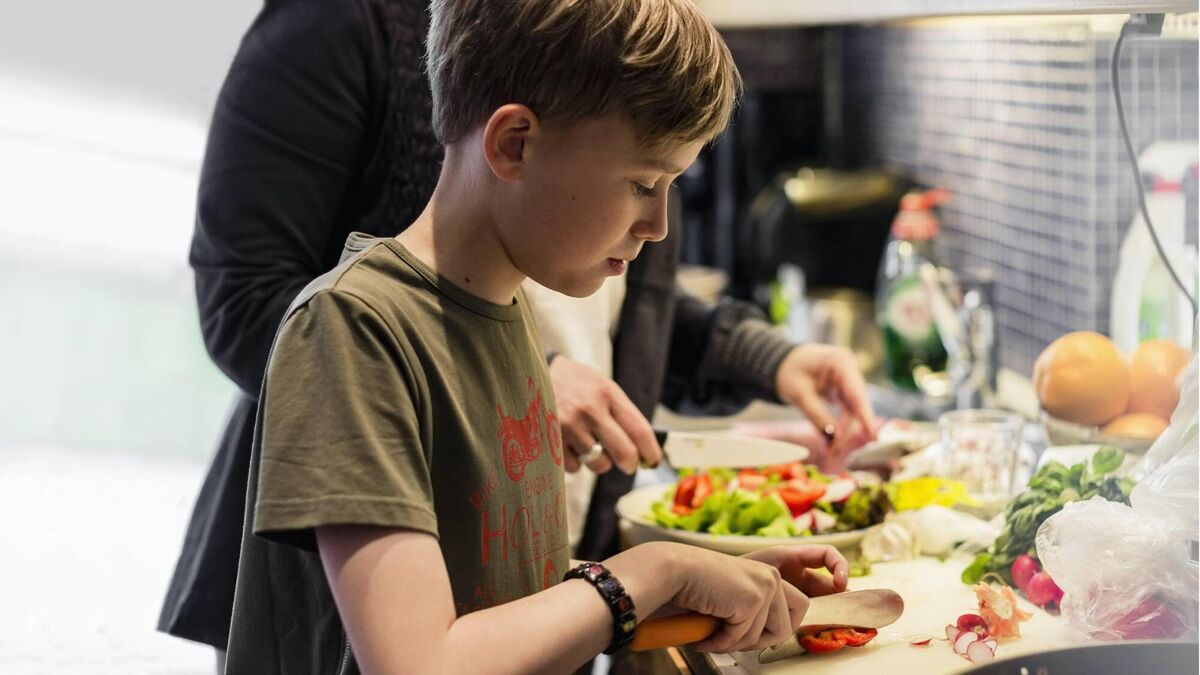
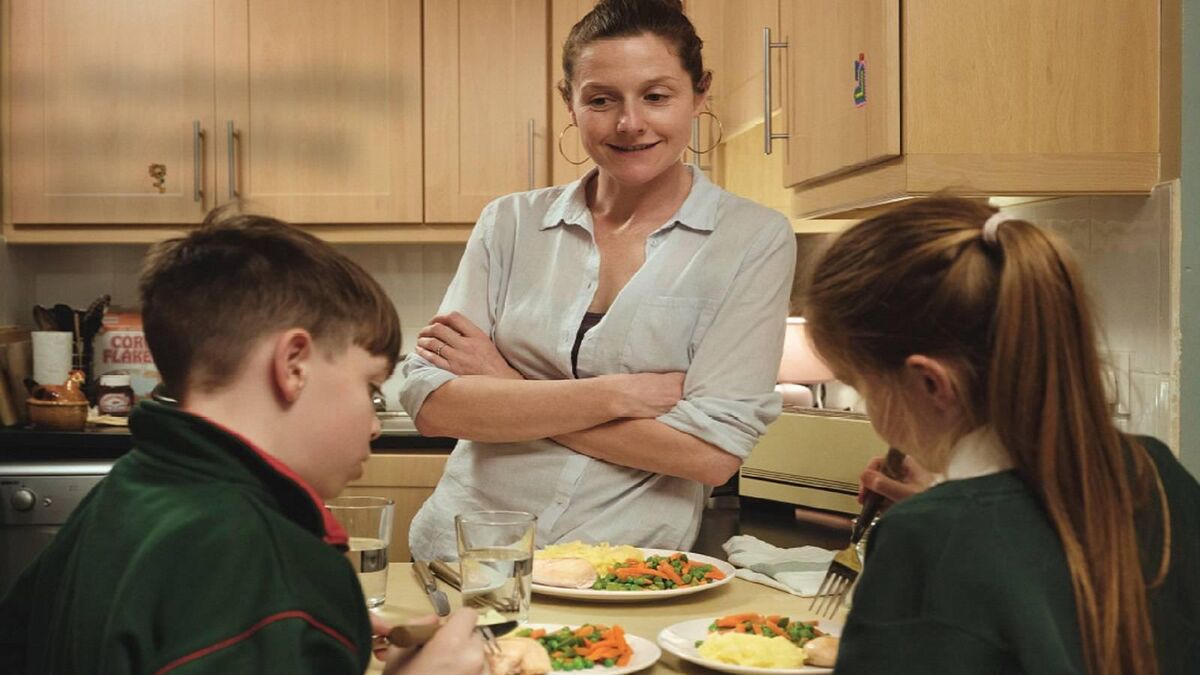
It could be something as simple as changing from a sugary breakfast cereal to a wholemeal breakfast cereal on weekdays or drinking water or milk with dinner instead of sugary drinks. It could be turning off the TV one hour before bed each evening, getting kids involved in mealtimes, trying out a new vegetable each week.
“It really is about what suits you as a family so it is important to discuss it and decide as a family to do this and to stick with it. Have healthier snacks like popcorn or fruit slices when you sit down to watch a movie instead of crisps and sweets – these changes sound small but each change makes a difference.”
Research tells us that approximately 20% of what children eat is ‘treat foods’ like crisps, biscuits, chocolate and sweets providing next to nothing in the way of nutrition. When children fill up on treats, they don’t have room for more nourishing foods.
“When we look around us we realise treats are seen as ‘everyday foods’ ... we need to help our children understand that treats are just that – treats – something special to be enjoyed occasionally."
Dr O’Reilly reminds us we can all do with enjoying an apple as a snack more often and that children will do as we do so if your child sees you enjoying a piece of fruit as a snack they will be encouraged to try one too.
It is she says about setting the limits and sticking with them. Screens are a part of family life now - from schooling, to staying connected and for entertainment. What is important she says is that they don’t prevent us from getting the family physically active during the day. Once again it is about balance.
The START campaign advises that parents try to avoid screens completely for Under-2s and keep screen time for 2- to 5-year-olds to one hour each day. For children over 5, it is important to have clear limits. A good guide is no more than two hours each day.
“Our parenting experts tell us it really is about setting a goal. Start small, you can build on this over time. Set limits and keep screens away from bedrooms and make mealtimes screen-free. With older children talk to them about the risk of screen time and what is acceptable and unacceptable. And again lead by example. Children learn from the adults in their life”.
Most important she says is to be active as a family and take this time to make small changes together so you and your family are on your way to leading a healthier life.