Irish trawler crews haul ashore 400 tonnes of litter
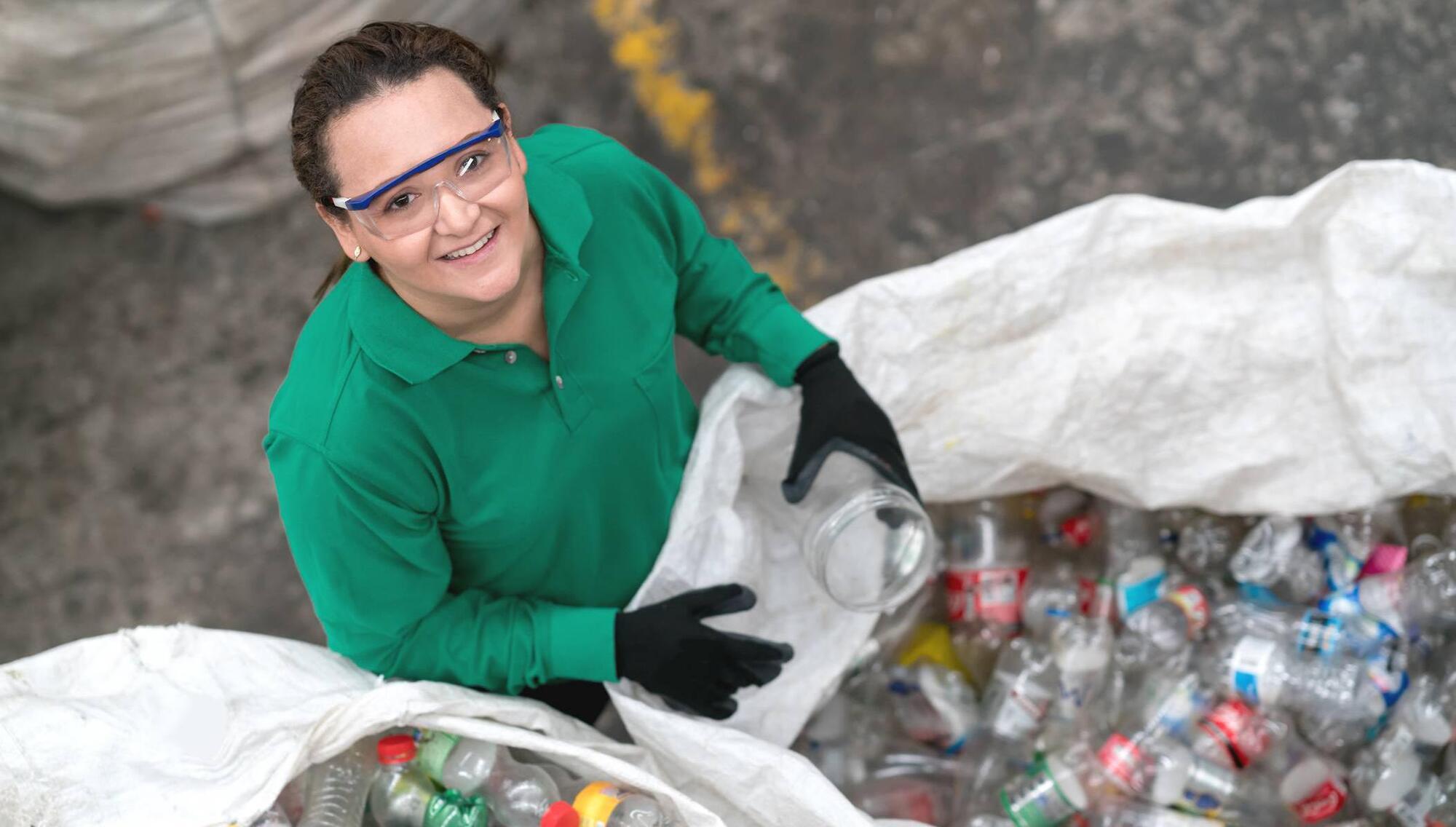
A significant step has been taken to protect marine life with the huge volumes of plastic waste removed from the seas by Ireland's fishing industry.
Imagine two Statutes of Liberty standing side by side in New York. Now imagine that they are both made up entirely of waste plastics.
That will give you a sense of the level of environmental commitment that it has taken for people working on Irish fishing vessels to help reduce the enormous threat that pollution represents for marine life globally.
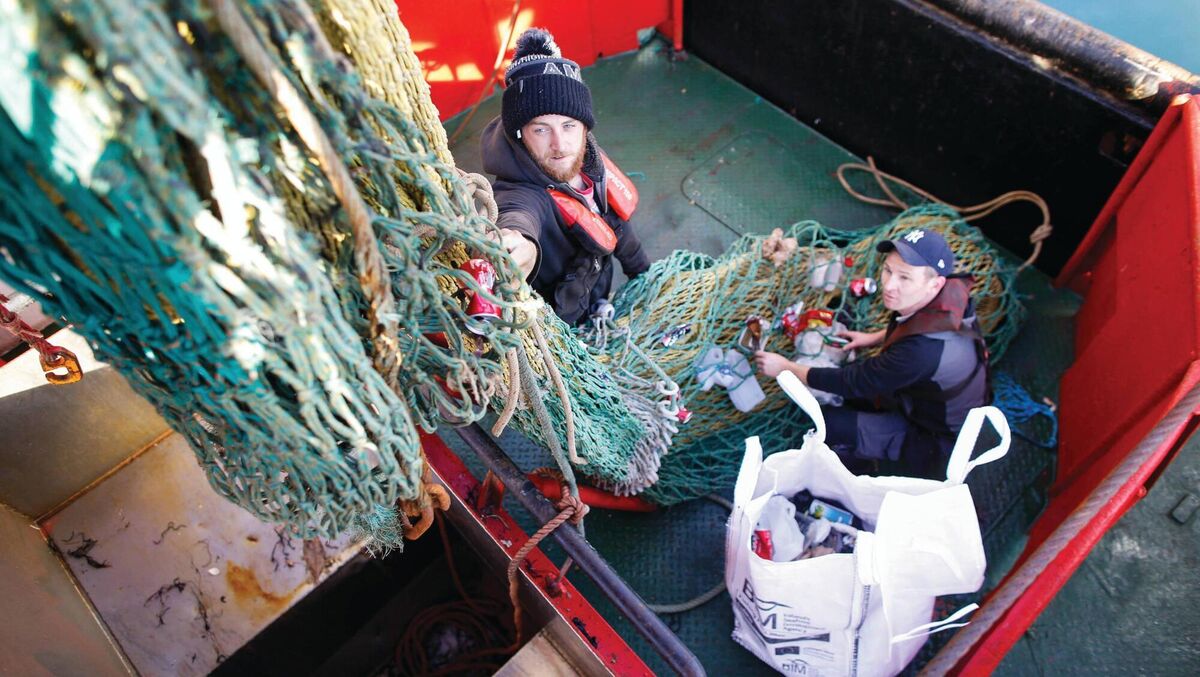
Fishermen in Ireland have hauled ashore nearly 400 tonnes of marine litter in their fishing nets since 2015 under the campaign. That’s equivalent to two Statues of Liberty; 300 cars or one Endeavour space shuttle!
The EU is working with groups in communities in Ireland to address environmental challenges. To show what can be accomplished, the European Commission Representation in Ireland has compiled a series of Irish environmental success stories, tales of actions taking place around the country.
This article is the second in a series of stories promoting positive environmental actions in Ireland, in which the European Commission in Ireland is showing the work that has been done by people living in Ireland to engage with and try to protect their natural environment.
The European Commission is committed to delivering a Green Deal for Europe: a package of far-reaching reforms and new policy initiatives to make the EU the world’s first “climate-neutral continent” by 2050. It will make the EU’s economic recovery sustainable and inclusive.
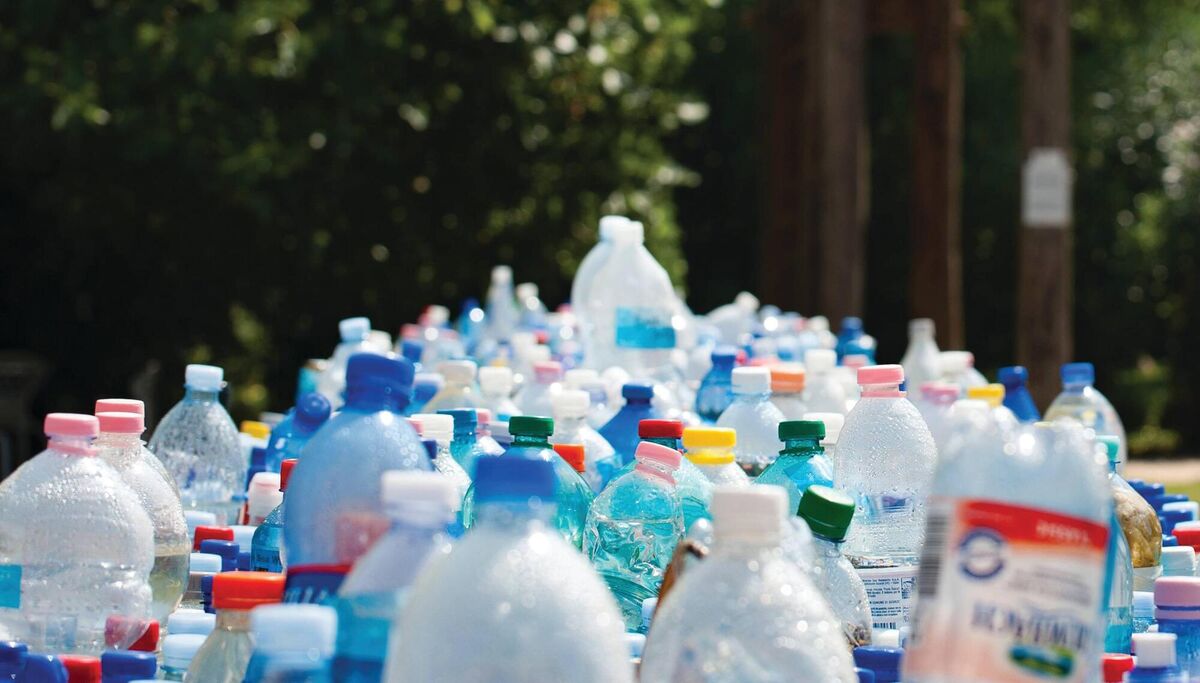
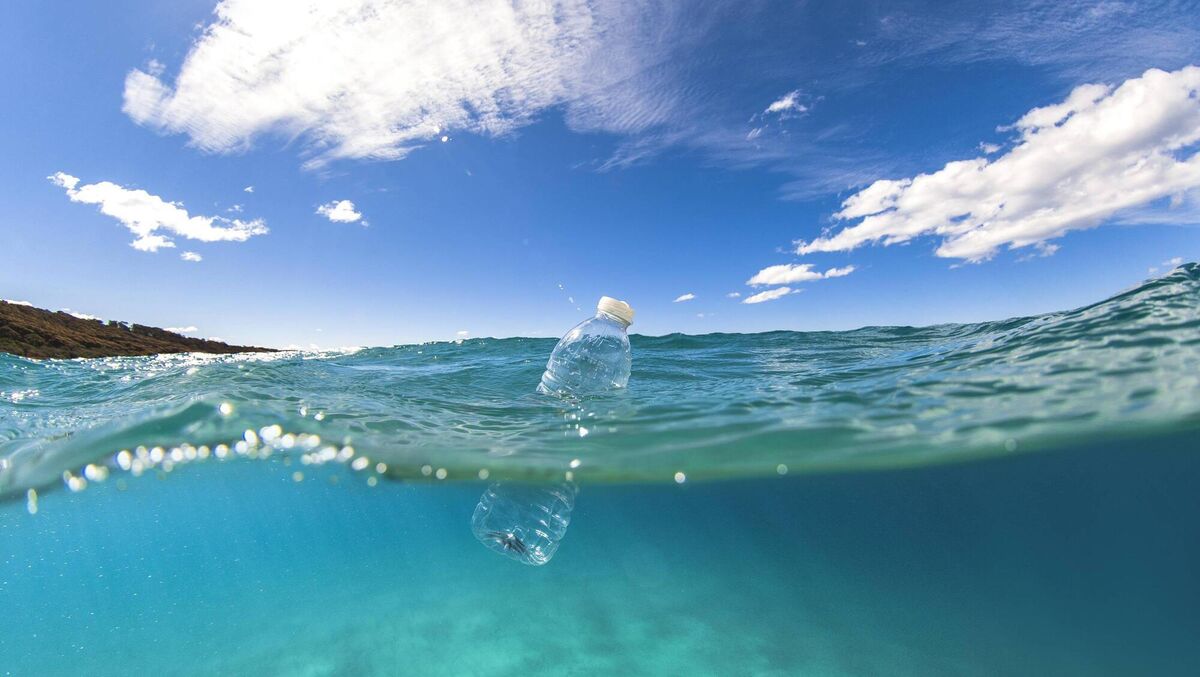
In the case of tackling marine pollution, of course, Irish efforts are literally a drop in the ocean. Protecting marine life is a global challenge in which more and more nations are now seeking to play their part. Waste plastic is the biggest threat to marine life globally.
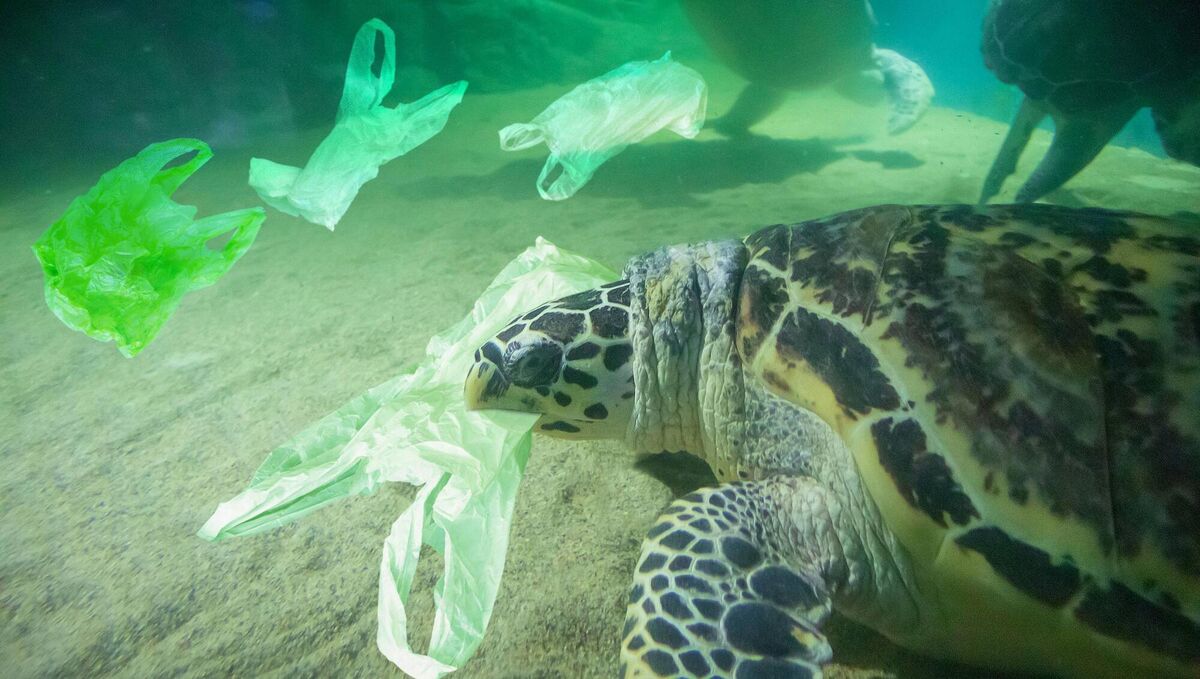
“Up to 80% of marine waste is made up of plastic, which doesn’t fully break down,” says Pauline Ní Luanaigh of Bord Iascaigh Mhara. “It’s growing in volume and threatening our oceans and shorelines.”
Fishing for Litter aims to reduce waste in the oceans by giving fishing boats reusable bags to collect plastics, debris and other marine litter that gathers in their nets during their normal fishing activities. They unload the bags of litter at the port, which is then recycled or disposed of on land.
Bord Iascaigh Mhara (BIM), Ireland’s seafood development agency, is leading the voluntary Fishing for Litter scheme in Ireland, as part of the wider Clean Oceans Initiative. This helps to address the serious problem of marine waste in our oceans.
“BIM works closely with members of the fishing and wider seafood sector to help reduce, retrieve and reuse marine litter.”
“The scheme aims to raise awareness of the need to protect Ireland’s marine environment against the serious problem of plastics and other waste in our seas.”
The Clean Oceans Initiative and Fishing for Litter campaign are funded under the European Maritime and Fisheries Fund. The scheme underpins EU legislation supporting the protection of the marine environment under the Marine Strategy Framework Directive.
The project has expanded from the original scheme in the Netherlands, to a Europe-wide strategy.
“The fund provides on-board storage facilities and on-shore infrastructure for disposal of all waste recovered at sea. With 224 boats and 12 harbour ports registered, Fishing for Litter has helped to bring about more awareness and industry engagement.”
BIM has also collected more than 700 tonnes of old or damaged fishing nets for recycling. Shore and pier clean-ups with members of the aquaculture sector have, to date, collected hundreds of tonnes of marine waste.
The community spirit fostered by these initiatives was very evident in Cork's fishing ports. Cork County Council has encouraged a number of net recycling and fishing industry generated waste management initiatives.
By providing segregated waste reception facilities the Council aim to make it easier for fishermen to help turn their retired fishing equipment and other waste into a useful resource for recycling or up-cycling. This minimises both cost and any negative impact on the marine environment.
Cork County Council has worked on the innovative and award-winning Circular Ocean Project and is currently working in conjunction with Bord Iascaigh Mara (BIM) and the Cork Institute of Technology’s Clean Technology Centre in order to design and develop a sustainable waste reception system for fishing vessels.
This series of 'Green Deal for Europe' stories illustrates what communities can achieve with the help of the European Commission.
ec.europa.eu/ireland/12-stories
“In leading this green transition by example, we can help convince other countries to move forward with us to a safer and more prosperous future,” said Gerry Kiely, Head of the European Commission Representation in Ireland.
There are many great stories north, south, east and west of the country that demonstrate the commitment of the Irish public to preserving their natural environment. The Green Deal will serve to strengthen and build on such efforts.