Deeply rewarding careers await in nursing and midwifery
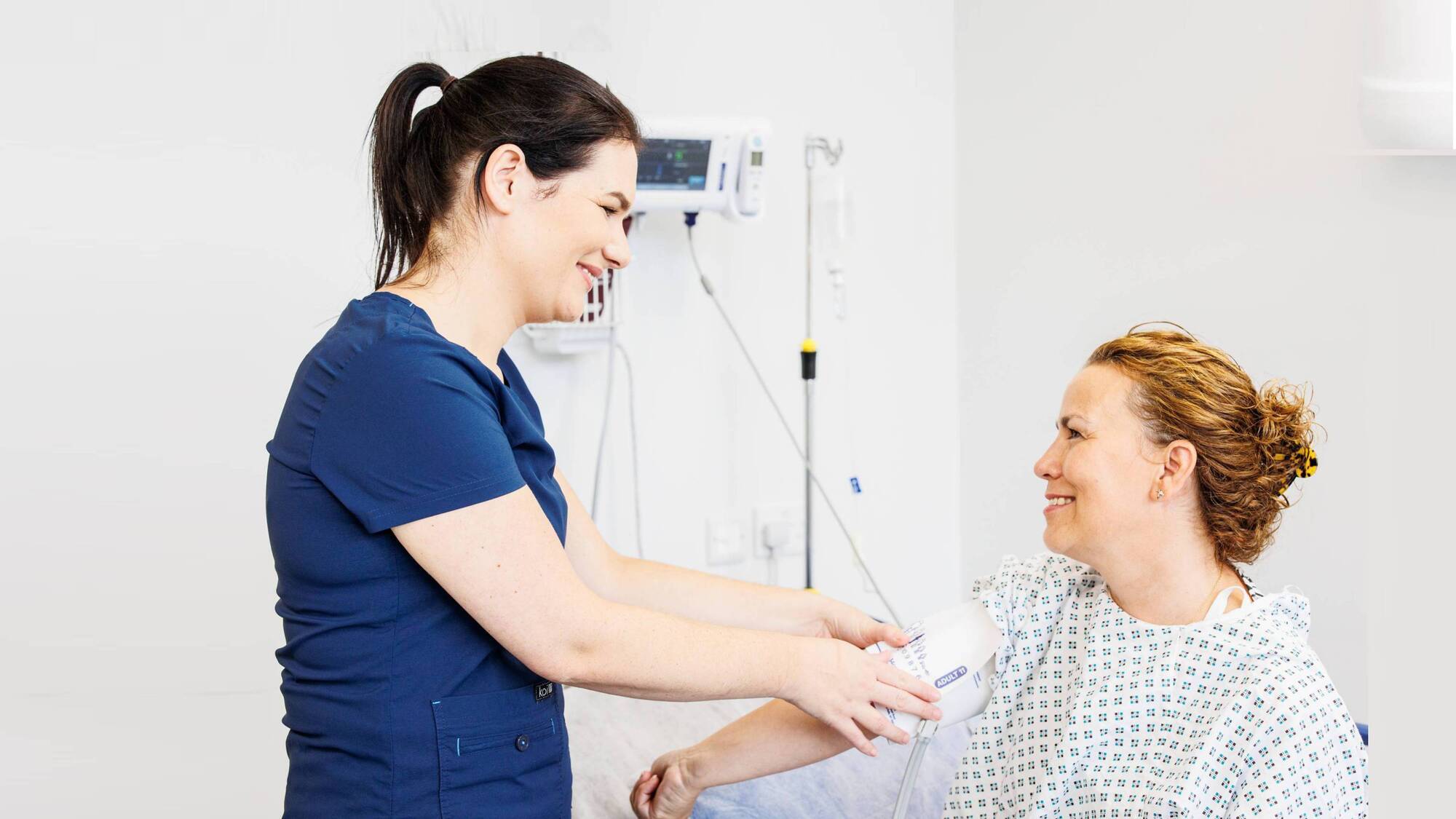
Nurses and midwives who want to navigate career transitions can move into specialist practice, leadership roles, or new areas of care. Photo: Courtesy of HSE
Nurses and midwives find their roles hugely fulfilling, making a significant difference in the lives of the people they care for.
This has certainly been the career experience of Carolyn Donohoe, the chief executive officer of the Nursing and Midwifery Board of Ireland (NMBI), the independent statutory regulator for the nursing and midwifery professions.
In her national leadership role with the NMBI, Carolyn leads the organisation’s full regulatory remit, overseeing Registration; Fitness to Practise; Education, Policy and Standards and Corporate Services.
Appointed in 2021 as director of education, policy and standards, before becoming CEO in 2025, Carolyn brings her frontline nursing as well as leadership experience to the post, spanning critical care, education, practice development, and perioperative services management.
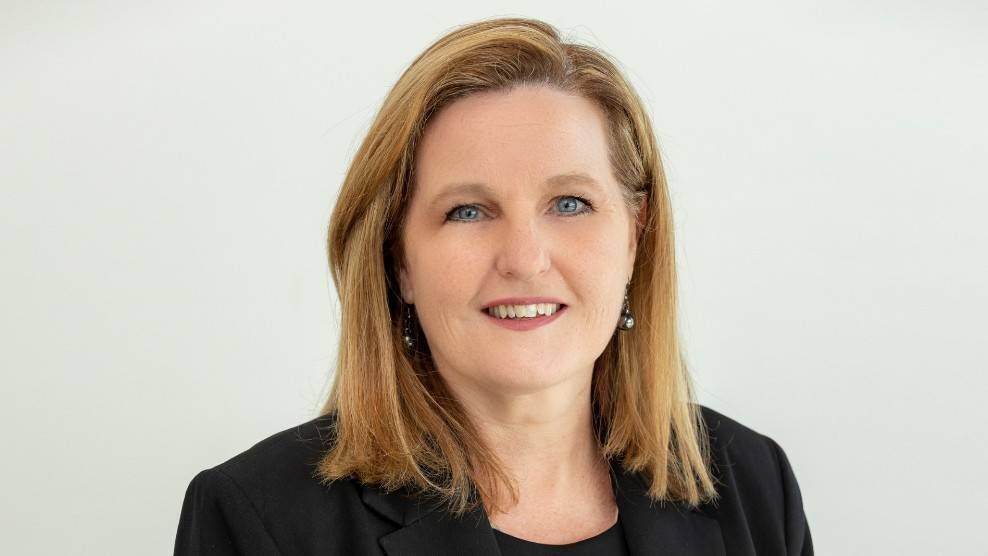
In this Q&A interview, Carolyn has postgraduate qualifications in nursing education and in business leadership and management and has been central to a period of significant change within NMBI.
Under her leadership, NMBI has pushed forward major reforms in professional standards aligned to Sláintecare, accelerated digital transformation and strengthened governance alongside its 23-member board — all with a clear goal: using agile regulation to advance safer care for the public.
I did not come to nursing straight away. Like many people coming out of school at that time, nursing was not on the CAO and I applied for a science degree. However, I quickly realised it would be a job that wouldn’t involve much people interaction, which is what I have always loved. After taking some time out, I applied and got accepted into one of the Dublin hospitals to start my training. I qualified as a nurse three years later and worked there for quite a long time.
I loved nursing from the very first week of my training. I remember thinking ‘this is so interesting – this is what I want to do, I’ve found my home’.
I feel incredibly lucky to have found nursing and to have realised that human interaction, and the connections you make as a nurse to help people to get better, to make a difference, is what I wanted to do.
For me, and for most nurses and midwives, there is nothing like that instant reward you get from helping somebody and making a genuine difference to the person you’re caring for. You also get the opportunity to travel and experience what the world has to offer, which I did and worked in several states across Australia before coming back to Ireland to settle back into my career.
I know there will be Leaving Cert students navigating through possible choices, right now, and for students with the right mix of practicality, curiosity and compassion, nursing and midwifery offer clear career pathways to make a real difference.
As well as entry to college to study nursing or midwifery through the CAO, there are alternative entry routes such as the Further Education and Training (FET) Healthcare Programme, the mature applicant route, graduate entry and the tertiary degree education programme.
Half of the programme is delivered in the classroom, with the other half delivered through simulation and out in the workplace on practice placements. This is a great way to build your learning year on year. Final year nursing and midwifery students undertake a 9-month paid placement internship designed to bring their training into real life practice. I would describe placement as the bridge from education to the frontline.
It allows students to take the theory they have learned in the classroom and apply it to real life situations with patients and learn through experience. From day one, new graduates are eligible to register as professional nurses and midwives and start working.
NMBI has recently developed a new set of standards for undergraduate nurses and student midwives, and from 2027, students will spend half of their practice placements in community settings. This is to ensure that graduates are well prepared for roles across hospitals and primary care, reflecting the broad opportunities available in modern healthcare.
There are fantastic career avenues for nurses and midwives, from clinical, education, research, management and leadership roles. Whether its frontline, specialist or advanced practice, there are pathways to keep on developing and progressing in your clinical role. Working as part of the multidisciplinary healthcare team is a key component to the success of these roles. Being able to move and change roles is a definite plus for these professions and you are encouraged to do so.
My own interest in education led me to be a clinical facilitator in the intensive care unit. My day job was teaching both at the bedside and at the university. I taught nurses new to ICU the knowledge and skills needed to become competent in this high-tech specialist area. I loved that time in my career when I was not just delivering care; I was also teaching more junior staff how to deliver it.
Education, teaching and learning are exciting parts of the professions. They are about empowering the next generation and empowering patients and the Irish public to take more control in their own health journeys. For nurses and midwives who are interested in furthering their careers there are a wide variety of management opportunities, which some people will really love because they are motivated to support staff in doing the best job they can, manage resources and healthcare logistics, and most importantly help patients and their families to better navigate difficult times.
Nurses and midwives who move away from the bedside can continue to make a real difference in other parts of the professions, whether through the delivery of education, as a researcher, in policy development, in the wider healthcare industry or in regulation.
There are a range of options available for nurses and midwives who want to navigate career transitions, whether that is moving into specialist practice, leadership roles, or new areas of care.
The day you get on the register is Day One, the day your career starts. As a nurse or midwife, you need to be a problem solver and an advocate for your patients and the public.
It is vital that you continuously update yourself to make sure that when the next patient comes in, you are up to speed with the latest information and evidence to keep them safe. That is the continuous lifelong learning element within healthcare professions that some other professions may not have.
It is extremely helpful for nurses and midwives to move around and learn from different perspectives. That is how you grow as a professional and continue to make a difference.
Of course, I would also say get to know about NMBI, the profession’s regulator, and the Code of Conduct and Ethics, this is the best way to keep your practice and your patients safe.
And most importantly – enjoy it.