Staycation in the soulful Midlands, Ireland’s spiritual centre
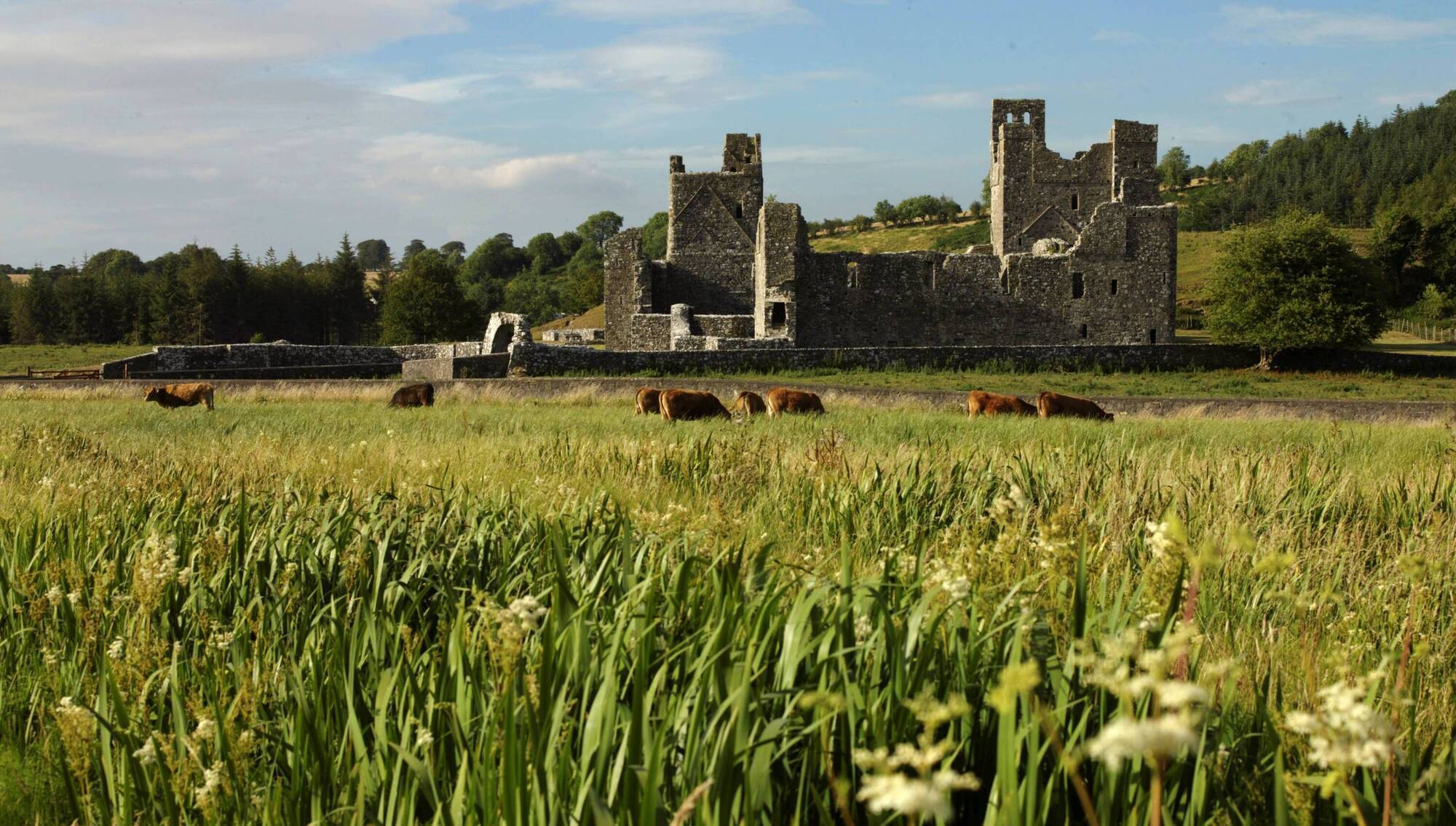
Fore Abbey, Co Westmeath. Photo: Chris Hill, (c) Fáilte Ireland and Westmeath County Council
My years as a young altar boy sparked a lifelong passion for religious buildings. Nothing excited me more than visiting my grandparents in Longford town because their home sat opposite the cathedral. Dedicated to Saint Mel, a nephew and companion of Saint Patrick, I felt it was one of the most impressive in the country, thanks to its limestone portico, frieze and 200-foot-high bell tower.
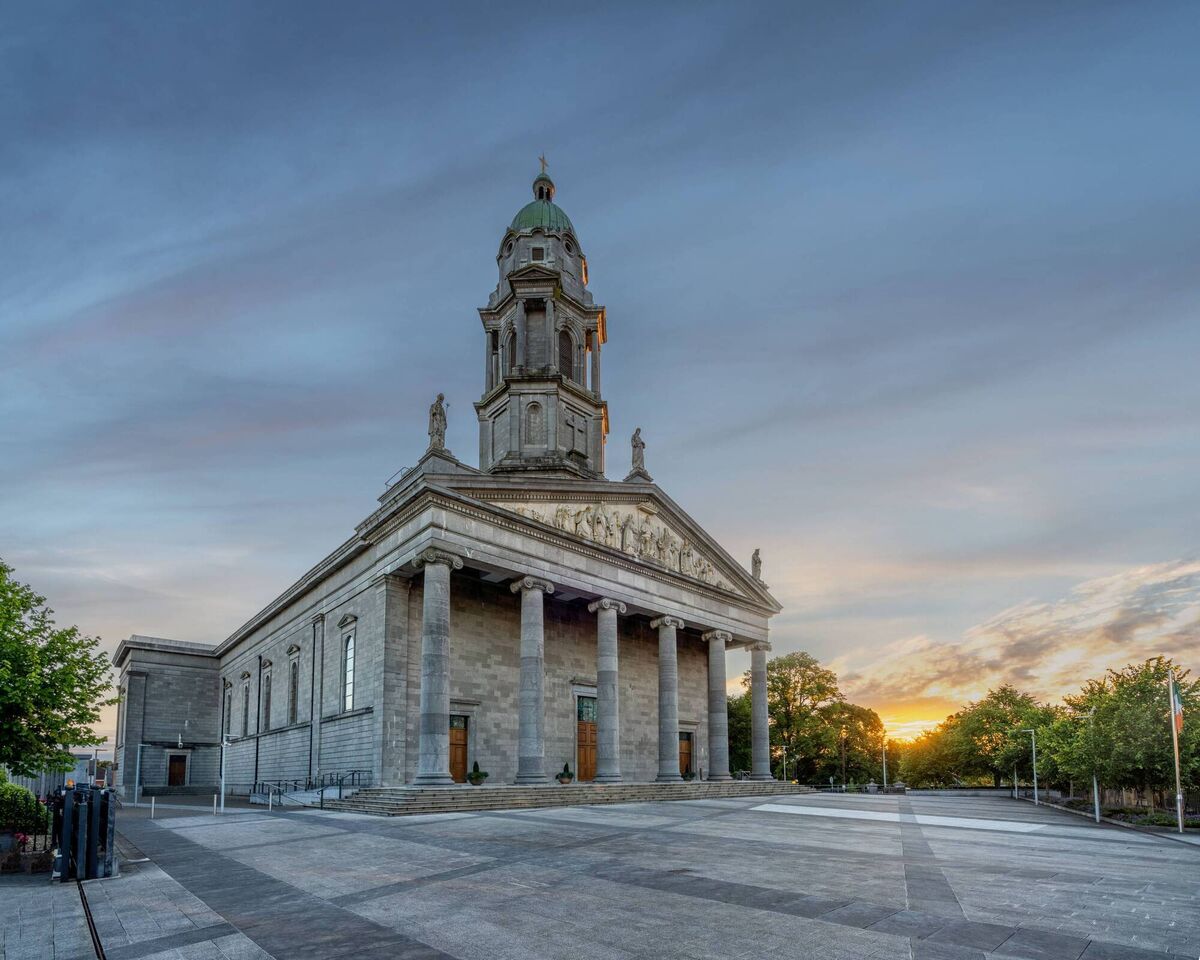
My mother invented a game for my siblings and me: as we approached Longford, the first person to spot the mid-19th-century landmark had to sing, “I see the cathedral and the cathedral sees me!” The winner received a prize of 50 pence—a tidy sum for youngsters back then.
When my grandfather died, Granny moved to Dublin, ending our monthly trips to the town. To my shame, it took me 30 years to return to Longford, and when I finally stepped through the doors of St Mel’s again, I discovered a space that had been entirely reimagined. A fire in 2009 devastated the cruciform building. The roof was destroyed, the floor collapsed and the limestone columns supporting the structure were severely damaged. Many treasured possessions housed within the museum were also burnt, notably St Mel’s Crozier, a thousand-year-old relic.
Extensive renovations, costing over €30 million, followed. While admiring the results, I noticed new additions, including a Carrara marble altar and pipe organ. The modern stained-glass windows, designed by the Dominican priest Kim En Joong, beautifully complemented the two masterpieces by Harry Clarke that were miraculously salvaged, and restored after the fire. I sat on a pew, as I’d done countless times before. On this occasion, the atmosphere felt more peaceful than ever, emphasising why travellers are increasingly drawn to religious buildings and sites. Regardless of your faith—or lack of it—these spaces promote contemplation and reflection, serving as a refuge from the chaos that dominates today’s news cycles.
Spiritual tourism is flourishing worldwide. Here, our pilgrim routes and sacred sites have long been frequented by saints and sinners alike, and now, centuries later, they’re being rediscovered by a new generation. Some want to broaden their faith or encourage personal growth, while others are keen to improve their fitness, embrace centuries-old history, architecture and culture, or deepen their connection to our land. While destinations like Knock, Croagh Patrick, Glendalough and Lough Derg have always attracted crowds, the four Midlands counties — Longford, Westmeath, Offaly and Laois—are becoming increasingly known for providing a fertile ground for spiritual and religious exploration.
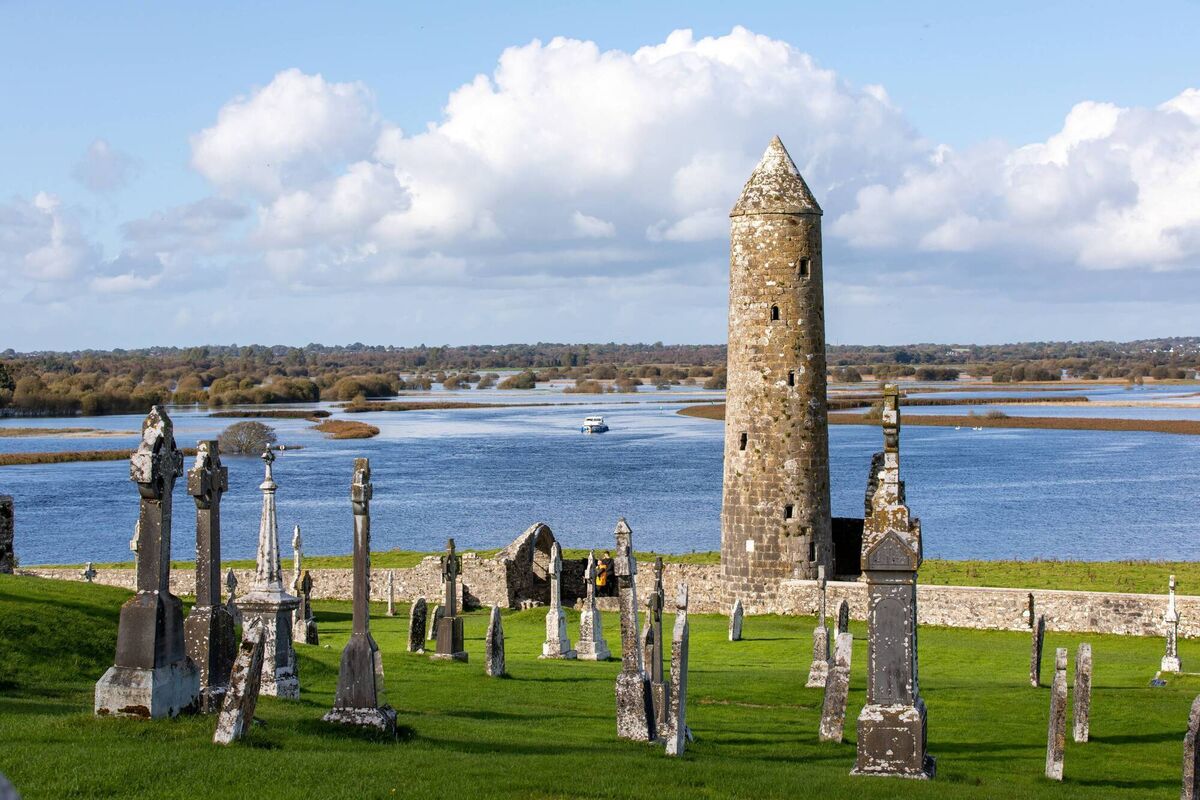
Paddy Mathews, head of Ireland’s Hidden Heartlands at Fáilte Ireland, tells me that the Midlands is popular with visitors because the region offers “a rich mix of early Christian, monastic and sacred landscapes”. These include the historic cathedral site at Ardagh, Saints Island on Lough Ree, Seir Kieran, the Hill of Uisneach and, of course, Offaly’s Clonmacnoise.
Situated on the bank of the River Shannon, the sixth-century monastic site has welcomed pilgrims for 1,500 years since its founding by Saint Ciarán, and it remains as popular as ever: in 2024, it attracted 118,000 visitors. Its strategic position at Ireland’s crossroads made it a prominent centre for religion, craftsmanship and trade. Education also flourished in Clonmacnoise, as evidenced by many noteworthy manuscripts written here, including the Annals of Tigernach and Lebor na hUidre — or the Book of the Dun Cow — the oldest extant manuscript as Gaeilge. In fact, some consider Clonmacnoise to be one of the world’s earliest universities.
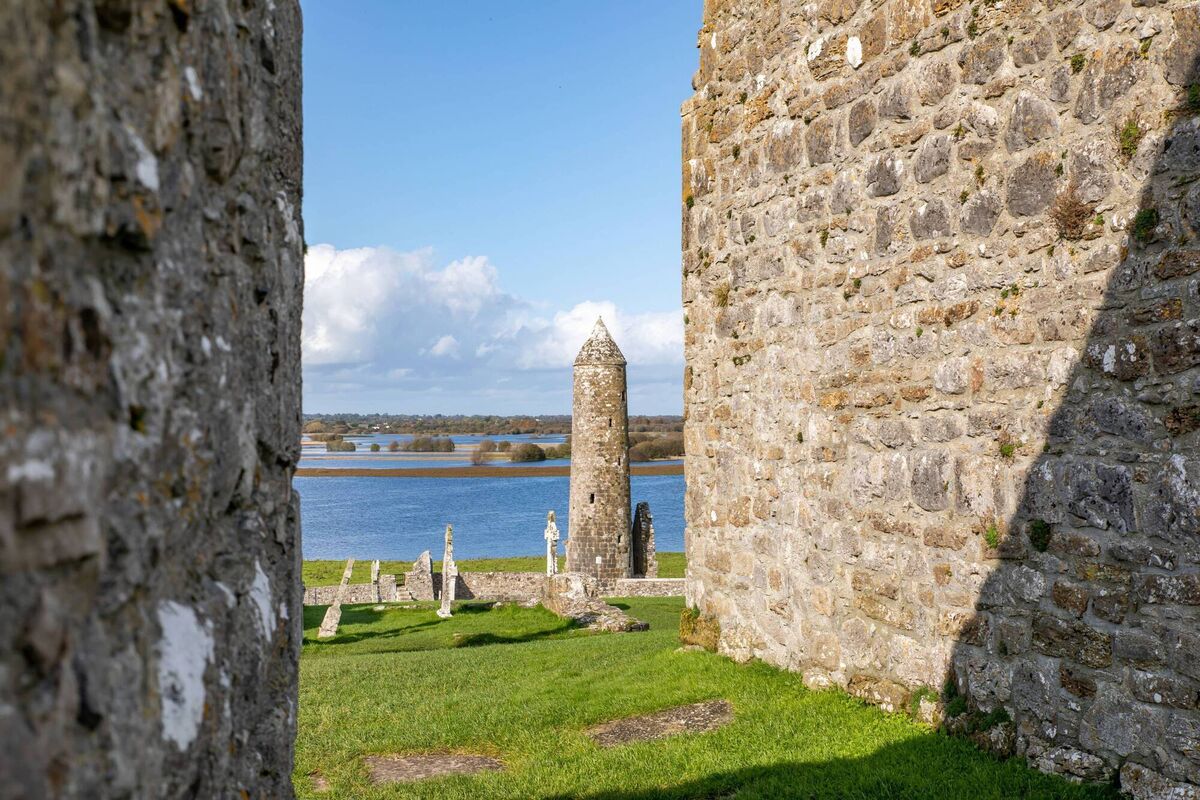
As was their wont, the Vikings and Anglo-Normans plundered it many times, but, just as the people of Longford did when their beloved cathedral was destroyed, the monks kept rebuilding it—a testament to the enduring legacy of Christianity in Ireland. Today, it comprises the well-preserved ruins of a cathedral and seven churches. Its most distinctive features are the two round towers named O’Rourke and McCarthy. Look carefully, and you’ll notice that one could sit perfectly on top of the other, indicating that when the O’Rourke tower was struck by lightning soon after construction, the materials were reused to build the smaller tower—an early example of recycling.
About 90 kilometres southeast of Clonmacnoise is Timahoe, County Laois, where another well-preserved round tower stands. The medieval structure is often regarded as the most elegant in Ireland, partly due to a unique feature. Positioned five metres above ground level is the ornate Hiberno-Romanesque style doorway, featuring carved human heads with intertwining hair. Experts wonder whether it was once used to display a sacred relic to pilgrims. Another rare feature is a carving of a Seán na Gig, a male counterpart to the better-known Sheela na Gig. Debate surrounding its presence and purpose continues — one theory suggests a disgruntled artist added the nude figure as revenge for not being paid.
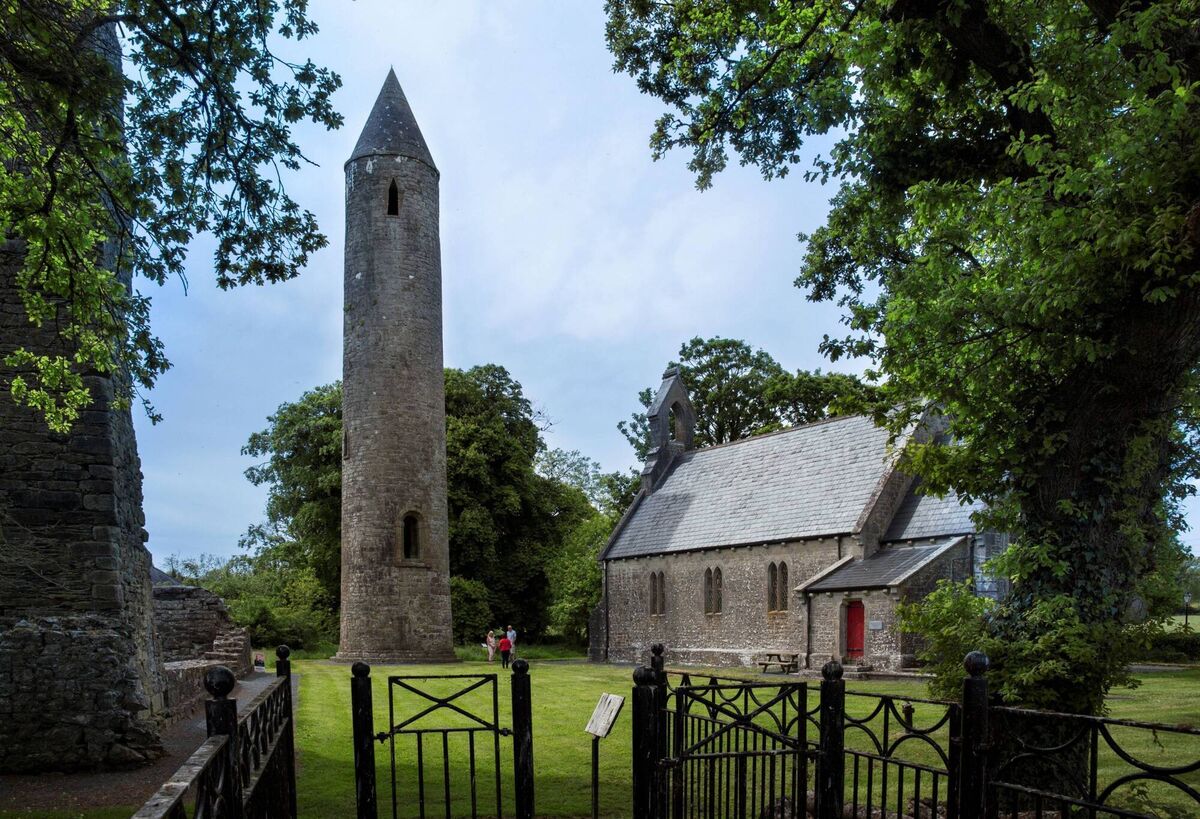
The round tower, along with its many flourishes, was a later addition to a once-thriving monastic settlement. It was founded by soldier-turned-saint Mochua in the 7th century, who initially lived as a hermit. The 17,500 travellers who visit the site and its accompanying heritage centre each year are rewarded with an anecdote explaining the modern statue on the grounds, which depicts the saint’s three pets. Acting as a precursor to alarm clocks, a full-voiced rooster woke Mochua for matins, while a mouse nibbled his ear when he fell asleep during the day. A fly also walked along the psalm’s text to ensure the holy man never lost his spot. When the trio passed away, Mochua wrote to Saint Colmcille in Iona, describing his grief. Later, the tower’s bells replaced the rooster’s role, and when they weren’t summoning monks for prayer, they were sounding the alarm about imminent Viking attacks, an era that’s remembered every June Bank Holiday with the Timahoe Heritage Festival.
Like many well-known religious sites, Timahoe is linked with miracles; here, Mochua is said to have healed two fellow abbots of memory loss and leprosy, respectively. Miracles were regular occurrences near Fore, Co Westmeath, where Saint Feichin founded a Christian monastery around 630 AD. During its peak, about 300 monks lived here, alongside 2,000 students. Today, the ruins of a 13th century abbey can be admired, but legend suggests there’s much more to uncover, so long as you keep an open mind.
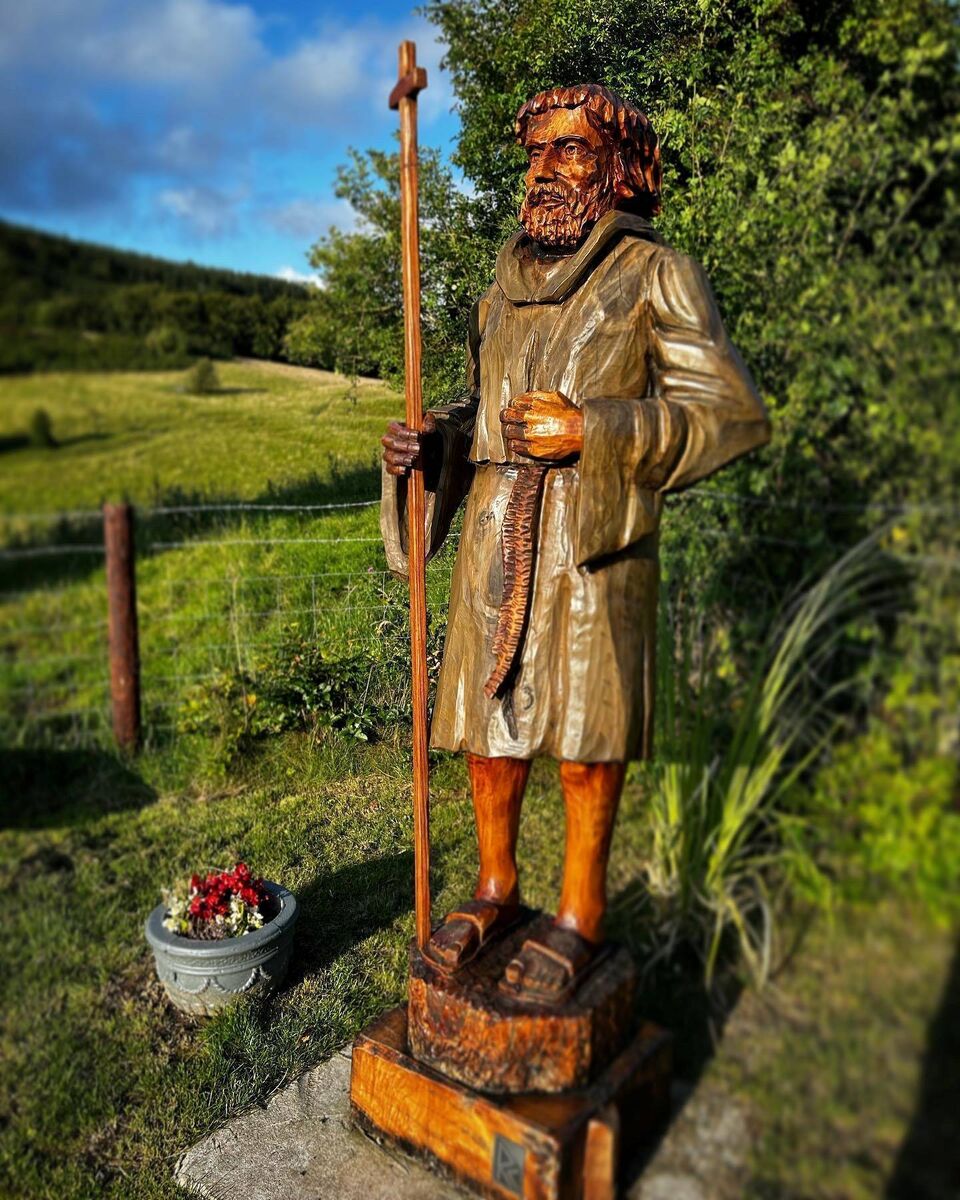
The Seven Wonders of Fore attract curious visitors from both near and far. These extraordinary miracles include the monastery being built on a bog and a lintel stone raised through Saint Feichin’s prayers alone. Although the original site was burned a dozen times by pillaging invaders, another wonder is that one of the trees won’t burn. Today, pilgrims place coins in it, giving it the name, the Copper Tree.
Other miracles include a mill without a race and water that won’t boil. Saint Feichin’s Way, a three-kilometre looped walk, allows visitors to explore the sacred site, which also includes two of the 18 Fore crosses scattered across the area. Dismiss The Seven Wonders of Fore at your peril—it’s even said that challenging them will bring bad luck. Besides, where’s the harm in believing that, occasionally, miracles can occur?