Belfast lives long in memory for globetrotting travel writer
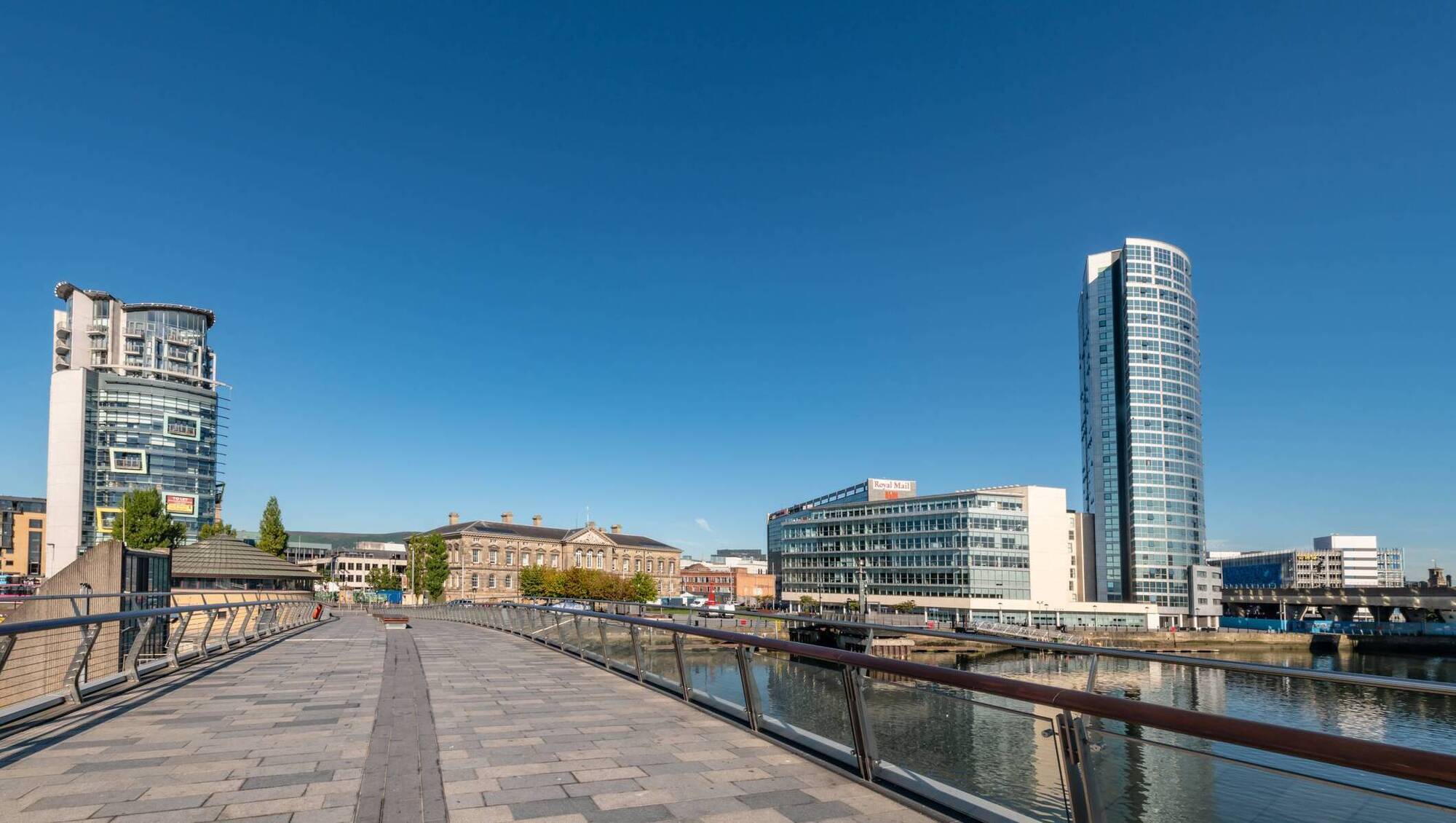
The bridge over the River Lagan in Belfast on a sunny day.
Mumbai-based writer recounts memories of multiple trips to Belfast over the years

It was past 9pm, but strangely there was no nightfall. Just a soft, golden light, stretching out into the horizon, that made everything it touched seem surreal.
As a tourist from India, I had never seen sunshine at this hour. And that remains a cherished memory of my very first trip to Belfast. That magical Irish summer scene stays imprinted in my head. With hordes of locals taking to the streets of the Cathedral Quarter, a premier cultural and nightlife venue, to catch an alfresco meal, I, on the other hand, was looking to escape the crowds.
And so, I stumbled upon a verdant walkway, filled with the sounds of birds chirping late into the night. Belfast seemed the perfect escape.
“We’re lucky to have such a gorgeous summertime,” said my local acquaintance, Fiona, before adding in typical Irish humour, “and it lasts for about a week and a half!”
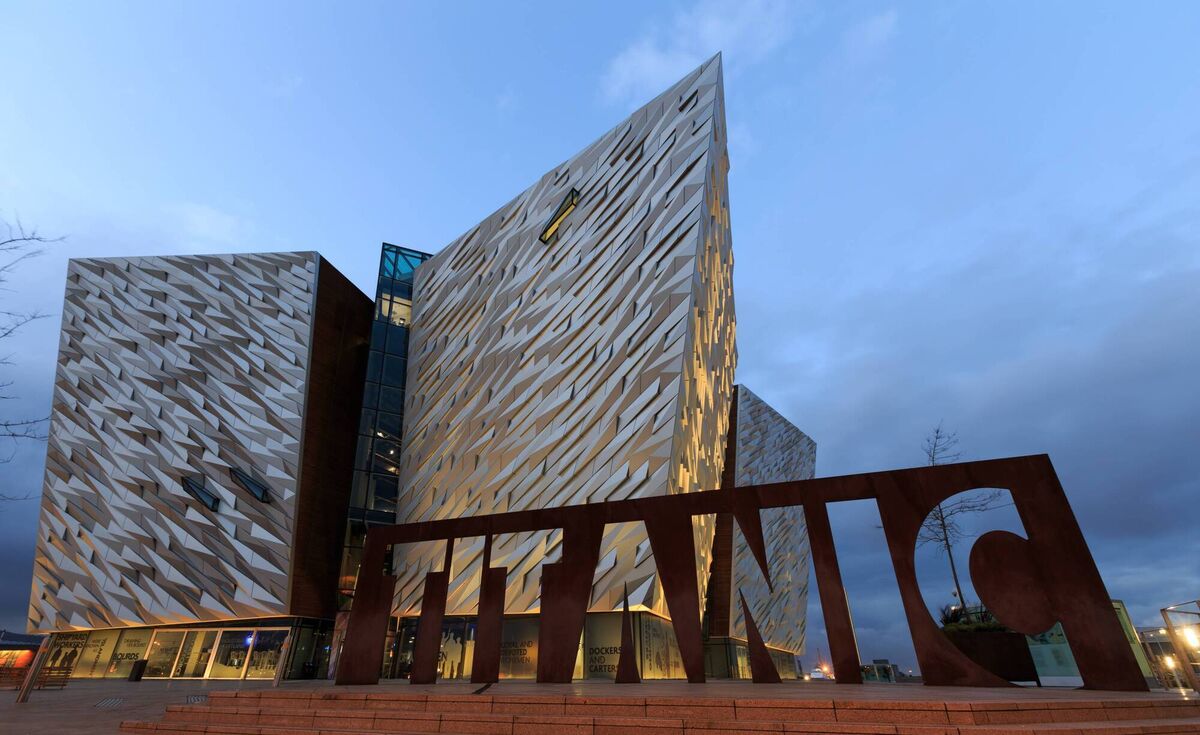
I soon learned that Belfast is a place full of treasures and contradictions. Every trip, every season, and every landmark, introduced me to a whole new side of the city. One of the most popular tourist attractions in Belfast is the Titanic Quarter. The Titanic Belfast building towers over the area, with its design featuring an angular ‘hull’ that stands at the same height as that of the ill-fated ship.
The eight-storey building sits on the site of the former Harland and Wolff Shipyard, where the RMS Titanic was born. Walk inside and you’ll hear the hammering sounds of rivets being driven into the hull to create the ship. With fabulous multi-sensory technology at play, you’ll then find yourself inside the ‘unsinkable’ vessel, complete with reconstructions of extravagant first-class passenger cabins, taking in details such as the intricately patterned dinner plates, and audio-visuals that recreate the frantic, final distress calls and fill visitors with a sense of urgency and dread.
Walk further and screens reveal the names of every person on board the Titanic. The experience is moving, as I think about the fragility of life, and yet the visit doesn't feel voyeuristic. Instead, it educates, commemorates, and openly speaks of Belfast’s shipbuilding prowess and her failures.
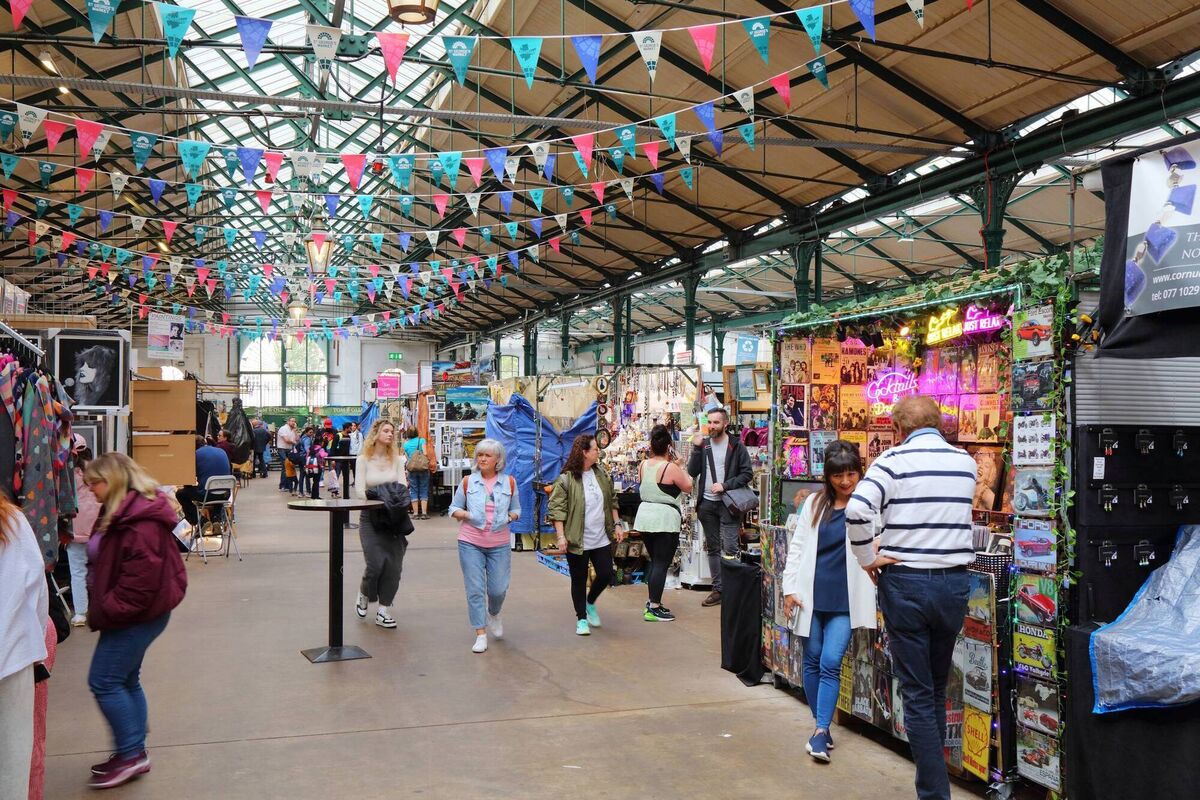
If you make it to Belfast over the weekend, you’ll get to glimpse one of Belfast’s oldest attractions – the St George’s Market which first sprung up, informally, in 1604. It was in 1896 that the red-brick Victorian building was completed, and which houses the market today.
The architecture with its aesthetic arches, decorative yet functional design, and open plan layout, reminds me of the many British-era structures in my city of Mumbai – it seems somewhat similar to the bustling Crawford Market, a heritage building that houses a functional market there. The St George’s Market, which runs from Friday to Sunday, features everything from local arts and crafts to fresh produce, from cheeses to chutneys, from chocolates to candles and more. I flit between the various stalls, and come across Celtic-inspired modern art, hand-carved figurines of leprechauns, a green top hat, tweed jackets and more. In the background, a musician plays the bodhran and brings out the traditional instruments’ versatility as it blends beautifully with rock tunes.
No trip to Belfast is complete without a deep dive into history the Troubles. The three-decade long, sectarian, often bloody conflict which claimed the lives of over 3,500 people and injured over 50,000 is captured in the city’s infamous murals. Sign up for a tour – such as the Belfast Black Taxi Tours – and you’ll glimpse some of the colourful, politically charged artwork splashed across the walls of working-class neighborhoods in the city.
My tour guide detailed the period in which the art was created, while also offering a sneak-peek into the mind of the artists. The gigantic murals are powerful, deeply political and yet personal. Anecdotes on the tour also convey the real-life experiences of those who lived through the tumultuous times.
Looking for a night-cap? Head to the Crown Liquor Saloon. It’s so ornately decorated that calling it a ‘pub’ seems a disservice. A polychromatic tiled mosaic of a crown sits on the floor and marks the entrance of the saloon. Push through the doors and wonders await - ornate mirrors, wooden columns, carved mahogany motifs, etched glasswork, gas mantels, polished brass taps, decorative windows, gunmetal plates for striking matches, an antique bell system and more. I find a quiet corner and order a Guinness, almost incongruous in such a flashy and ostentatious setting.
I come back to Belfast, time and again, because the historic city continues to change – the murals change to add recent social and political context. And what I see today may not be there tomorrow.
Unfounded legends – which sneakily evolve over the years – also add to my experience. For instance, some believe the mosaic of the crown on the floor of the Crown Liquor Saloon, is actually a mark of defiance - a subtle sign of displeasure against a constitutional monarchy. Every trip comes with new attractions, or at the very least there are new stories told in old settings. And that’s why repeat trips to this historic city never get old.