€975,000 Marmullane House is a top home steeped in Cork harbour heritage
Marmullane House, Passage West
|
Marmullane House, Passage West |
|
|---|---|
|
€975,000 |
|
|
Size |
372 sq m (4,060 sq ft) |
|
Bedrooms |
6 |
|
Bathrooms |
5 |
|
BER |
F |
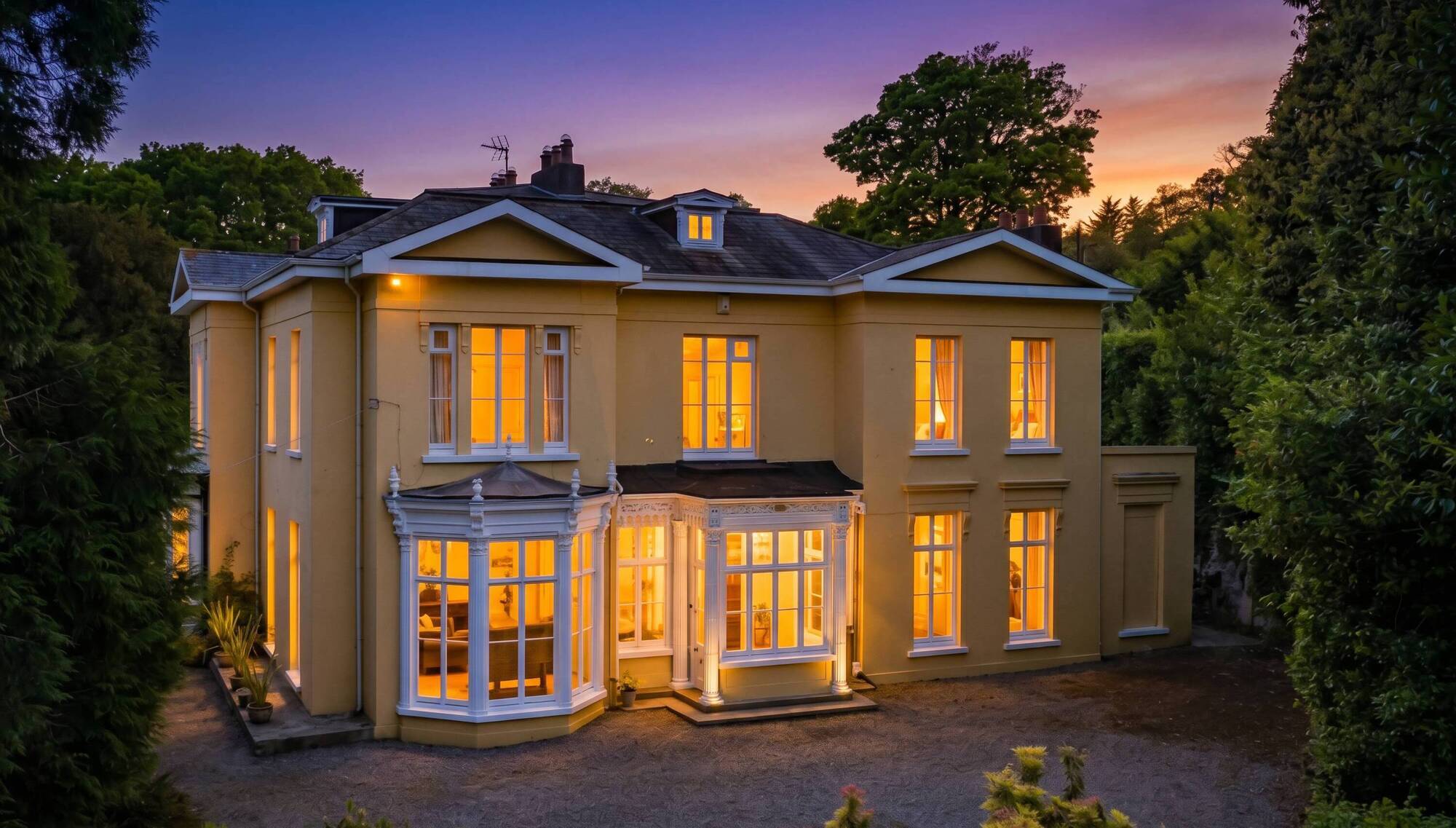
In the best shape it has been in for well over half a century, Cork Harbour’s Marmullane House is steeped in local heritage, and rich in architectural pedigree, as well as being a cherished family home, its owners rightly impressed by its past, and glad to be able to pass it on in rude good health.
Described as being in the Greek revival style, Marmullane House was designed by one of Ireland’s most successful architectural partnerships, Deane & Woodward, around the same time they were finishing their Cork magnum opus, Queens College Cork, now University College Cork (UCC).
The design duo went on to even greater heights, with their Dublin and London masterpieces, most notably Trinity Museum and Oxford University Museum of Natural History, respectively.
Read More
Those two exceptional designs are just some of the many Deane & Woodward works that have been visited by Marmullane’s current, house-proud owners of almost 40 years.
(Private homes made up only a tiny portion of Sir Thomas Deane’s and Benjamin Woodward’s output, with a handful in Cork, where the practice started, before opening offices in Dublin and London, and closing in Cork.)
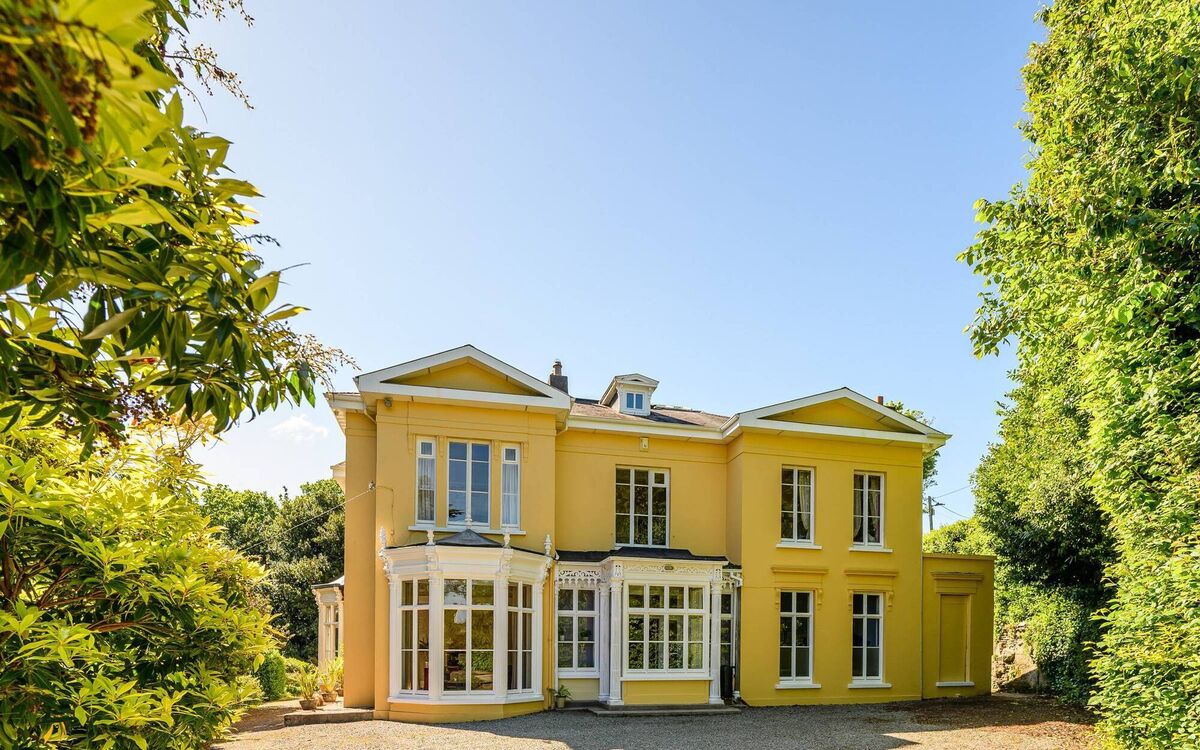
Generally attributed to the more creative of the D&W partnership, Benjamin Woodward, Marmullane House is one of two adjacent, Victorian heyday private houses (the other’s Mount Prospect, now Mount St Joseph) in Passage West commissioned by the Brown brothers, Henry and William.
The siblings had built up shipyards and dry docks in Passage West in the 1830s, when it was Cork harbour’s busiest working dock, and clearly lived in considerable comfort within a few hundred metres of their thriving marine and engineering enterprises (after the brothers fell out, a pedestrian gate on the hill between their respective homes was filled in, the Irish Examiner was told this week!)
The Brown brothers’ boatyard was renamed the Royal Victoria Dockyard in 1849, after a visit by Queen Victoria, who also visited the UCC campus, with the then-Queen’s College Cork tudor/gothic revival campus core delivered in just two years, immediately post-Famine.
Previous owners of Marmullane House used to relate that an original and ornate Victorian ‘Aeneas washdown closet,’ (an early flushing loo,) was installed by the Browns at their home in the expectation that Queen Victoria might visit them and may want to use the facilities.
Victoria never visited Marmullane, nor did she get to reign on this particular throne (ornate and with a faded-blue pattern, it’s still in the house, boxed up safely after bathroom upgrades.)
It’s likely the house was under construction in ’49 in any case, being built on sloping land bought by Henry Brown in 1838 and extensively levelled and walled, finally finished by 1851.
Today’s owners recall their first reaction on visiting Marmullane House, back in 1988, when they relocated from Waterford/Tramore for work (the man of the house had come to head up a major tech company in Cork), and his wife fell instantly for it, saying “this is where I want my children to grow up”.
At the time, they had three small children, their fourth was on the way, and the house turned out to be everything they’d dreamed of when it was, admittedly, in a more raw state, both giving and receiving nurture over the more recent decades.
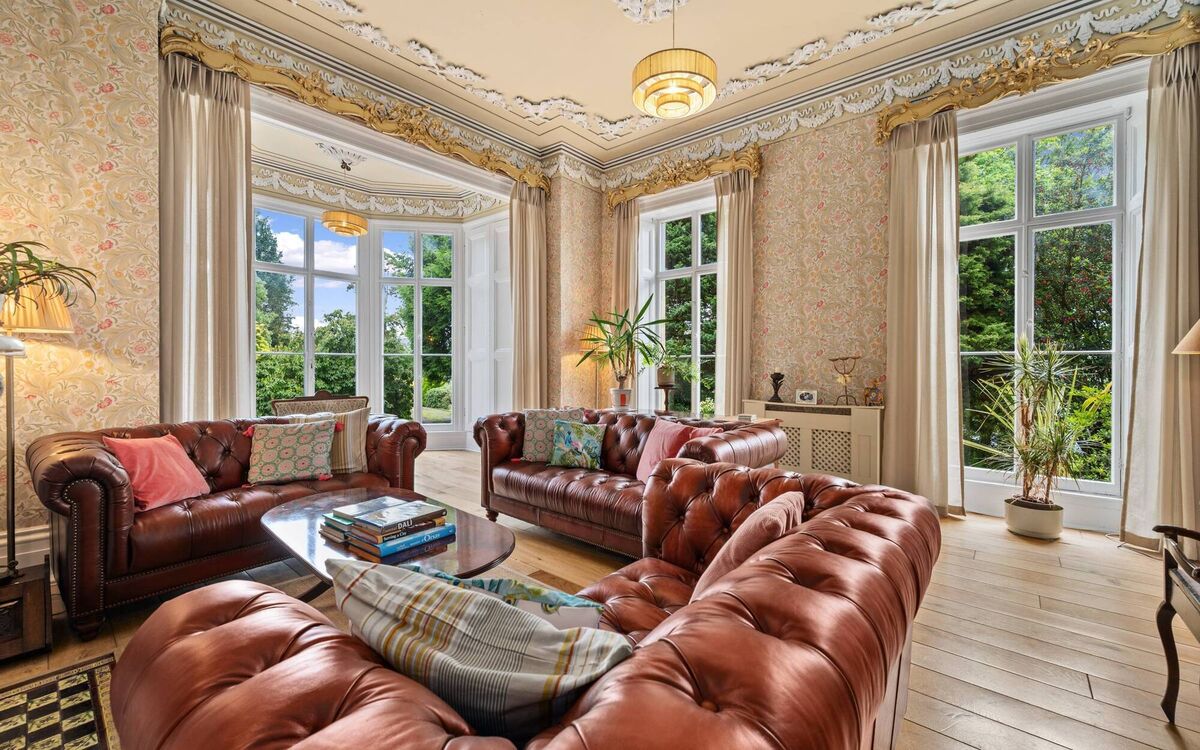
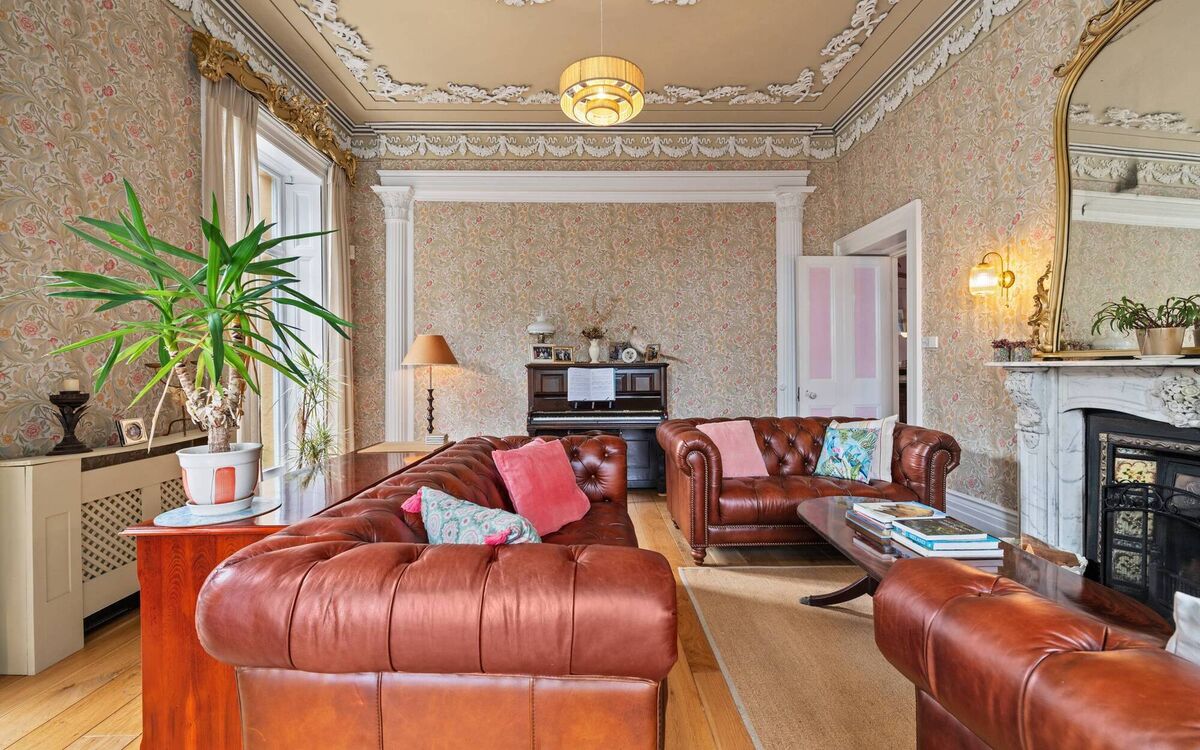
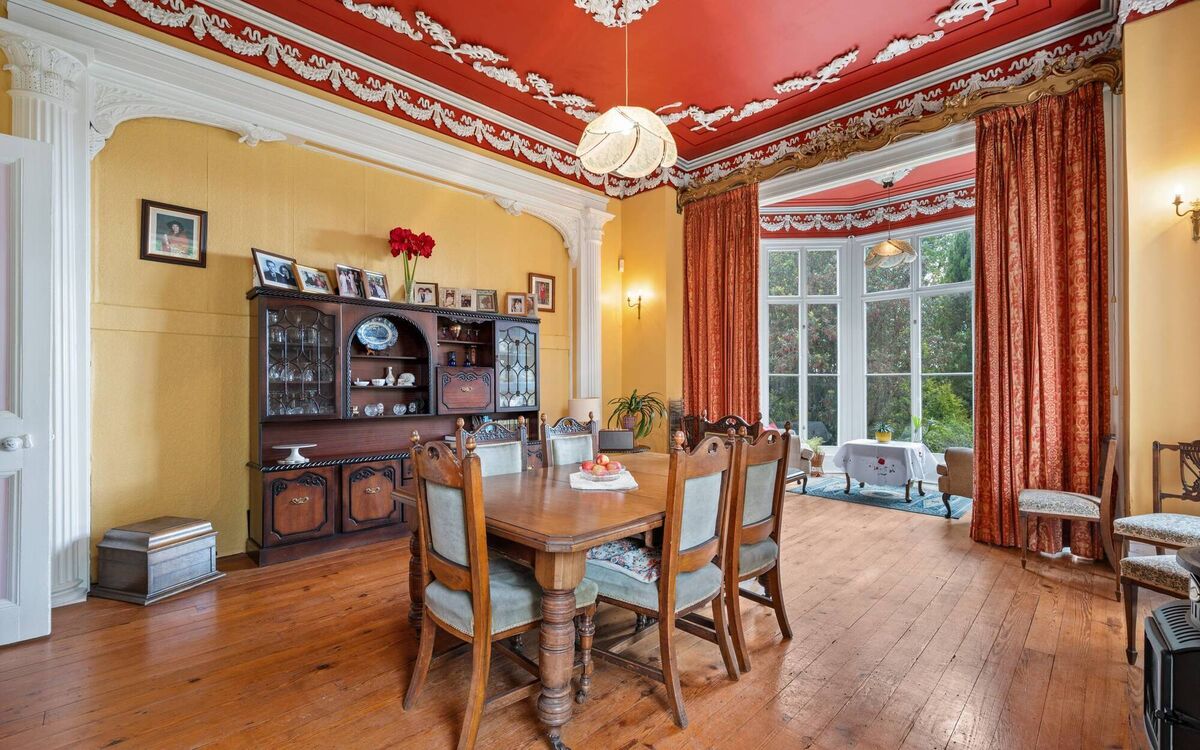
Marmullane House spans 370 sq m, or just about 4,000 sq ft, of lofty, quality period home grace, with a pleasantly atmospheric suite of attic rooms, with much ornate architectural detailing down at ground level (inside and outside), with original, intricate ceiling stucco work (and fireplaces) attributed to the O’Shea brothers, who did further work for Deane & Woodward in the mid-1800s.
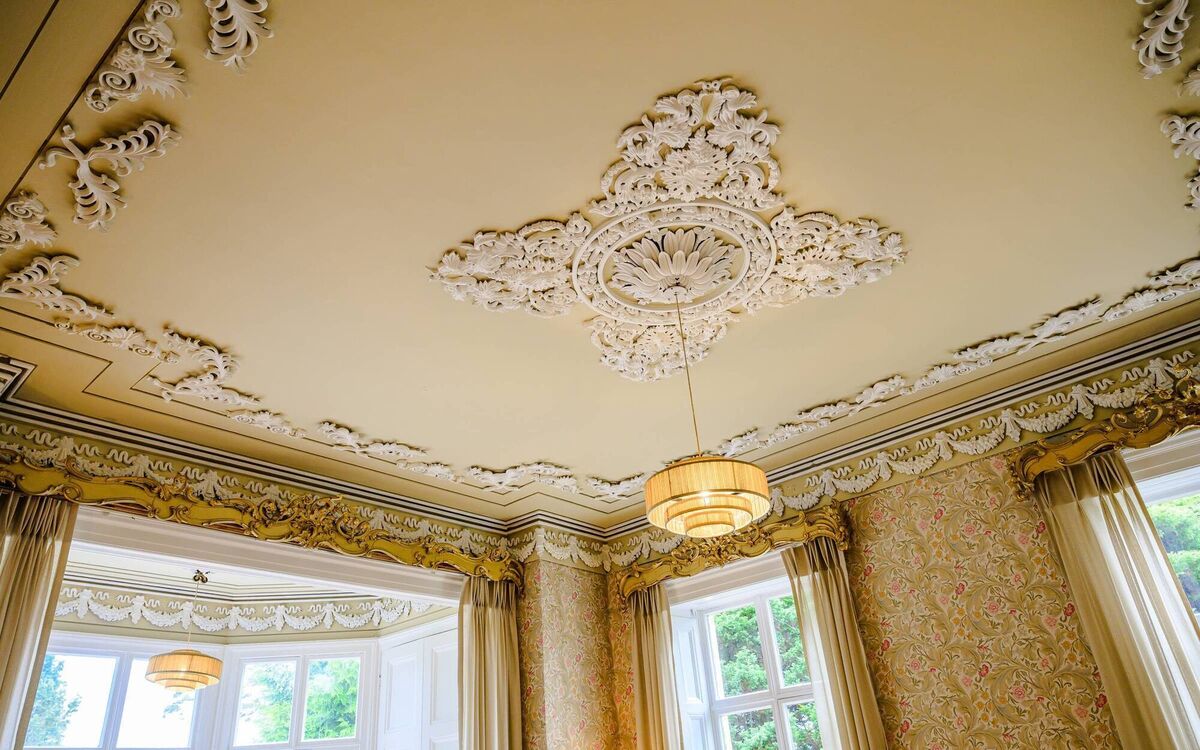
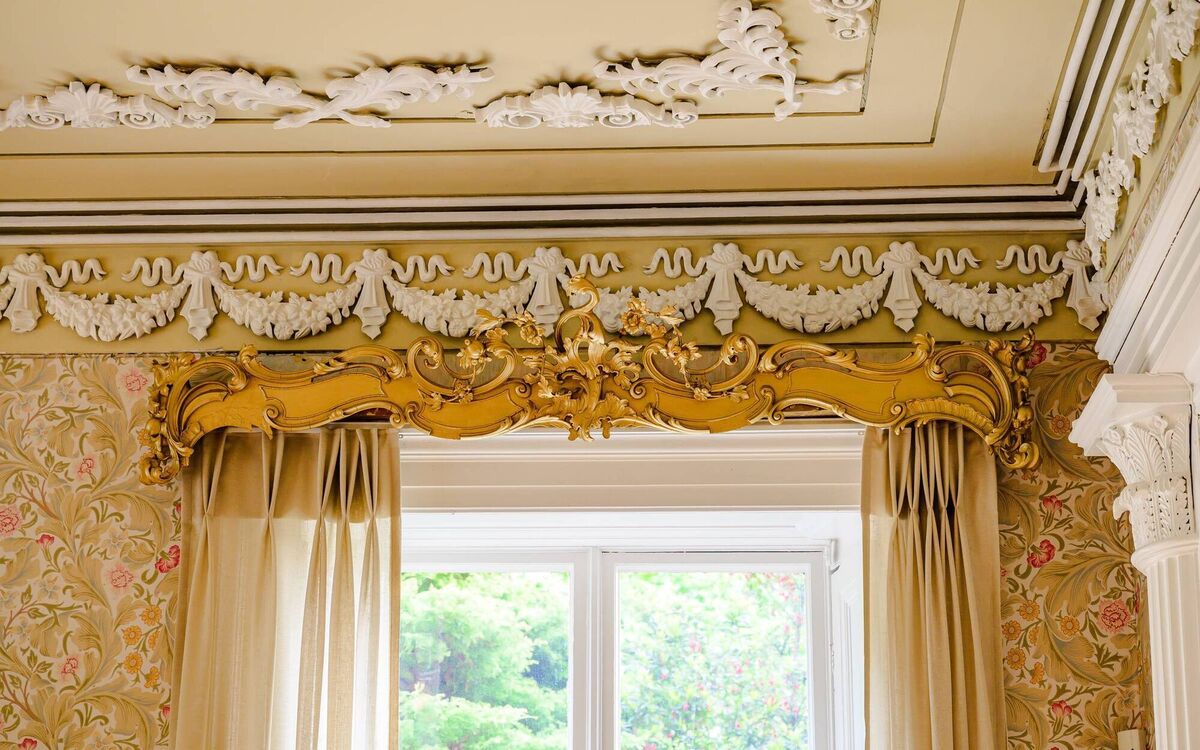
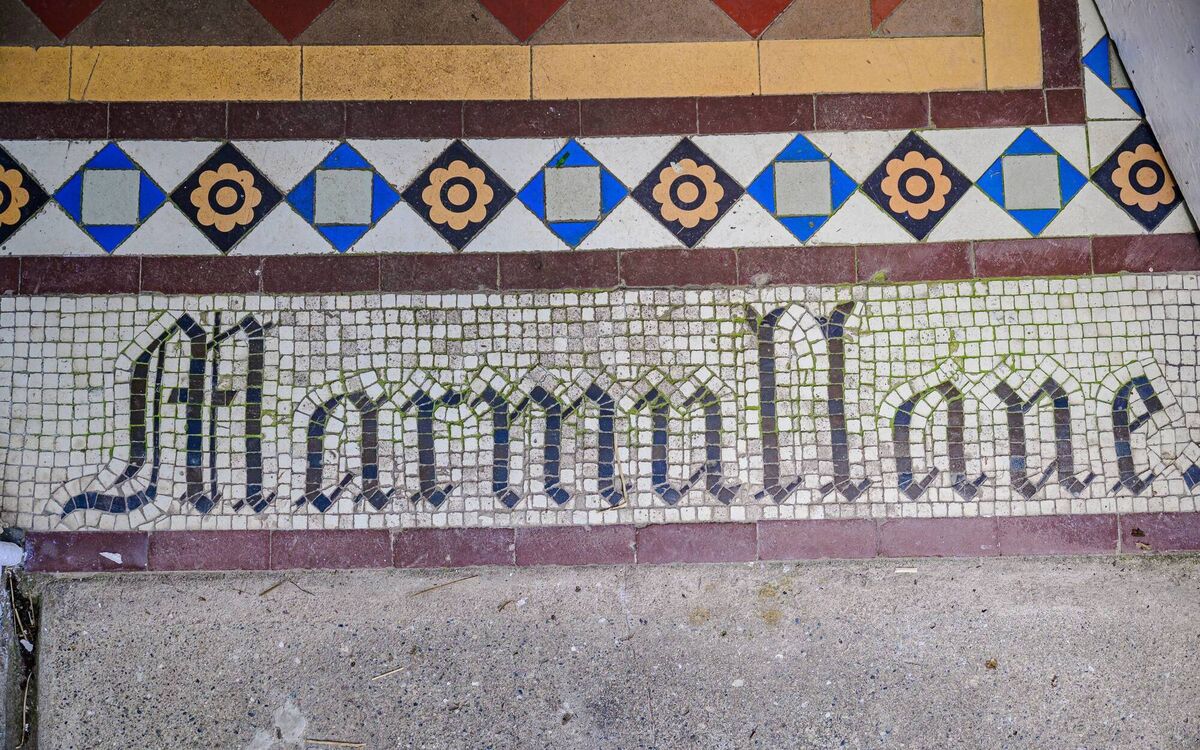
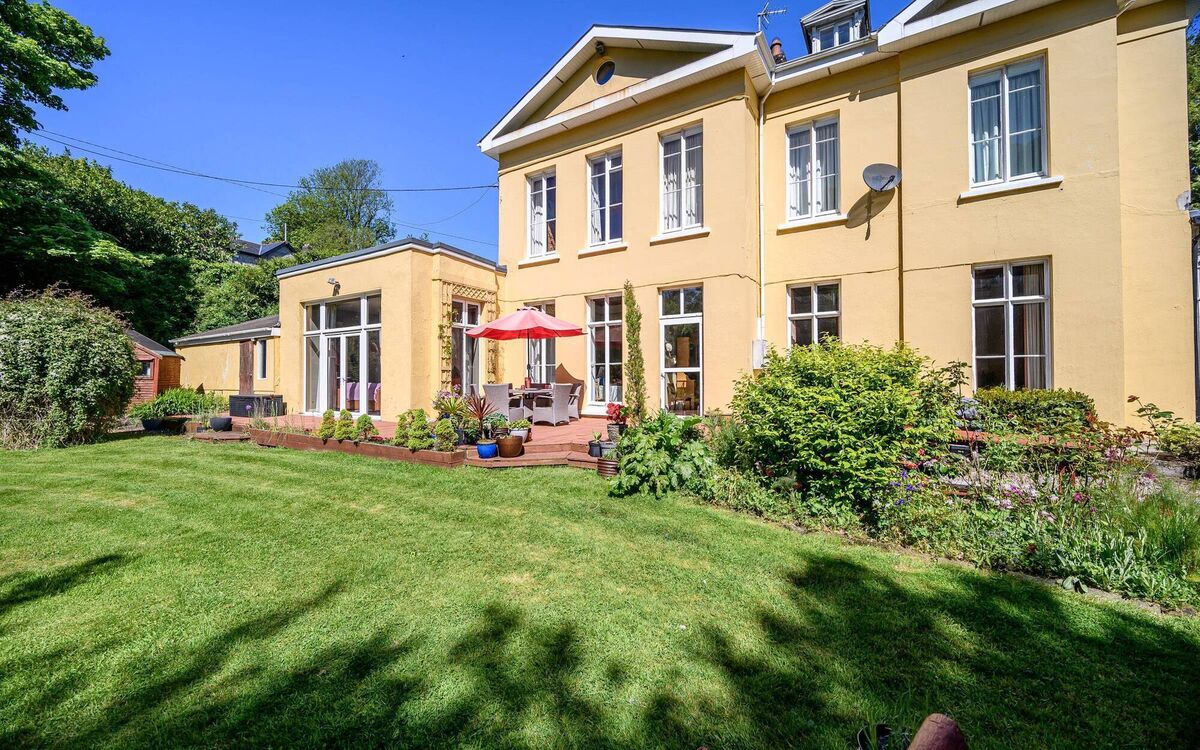
The now-downsizing couple know every inch of their period-era home, having painted the ceilings and highlighted garlands of stucco work in the 1990s —on their backs while up on high trestles — and it’s still finely detailed, as are the timber stair spindles, fluted pilasters, and external fretwork, albeit with its east/garden aspect side minus an original veranda for the best part of a century now.
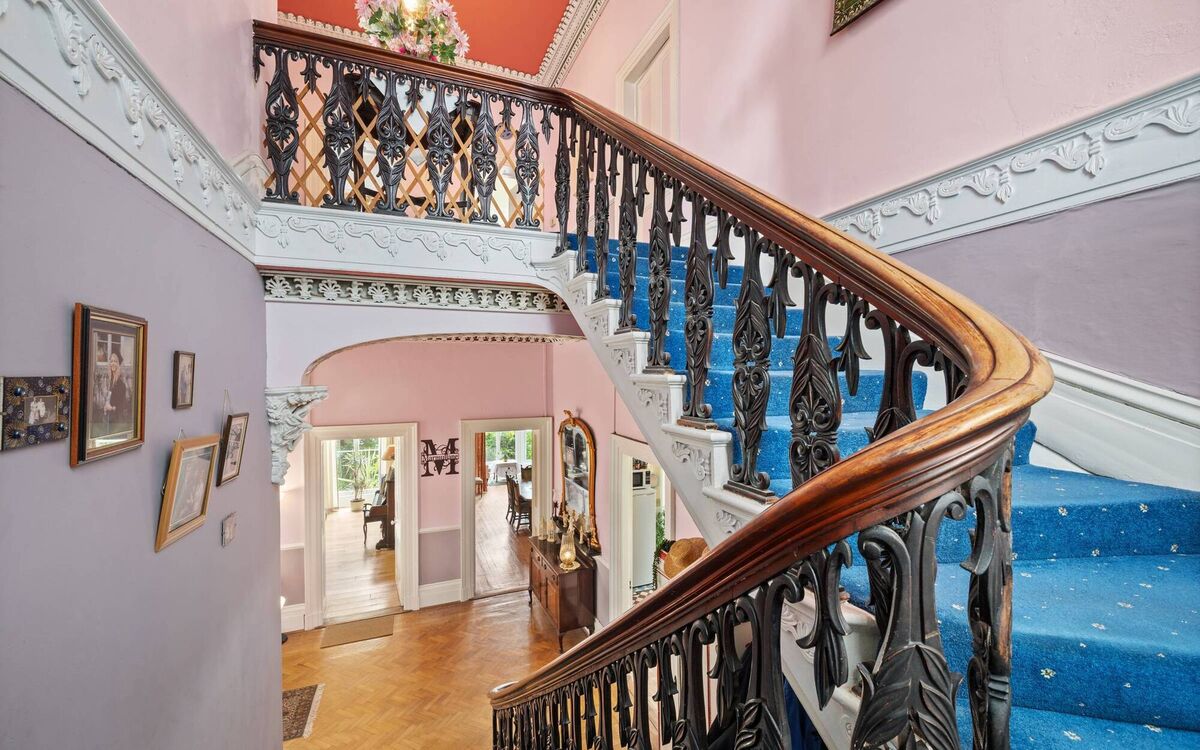
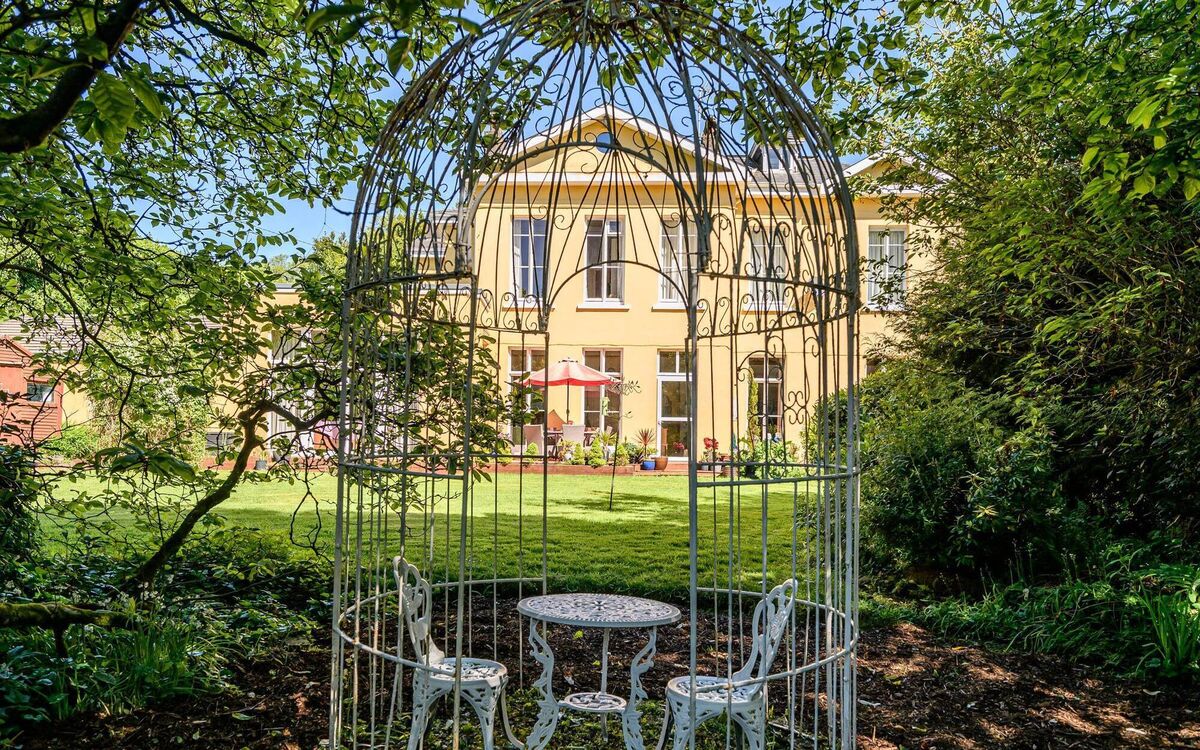
They utterly respected its architectural integrity, and upgraded as well as maintained it to a very high level, all on 1.92 acres of utterly private grounds in the heart of Passage by Church Hill (the road outside its high stone boundary walls used to be called the Old Cobh Road, they note).
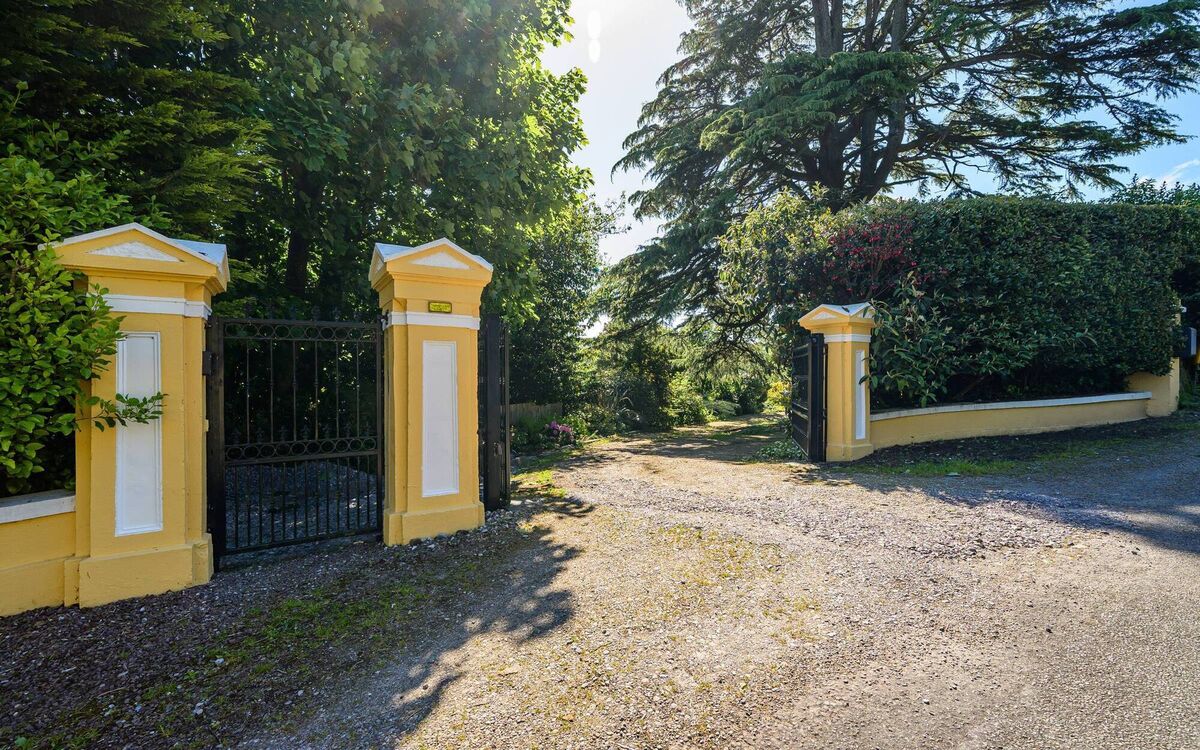
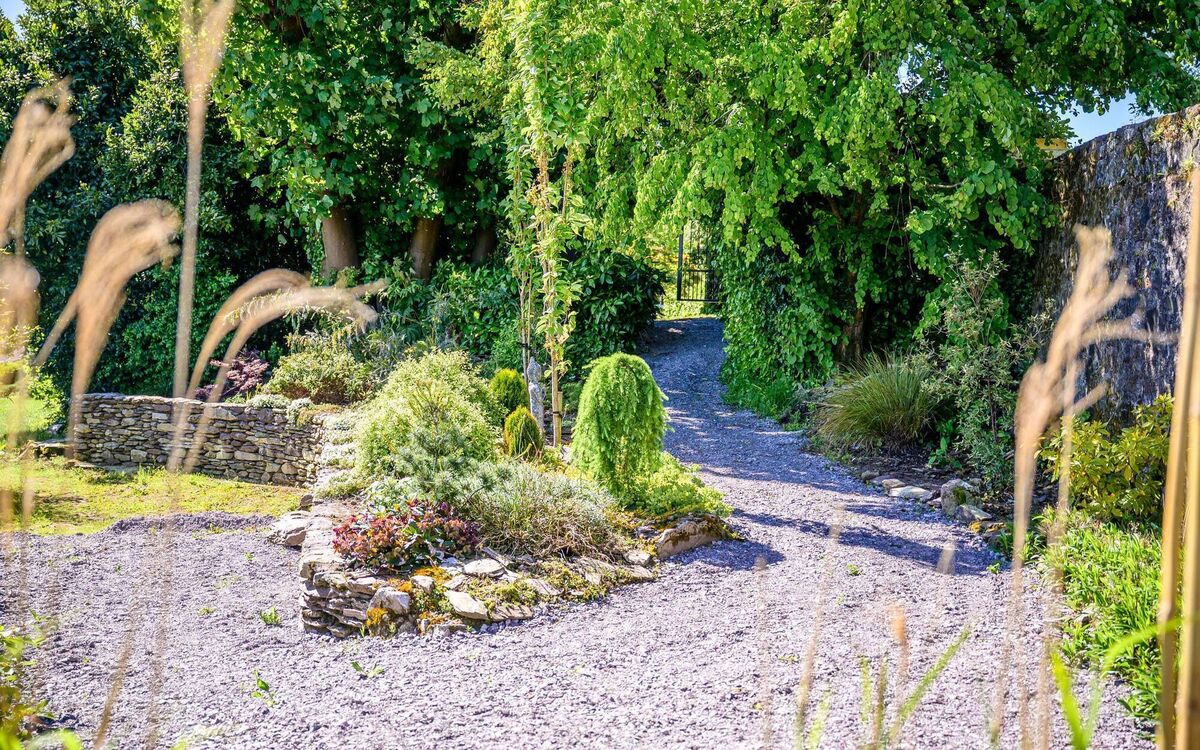
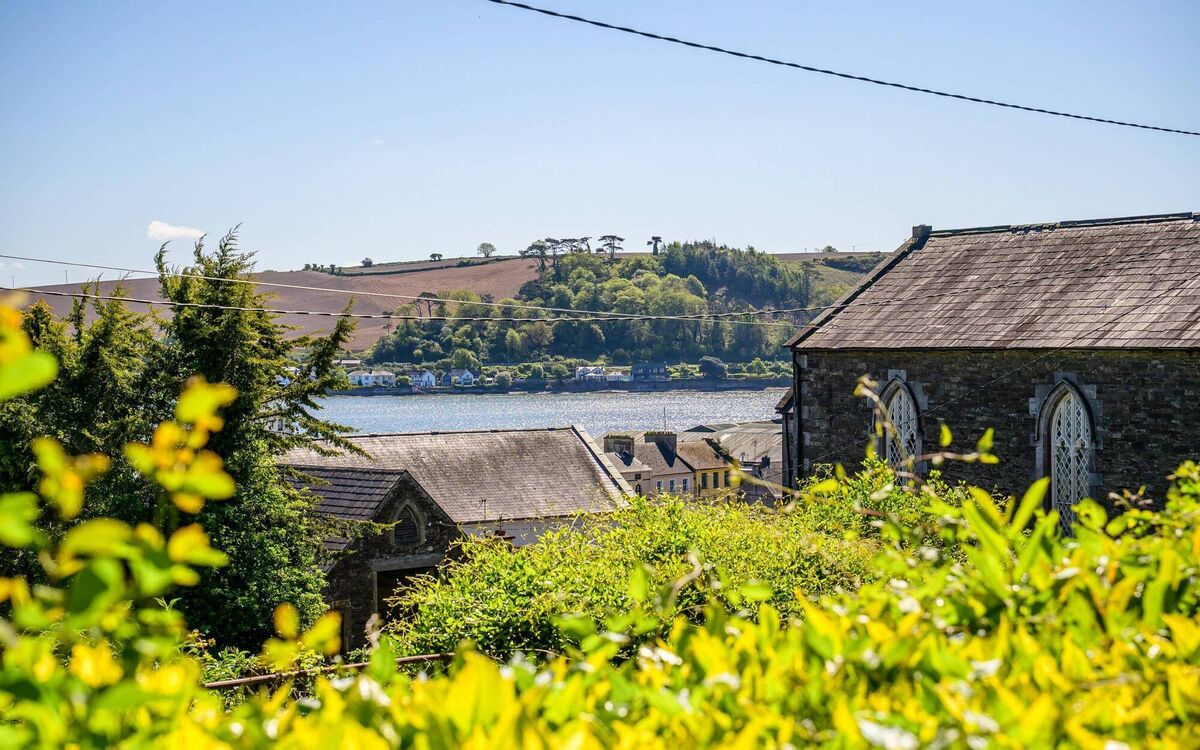
Their garden, too, is a joy and a tribute to savvy planting and landscaping, across three centuries, with a towering blue atlas cedar by the (electronic) access gates as a sort of evergreen punctation mark, likely as old as the house itself, and visible in 1851-dated photographs of the property.
Other plants (from flowers to shrubs and the maturest of trees) include rhododendron, magnolia, hydrangea, camellias, and acers, cherry blossom, trachycarpus, viburnum, and roses, etc, with recently added stone walls done by local mason Ricky O’Brien.
Covid times provided a spur to the family to further enhance the grounds, and the dividends are still rolling back in, with areas for fun, games, reflection, and admiration….pretty much as this home, on its privileged Passage West position, was ever asked to do.
It’s listed this warming June month with estate agent Lawrence Sweeney, of Savills, who prices it at €975,000 and who bills it as a “striking and commanding home of rare heritage”.
Mr Sweeney predicts interest from around Cork and from overseas, including returning Irish, who’ll get a whole lot of house, and garden — fully ringed, with high stone walls on its almost two acres — with a deeply rooted back story and history of interesting occupiers. (Previous owners included former city engineer Sean McCarthy — a key initiator of the visionary 1970s-era LUTS traffic plan — and his wife, Joan, a sister of the late, great actress Siobhan McKenna and who had worked in UCC’s library, and so Deane & Woodward had a design role in both her workplace and in her domestic, day-to-day family’s life.
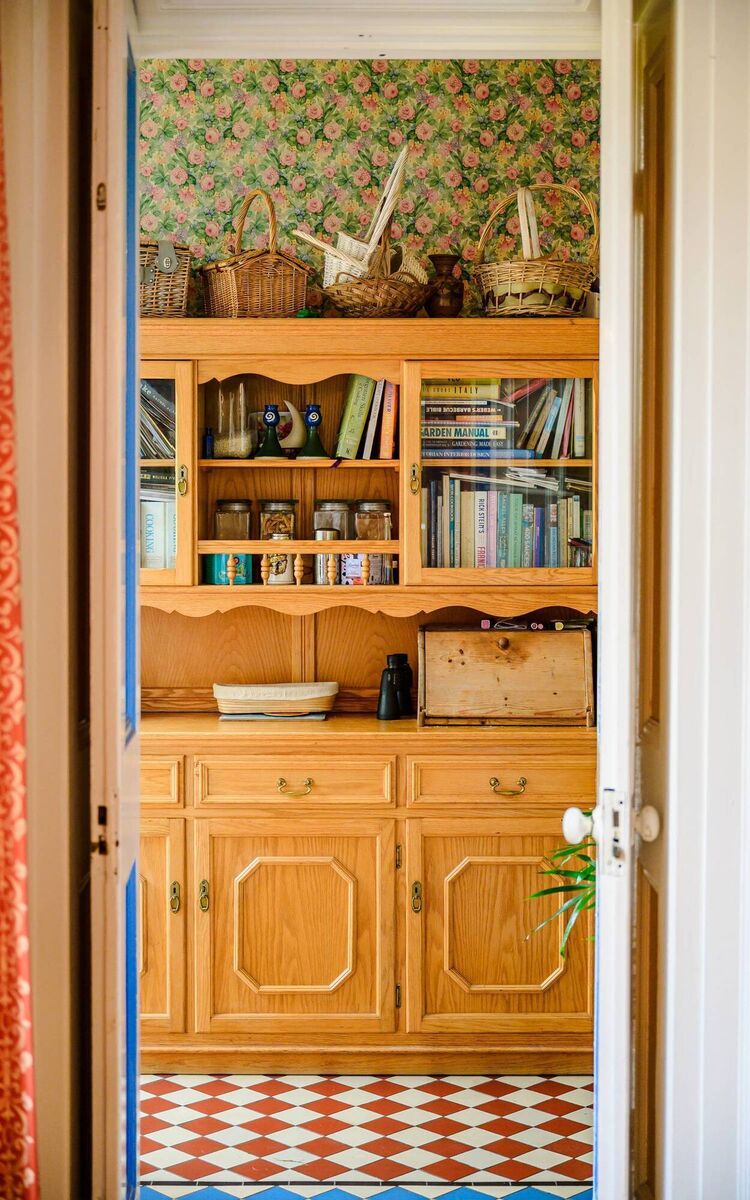
Savills’ Mr Sweeney knows a bonus for would-be buyers will be the fact it has been “lovingly maintained and carefully upgraded by its current owners, preserving its period integrity, while ensuring comfort for modern family living”. The house was reroofed in 1991; with weatherproofing; window preservation; a new roof on a garden room (former ballroom/snooker room, suitable now as a granny flat?); installation of new bathrooms (two of the six bedrooms are en suite) and other plumbing and rewiring throughout in the mid-1990s, when a proper kitchen was also installed, around an old and faithful white Aga.
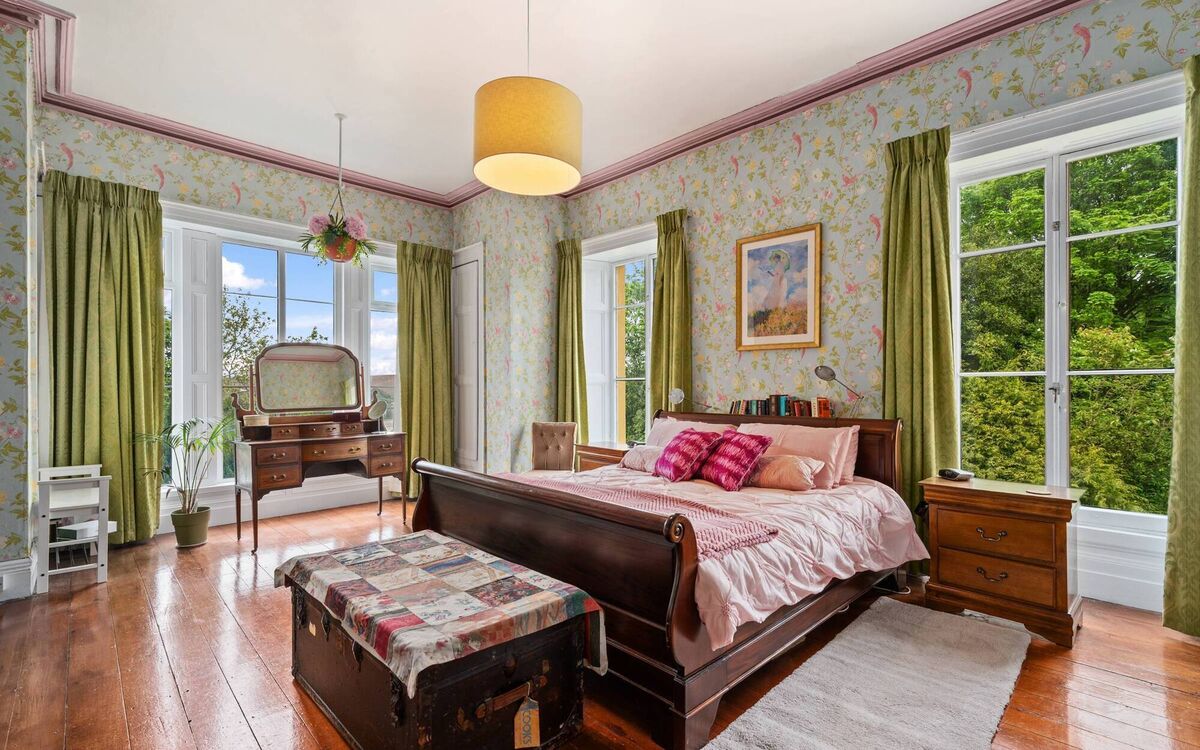
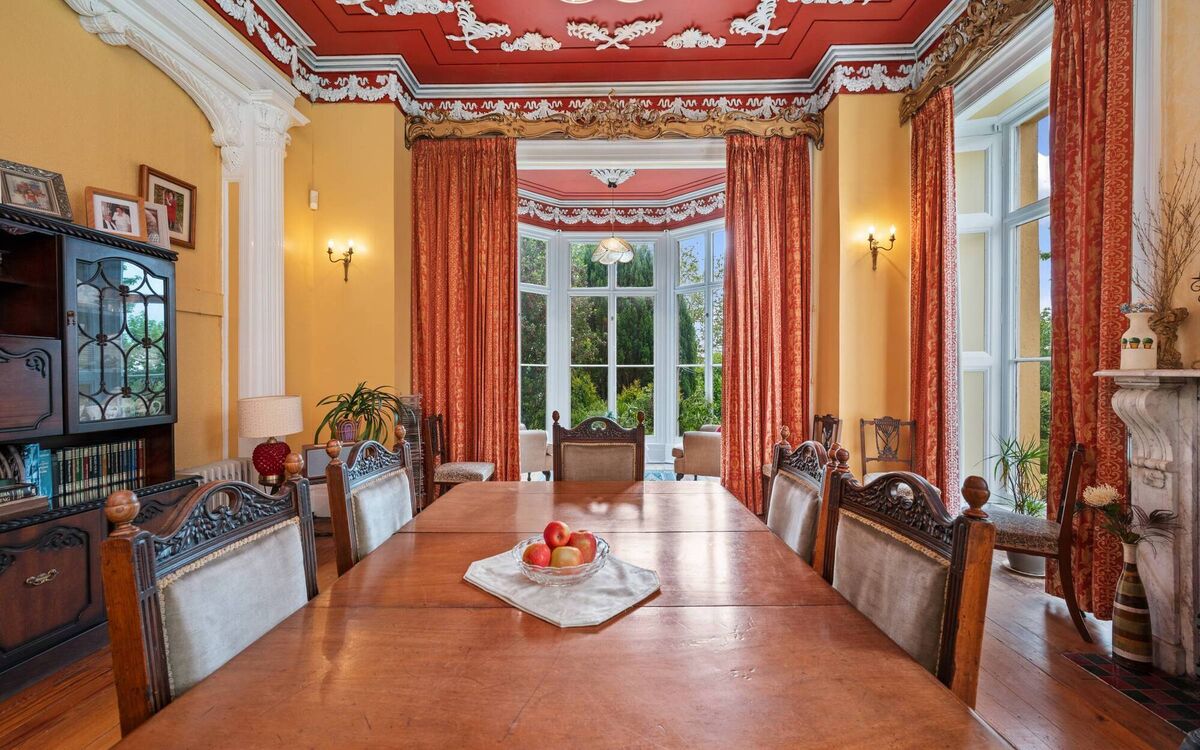
Original floors were improved, where possible, the hall has a now-pristine herringbone parquet floor and old, ornate enamel stove (not in service), the two principle reception rooms have exquisite marble chimneypieces, one is more ornate than the other, and the drawing room has a new, solid-oak floor (from Tom Gavin Tiles and Flooring), and both the sitting room and dining room have canted bay windows, with Woodward’s floor plan said to be based on a ‘pin-wheel’ design.
It includes subsidiary rooms, such as a back kitchen/pantry, office, a bright den opening to decking/patio, leading to a toy room (multi-use for next owners, guest WC, and an enclosed courtyard/work space.
Neatly, there’s access to the garden/sun-blessed decking off the kitchen via the original mullioned casement windows — good timbers clearly were used day one by the ship-building first owner, one Henry Brown.
The departing owners — now clearly Deane & Woodward devotees — say their children (and, more recently) grand-children had the carefree upbringing they’d envisaged for them back in the leaner 1980s, when they took it on as a project, with a bus stop to the city 500 yards away, sports locally, including tennis and sailing, and a raft of quirky attic rooms as dens/music rooms, studies and hang-out spaces.
: One of Cork harbour’s very best ‘villa’ homes, with shipping heritage and rare architectural aplomb by masters of their craft.

CONNECT WITH US TODAY



Be the first to know the latest news and updates