I'm looking for my first home and I've found it overwhelming. What should I be focusing on?
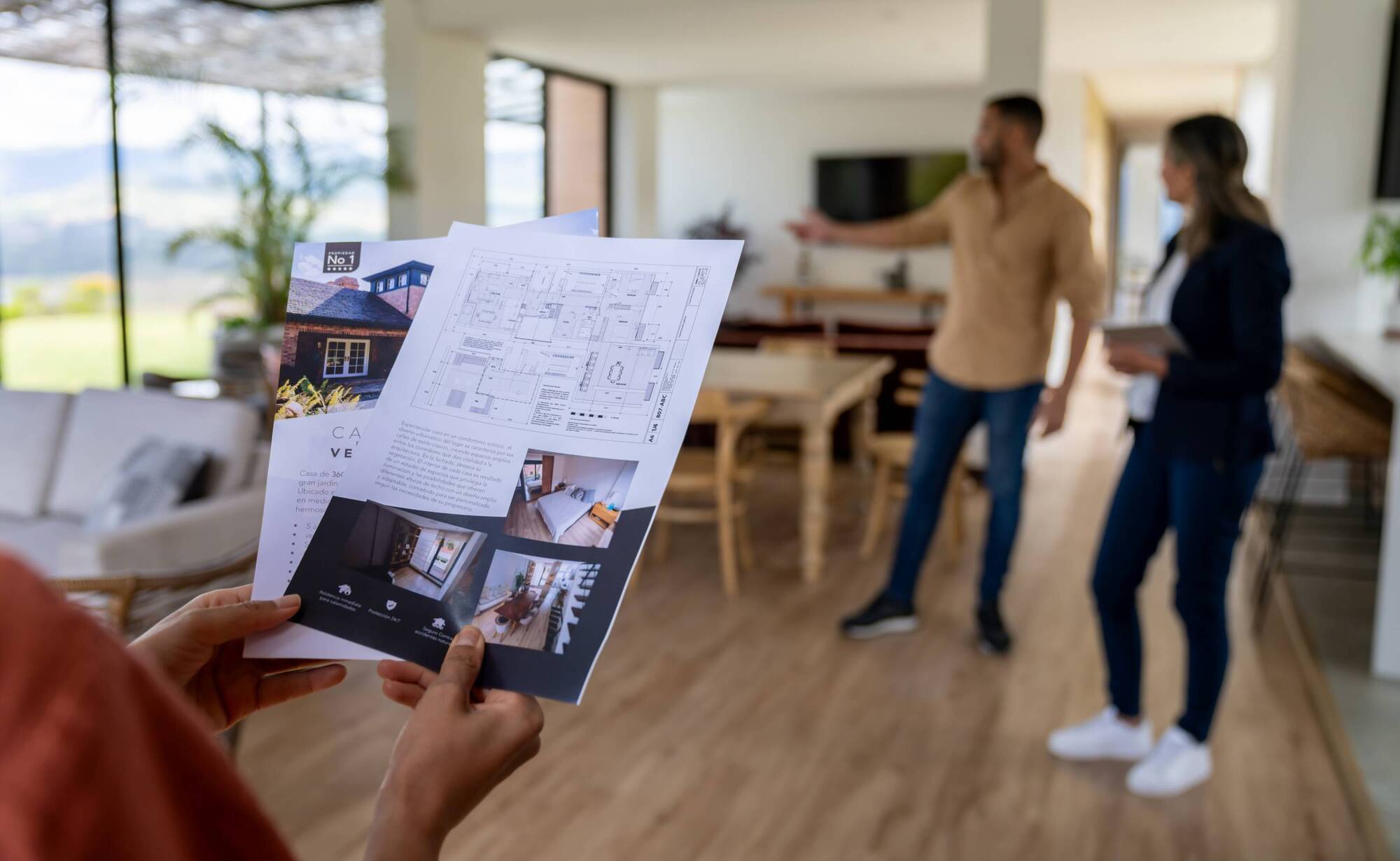
I'm ready to buy... but where do I start?
I'm looking for my first home and I've found it overwhelming. What should I be focusing on?

"I’ve attended a number of open viewings over the past few weeks, but I found the experience quite overwhelming. There were large numbers of people viewing at the same time, and it was difficult to properly assess the property or get the agent’s attention to ask questions."

Dear Majella,

I’ve recently got mortgage approval and have started searching for my first home in Cork City and the surrounding areas. 

I’ve attended a number of open viewings over the past few weeks, but I found it quite overwhelming. There were large numbers of people viewing at the same time, and it was difficult to properly assess the property or get the agent’s attention to ask questions.

Is this the typical way homes are shown at the moment, or are there other options available to buyers?

When viewing a property, what should I be focusing on beyond first impressions? Are there particular red flags or practical checks I should carry out? Is there a recommended checklist buyers should follow?

Finally, are there any key steps in the buying process that first-time buyers often overlook? Aoife

Dear Aoife,

Firstly, I want to reassure you that what you are experiencing is completely normal. Buying your first home is a major milestone, but it can also feel daunting, particularly in a busy market where viewings are crowded and especially if you are buying on your own as you indicate.

In the current market, open viewings have become a very common way of showing homes, particularly for properties in popular locations or price brackets where demand is
expected to be strong. They allow agents to manage interest efficiently and give sellers the opportunity to showcase the property to multiple buyers within a defined time frame. So yes, what you have encountered is very typical at present.

Bring a friend

My first piece of advice is to bring along a trusted friend to view properties with you if at all possible. Another perspective is invaluable as there’s a lot to take in. If it’s not possible for all viewings, you should definitely do it when going back to view a property you believe has potential. If the friend is knowledgeable about construction/
property, all the better.

Open viewings are not the only option. Some homes are still shown by private appointment, and in certain cases agents will facilitate second viewings for buyers who have a genuine interest in proceeding. It is entirely reasonable to contact the agent afterwards with follow-up questions or to ask if a further viewing may be possible.

At any viewing, it helps to remind yourself that your role is not simply to decide whether you ‘like’ the property. Your job is to assess whether the home suits your needs, your budget, and your future plans. First impressions matter, but they should never be the only factor.

One of the most important things to focus on is the property’s condition beyond its presentation and decor

  • Pay attention to the overall condition of the structure and the signs of how well the home has been maintained.
  • Look carefully for evidence of damp, such as musty smells, mould, peeling paint, or discoloured patches on walls and ceilings.
  • Check windows for condensation between panes or signs of rot if they are older frames.
  • Notice whether floors feel level underfoot and whether doors open and close properly. Small cosmetic issues are to be expected, but larger cracks, sloping floors or signs of persistent moisture should prompt further investigation.

Heating and energy efficiency are hugely important

Ask what type of heating system the property has, whether the boiler has been upgraded, and what the energy rating is.
Running costs are an increasingly important part of affordability, and many first-time buyers underestimate how much work and expense may be involved in improving an inefficient property after purchase.

It is also worth paying attention to practical matters that affect daily life:

How much natural light does the property receive?

Is there sufficient storage?

What is the parking situation?

How private is the outdoor space?

If you are viewing an apartment or a home in a managed development, ask about management fees and what they cover.

The surrounding area

Outside the property itself, the surrounding location deserves just as much attention. Buyers sometimes become so focused on the house that they overlook the setting. Try to assess traffic levels, noise, access routes, nearby amenities, and the overall feel of the area. If you are interested in a particular property, don’t just visit the street and area at weekends, but drop by on different days and at different times. A home can be redecorated or upgraded over time, but its location is fixed.

Check lists, to-do lists...

So go into each viewing with a clear checklist, focus on condition and practicality as much as presentation, and make a point of understanding the background to the sale,
including the seller’s timeline and whether any alterations to the property are fully in order. If significant works were carried out and the paperwork is not in order, it can lead to delays later when solicitors begin reviewing title and planning documentation. In some cases, it can even affect mortgage approval.

After each viewing, make notes immediately while the key details are still fresh in your mind. Properties can quickly blur into one another, and having videos, voice memos, or written notes and questions makes comparison much easier and more objective later.

Before submitting an offer, it is also sensible to establish where matters currently stand in the bidding process. Ask the agent what the current offer is, how many bidders there are and, where possible, what position those bidders are in. For example, are they cash buyers, first-time buyers with mortgage approval, or purchasers who still need to sell their own home? This information helps you understand the level of competition and gives useful context before deciding on your next step.

It also allows you to judge the strength of your own position. A first-time buyer who is mortgage approved, has deposit funds in place and is not relying on the sale of another property may be seen as a stronger bidder than someone whose purchase depends on other transactions falling into place. Price matters, of course, but a buyer’s overall position can matter too. Knowing this can help you bid with more confidence and avoid making emotional decisions in the heat of the moment.

Red flags and legal points

You also asked about red flags. These are not always dramatic defects. Sometimes a red flag is simply a lack of clarity. If basic questions about say a boundary or planning
permission, cannot be answered clearly, you should take note. It does not necessarily mean there is a major issue, but it does mean that further enquiries will be needed if you decide to proceed.

If you find a property you want to pursue, the next step is to submit an offer through the selling agent. Most agents will request that your offer is put in writing, usually by email, so there is a clear record of the amount offered and your position as a buyer. The agent will usually ask for evidence of your mortgage approval and may also ask whether you have proof of deposit funds and a solicitor appointed. Your offer is then communicated to the seller, who may accept it, reject it, or come back with a counter offer.

It is important to understand that, in Ireland, an accepted offer does not create a legally binding agreement. The property is usually considered ‘sale agreed’ at that stage, but either party can still withdraw until contracts are signed.

And don't forget...

Finally, you asked what first-time buyers often overlook.

One of the biggest oversights is underestimating the costs beyond the deposit. Legal fees, stamp duty, survey costs,
valuation fees, insurance, and moving expenses all need to be budgeted for. On top of that, many first homes require some immediate spending on furniture, appliances, decoration, or upgrades.

Another commonly overlooked step is getting the right professional advice early. A good solicitor, broker, and building surveyor can make the process far less stressful and help you avoid costly mistakes. Buying property involves a great deal of jargon and procedure. Asking questions is not a weakness; it is a strength.

Buying your first home can feel overwhelming at times — and there will be disappointments along the way — but with the right preparation and advice, it becomes much more manageable.

I wish you the best of luck on your journey.

  • For property-related queries email: irishexaminerpropertyqueries@scsi.ie

Majella Galvin is chair of the Membership and Public Affairs Committee of the Society of Chartered Surveyors Ireland. She is a chartered surveyor, estate agent and registered valuer at DNG Galvin auctioneers Bandon.

More in this section

Revoiced

Newsletter

Sign up to the best reads of the week from irishexaminer.com selected just for you.

Cookie Policy Privacy Policy Brand Safety FAQ Help Contact Us Terms and Conditions

© Examiner Echo Group Limited