How Waterford plundered its rich past for a more prosperous future
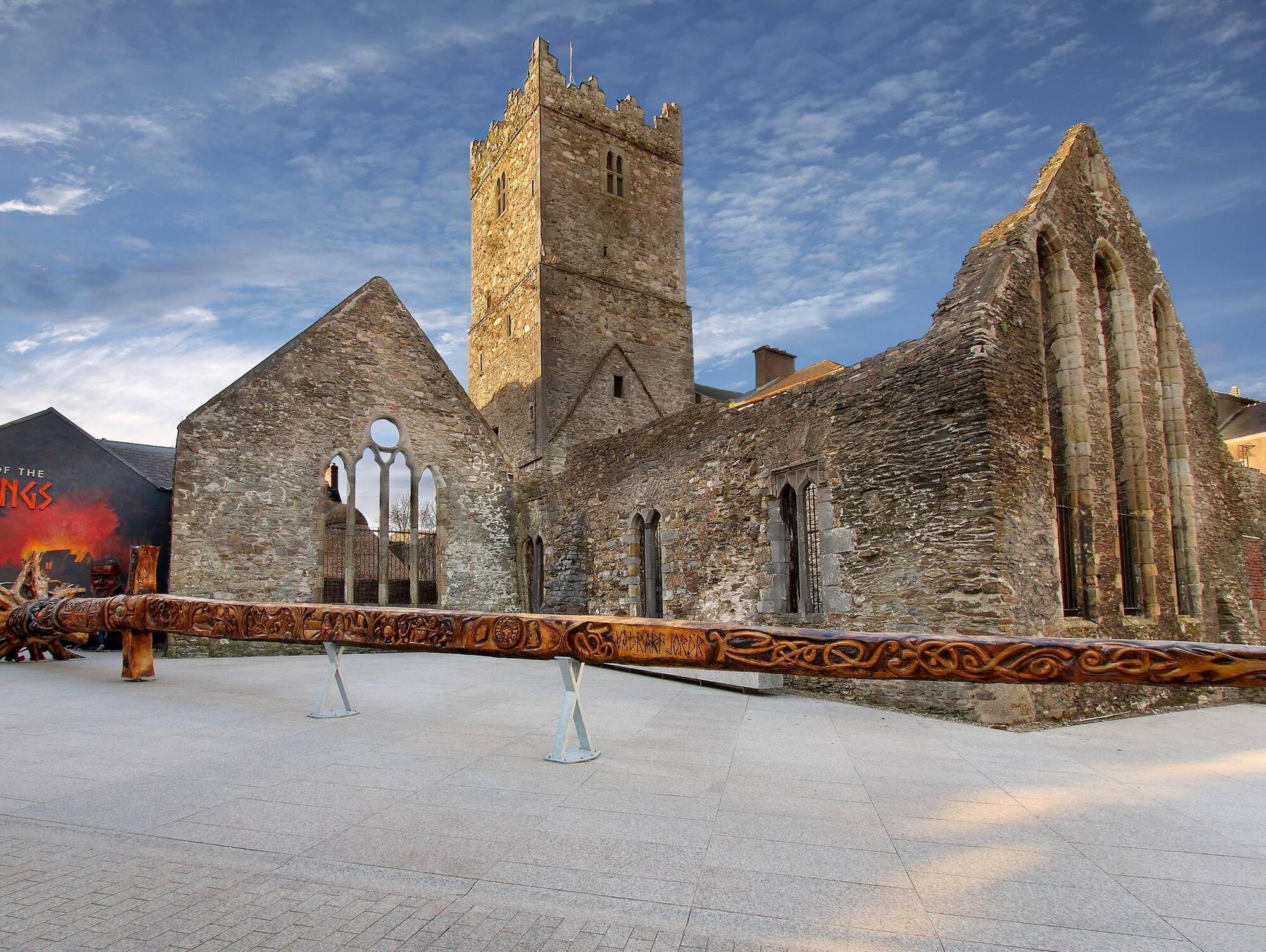
The Vikings are gone, but not forgotten: Greyfriars church
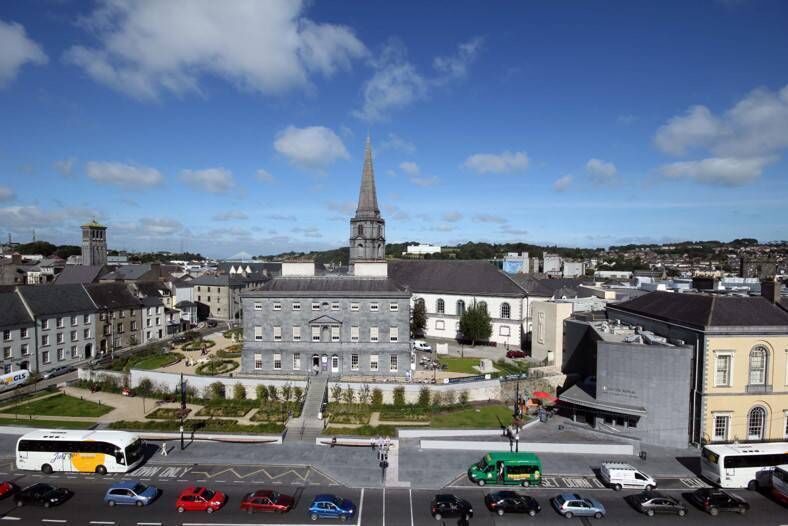
Waterford is having a moment. Ireland’s oldest city was the only Irish destination featured on The New York Times 52 Places to Go list for this year and it has also been selected as the European City of Christmas for 2024. The jewel in the city’s crown is the Viking Triangle which showcases the city’s notable history in a beautifully restored and compact area, and also features an outstanding portfolio of museums.
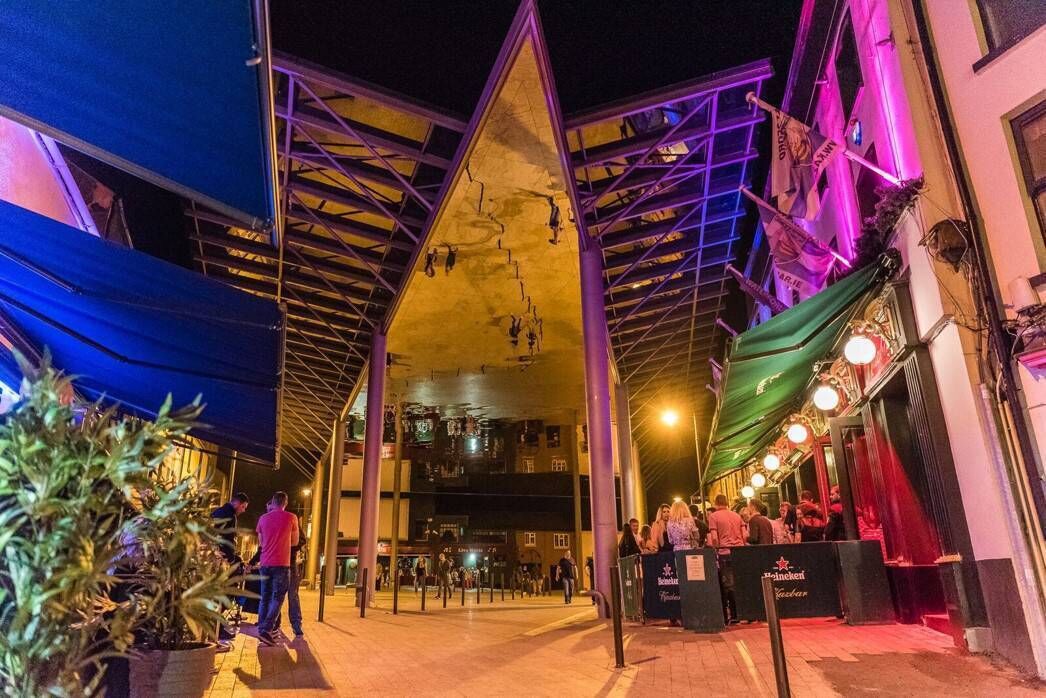
However, the city’s transformation didn’t occur overnight. At the turn of the millennium, it was in rough shape, with much of the city’s architectural heritage neglected and decaying. The regeneration was kickstarted in 2000 with the creation of the central plaza at John Roberts Square, named after the Waterford architect who designed both the Catholic and Protestant cathedrals in the city. In tandem with this came the William Vincent Wallace Plaza, creating an outdoor entertainment space on the city’s quayside.
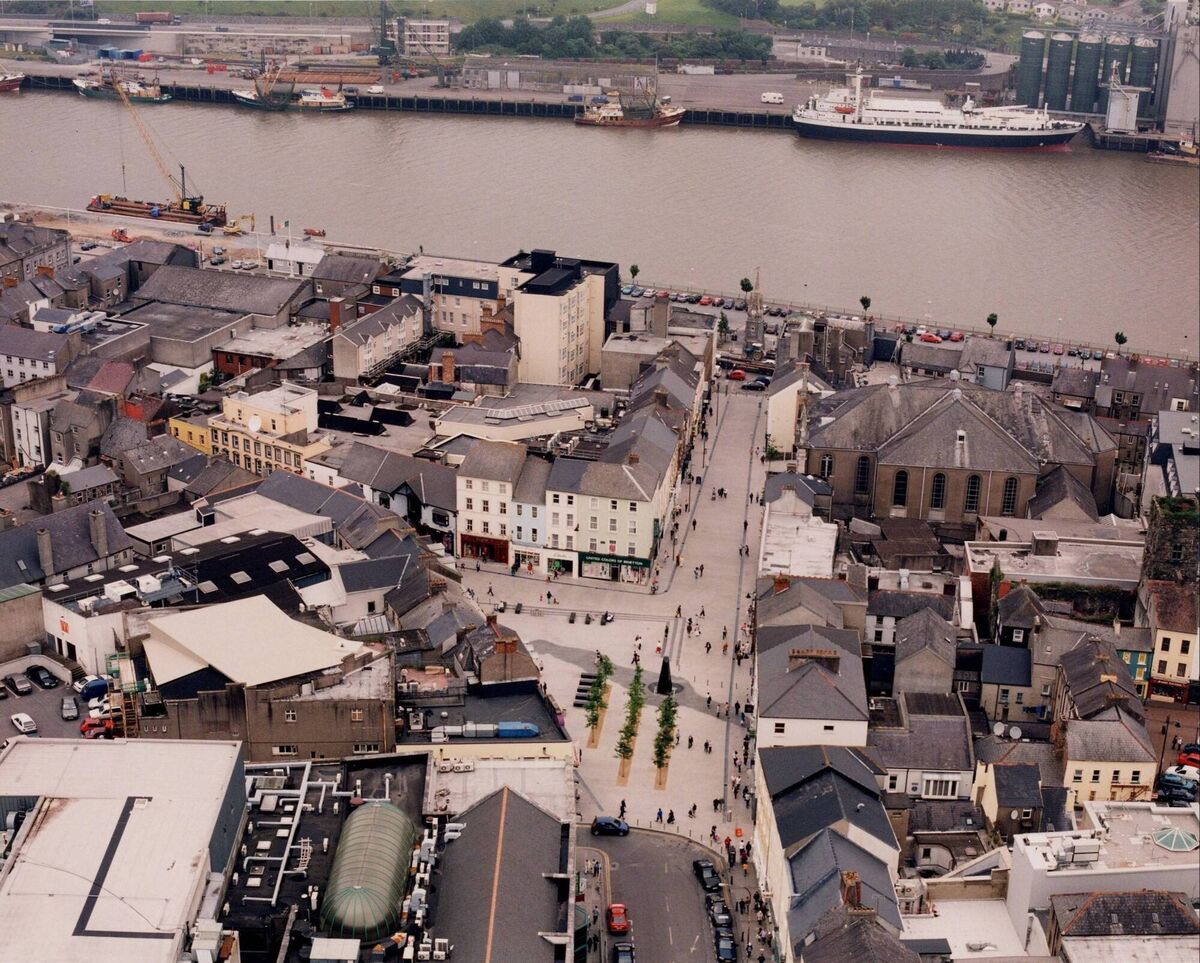
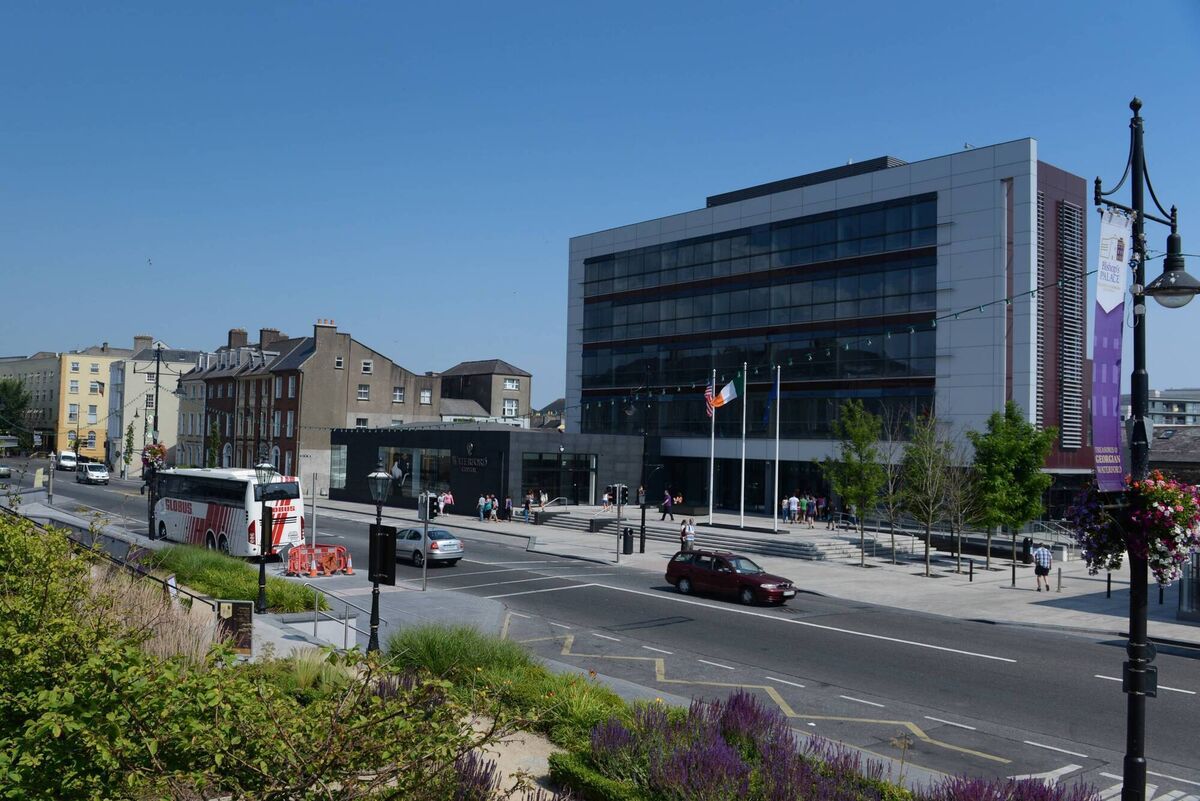
In 2010, a former ESB building on the Mall, within the Viking Triangle, was repurposed to house a new Waterford Crystal visitor experience, keeping the iconic brand alive in the city after the closure of the factory.
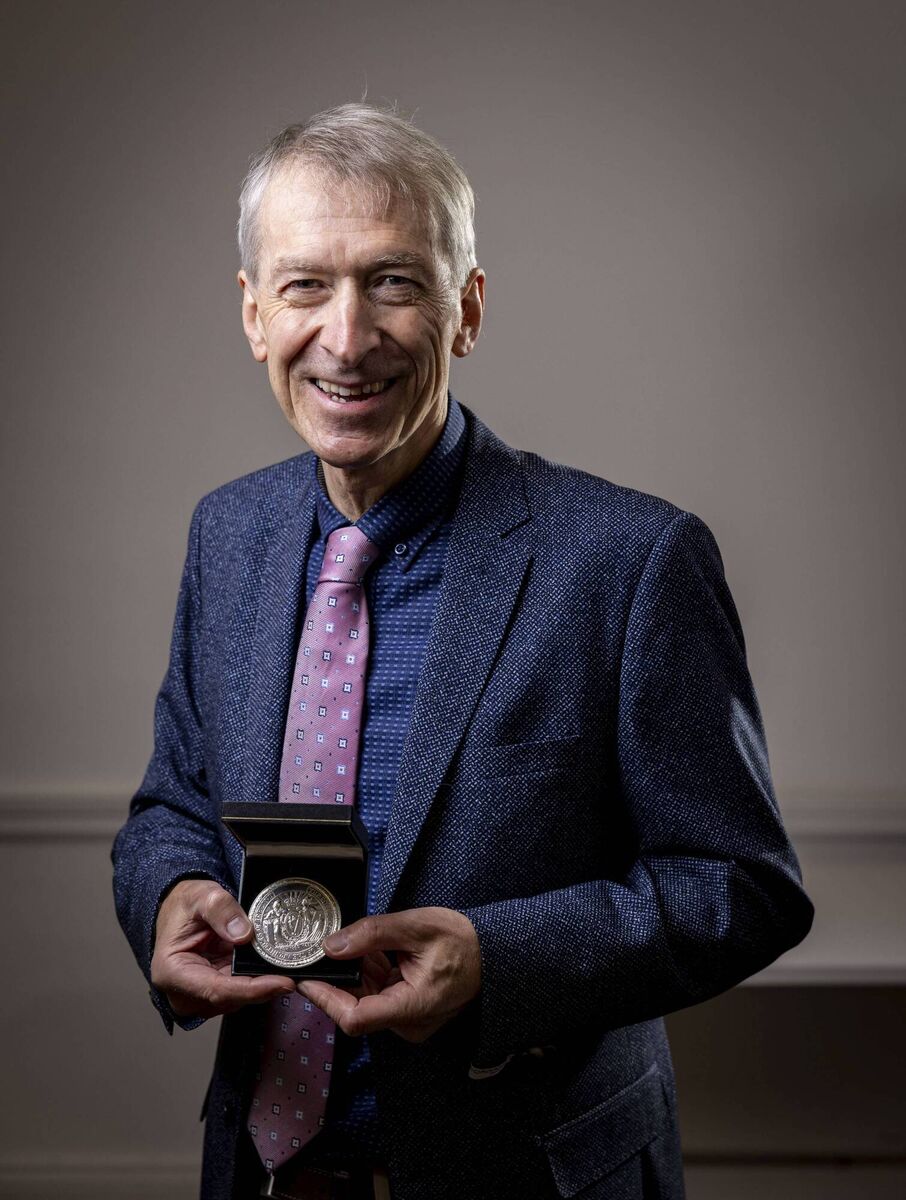
Instrumental in all these pioneering initiatives, and many more, was recently retired city architect Rupert Maddock. In recognition of his many achievements, last November he was awarded the prestigious Gandon Medal by the Royal Institute of Architects of Ireland (RIAI), the first architect working in the public service to receive the honour.
A culturally-led regeneration project was put in train with the city’s streets, buildings and public realm at its centre. Maddock worked closely with Eamonn McEneaney, former director of Waterford Museum of Treasures, who came up with the designation of Viking Triangle.
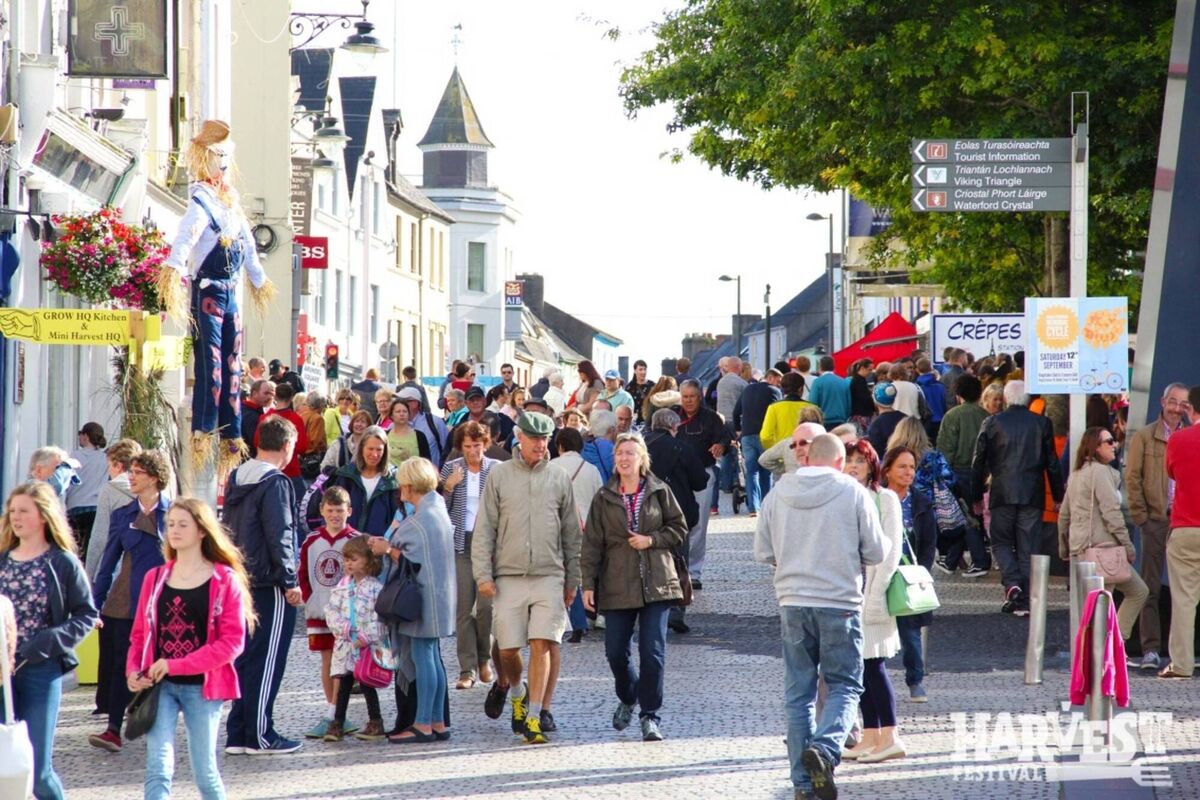
This approach has also allowed Waterford to put on annual large-scale public events and festivals that draw visitors from all over Ireland and beyond.
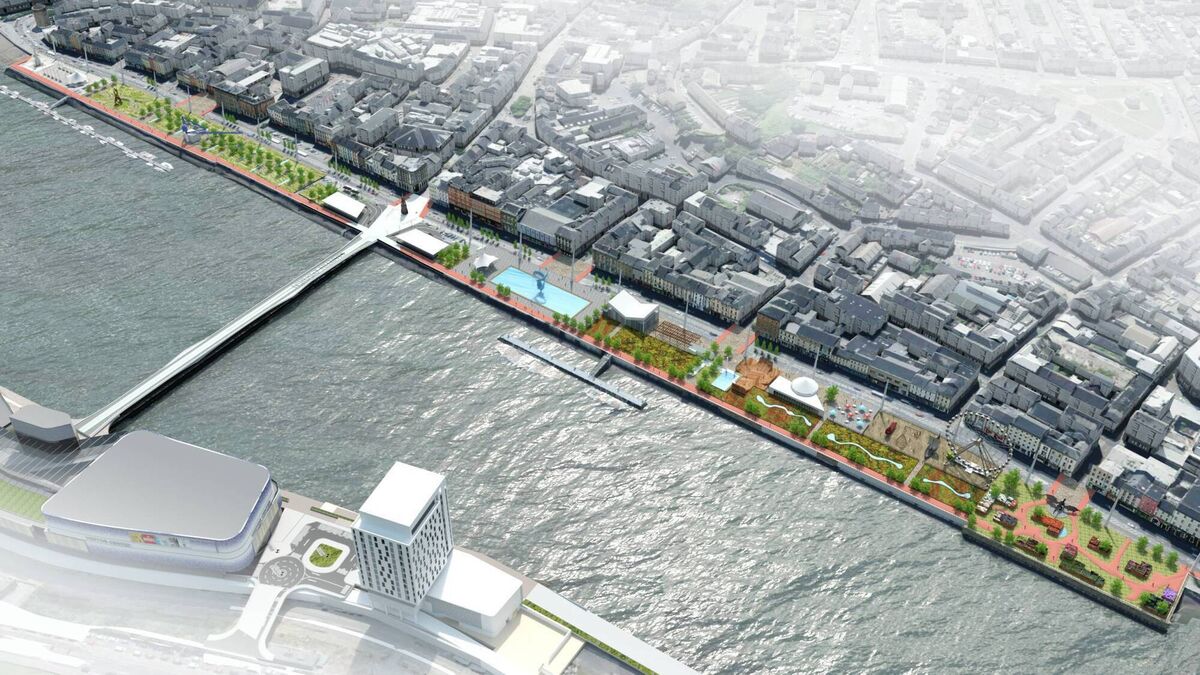
While there are still improvements to be made in Waterford, including an overhaul of the South Quays, there is no arguing with the success of its approach. According to Maddock, key to the transformation of the city is understanding its cultural and historical DNA.
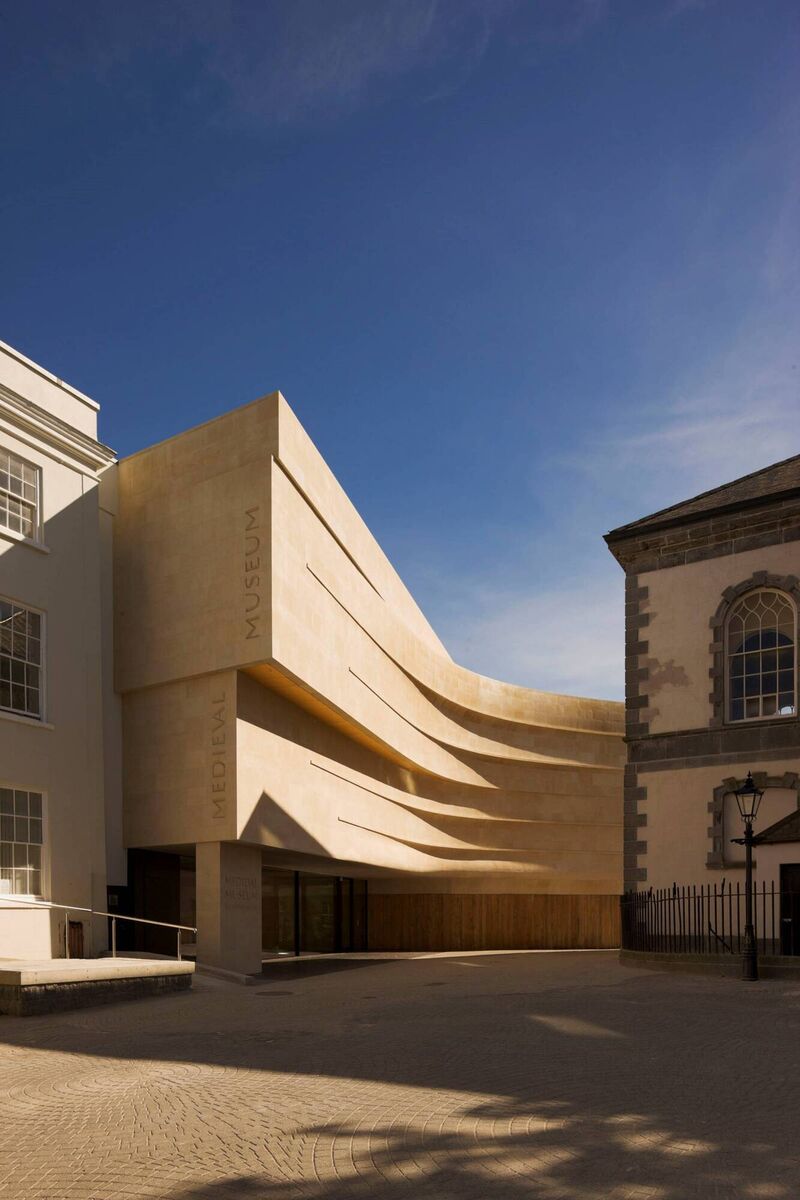
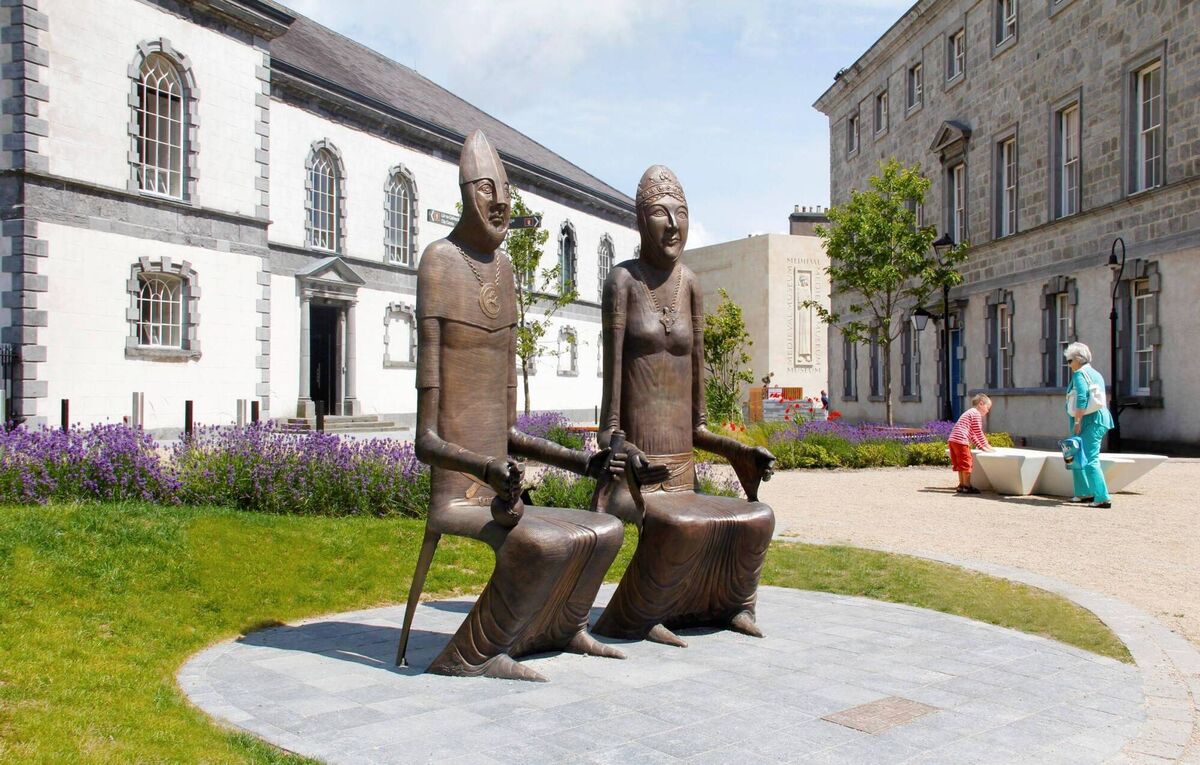
“There’s a lot of frameworks, plans, guidelines and strategies out there but you also need vision and creativity, you need to be able to read what makes any particular place special and unique, to get beneath the skin of a place and try and understand it. Artists, for instance, are very important. Because they think outside the box, they can come up with different ways of looking at space or expressing things. If you look at the Medieval Museum, there was an artist embedded in the design team, and that’s why the facade is so successful,” he says.
Maddock says that ultimately, we need to make our cities attractive places to be and live.

CONNECT WITH US TODAY



Be the first to know the latest news and updates