Kieran McCarthy: Steel work to get you beaming
"In general terms, when it comes to cost, I always tell people that the more elaborate and architectural design, the more it will cost to build"
Hello Rachel.
Thank you for this wonderful question.
When we take a look into the role steel plays in extension or even house construction we first need to look at why steel is required in the first place. I remember one of the first things I learned in first year studying Civil Engineering is that ‘concrete is great in compression but poor in tension’.
Steel, however is great in tension. What this means is that if your structure is just taking an even downward weight with no span required, then concrete is a great and cost effective way of dealing with that weight (for example your concrete block walls, concrete foundations and floor slabs. However, when you need to span from A to B (e.g. over a window or between two walls for a floor above, you need to introduce steel.
There are two principal ways to do this, you can either add steel to the concrete mix (reinforced concrete or rebar) or add steel RSJ beams to support the blockwork or timber beams spanning the required distances and take up the tension (pulling effect) that would otherwise crack your concrete or cause you timber floor joists to sag too much and your floors would ‘bounce’ (something you might often see me check in an old house on Cheap Irish Homes).
When it comes to extension design, the incorporation of the structural steel design stage really comes down to who is designing it and whether it requires planning permission. If its an engineer, he will be thinking about the steel requirement form the word go though it may only be indicative until planning permission is granted and there is a body of work to fully specify the required steel beams (work out all the forces (loads) and check through the various steel beams available and their sizes etc).
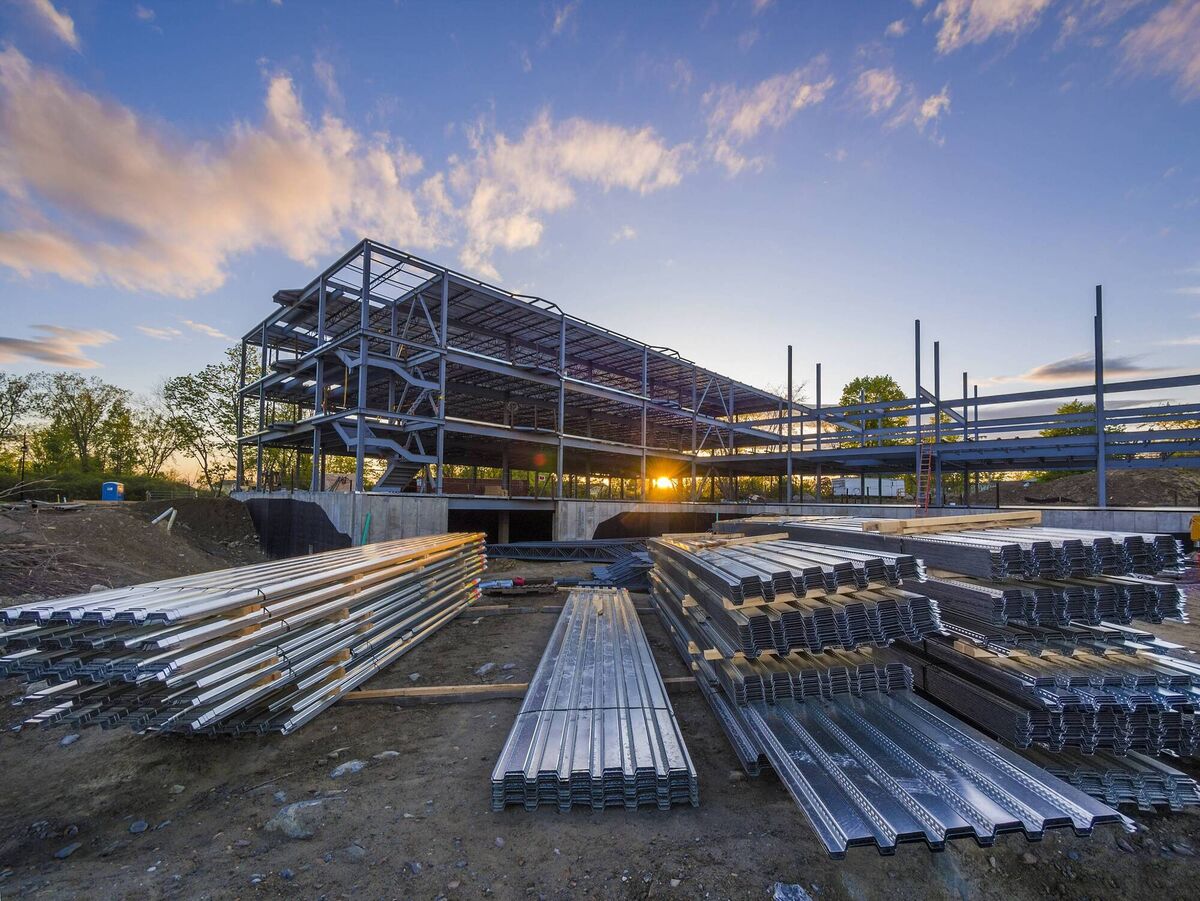
If an architect is designing your extension (as is often the case today) and architect will have a good idea of where steel is required but is not qualified to specify the steel (as this is an engineering discipline) so it would be for an engineer to input these steel beams once the architectural design is finished.
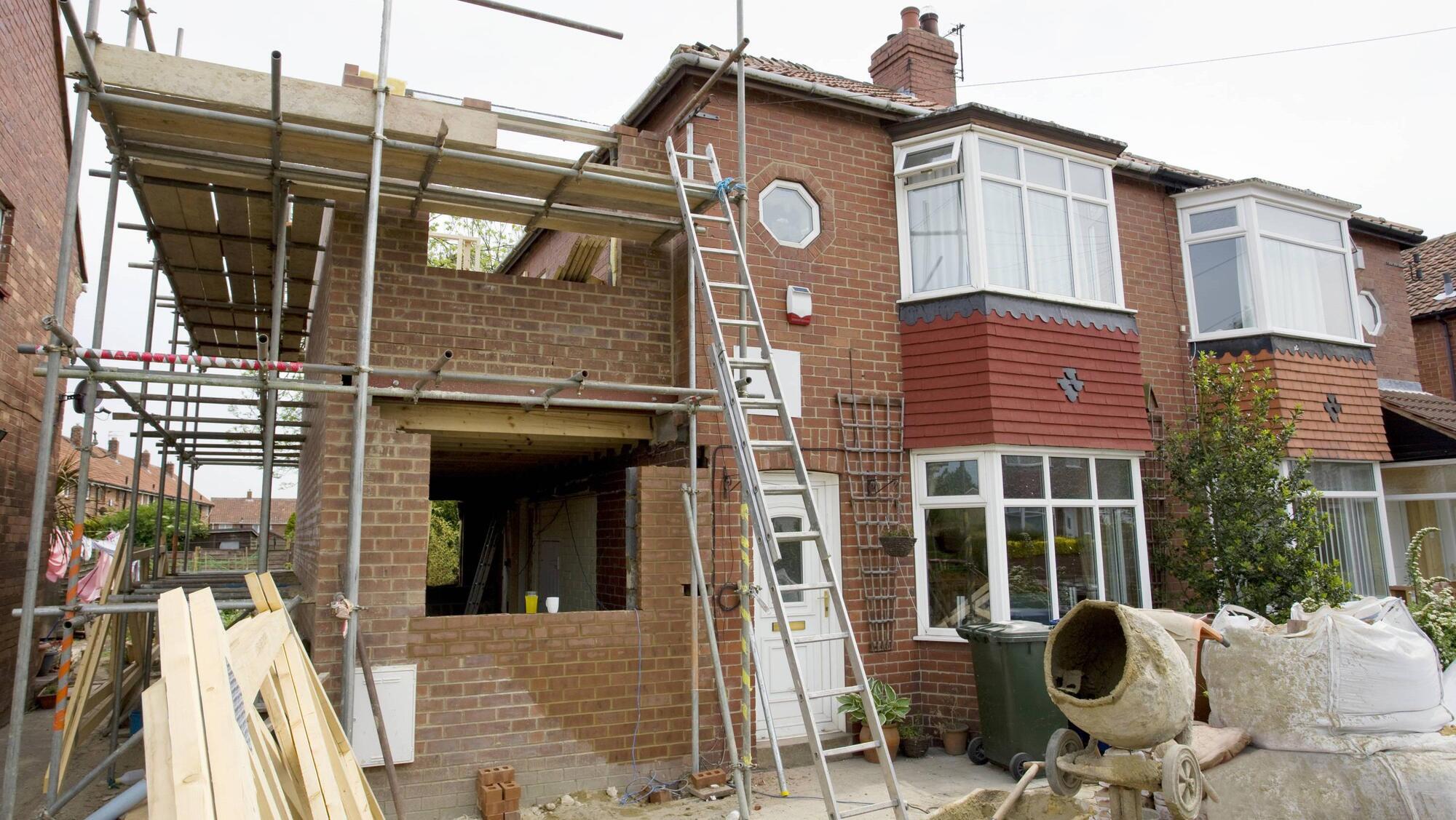
In general terms, when it comes to cost, I always tell people that the more elaborate and architectural design, the more it will cost to build. It may very well be that an elaborate design is needed to inject special flow into an extended living space or indeed capture a wonderful view or evening light and a genuine value in this feature but the steel input will certainly require an increased investment. If we take your example of the corner window.
This usually takes the form of two steel beams one one side of the corner, (one for each leaf of blockwork above) and a corresponding pair of beams running at right angles to support the blockwork around the corner of your building above the window. There would generally be a flat plate at the corner and yet another vertical steel beam (or column) going down to your foundation.

All these steel beams need to be galvanised for protection against rust due to their exposure to the elements (another cost, and delay) and in this case, the corner windows usually need flashings on the outside and inside to hide the steel structure.
In a single storey extension of say 40m2, the steel alone could come to between €5,000 to €10,000 depending on what is required and of course steel was one of the first building products to go up in price, though that has levelled a lot recently. So you can certainly see that steel adds considerably to the building cost of your extension but in terms of value (which is often overlooked when the costs arrive), I believe investing in high quality living space design for precious family life enjoyment is worth it in the long run.
- Kieran McCarthy is a building engineer and director of KMC Homes bespoke A-Rated new home builder, serving Cork and Limerick. He is also co-presenter of the RTÉ property show Cheap Irish Homes.
- Follow Kieran on instagram @kierankmc for more home building information, tips and Q&A advice. Tune in to Kieran’s new podcast, Built Around You on Apple Podcasts and Spotify and on the Built Around You Youtube channel .

CONNECT WITH US TODAY



Be the first to know the latest news and updates