Vintage View: Shop sustainably by choosing secondhand buys
Starting with furniture, we make the case for pre-loved bargains, both nearly new and truly old, that don't cost the Earth
Cheap furniture has no long term future and once you release it to the market, it’s probably headed to land-fill. Solid, honest materials can go around the block for decades. Picture: iStock

Cheap furniture has no long term future and once you release it to the market, it’s probably headed to land-fill. Solid, honest materials can go around the block for decades. Picture: iStock

Buying secondhand is complex. Yes, it’s an economical, Earth-friendly way to acquire robust well-made things we want and/or need, but there remains a deeply entrenched vein of insecurity amongst home-makers about picking up even the lightly used object.
Starting with furniture, the older the piece, the less likely we are to feel compromised by buying it in. Conversely, the 10-year-old object — well, that seems to recoil many of us. The faint slings and arrows of the last and still living owner stands out uncomfortably on the item. This thing resulting from another’s “upgrade” seems just too vivid. There’s a touch of bruised pride that can hold us back.

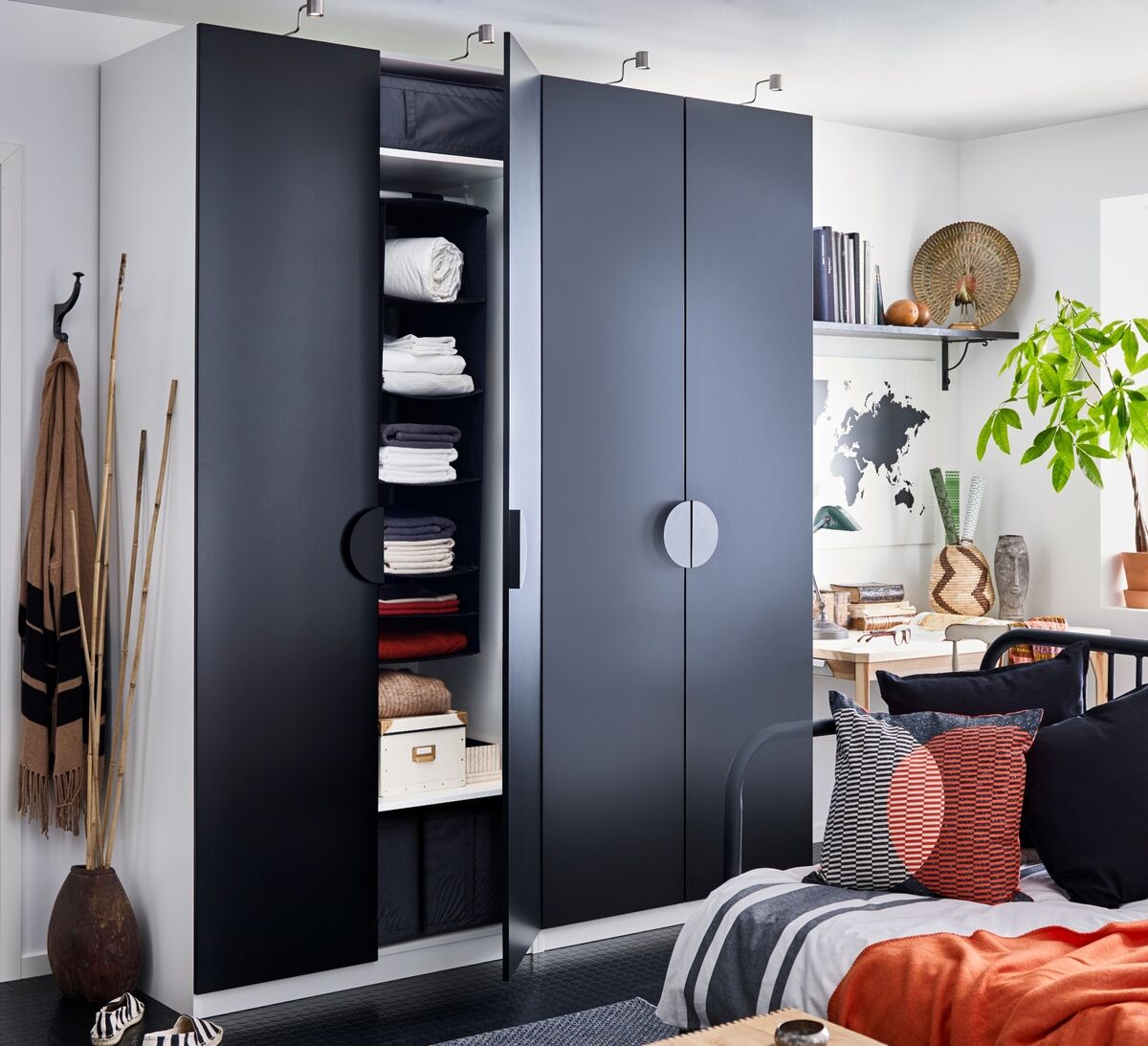
Pax wardrobe from Ikea, just one of the specified pieces you can return for a voucher reflecting 50% of their original price to spend instore. The scheme will restart at the end of lock-down at the Ikea store in Ballymun, Dublin, ikea.com/ie.

Sorry to sound preachy, but take a bit of old distress. Lovely honest wear on an antique laburnum credenza. A 12-year-old scuff on a lesser Ikea coffee table, unacceptable. It’s a pity. The Ikea table is here, it exists, and we might as well try to place it somewhere other than land-fill.

The external societal pressure for whip-crack perfection in the nearly-new is certainly at play. There’s always that one passive-aggressive nay-sayer, ready to judge, to roll a judgemental eye over your bargain, and exclaim tartly: “Oh, what a shame!”

CLIMATE & SUSTAINABILITY HUB

By the way, not to beat up on the Viking behemoth, in November of last year, Ikea bravely launched an initiative to allow customers to sell “as new” used furniture back to the retailer, giving back up to half the original price in the form of a voucher system to spend in-store (items are specified). It will relaunch as early as next week at their Ballymun outlet in Dublin.

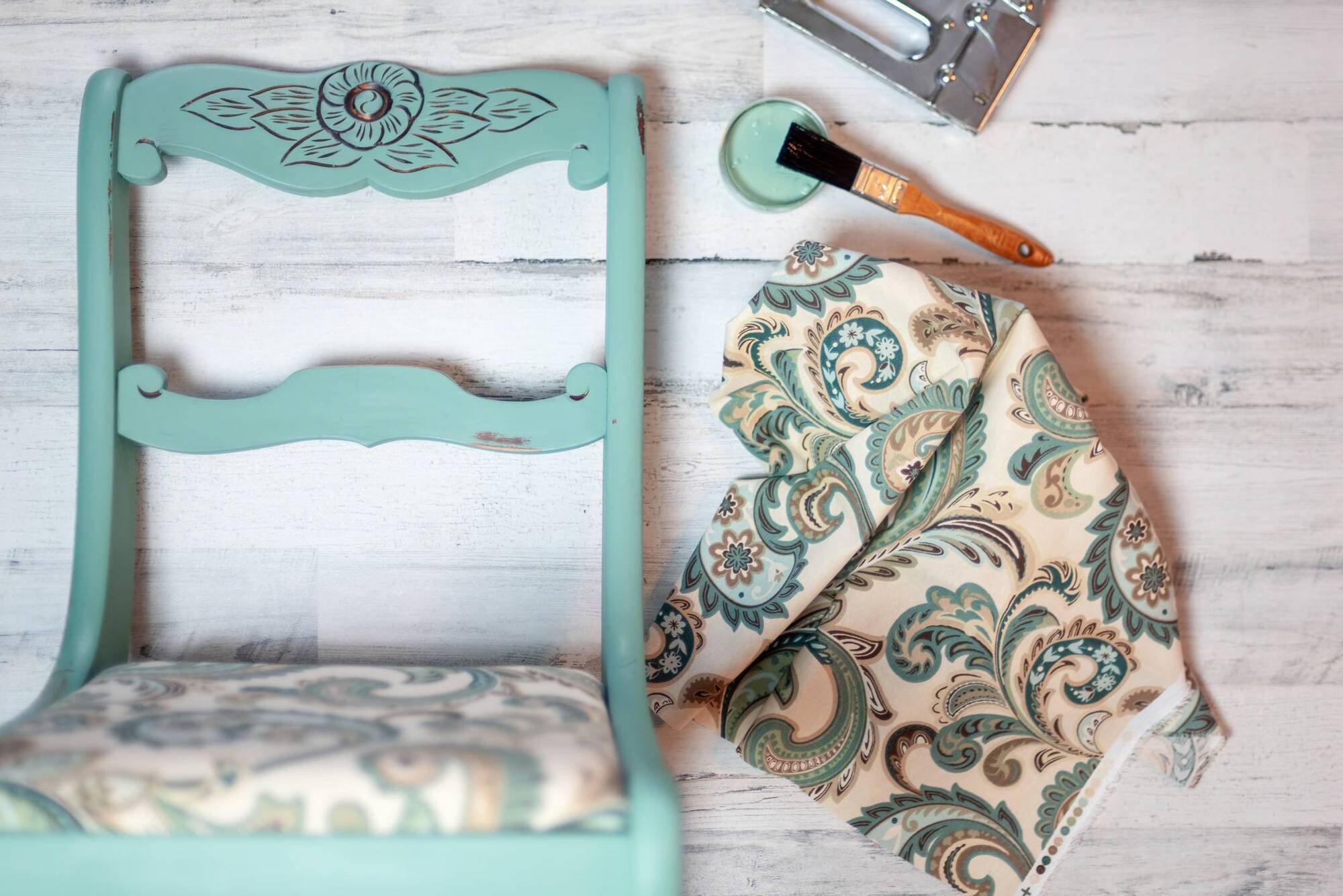
Upcycling with slaps of chalk paint and a holstered staple gun, has taken a hit since we shook off the mid-noughties recession, but there remains a community of brilliant hackers and crafters who refresh really sad bits of household stuff. I remember standing in a house in West Waterford that had been painted with (standard) household oil paint throughout.

Included were several florid super-sized murals of Mycenae bulls and birds. The failing planked floor was a harlequin of searing colours. It was fantastic, humbling. I think many secretly long to live in that authentic home where “well, I like it” is the guiding rule, free of the anonymous, manufactured and acceptable decor and objects. Unless curated by reputable interior designers, we’re often afraid to own our surroundings.

Sustainability Month May 2021 Banner

Given all that, one thing we can all agree about to stop the slide to the dump, is choosing quality, and that’s sustainable quality (right out of the gate) the first time something is bought in band-box condition.

Crucially, if the materials can be repaired and maintained, or genuinely improves on use; wood, stone, concrete, wool, leather and other natural and even good composite ingredients like corian and formica — there’s a chance to bring something back to its original state in the right hands. Plastics, resins, laminates and cheap synthetic fabrics that once damaged are terminally scarred; in general, don’t promise to wear and tear well.

Together with our desperation for the safe and a-la-mode right-here, right-now, there are items, many of them, that are not manufactured to last. Your kitchen and utility rooms for are full of them. These things have an in-built obsolescence; they are designed and expected to fail after a determined period of ordinary use. That’s alright; if that term is reasonable (15 years for a mattress), but throwing out white goods, furnishings, accessories, utensils and kitchen cabinetry after ten years, is something that would snap-straight your granny’s Marcel wave.

When buying something new, the environmental damage required to make it (explore the mission statement of your maker) and the longevity of a thing really does matter.

The issue of “total life cost” is something most of us shy away from. It simply remains the cost to us that matters. If something is truly quality, when you release it, there’s a chance it could perform decades more duty, or could at least be recycled.

Take a sofa, for example. The guiding number one thing that should prompt an adult buying a sofa (alright after the aesthetic excitements) is the stability and crafting of the frame. No, often you can’t see it — it’s buried under ticking and upholstery — but that’s where the real credentials of that sofa lie; longterm; the timber, the joints, the structural stability.

In the spirit of wear, love, repeat — clothes swapping apps in the UK and Ireland, are becoming increasingly fashionable as the largely cheap clothes they could replace, and it’s not a new idea.

A hundred years ago, loaning out smart outfit or suit to friends and family — taking them in, and taking them out with a little handiwork was a staple in any modestly budgeted girl’s arsenal of tricks.

NuW, formerly Nu Wardrobe, founded by Dubliners Aisling Byrne and Ali Kelly started as a means to share gowns for the sequin-spangled all-nighter that is the Trinity Ball. It grew to encompass everyday clothing exchanges as a means to reduce the negative influences (which are many) of fast fashions without quality or principal in their production.

Educated in part through Aisling’s time volunteering overseas in 2013, the making of cheap sweatshop garmenting is something the pair describe as having nothing short of “a devastating environmental and social impact” in parts of India.

To find out more about this vibrant social network (completely free when you’re a member by the way) go to wearenuw on Instagram. Simply upload images of our under-loved clothing using the NuW app, browse what’s on offer and use your NuW tokens to stake out a calendared term before it’s returned cleaned and ready for another flit across the social landscape.

Deliveries can be made through UPS, Parcel Motel, bike and in person if you live in the same area as your swapper. If the item requires dry-cleaning, that’s obviously your responsibility.

Due to the Covid pandemic, the team advises: “Allow any borrow or swap you receive to sit for 48 hours to allow any germs to die off. Please ensure you plan this into your time request” (thenuwardrobe.com).

Keep in mind that as lock-down eases second-hand and swapping outlets and events, will return including, Cuidiú Cork, the Irish Childcare Trust, who hold children’s clothes exchanges across the county.

Ticketed market events are often well worth the investment of €10-€15 if you
have five or more pieces of clothes in good condition to swap, so watch the online notice boards in your counties and larger towns. Vintage and pre-loved clothed stalls are a staple of most flea markets and boot sales. Don’t be stuck up about it, you could sweep up a stunning bargain that has fluttered down from designer rails. The hunt, and sense of being awake to environmental responsibility, is as exhilarating as the buy.

More in this section

Property & Home

Newsletter

Sign up for our weekly update on residential property and planning news as well the latest trends in homes and gardens.

Cookie Policy Privacy Policy Brand Safety FAQ Help Contact Us Terms and Conditions

© Examiner Echo Group Limited