Carrigtwohill infrastructure audit sought amid concerns over major population growth
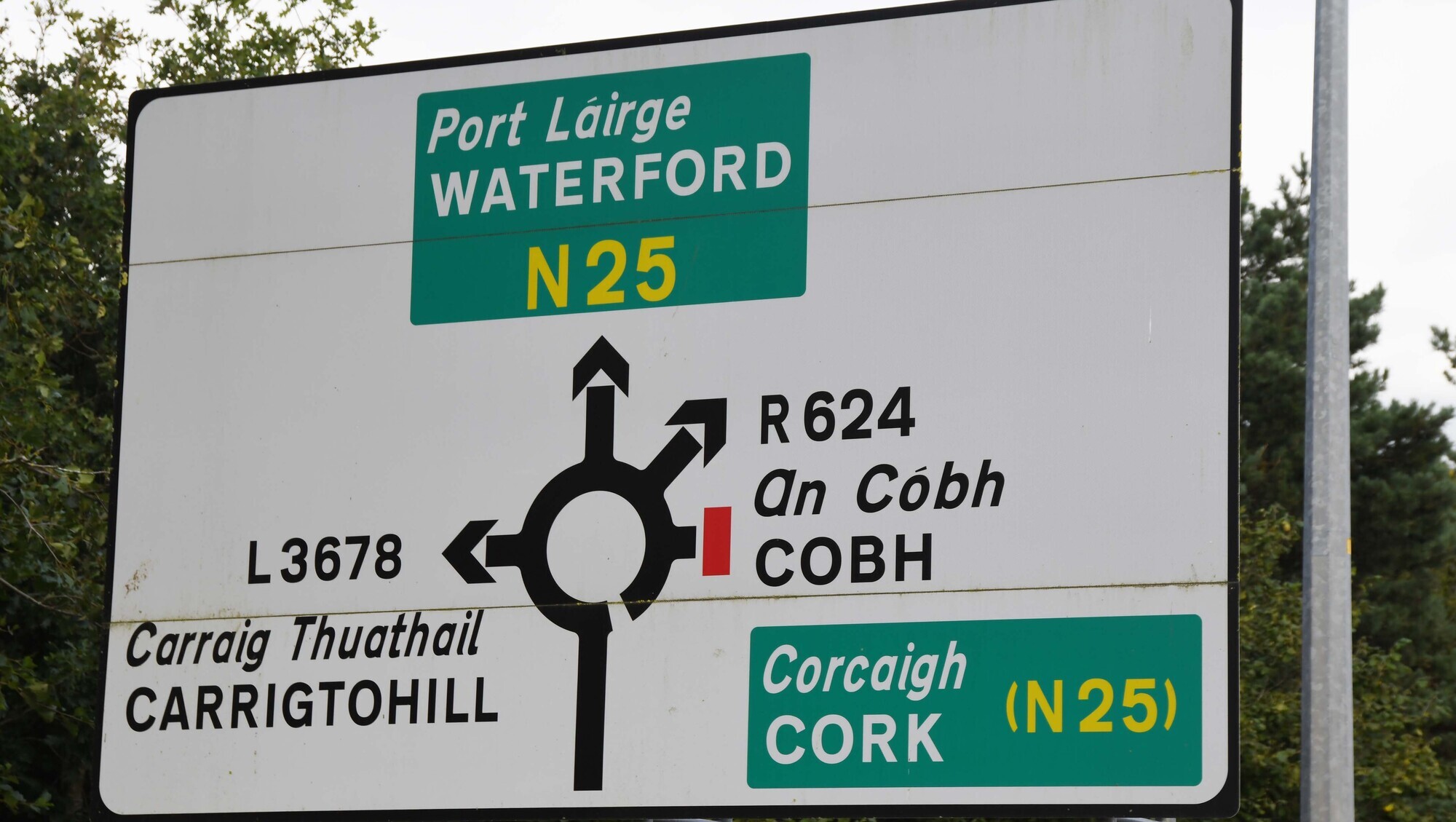
Growing concerns have been raised that Carrigtwohill is already grinding to a halt because of inadequate physical and social infrastructure. Picture: Denis Minihane
A sustainability infrastructure audit looks set to be carried out in one of Co Cork’s fastest-growing towns amid concerns that it will be unable to cope with a projected surge in population.
Growing concerns have been raised that Carrigtwohill is already grinding to a halt because of inadequate physical and social infrastructure, with facilities struggling to meet the needs of its existing population, let alone the projected growth in the years ahead.
Fine Gael councillor Anthony Barry, who lives in the expanding town, secured unanimous cross-party support for the audit at a meeting of Cobh Municipal District Council, which governs the Carrigtwohill area.
Councillors have called on Cork County Council to exercise the same due diligence as Kildare County Council, which regularly conducts comprehensive infrastructure needs audits in its growing towns.
Mr Barry said Carrigtwohill’s population currently stands at nearly 7,000. Until relatively recently, it was a village, but its population is expected to reach 10,000 within five years and at least 13,000 within 10 years.
CLIMATE & SUSTAINABILITY HUB
“There are already six building sites operational in Carrigtwohill and they are not small ones. There are also four sites already opened up in Water Rock (to the east of the town). And there will be many more to come as the areas are along the railway corridor which is designated (by the council) for massive development,” Mr Barry said.
“They've been promises of new roads, new sports pitches and parks. But that is all they are, just promises,” he added.
Read More
Mr Barry said other local authorities carry out detailed infrastructure audits, such as the one he and his fellow councillors are seeking, to ensure deficits are addressed as populations grow.
He cited Kildare as a prime example but acknowledged that Cork County Council does not have the same resources.
Kildare has a dedicated team to deal with infrastructure sustainability issues.
“It is far smaller and has a smaller roads network to maintain and a far bigger population. Cork County Council for its size is not getting the money it needs for central government,” Mr Barry said.
“The only reason all this house building is going on in the Carrigtwohill area is that it happens to be on the (designated growth) railway corridor. That is not, though, a justification for building thousands of houses without the proper infrastructure being put in place,” he added.
Mr Barry also said Cobh Municipal District Council was not receiving its fair share of central council funding for the services it has to provide.
The district has one of the largest ratepaying bases outside Dublin, with a significant concentration of industrial and commercial companies in Carrigtwohill and Little Island.
County Hall officials offered the local municipal council around €8m to run its services next year, but councillors unanimously rejected the allocation.
Mr Barry said other, much smaller municipal districts received significantly more funding and that ratepayers in his area were effectively subsidising other parts of the county.
Labour councillor Cathal Rasmussen said he was also concerned about infrastructure deficits linked to increased housebuilding in Glounthaune and his hometown of Cobh.
Council officials said they would ask the Economic Development and Strategic Planning Directorate to address the issues raised.

CONNECT WITH US TODAY



Be the first to know the latest news and updates