Home Q&A: Can I tile over splashback wall tiles in my kitchen?
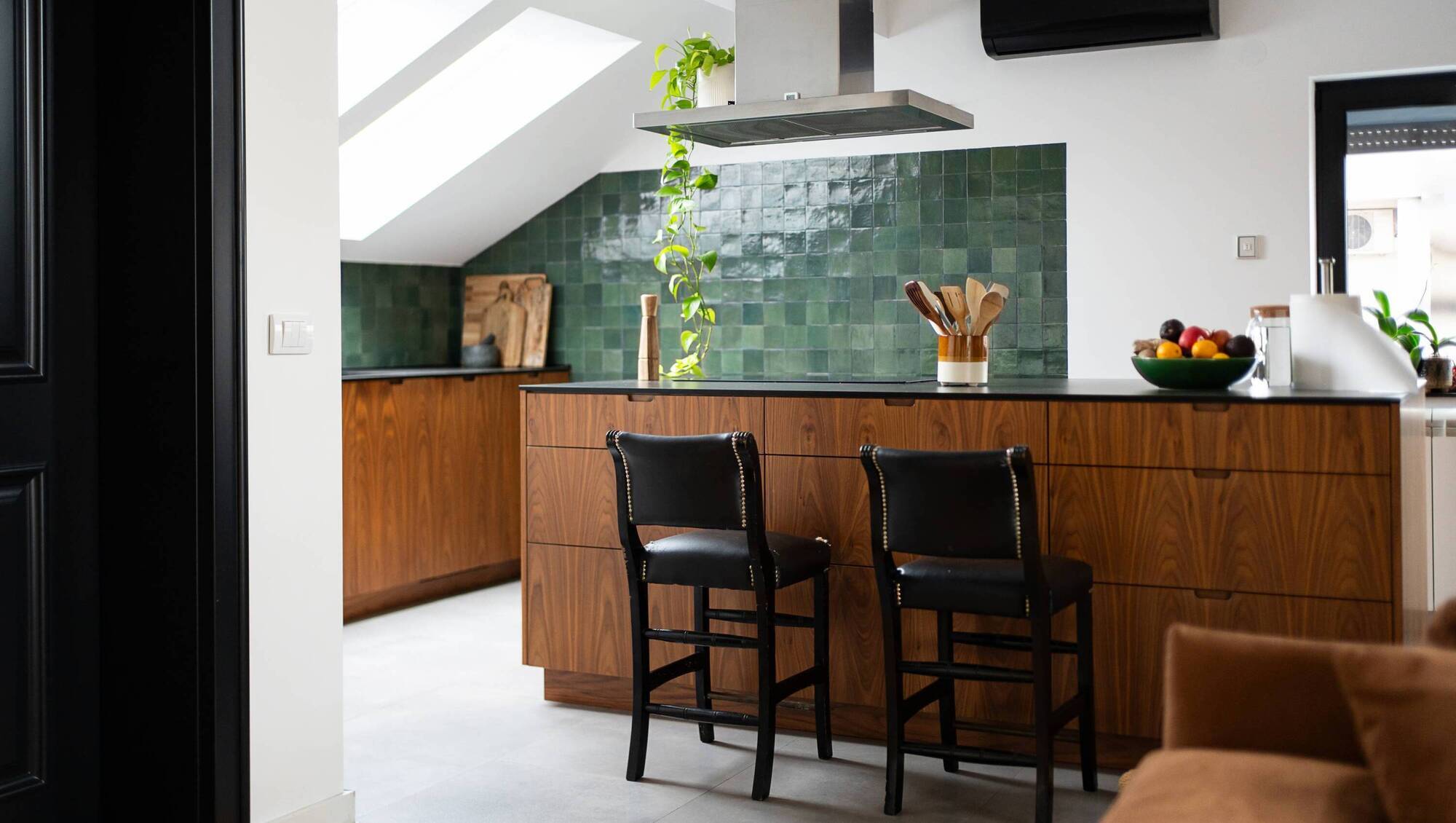
Weigh up the pros and potential challenges before you start tiling over your kitchen tiles. File picture
Yes, but weigh up the pros and potential challenges before you start. First of all, tiling on tile obviously does away with the tedium of taking down the existing wall tile.
If you are working on tiles set on plasterboard and skim, taking tile down can lever off chunks of gypsum. Not pretty. Furthermore, if the old tiles are stable and still stuck well down, the old tiles should provide a flat, stable surface to work on too.
So, why not just have at it?
Well, the primary issue tends to be the thickness of the new tile and the adhesive landing on the thickness of the old tile. This pushes the tile further out from the wall.
That additional depth can be obvious at edges, around power outlets, sinks, and worktops and can show on architectural details such as window reveals. We don’t want deep-set power points giving it all away.
Read More
If there are any issues with the tile you are covering up, the added heft of the new tile may lead to a wobble, and even a section of tile failing, taking a chunk of the plasterboard down if they fall.
If you’re working on tile set on plasterboard, don’t go over a finished weight of 20kg per square metre, including the existing tile.
Keep in mind that ceramic tile is lighter than porcelain. Check the old tiling before you start — and I mean every single one — for stability.
If you hear a hollow sound when knocked with a knuckle, the adhesive holding that tile may have a void and the tile could be loose. They should not move when touched or pressed with your fingers. Prise off any loose tiles if you can, and stick them back with fresh adhesive or fill the gap with mortar.
Always clean the tile well with a degreasing agent like sugar soap to ensure good adhesion as you place the next set of tiles.
Sand them to create a key, and use a tile primer, letting it dry before starting the new tile installation. Evo-Stik Technik Rapid Set Flexible Tile Adhesive is a good polymer-modified adhesive that forms a fast bond for tiles on tile, €40 for 20kg, multiple suppliers.
- Got a home improvement or DIY question for our Home team? Email home@examiner.ie
Read More
CONNECT WITH US TODAY



Be the first to know the latest news and updates