Jennifer Sheahan: Why your house is messy and how to tidy it easily
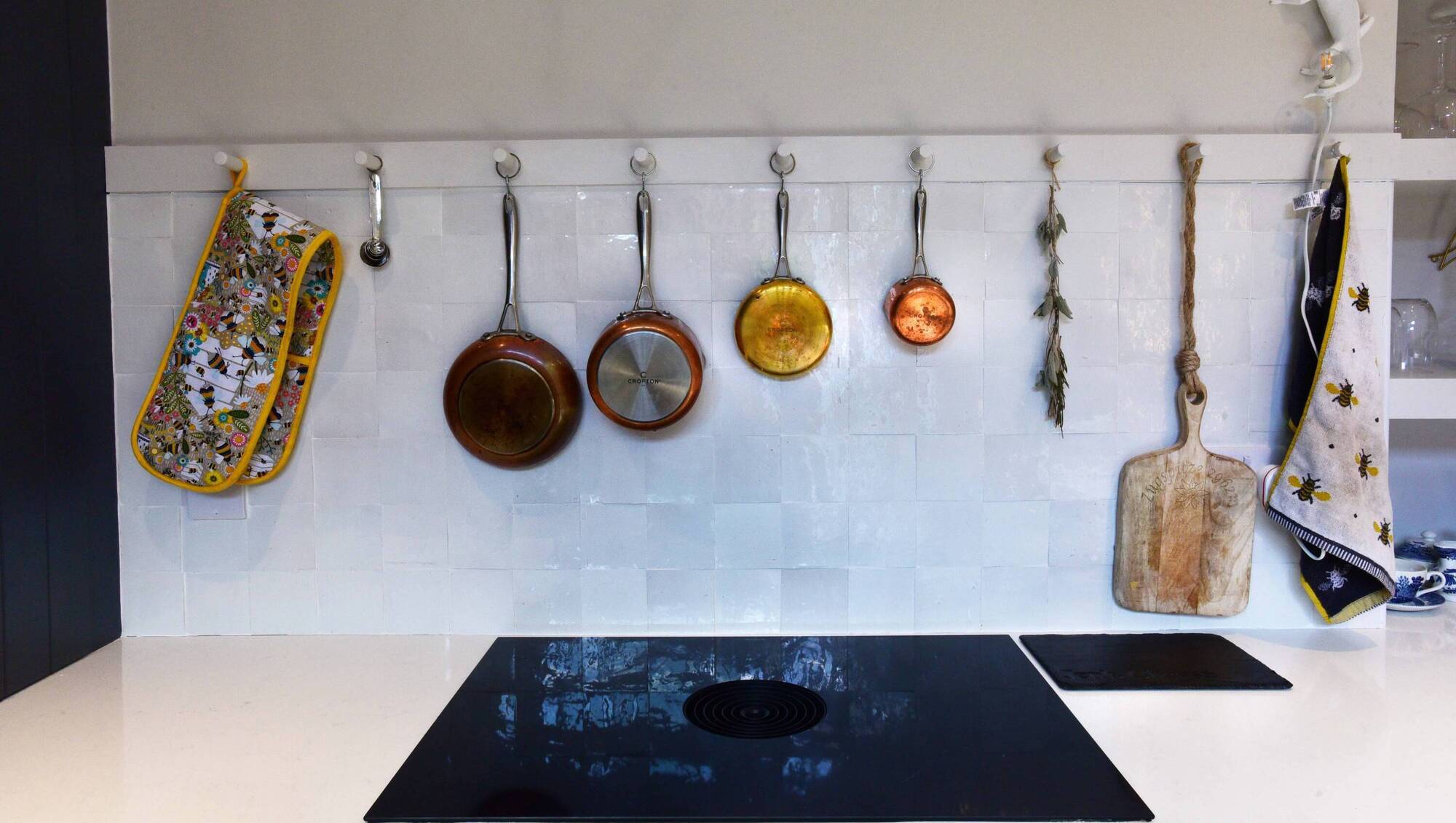
Open hooks, such as those in Jennifer Sheahan's kitchen, are easier for frequently used items. Picture: Moya Nolan
Every home has at least one dumping ground. It might be the kitchen counter where post, keys, sunglasses, receipts, and tote bags hang out together. It might be a chair in your bedroom that has never once been sat on, but holds those clothes that are not quite clean enough to hang back up, but that you might wear again (I know you do it; we all do). Or it might be the bottom of the stairs, where things intended for upstairs get stuck and form a little pile that you hop over instead of picking up every time until you trip yourself up.
Then inspiration (or exasperation) strikes and you clear it all away and your house looks dazzlingly tidy for seconds — maybe even minutes — until someone plonks a half-opened bank statement down on the dining table and the cycle kicks off again.
Earlier this autumn I wrote a piece about the psychology of clutter, and fell down a fascinating rabbit hole digging into research from the UCLA’s Center on the Everyday Lives of Families (CELF). Imagine my delight when I discovered they had written a book, titled Life at Home in the 21st Century.
Researchers from the CELF spent years studying thirty-two middle-class families in Los Angeles, photographing their homes, filming their daily activities, and documenting where their possessions ended up. They amassed almost twenty thousand photographs, so they know a thing or two about clutter.
The findings documented in this book were both fascinating and not shocking. What was predictable to me were the findings that kitchens, in our era, are the command centres of the household. Fridges are plastered with reminders, photographs, knick-knacks, schedules — the average fridge door held fifty-two objects. Three-quarters of these families couldn’t park their cars in their garages because they were so full of stuff. Meanwhile, some bedrooms lay empty and unused. Familiar, right?
What I did find fascinating was that these families spent money on home renovations, but this investment did not result in clearing the piles of mess lying around these houses. There was a mismatch between how the houses were designed and how the families actually used them. We spend a fortune making rooms look better, but often neglect to make them work better.
Aspiration is the enemy of great interior design. For the same reason we spend money on gyms we rarely work out in, we design homes for a version of ourselves that is never going to materialise. A healthy dose of realism is the answer. We simply need to be honest with ourselves, and design our homes for how we actually live, not how we think someone who has cleaned and tidied their home for an Instagram reel or a magazine shoot lives.
The clues lie in the piles of recurring mess in your home. Instead of admonishing ourselves for putting things in the wrong places (and for not going to the gym), we need to create the right places. Here’s an exercise: for the next few days, resist the urge to tidy up immediately and instead notice where things accumulate.
Notice where people in your household leave things when they come in the door. Pay attention to where things get stuck en route to their intended destination. Follow the evidence.
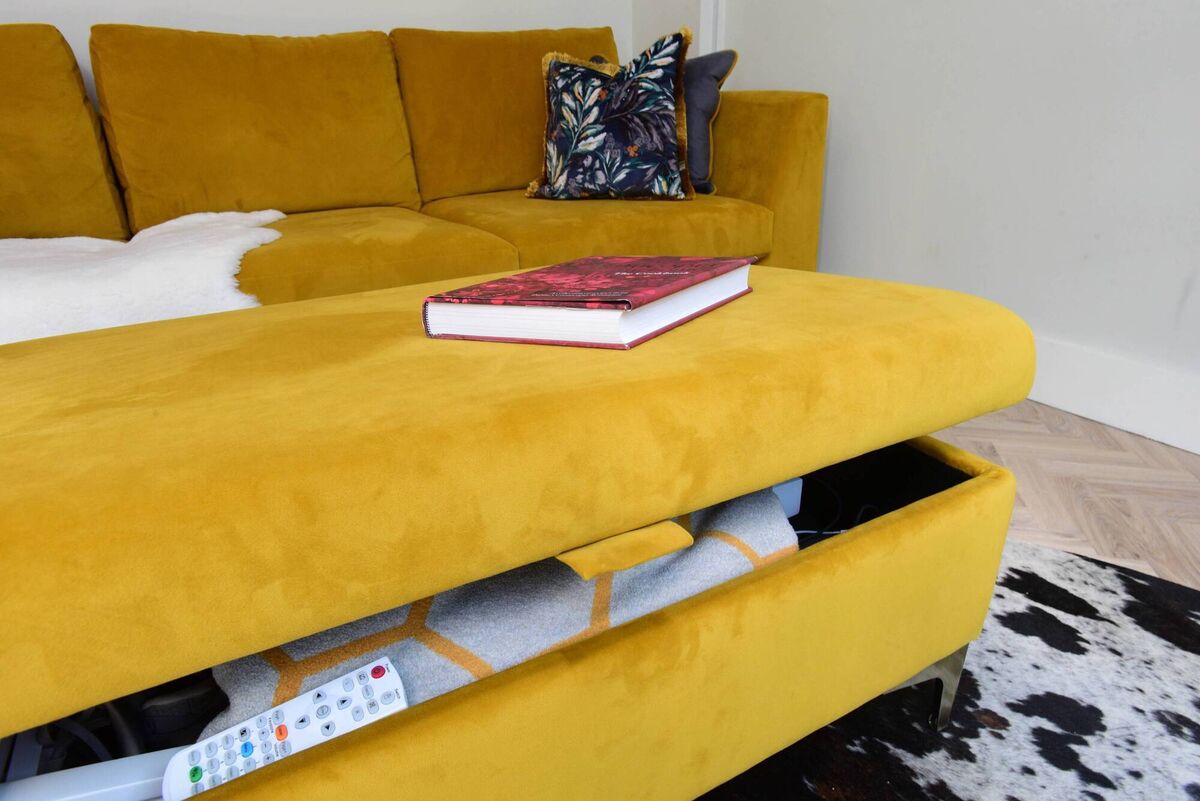
Once you have gathered this information, implement fixes. If bags get dumped beside the front door, put hooks or a shelf there. If shoes tend to gather under the kitchen table, put a basket or a shoe rack nearby. If everyone leaves their phones charging on the kitchen countertop, install a charging drawer to clear cables and devices.
Humans are so predictable. We will choose the easiest (or most pleasurable) option almost every time. We think we will be different tomorrow — more disciplined and energetic. We’re lying to ourselves. In reality, we’re busy, tired, lazy, stressed, and just not bothered to carry our shoes to the other end of the house or immediately read and file every piece of post that comes in. So we need to make it easier to do the things we have to do every day.
Open hooks are easier than hangers for coats you wear often. A basket is easier than opening the door of a press to put away children’s toys. A chic bowl beside the front door is easier than a drawer for keys. An open shoe rack by the door (vertical, if space is needed) is easier than a wardrobe for frequently worn shoes.
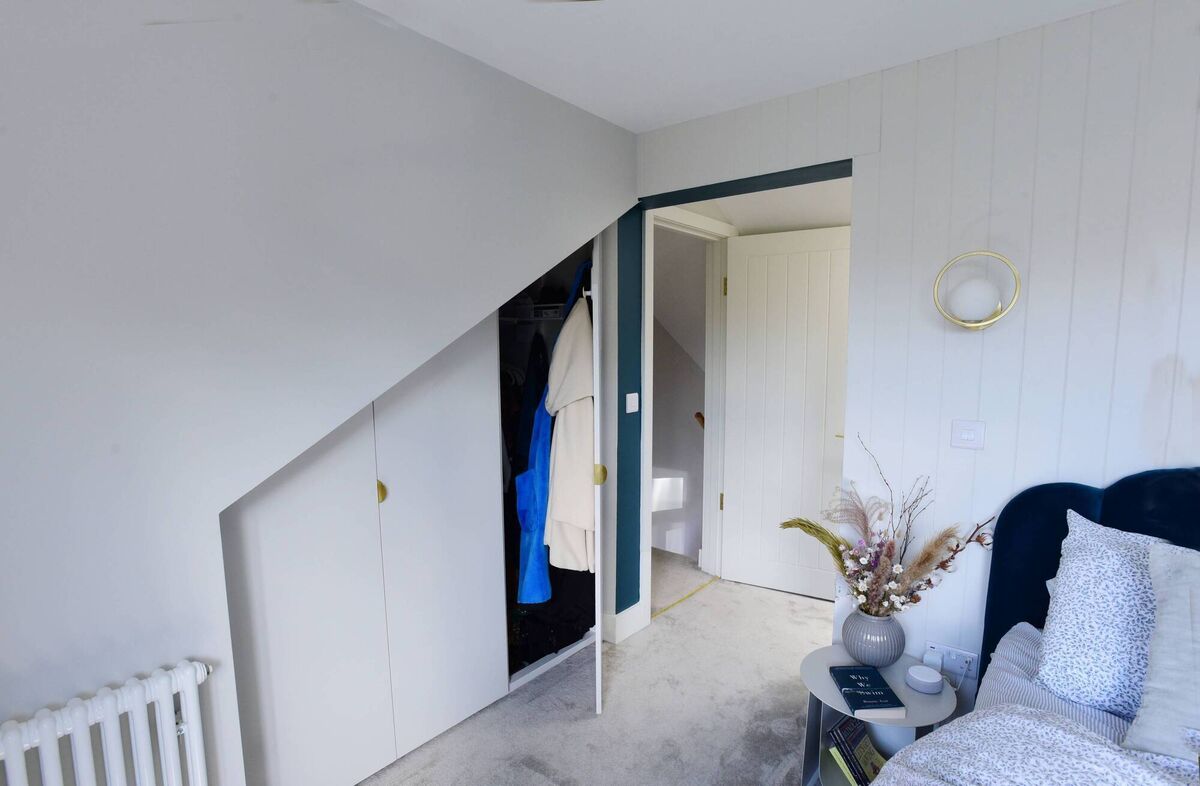
I say this as a woman who holds deep admiration for built-in joinery. I also know I won’t open and close doors multiple times a day, so I add in some open hooks and shoe racks at the points where I know everyday items will otherwise be dumped.
There are some household items that naturally spend time in purgatory before moving on to their ultimate destinations. Post, those clothes that are neither fresh nor dirty, things that need to go upstairs but are waiting until someone is ready to climb said stairs. As I said in my last piece, these are all items in transit, giving them a dedicated in-between zone to hang out in while you tend to more urgent matters will go a long way to reducing the appearance of clutter.
Of course, we can tidy up all day long and design solutions to address our consumerism, but no amount of clever design can accommodate an unlimited number of possessions. Sometimes, you just have to clear things out. And sometimes, there is a real division of labour problem that an interior design solution will not solve. What I am saying is, before you spend money on additional space, watch instead how your household works for a few days. Note where items accumulate, where they are used, where they are abandoned. Where your frustrations centre. Could a clear-out, a hook, a shelf, or a basket resolve the problem?

CONNECT WITH US TODAY



Be the first to know the latest news and updates