Protecting your garden trees: Identifying threats and ensuring longevity
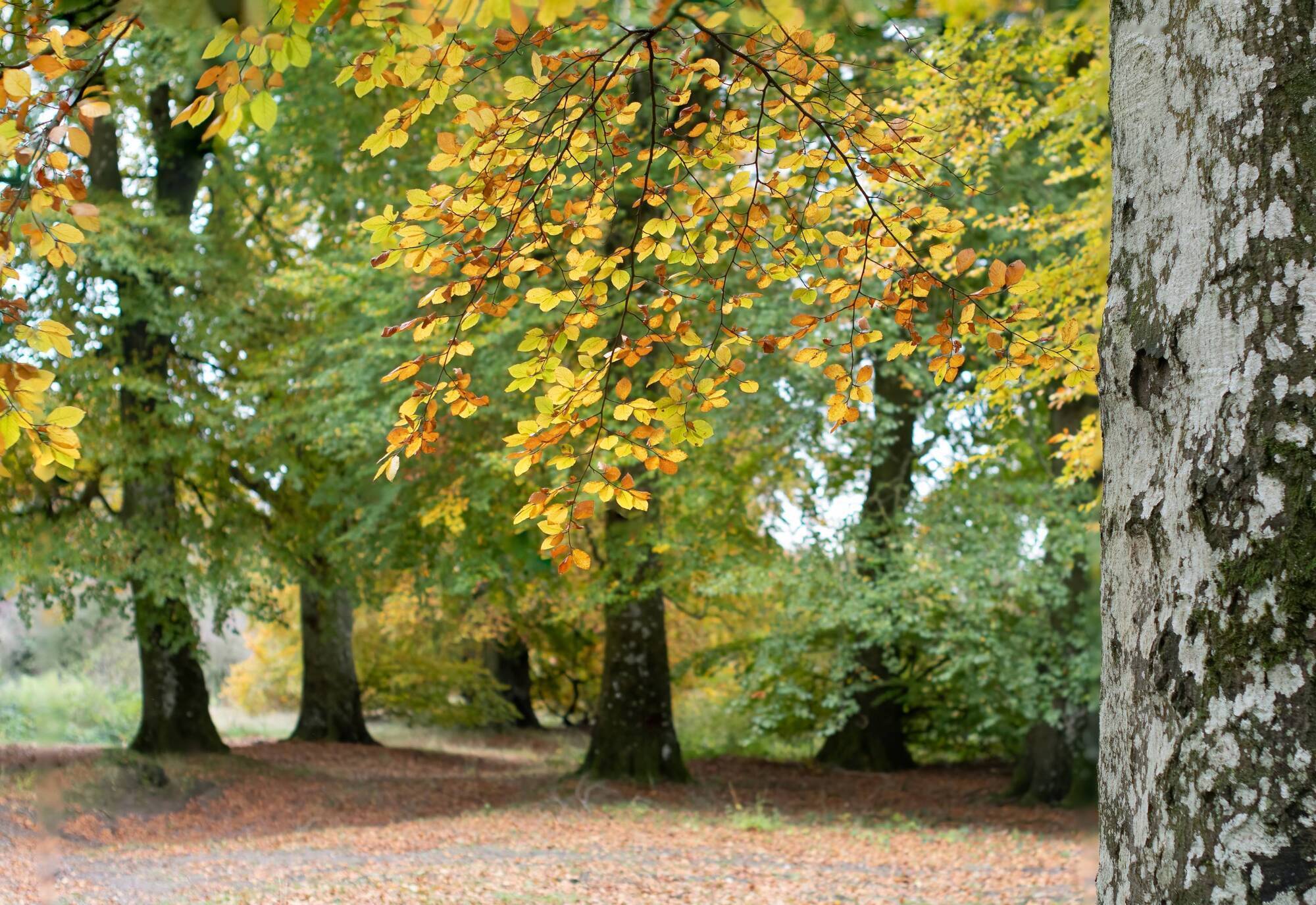
Given its vast size, you won’t find this arboreal giant of the woodlands growing in that many Irish gardens.
I was a toddler when I first kissed a tree, a habit I’ve never grown out of. I love them all, but if I had to name a favourite, it would be the European beech, Fagus sylvatica, for its extraordinary grace and remarkable sense of presence, a sort of sacred quality that makes you want to rest your face against its cool, silver-grey bark and inhale deeply.
Last week I heard the unholy sound of one crashing abruptly to the ground in the woodlands bordering our garden, its giant, vaulted canopy of branches splintering into a thousand pieces as it collapsed beneath its own weight. Almost certainly a victim of advanced old age- Irish beech trees rarely reach more than 220-240 years old- its demise was probably hastened by the stress of this summer’s prolonged drought and the sustained floods of last winter.
Given its vast size, you won’t find this arboreal giant of the woodlands growing in that many Irish gardens. But the increasing number and variety of stressors that the noble beech must contend with are the same as those confronting many other popular, smaller species of garden trees, which together form a perfect storm as regards threats to tree health and longevity. That list includes climate change, weather extremes, fierce winter storms, urban pollution, exposure to fertiliser run-off and commonly used household chemicals such as de-icing salts, a rising tide of pests and diseases, soil compaction, and mechanical damage caused by inappropriate strimming, pruning or chafing against tree stakes/ tree ties.
Poorly managed building projects where materials and excavated soil are left piled up around the root systems of trees are another common source of injury and ill health, as is inappropriate hard landscaping - for example, hard paving, paths, walls, car parking spaces and underground pipes- being installed overly close to their vulnerable root systems. Likewise, trees can also start to sicken and die when their developing root systems come up against buried builders’ rubble or into contact with run-off from a leaking waste pipe hidden deep underground.
Adding to the challenge is that identifying a sick tree in need of timely intervention can be harder than it looks, especially when it comes to older specimens. Yet it’s crucial so that we gardeners can do what’s needed to support their health and extend their lifetimes.
Typical signs of stress? In many ways, sick trees are not unlike sick humans, expressing their discomfort in a variety of sometimes subtle ways, from a thinning canopy, delayed leaf break, early leaf drop, wilting or discoloured foliage, dieback of young shoots, and brittle, broken, or falling branches, to peeling or broken bark, cracks, deep splits, fissures or oozing wounds in the trunk of the tree, and the appearance of fungi/mushrooms on or close to the base of the trunk. Chronic symptoms include any signs that the tree’s root plate is no longer stable, such as obvious rocking of the tree, or if some of its previously buried root system starts to appear above ground. Confusing the issue further is the fact that extreme old age can also result in any of these symptoms, being a sign, much as we might dearly wish it were otherwise, that a tree has simply reached the natural end of its life.
What to do? Prevention, as always, is the best approach, which means providing our garden trees with the kind of growing conditions that suit them best. Depending on the particular species, this might be a deep, cool, humus-rich, neutral to acidic soil in a lightly shaded, sheltered spot (the sort of growing conditions loved, for example, by varieties of Japanese acer, magnolia, camellia, dogwood) or a free-draining soil in full sun (yew, beech, olive, gingko). Careful site preparation and using the correct planting and staking techniques are also key.
By understanding their needs, we can then more easily recognise when they’re not being met. For this reason, care of any ailing tree should always start with correct identification, the first and most important step towards deciding how best to then manage any disease or injury.
Of course this too can be challenging. We may very possibly have long ago forgotten the name of a much-loved tree, or perhaps we never knew it, having taken on a mature or semi-mature garden where the planting was carried out decades earlier by its previous owners.
If so, then consider using one of the many plant ID apps available, most of which will do an impressive job of identifying the species, if not the exact variety. Some are also designed to diagnose common pests and diseases, thereby taking away a lot of the guesswork. Examples include the British Tree ID app from woodlandtrust.org.uk, PictureThis, Pl@ntNet and Observatree.
If you do strongly suspect that a garden tree is suffering from a serious, potentially life-threatening disease such as honey fungus; ash dieback; acute oak decline; horse chestnut bleeding canker; or phytophthora (see rhs.org.uk for a detailed description of symptoms), then a qualified arborist can skilfully advise on the best strategy in terms of effectively managing these.
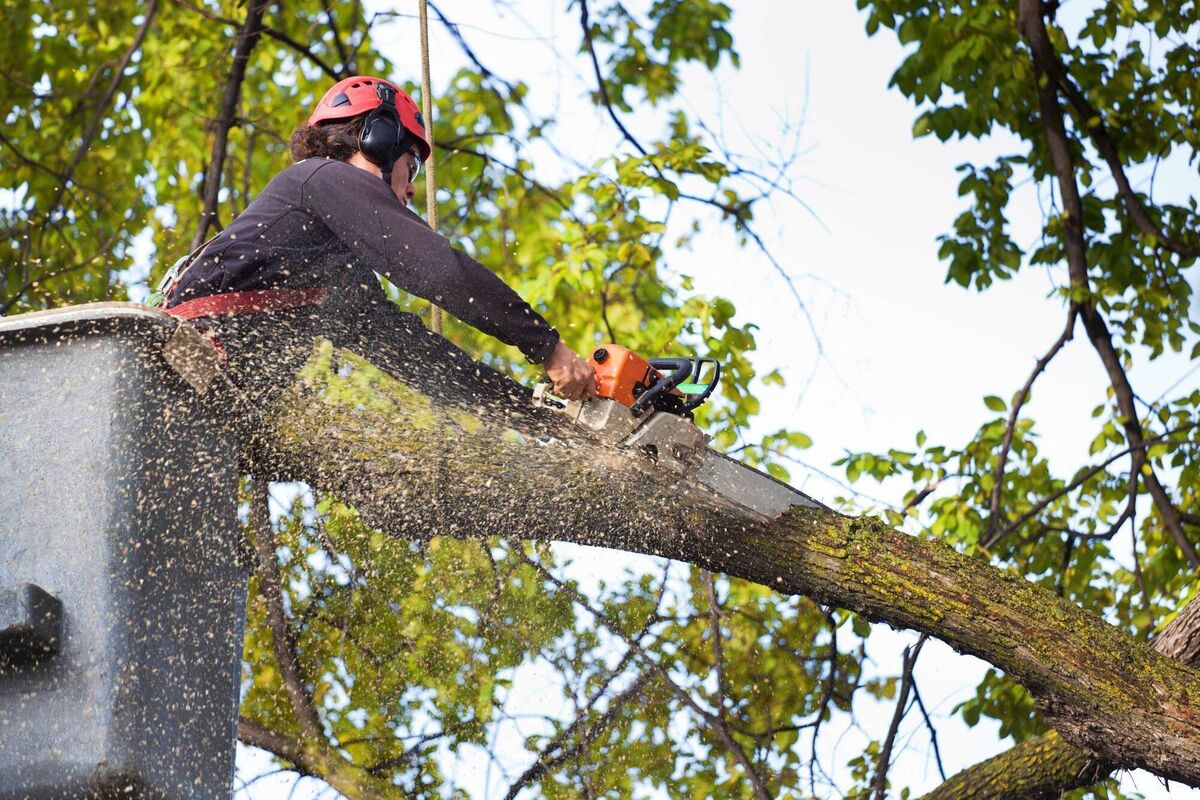
Also bear in mind that any signs that a tree is unstable, especially if discovered soon after a storm or gale, should ideally be quickly assessed by a qualified arborist, who may advise that the afflicted tree be skilfully taken down to prevent the risk of serious injury or damage to property.
Thankfully, this isn’t typically required for the vast majority of storm-damaged trees, most of which simply need to have any deadwood, broken or hanging branches removed and their crown reduced to create a more balanced silhouette. But much like a human with a broken arm or an infected cut, speedy, skilful treatment is key to preventing much more serious problems down the line.

CONNECT WITH US TODAY



Be the first to know the latest news and updates