10 top ways to switch your kitchen from bland to brilliant
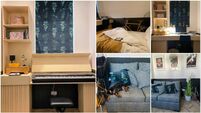
A stunning bespoke pantry cupboard in gorgeous timber laminates from Noel Dempsey Kitchens (Dublin) curates a coffee lover's collection and offers oodles of extra storage. Pantries and built-in barista areas can be used for anything from working over a short desk to pastry-making.
Styling our homes is a form of self-actualisation. When we get it right, it’s balm to the soul (and the bank balance). Here are a few unexpected areas to put a polish on a kitchen, elevating it from the ordinary to the delicious and wholly unexpected.
With all the paraphernalia of modern existence, a tangle of chargers can really get in the way. Install a power-drawer with both three-pin AC outlets and USB charging points to take some essentials off the counter. The outlets can be recessed to the back of a drawer.
This spot can also be used as extra outlets for small low-wattage appliances when you’re under pressure. The kitchen island or a length of peninsula is a great spot for this bonus. Have your Safe Electric-registered technician do the job, placing it within the dry side of the joinery where your phone/camera/tablet will be protected from damage.
Where you can, conceal or enhance the other outlets. Pop-ups and discreet locations with smart brass or brushed steel covers can make all the difference. Put in two more double outlets/USB points than you think you will ever need, no less than 600mm from heat or running water.
Putting a sink on the island is a seriously bad design moment, as it leads inevitably to a heap of dishes right in those carefully navigated sight lines. In an open or broken-plan setting, this detonates the calm and sophistication of a beautiful new kitchen. Look into the emerging fashion for the scullery (room) just off the kitchen. It can be windowless once ventilation issues are addressed.
Setting your hob in the island — vented induction is your friend, disposing of a visually interrupting suspended canopy. The price for the canopy and the hob could easily exceed the price of getting one appliance encompassing both venting and rings.
There’s nothing sexy about pinched passing room. One of the most important measurements in any kitchen, be it a single galley or half an acre of glittering heritage décor, is enough room to open an appliance drawer/door on either side, without a near collision in the middle.
With deep, front-to-back opening drawers and dishwashers, this width is less comfortable below 120cm. A little more space will add a sense of grandeur and enough room for a couple to waltz around each other, passing to different areas of the kitchen. Check for movement near any articulated piece, including doors where clashes could happen.
Cabinets without drawers are the chocolate teapots of kitchen life, demanding an uncomfortable thrash to the back to get orphaned items. Head off clutter and chaos, detailing larger cabinets with drawers that pull out front-to-back.
Expensive? Absolutely. It will likely double the price of the cabinet. Still, as you change the door colour, replace the panels and so on, those interior pieces will most likely last the lifetime of that complete kitchen. Ask your designer to include pricing for storage that comes to you, including top shelving with pneumatic hinges that swing down to your actual reach, pull-out wire pantry shelves and carousels. Then go into the drawers with dividers and plate-pegs for the final ergonomic gloss.
One of the most exciting new trends is for slender drawers-within-drawers for base cabinets — fantastic for cutlery and utensils. Budget trick. Crate up your items into boxes you can slide out on a cupboard shelf.
Take that splashback to a full slab of something without grout lines, and if possible, fill in the area right to the underside of any wall-hung cabinet or right to the ceiling if you have the space. This is a far more indulgent look without that dirt-catching grid of tiling. For an economic alternative, look into digitally printed wall panels behind toughened glass if you’re using the wet side of the kitchen.
We love our counter buddies. However, shouldering that double-drawer air-fryer or German juicer into a cramped out-of-the-way cupboard can be truly exasperating. A dedicated, tall cabinet with adjustable shelving heights to suit your armoury will allow you to cool, wash and wind up your leads and place these appliances neatly in their bays.
Ensure you have room to put heavier pieces within comfortable reach — waist level is perfect. Lesser-used servants can go higher or lower. If you fall for the scullery trend, the appliance garage could go in there, even set into the wall containing the door or passing corridor.
Place cutlery where it does not interfere with cooking if someone wants a cup of tea at 6pm. Ikea offers a handy and inexpensive counter-mount solution, great for sliding into that gap under wall cabinets. The Tittebo comes in black with a tambour action door, for just €179, ikea.com/ie.Turning to major appliances. If you would lift your oven to eye-level, why not lift your dishwasher to waist level?
It’s amazing how much money we’re prepared to spend per metre on marble and real stone counters, and then we let the whole job down by ignoring the influence of edges. Many contemporary kitchens can carry a visually square edge that’s actually slightly eased in porcelain, quartz or ceramic-sealed lava stone. It’s sleek, clean, modern — it’s enough. Never leave a sharp corner where it could snag skin or clothing.
For a more heritage feel, a crafted worktop edge looks fantastic. If you’re really stretched but determined on a natural stone counter — use deeper edging trims to suggest a thicker slab. Otherwise, explore the many forms of decorative edge like double-ogee, mitred edges, recessed fluting, scallops and bull-noses to fully celebrate this stunning buy. Square edges on marble are prone to chipping compared to an eased edge.
Some kitchens, for all their glossy sophistication, have a cold, synthetic, spare character. Even if intentional, it speaks to the fact that these materials will not be repaired, because they cannot be repaired. Choose a modern kitchen that’s robust and easy to restore to guard it from the landfill (where all composite materials will go). Look for the inclusion of recycled materials that will reduce the overall carbon impact of a new kitchen. Include at least some sustainable materials such as wood, stone, and oxidised metals that can be repaired or enjoyed as they change colour, weather with UV light and use, gifting organic calm to the space. It could be a table, shelving or the flooring — wood is always visually warming — the original golden neutral.
This is something increasingly expected in a new kitchen with the room for its inclusion. You don’t have to be a coffee lover to include this cabinet magic. If making bread or pastries is your distraction — create a cabinet that swings open, offering up integral LED lighting, a slab of cool marble for kneading, with all your ingredients in containers and to hand. The single appliance might be a bread maker, a coffee maker, a sewing machine — make it personal. Without including you in your kitchen, it’s just a showroom. Pocket doors are extremely useful in this and so many situations, as they won’t close you off on both sides when open (interrupting traffic flow). Add overhead storage and an extra drawer or two to the base, where you have room.
Taking storage to the ceiling (ordered by height according to their use) — there’s one irritating detail that many interior designers loathe. It’s that 10cm to 20cm gap at the top of built-in tall cabinetry. This is not a shadow-gap; it’s a nuisance ditch that collects dirt. It looks unfinished in all but a vintage-inclined, unfitted kitchen. It’s so easy to hack those IKEA cabinets or any fitted kitchen with a trim piece to join the cabinets to the ceiling. This instantly looks more considered and bespoke.
Another solution is a structural infill (dropping that area of ceiling) with framing and plasterboard — easily done as a second-fix. Coming down through open shelving, think about track lighting to add a lovely evening light for crossing the kitchen. Retrofitting on a budget, rechargeable under-cabinet lighting with a nice warm kelvin reading of 2700K to 3000K plus is a cheap cheat. Many of these units also offer proximity PIR motion sensors to meet your arrival.Prioritise task lighting and then layer up that mood lighting.