Creative solutions to ensure your property is not overlooked
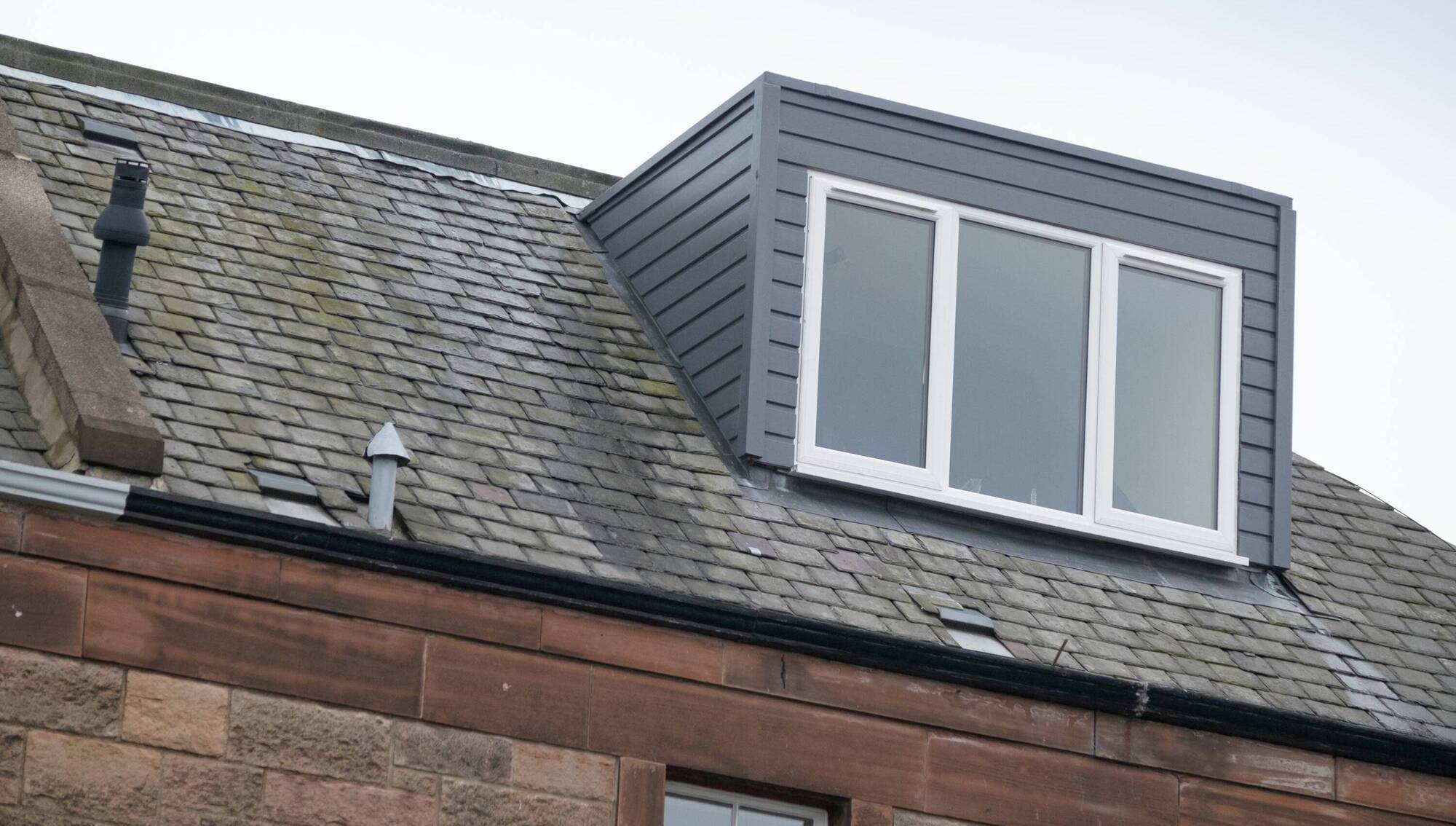
Box dormers in the rear roof are included in the new exemptions to planning permission. In some cases, legal dormers and/or extensively glazed extensions may lead to new lines of sight, changing the perceived privacy of gardens backing onto the property. Picture: iStock
We all value a sense of privacy in our back gardens. Planning exemptions are loosening in the coming months. This may pique the anxiety of householders who feel the rear of their homes will be open to greater scrutiny, especially from above.
According to the government (although a tranche of new exemptions is still in play), a new exemption "will provide for extension via the addition of a dormer roof box and/or roof light on the principal dwelling” (Gov.ie/April 21, 2026).
Additionally, if another highly anticipated exemption is passed by the Oireachtas, there could be a 45m residential modular building two metres from an adjoining side or back garden fence. It might be largely back-hairs, but our perception of privacy, separation and seclusion around the back of the house raise issues around overlooking and any increase in human presence over the fence can really hit home.
Privacy for a residential property is protected to some degree by existing set-back rules and orientation stipulations for extensions, windows and balconies. Going forward, there will be firm conditions on exempted dormer window developments and back-garden cabins.
Still, if there is a proliferation of attic conversions, homeowners with gardens facing into the back of other homes may feel under scrutiny due to the steep viewing angle of completely legal box-dormers (however distant). Some closely packed suburban properties have odd angles on shared boundaries, offering the families up as an all-too-visible soap opera to neighbours standing at upper windows.
Subjective or not, a home that once read as visually secluded can start to feel hemmed in by surrounding architectural change. This can be genuinely overwhelming. Let’s look at some proven solutions to soften and break up intrusive sightlines, the approach taken by any good landscape designer.
First of all, we can add higher screening around and within the garden, using fencing and layers of planting to shield us from view and views. Don’t limit yourself to boundary screening; move it out across the lawn or pavers.
Where are the problem areas? Do you want dense protection or dappled light? Consider the aspect and lengthening shadow during different seasons. Putting screening too close to the house can create shadow, frost-pockets and reduce downstairs light.
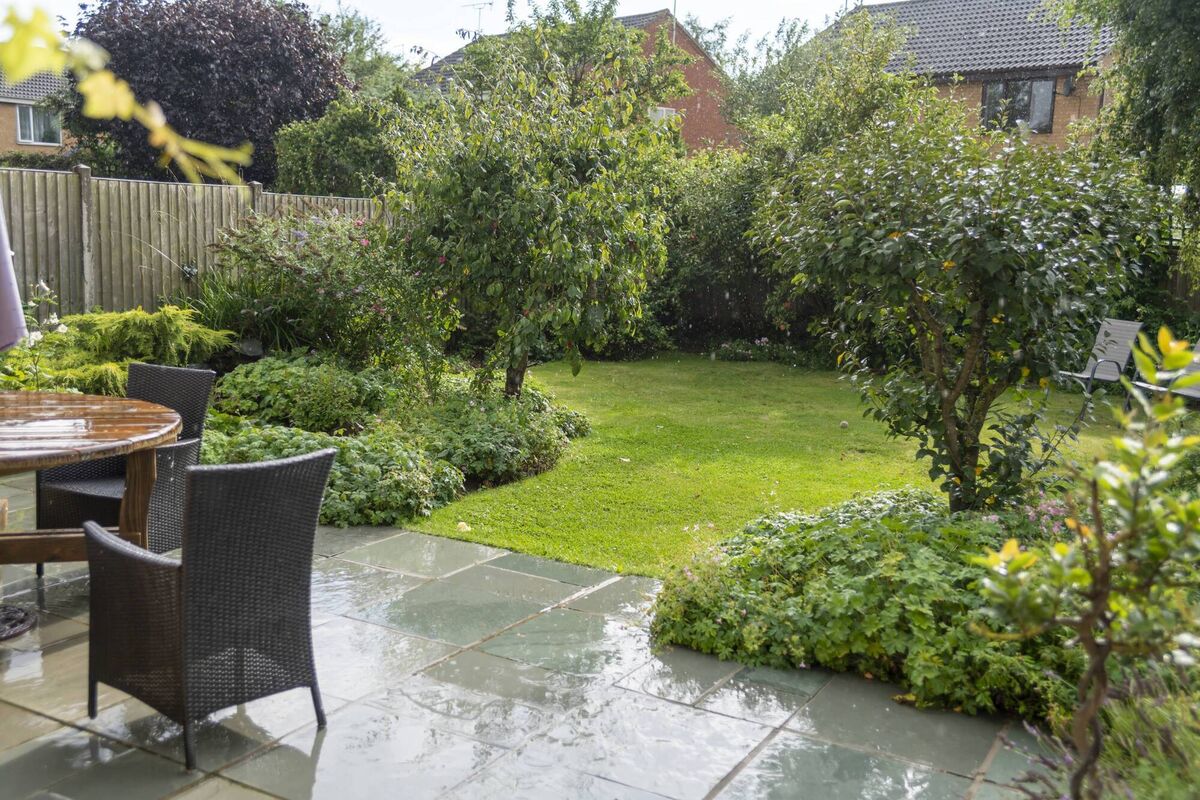
You could also change the location of your outdoor seating area, sinking and screening with landscaping just below the current ground level. This might seem a dramatic move, but if you are staying in the home for several years to come, it’s well worth considering.
Back on the boundary, ensure you are limiting yourself to your side of the boundary or making changes to a shared fence in co-operation with your neighbour. The legal limit for fixed back garden fencing in any material is 2m, which in a small, narrow garden can deliver a defensive canyon. However, there is no horizontal limit on growing things like hedging and trees (obviously within reason).
Your immediate neighbours may informally or even formally complain if you irradiate sunshine falling on their garden with your horticultural hacks and living screens. They have no universal right-to-light, but cul-de-sac diplomacy could get tricky if you throw glowering shade over their formerly sunny garden. Have the conversation.
Beyond traditional hedging, pleached or espaliered trees are an increasingly popular form of layered, structural planting that can elevate privacy. Overlooked from next door? A fluffy canopy of trees and the roof of a pergola offer more shrouding than the edge of a fence.
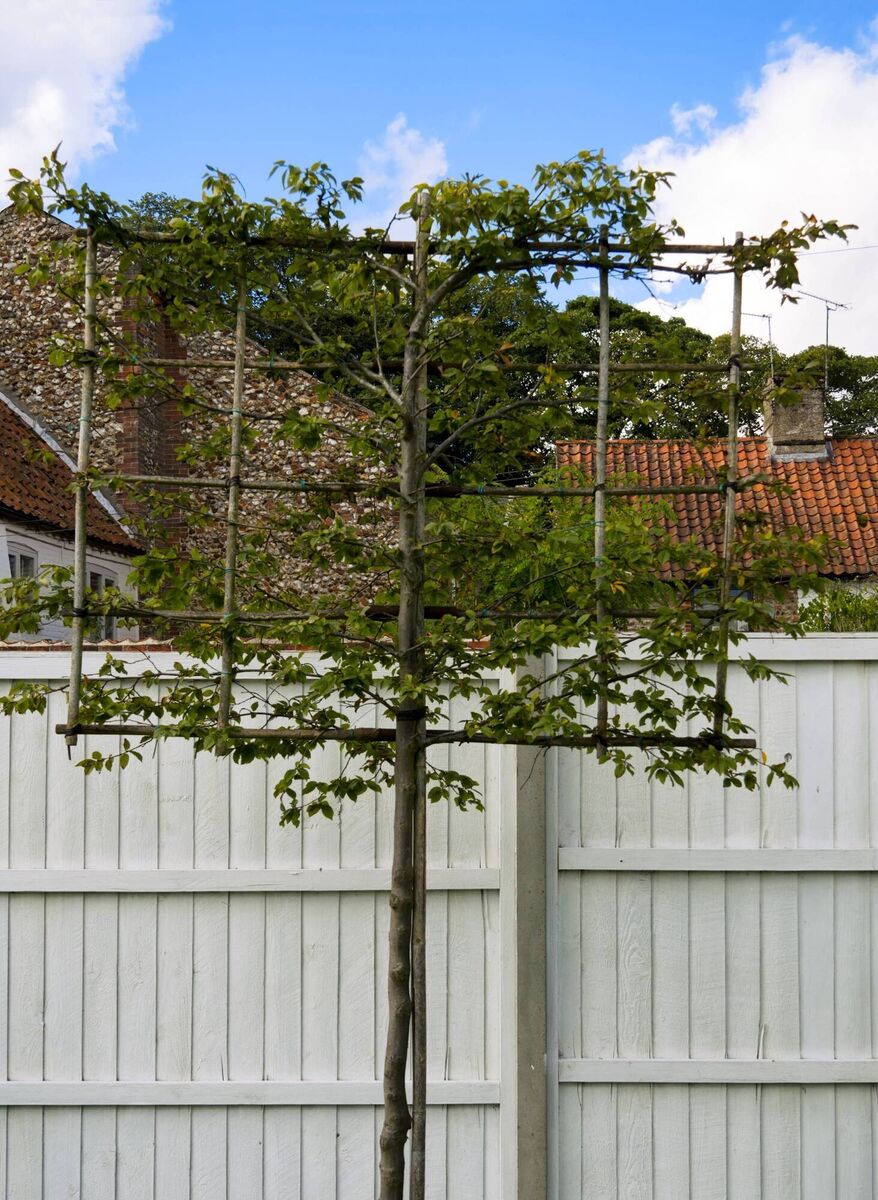
Starting at several hundred euros each, there are several types of specimen-sized trees trained to act as a stilted hedge, often run close to (but not on) fixed fencing. They are used extensively in well-heeled suburban areas in the UK, where the proliferation of dormer box extensions and garden studios has caused disputes around privacy and an uptick in outdoor, conversational-level noise.
We can use pleached trees along the side and bottom garden fencing (front or back) or splice them anywhere across the garden so long as the roots are not likely to undermine any building’s foundations. Pleached trees (high-stems) have bare trunks and leafy screening panels, allowing us to plant beneath them more fully.
Espalier trees have trained lateral branches all the way up. A full height tree of around 2.2m is planted, set on a supportive post and a trellis of wire or bamboo to shape its growth.
Hornbeam, holly and beech are good native choices, with familiar alternatives including various pliant, dense evergreens, photinia (red-robin), laurel and olive. The trees are sited about 1.2 to 1.8 metres apart to form an effective evergreen or deciduous curtain (bare branches and winter leaf-hold will still shield views).
A professional gardener will intertwine shoots and branches to nurture a formal structure, and going forward, the crown of the trees will be kept in check with pruning. October and November are ideal months to get into this project. With potted trees, we can put in a set of trees at any time.
If the back garden fencing is lower than 2m, raise it to the legal limit. Combined with small trees set away from the fence by a short distance, 2m fencing diffusing light and disrupting views into the garden can feel highly protective.
Trellis (making up the 2m limit) allows for greater light penetration. Swathed in clematis, roses and honeysuckle, a trellis can provide a really beautiful feature too.
The key thing is to ensure any trellis is solid, secured, and not in danger of collapse under the weight of your chosen variety of rambler or climber. Adding a trellis to existing fencing can make a lighter fence lean and even fall in high wind.
Fix the trellis to the fence posts rather than the panel, or install new panels with the trellis already in place in timber, steel or composites. Freestanding fencing and solid screens set with top planting can be put anywhere around the garden to deliver a relaxed, intimate oasis.
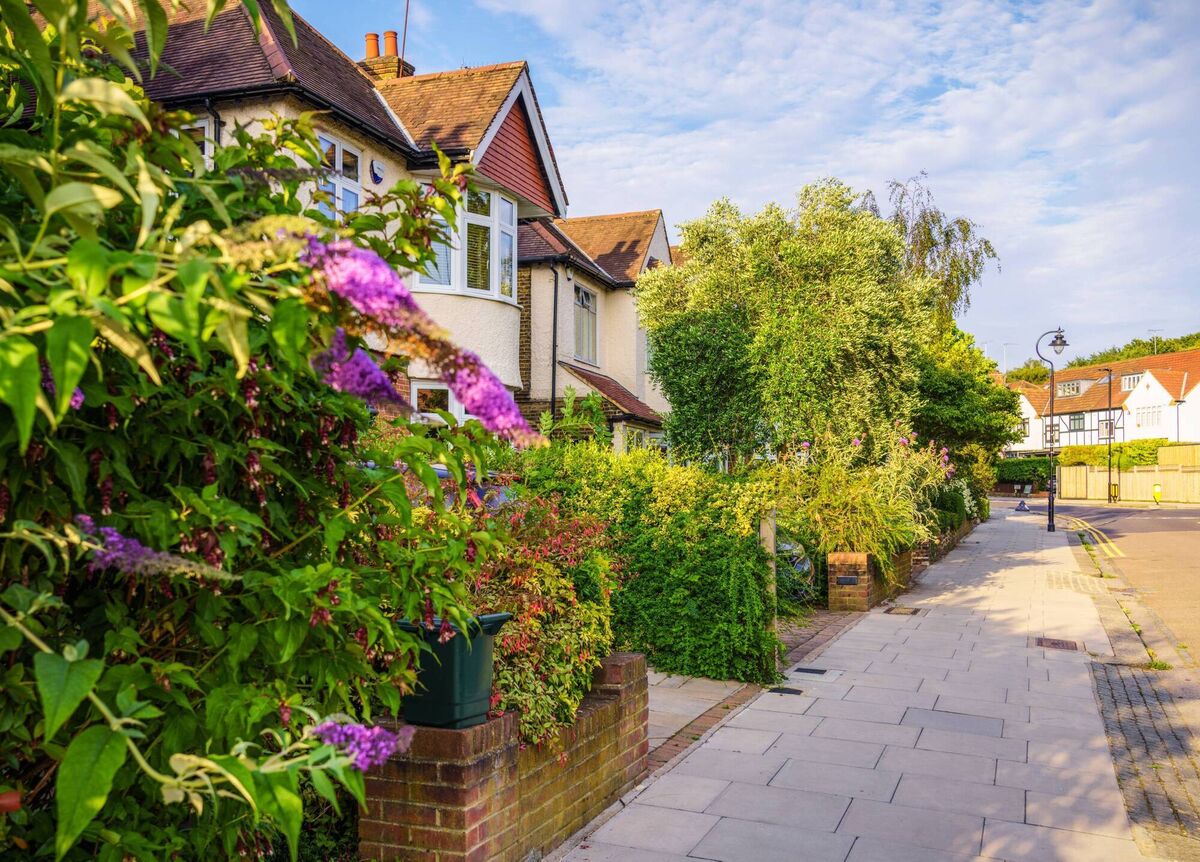
If a living climber attached to the fence waves up over the 2m, it’s still legal as long as the fixed fencing is under-height, but your neighbour is entitled to clip back anything invading their garden. To go higher, you’ll have to move from the fencing to natural screening solutions set back from the boundary fence.
If the fencing is shared (run right down the boundary line) or it’s not yours, don’t change it or attach anything to the top edge without a conversation. Even painting rails, slatted or feather-board fencing can create a colossal mess on the other side. Get together with the neighbours or landlord, refreshing the fencing, and pruning off problem plants and trees together if possible.
If things are more serious, and your neighbour is clearly flouting planning rules with a balcony, roof garden, or large windows at the second level with an intrusive size, angle or perspective, make an objection to the local authority as soon as possible. There is an 11-metre distance rule from the boundary for second-storey windows to the side and rear of any home, which will survive planning changes.
Dormers must be set back from the eaves. There is also some sway with a rule regarding right-to-light for a window in place for 20 years, plus threatened by a new side window over the boundary, plus nuisance laws touching on the “comfortable enjoyment of your property”.
If things get litigious, explore these issues with a solicitor or engineer with a working knowledge of planning and civil nuisance regulations. There will be non-negotiable set-back rules and height restrictions for new modular garden homes.
Building an extension? Explore permission for narrow clerestory windows for boundary positions — far less likely to get the neighbours going.
CONNECT WITH US TODAY



Be the first to know the latest news and updates