How to use new SEAI grants to make your home energy-efficient and save money

It’s important to find your way forward in your way when planning energy upgrades. Budgets and personal circumstances vary wildly.
New grants from the Sustainable Energy Authority of Ireland aim to make home energy upgrades more affordable and more accessible.
Part of the National Residential Retrofit Plan 2026, the funding includes a new windows and doors grant.
Having finally clawed my way to a B1 BER, I found the benefit of the flexible SEAI grant aid presented itself in just the right order. Still, I know from readers that energy renovation and the SEAI grant process can seem intimidating.
We fielded some tough questions to Brian McIntyre, Sustainable Energy Authority of Ireland’s (SEAI) programme manager, for high-performance building technologies.
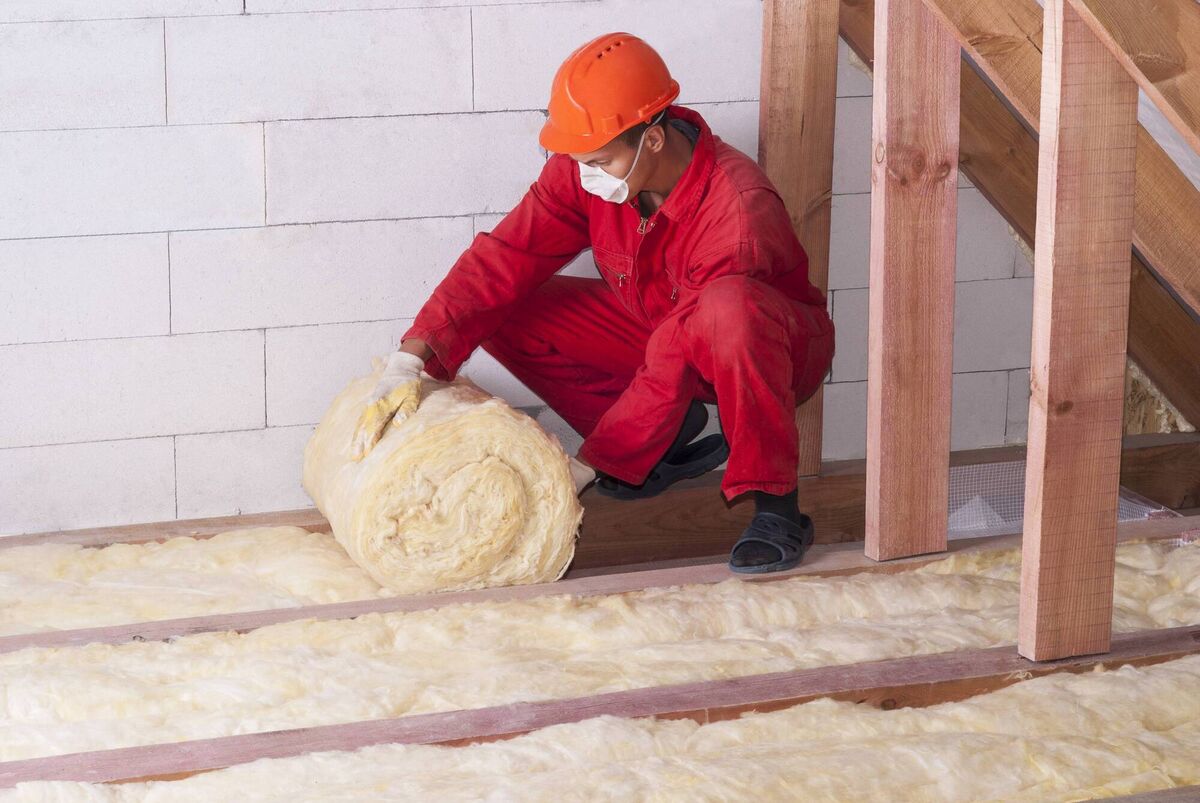
With individual upgrades on a budget (that does not run to a full whole-house renovation), how do we decide which individual upgrades are appropriate and timely for our home? “We always advise homeowners who are looking to improve the energy efficiency of their home to start with the likes of attic and wall insulation," says Mr McIntyre.
"Simply by improving the insulation of your home, you are keeping your valuable heat in, and this in turn means you don’t need to have your heating on as much, and so you’re saving on your energy bills.
Once you have a well-insulated home, then you should consider swapping out your oil/gas boiler for a heat-pump system, he adds. "Heat pumps are far more energy efficient than fossil fuel heating systems, and they use electricity, which is increasingly coming from renewable sources.
"You could also invest in solar-PV for your own home so that you are generating your own renewable electricity to power your heat pump and the rest of your home, helping you save even more on your energy bills.
"All of these home-energy upgrade investments will give you a much warmer, healthier home, reduce your energy bills and help you to reduce your own carbon footprint.”
Read More
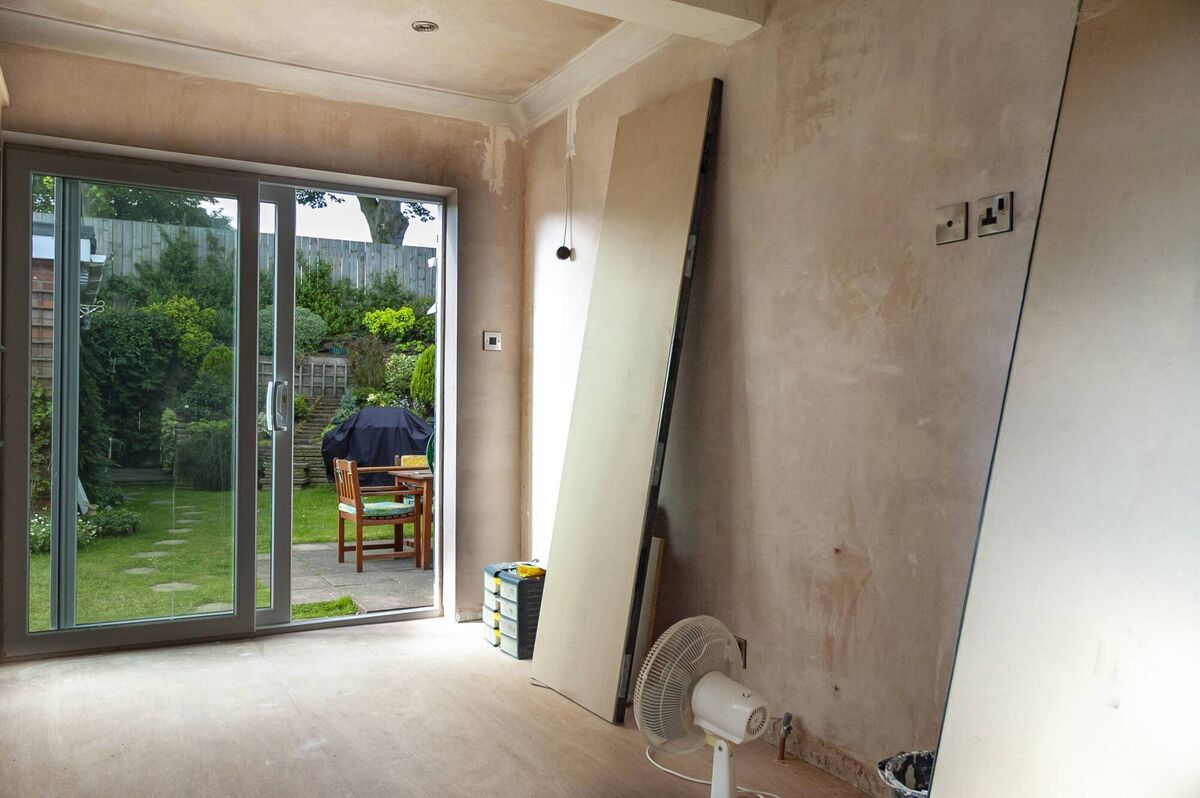
There are often associated costs with some serious energy upgrades, like dry-lining, and it’s important that householders have a complete picture of all the upfront costs to complete a project.
With trades and material costs rising, do SEAI grants still cover as much as 30% of the cost of supplying and installing material improvements? The percentage gifted by the SEAI grant depends on the improvement, says Mr McIntyre. Obviously, if grant amounts change in the future, the ratio of grant help will mean more. “The grants are fixed amounts rather than percentages, with the amounts varying depending on the specific upgrade measures and, in some instances, the type of house," he says.
"The grants might typically be expected to contribute around a quarter of the cost of works, but in the case of attic and wall insulation, it will be as much as two-thirds of the cost.”
On social media, mystification, suspicion and outright outrage are often directed at the SEAI grant system. Criticism regularly focuses on the idea that once a grant is involved, the price for the job (from the obligatory SEAI-registered installer/supplier) goes up. I ask Mr McIntyre if there is any truth to the accusation of artificially inflated quotes for grant-aided improvements? “SEAI is not aware of prices being inflated due to the availability of the grants," he says. "However, we would always recommend that homeowners shop around and get a minimum of three quotes.
"It is important also to note that SEAI requires contractors to complete works to higher standards than might normally be the case, and they must be tax-compliant and insured, all of which can make the jobs appear more expensive.”
I’ve always felt that the BER report is overlooked by householders for the useful energy health guide it is. However, it offers broad strokes rather than a dedicated roadmap. How much granular information is in a typical BER with an advisory report? Is it enough to move towards the energy upgrade process, or do we need more assessment/help? “The BER advisory report provides a roadmap for homeowners on how to upgrade their home to a B2-rated home (or better if they wish)," says Mr McIntyre.
"It provides high-level information, highlighting the key areas in the home that would benefit from being upgraded, such as insulation, windows, heating systems, and renewable energy. It does not provide technical details, costs or savings on the required upgrades; rather, it acts as a guidance document using colour-coded indicators to clearly show the current status of the home’s energy performance and provides recommendations on the upgrades that can be carried out to improve the overall energy performance.
"It’s a great place to start a conversation with contractors and to shop around for exactly what you want to do."
What about something more detailed? “There is no grant for a pre-works BER. However, you can opt for the home energy assessment offered by SEAI’s registered one-stop shops, for which there is a stand-alone grant of €350," says Mr McIntyre.
"This is a more detailed energy assessment of your home, which includes a BER, but also includes technical details on the types of energy upgrades needed in your home to reach a minimum B2 rating, as well as estimated costs.
"The good thing about this assessment is that it gives you the flexibility to decide if you want to proceed with the full suite of works recommended by the registered one-stop shop, or whether you just want to do one or two individual upgrades. In fact, there is no obligation for you to do any of the recommended works, and you will still receive the grant for the assessment.”
So, we want to make an upgrade or set out on the road to a full whole-house energy uplift. How easy is the process for a householder to handle? “For homeowners applying for individual energy upgrade grants, the process has always been extremely straightforward," says Mr McIntyre.
“We have an online grant application portal, where you simply select your registered contractor and the individual grants you wish to apply for and then add your contact details and your MPRN, which can be found on your electricity bill.

"Once you complete the online form and agree to the grant T&C’s, you will get your grant approval almost instantaneously. Of course, you must have your grant approval in place before works start. Once you do, you have eight months to complete your works and return the grant paperwork to SEAI for processing, after which your grant will be paid directly into your account, generally within two weeks.”
Is there any oversight by the SEAI after grants have been awarded? “We carry out a proportion of inspections to ensure the works are being carried out for those grants," says Mr McIntyre. "If you are selected for inspection, your payment may be held over until the inspection has been carried out. For those applying through a registered one-stop shop, the grant process is completely managed by your chosen one-stop shop, taking the paperwork away from you.”
Uptake for one-stop renovation appears to have been disappointing. What sort of considerations prevent people from taking up grants, and how would the SEAI encourage homeowners to take another look? “The one-stop service is a totally new concept to homeowners who haven’t previously thought of their home as a complete system to be upgraded at once.
"It is also a completely new way of delivery with one contractor managing all aspects. Rather than multiple discrete suppliers," says Mr McIntyre.
"As such, this was always going to take time to gain acceptance and understanding in the market. Having said that, the signs are actually very encouraging. In the first nine months of this year, almost 1,300 homes had complete home energy upgrades to B2 or better, up 35% on the same time last year. And applications are up a similar amount for the same period.”
- See Seai.ie

CONNECT WITH US TODAY



Be the first to know the latest news and updates