Revealed: The five secrets to selecting your super sofa
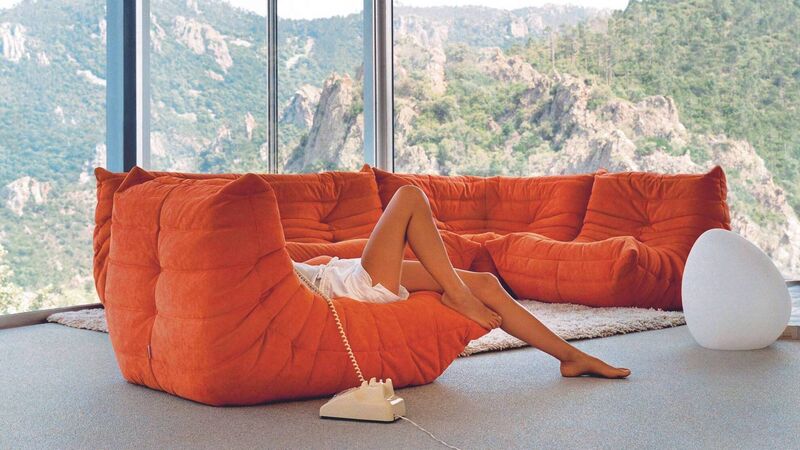
Some iconic sofa profiles like the pillow-style Togo are low, wide and closer to a mattress than a chair; from €3680 for a small sofa, Ligne Roset, Dublin.
If that sofa on sale is calling to you, put it through its paces for more than good looks. Sprawled akimbo by the low, melting modular after an inelegant genuflection? Nagged upright with your knees up your nose by that pert two-seater? The internal dimensions of any sofa, its overall design and the support from its frame and upholstery fill will all manipulate your body. These sly details will either deliver furniture that’s easy to get into and out of, or a moment to dread if you have any sort of physical challenge. Follow our pointers to select your sofa wisely.
After overall sizing, seat size is a surprisingly easy area to get wrong, and it can seriously affect your enjoyment of your sofa. When ordering, don’t confuse the overall depth and the length of the sofa with the internal seating area receiving your body. A deeper armrest can seriously cut into the seat size. The width of each seat will be 40cm to 50cm. Too skinny, and you and yours will be pitched into each other. Rather than under-sizing the seating area for each person, think of slender arms or no arms to the sofa at all. In terms of height from the floor, 43cm to 45cm to the top of the base cushion is typical, but the physical experience of sitting into the couch will depend on the amount of compression allowed for by the seat fill.
For a very shallow sofa, think around 53cm, but with a firm set of cushions in high-density foam, it would suit a more petite person who finds rising out of a very yielding cushion and a deeper seat slightly difficult. For older users, what Americans call the “deck-height” can be closer to 50cm. When you get into the area of 62cm plus in seat depth, and 38cm off the floor, you’re more likely to lounge on the sofa, legs hinged open. These people-swallowers actively encourage us to lift our feet up. For someone short, deeper seats require a little athleticism, but the deep sofa (a short hop from a bed mattress) can offer a comfortable, enveloping place to routinely curl up, which is fine.
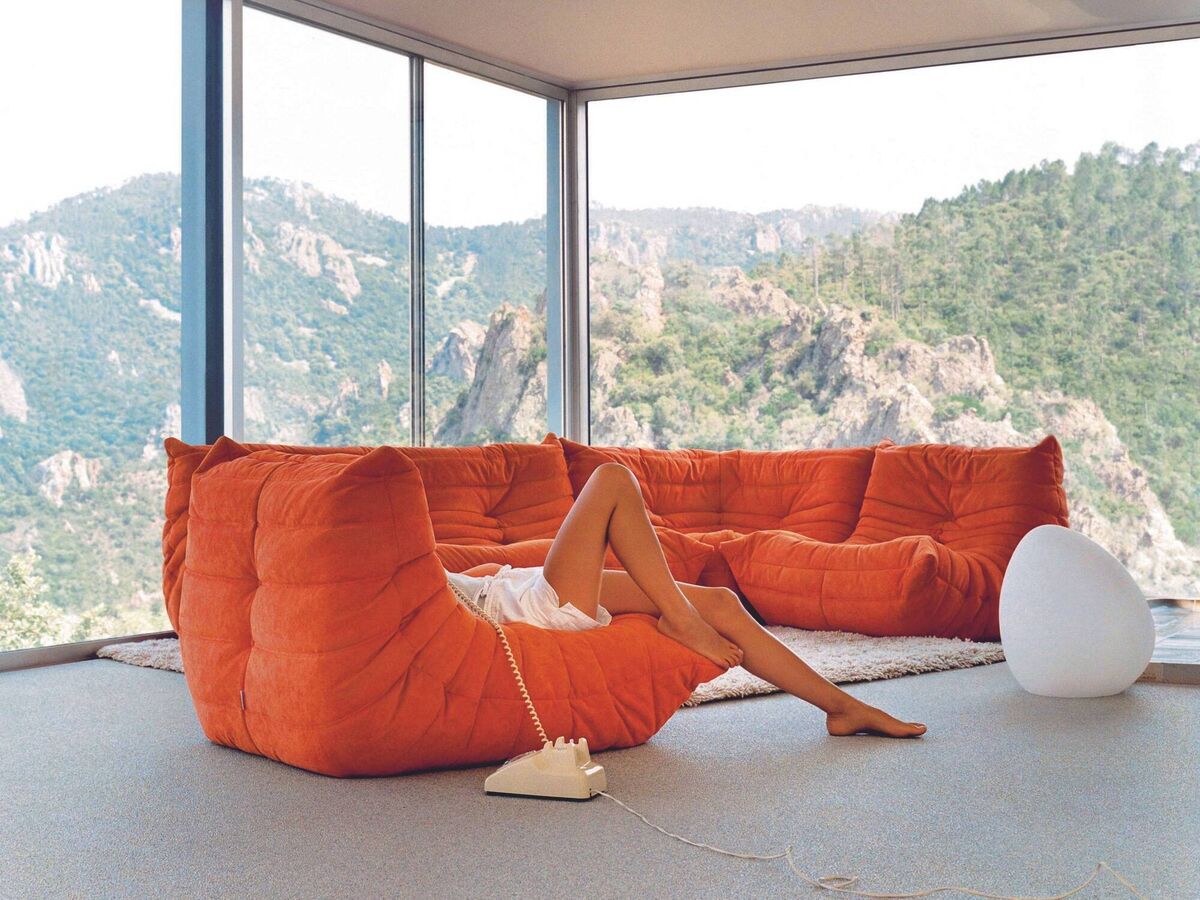
The back height of the sofa will depend on what you personally find comfortable, together with the presence of any articulated headrest (popular in Italian dandies). Higher backs, typical of classic Chesterfield, are physically present and more supportive to the back and any sofa cushions. Low-slung sofas are more popular now, and will lengthen your walls; however, matched to a rangy, wide seat cushion, they can throw you into an exaggerated spinal C-curve. Comfort must come first, last and always unless your sofa is just posing in a bit of hallway.

CONNECT WITH US TODAY



Be the first to know the latest news and updates