Home Q&A: I want to adopt a dog, but my garden is not fenced
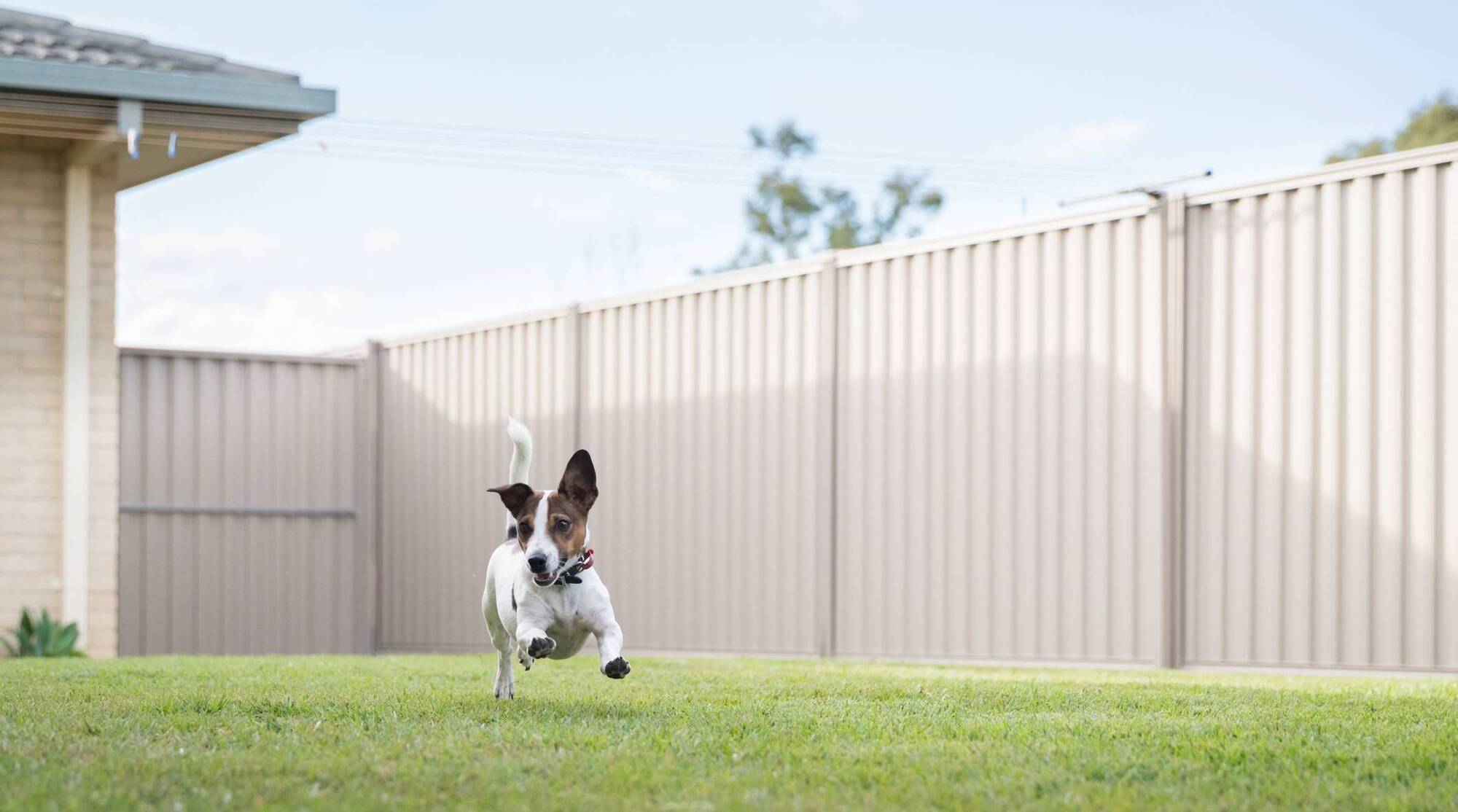
Even a small breed like a Jack Russell terrier should be carefully fenced in overground and underground to prevent the dog from tunnelling. File picture

This question couldn’t be timelier. I, too, have been on the hunt for a large dog, and living on a smallholding, we are having to create a highly detailed enclosed area — something I never felt was necessary for the JRTs that were always wrapped around my ankles and tangled in the bed sheets 24/7.
We live down a boreen surrounded by our own land, and I work from home. Where I went, Benson & Hedges went with me, and I have had multiple rescue dogs and ponies at my own place without incident.
That said, I recently tried to adopt a gorgeous adult lurcher and was given a gentle but solid refusal by a Cork shelter. It wasn’t my lifestyle or experience; it was the height of the fencing that was at issue.
Given the nature of the dog, they explained, a large, flight risk with spring-loaded hocks — a total disaster if there was, for instance, a gunshot or crop-banger on the other side of the hedge, not unusual in rural areas.
The reasons given to me woke me up to how vulnerable any new dog would be in my place and how fixated I had been on a great big cuddly sight-hound that would, in all likelihood, make my cat’s life a year of near escapes and tentative returns through the cat door.
This scared the Master-McGraths out of me, and our first wired-in yard was the only answer, but it was ad-hoc.
The recommended height for fencing in a lurcher is a base minimum of 1.8m, and some will clear that if they feel the need to bolt. There’s work to do, or I need to reduce my height and athletic abilities in our next dog.
Unlike dropping into a puppy farm where you can pocket a couple of 12-week-old pups (no offence to reputable breeders who do their own due diligence), when adopting a rescue from a registered, loving charity, it’s not about our wants and needs.

It’s about the dog or that cat’s needs. Many of these animals have behavioural issues. They have survived a patiently borne, unseen nightmare of neglect and abuse. The last thing you or I want to do is to make them miserable or put them at risk of getting lost or injured again, even shot if they chased livestock.
There are two areas that shelters will only compromise on a few split centimetres, depending on the actual needs of the dog. The first is the company. Many charities will not let dogs go to homes where they are left alone for more than a couple of hours.
Some rescue centres will accept crating, others will question it. This might seem unreasonable if you’re working 9-5, and you’ve owned dogs before, but most research indicates that, as sociable pack animals, canines suffer deeply when left alone for extended periods.
They don’t need to act out on the puppy cam or gut the sofa to be emotionally stressed. Some dogs will require a canine companion, too. It sounds like you’re a good candidate for a dog that can be an only-dog in that you’re home much of the day — and might even be able to take your companion with you.
The second condition is an enclosed garden (or yard). Not having a garden is not generally a deal breaker, as the owner would (presumably) have the dog on a lead when it left the home for toileting and walking. If you’re renting or living in an apartment, obviously, the landlord or management company must agree to the presence.
If you’re thinking about electric collars and “invisible” perimeter fencing — think again. Most charities deem these punitive systems cruel. I have watched dogs get over a virtual boundary and panic because they were afraid to get back through the property line.
Most Irish rescues will bin your application if this is your primary fencing option for a rescue dog. Pyracanthas and other natural physical barrier hedges are not good enough to keep determined dogs in either.
As you have a back garden, and you say it’s partially enclosed, you’re off to a good start. We can work off existing fencing (I’m assuming any post and rail fencing or hedging will be fitted with wire gauge small enough to contain the dog) and/or walls of a suitable height.
The height of the fence or wall will depend on the dog’s size, but keep in mind that a Jack Russell, for instance, can jump higher for their height than any other dog type (up to 1.5m from a dead start). Don’t assume anything.
Wire and galvanised steel roll fencing secured to posts every metre or so is an economical choice. With dogs prone to digging, the wire (including cheap and popular PVC-coated border fencing) should start down in the ground (at least 500mm) and be taut enough not to be pushed out into an escape tunnel. The type of ground will matter.
Spacing the posts at the right distance will ensure the wire doesn’t bow. We’ll have to look out for climbing points like raised beds, even sturdy stooped trees or other landscaping details that could help a dog to pop the fence when it hears something stimulating going on or takes fright.
Where block and render walling is too expensive for you, rigid metal fencing in a powder-coated finish is a good alternative to rolled wire, as (properly installed), there’s less danger of collapse.
The dog can also see through them, which provides some interest — presuming they are not barking their heads off every time you pop the dog out for a wee. Metal fence panels clip onto sturdy upright posts, which must be set directly into concrete.
Lovely to look at? No, functional at best, but we can train climbing plants over them in time and in green, you’ll soon get used to their commercial style after the initial shock.
A 1230mm (h) x 2500mm (w) panel comes in around €35 from many DIY and garden outlets. If you’re installing new fencing or shoring up the ground with concrete on a shared boundary, it’s a good idea to chat to your immediate neighbour first.
Above all, remember there’s training to be done here.
Don’t let the dog associate your garden with being abandoned and forgotten for hours at a time — and if you go out, adopting from a charity, it will assume the dog is kept safely in the house.
Train your pet to look forward to going out there with play and positive associations, like a nice, soft, natural lawn to roll on.
I would advise you to embrace the experience of the charities, slow your search, and carefully and completely secure your garden.
It’s the very best solution for you and your future dog.
- Got a home improvement or DIY question for our Home team? Email home@examiner.ie