Revealed: Seven super secrets to painting your home exterior

Take a look at what your near neighbours have achieved before exploring colour schemes offered by the major paint-makers. File picture
Consider the setting, whether it’s nestled in rolling green fields or staged on an urban street, as this will reflect on how the building settles into its environment.

Fleetwood does an affordable self-adhesive UV-resistant, 25m roll of 600mm of Window Film for €17.99. Ensure any tape you choose is moisture-proof, seals well against paint ingress (sprayed or rolled on) and is intended to lift easily without damage.

House walls, fascia and soffits should be cleaned to avoid migrating grot and to provide the best surface adhesion, but power washing is not appropriate to every surface and should not exceed around 800PSI of pressure.

Having been cleared of loose material, other small breaks, holes, and dings can otherwise be filled, and caulking around windows and doors fixed where needed before they are draped and walls are painted. Walls can be slightly roughened with sandpaper or steel wool to help the paint to grab on more effectively — a process known as de-glossing.

You can expect to be offered ready mixed colours and bespoke colours (which usually come in at a little more per litre). The major players for acrylic-based paints include Dulux for its Weathershield All Weather Protection Smooth Exterior Paint, guaranteed against wear for up to 15 years; from €10.50 per litre.

Interior and exterior paint is split into retail and trade paints, but you can, of course, buy either. Trade paints are more expensive due to their additional durability, coverage, superior opacity, ease of application and overall quality. Your paint professional is most likely to suggest trade paint over retail paint, and using fewer coats than retail paint, it may not actually cost more.
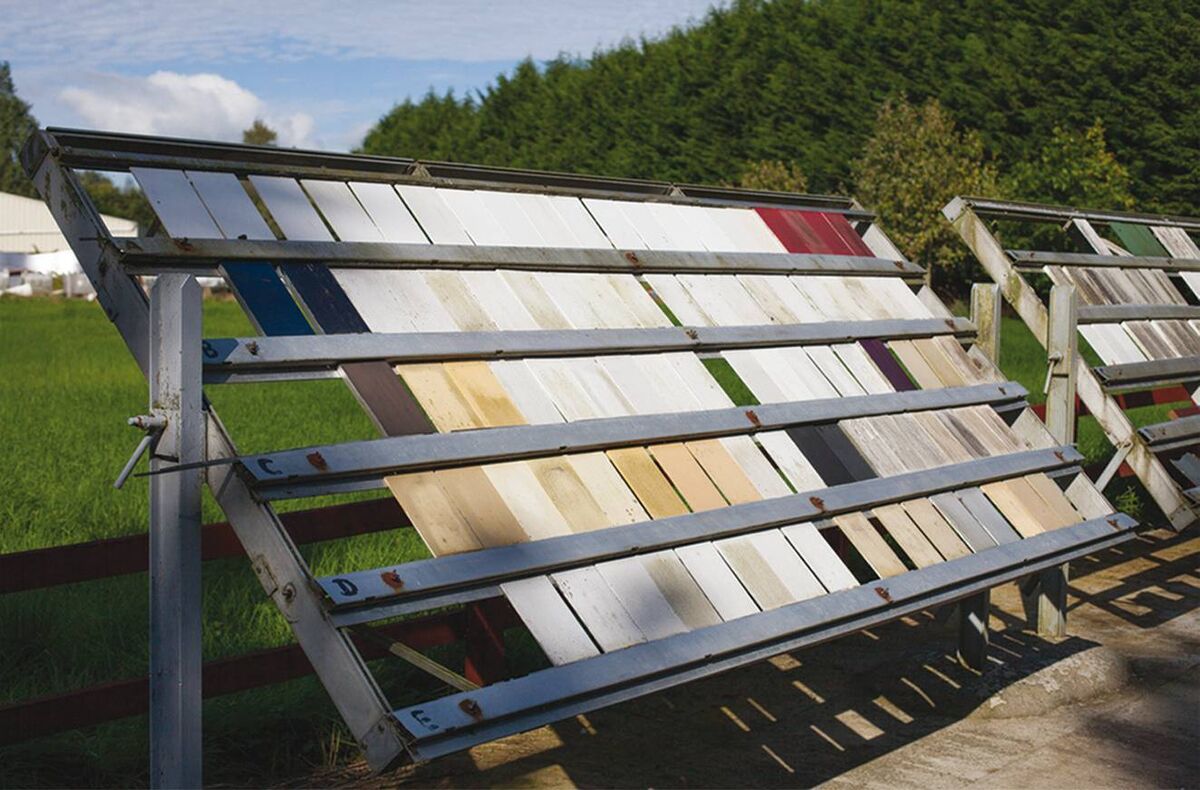
Summer is actually an ideal time to get to it, but pick your time of day. Water-based and acrylic paints dry very quickly.

CONNECT WITH US TODAY



Be the first to know the latest news and updates