Let more light into your home without adding extra windows
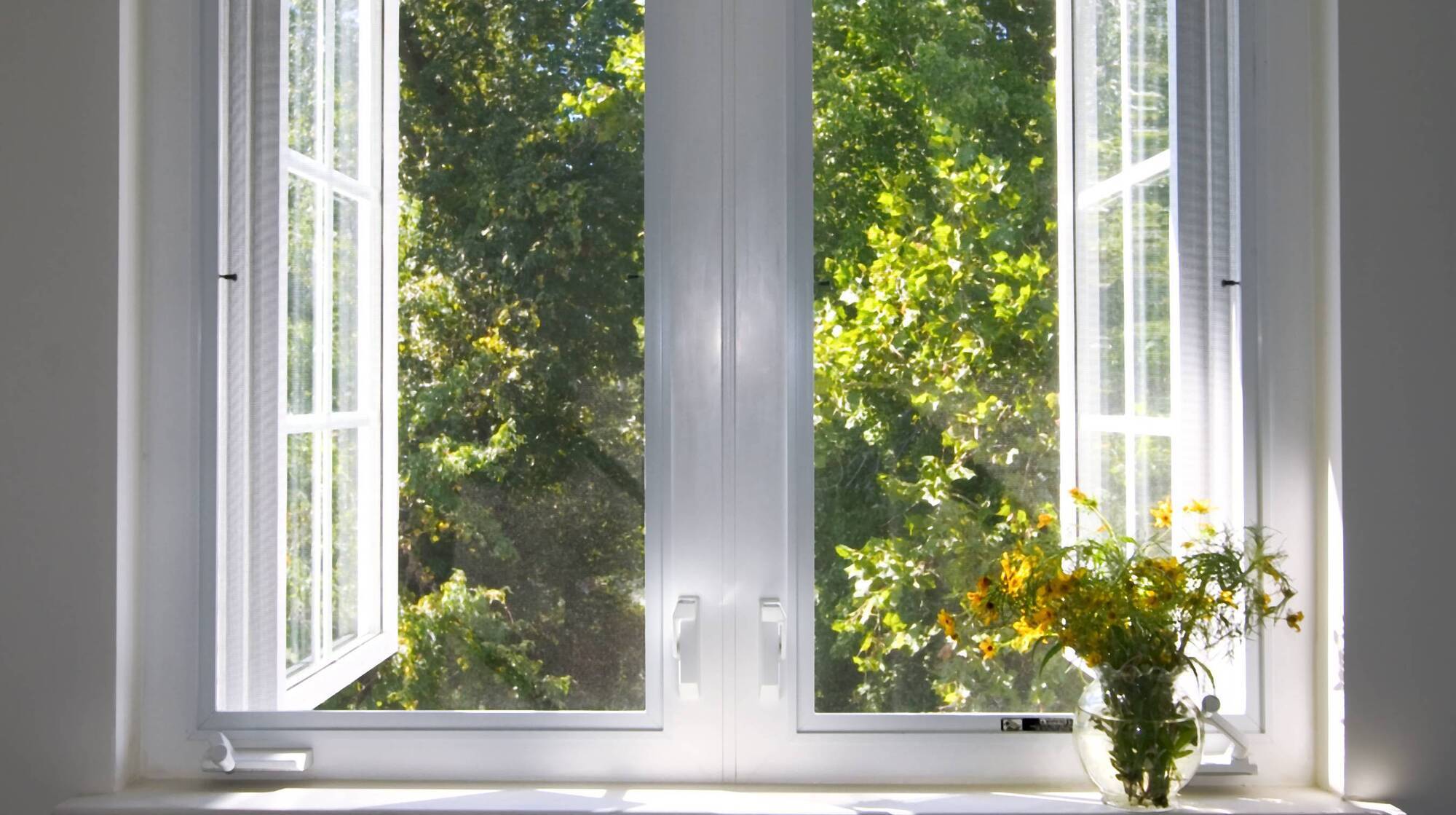
Trimming back trees and shrubs could transform the quality and quantity of light coming through your windows. File picture
We all have rooms that, because of their aspect, window sizes, low ceilings or the overshadowing of obstacles outside the window, are regarded as our darker rooms.
Before you even consider artificial solutions, finesse what natural light is reaching these areas, both from outdoors and from adjoining spaces. Space is space — that’s real metres and centimetres rather than acres of aesthetically realised “spaciousness”.
However, with darker rooms, that feeling that the walls are closing in around us feels very real. Adding the wrong window dressings, colour schemes, and furniture can intensify the gloom and shadow.
Here are just a few ideas to perk up your creative bravado, and to make those challenging, cramped areas potentially your favourites.
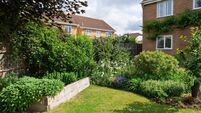
Go outside and prune shrubs and overhanging branches away from windows. A tree surgeon can select branches from the sail of an established tree, fashioning chinks of sunlight.
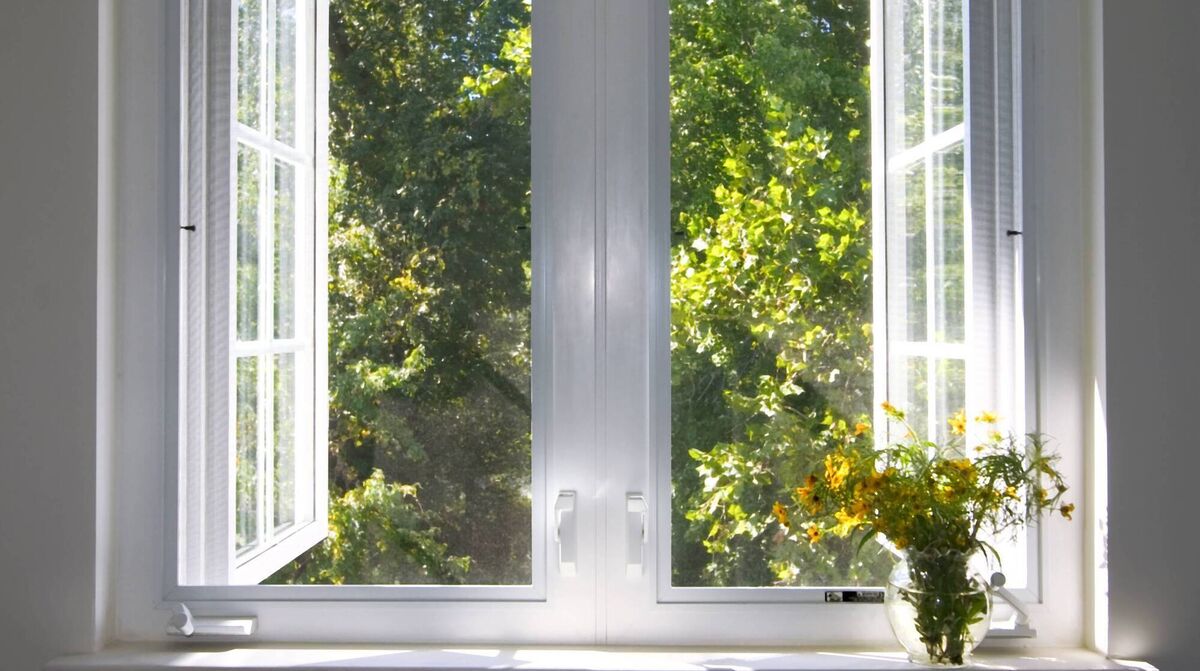
Pale paving stones bounce light off the patio and back into your rooms, useful for a generous French door. If you have control of any wall facing into your rooms, paint it a light colour too and put a pale coat on the exterior reveal and windowsill.
Exterior grade mirrors on facing walls are worth consideration if they don’t create glare or a supernatural reflection that makes you jump-scare every time you drift by the window. Keep the windows clean, and if you have a chance to change the unit, don’t introduce glazing bars crossing the window that you don’t need.
Where all this effort is falling flat, try everything you can to play with the light you do have, and then work on the switching solutions and layering your artificial lighting.
Obviously, opening to the big blue with fixed skylights or opening roof windows is the ideal, but they are not always economically or practically possible. Even suitably pitched roofs at 15-90 degrees (or flat) may require bracing, and with the addition of flashing, collars and labour, expect to pay from €2000 per window for a skilled, straightforward retrofit including the window unit.
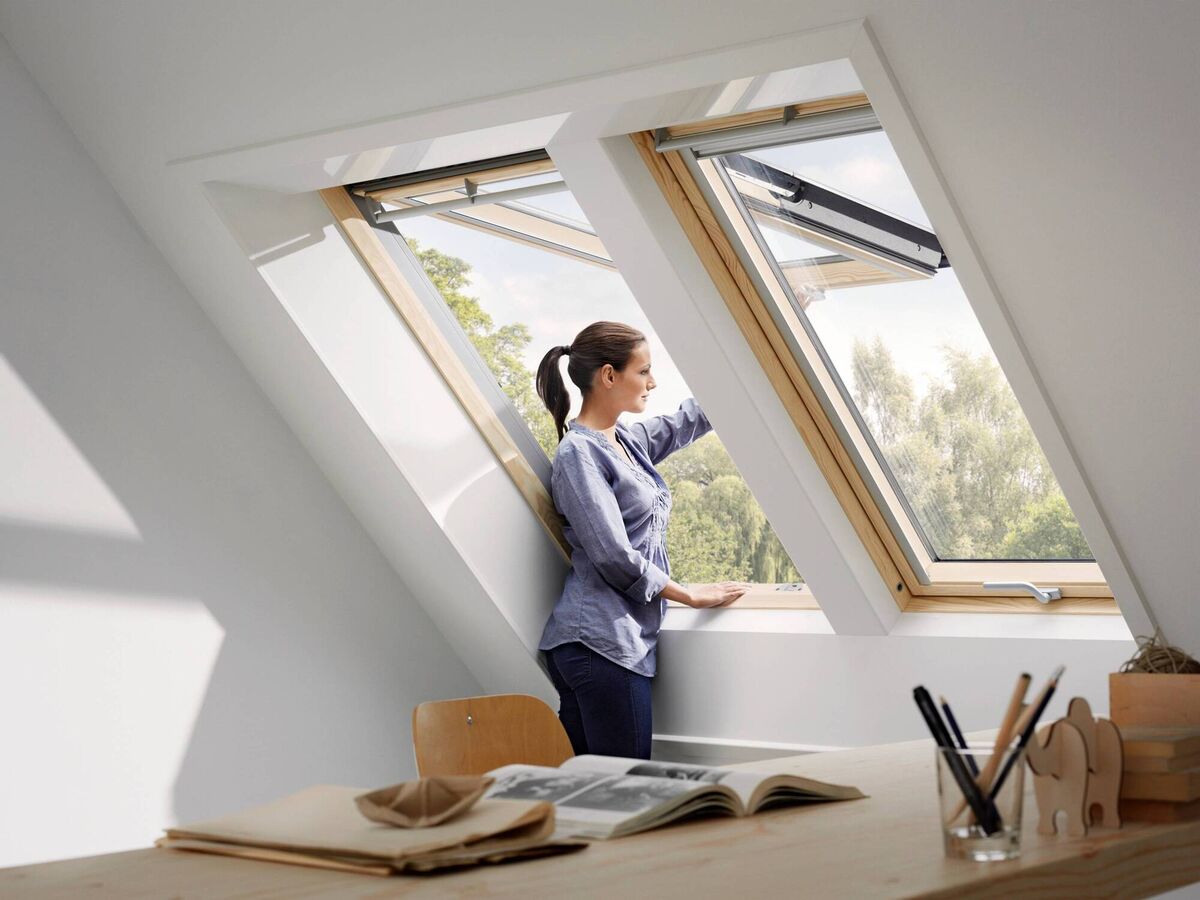
That said, superbly detailed roof windows introduce not simply light and kerb-appeal, but valuable ventilation possibilities, with sensor/remote operation as standard. Retrofits to the rear of the property are more likely to be exempt from planning if they don’t “dominate the roof-slope” and the house is not a protected structure or in an area of sensitive architecture.
If you want roof windows to the front or side of the house or are putting in a “balcony-system” or dormer, check with the local authority. For a full, proper loft conversion, there are PP stipulations. These should be signed off by an engineer.
Glazed doors effectively open walls, even when closed, and with a variety in the degree of opacity and the ratio of glass, they are overlooked for teasing light in a challenging space. We recently used one corner of a master bedroom for a retrofitted ensuite.
As an existing window was being ingested by the bathroom, I didn’t want to lose the two aspects. Using a glass panelled door with softly frosted glass delivered a high volume of westerly light (serene in the mornings), rather than closing it down with a solid door. 60% of the light flows through the glass while maintaining a high degree of modesty and physical separation.
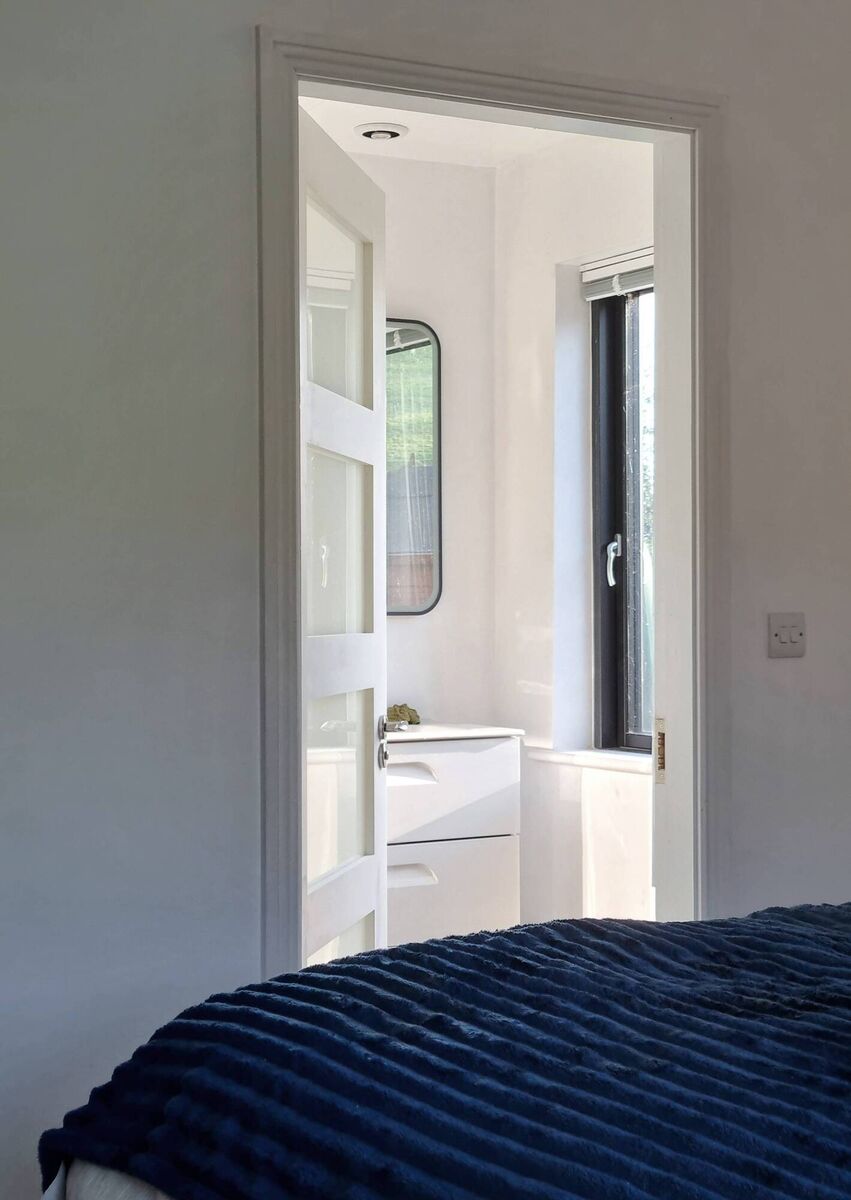
The frame design, pattern, opacity and degree of glazing is up to you, and with the latest, folding, pocket and roller door styles, you can create a large window between rooms in safe, toughened glass or introduce a discreet high, horizontal transom to punch a little illumination into a dimmer area. Industrial ladder styles are a good match for perfectly plain, contemporary windows, but additional detail, including bevelled edges, diamond-cut grooves, and etching, can be added.
Start with the style of your windows and existing second fixes. If opening walls with fixed glazing or open niches, consult an architect or chartered engineer for guidance.
Use the abilities of mirrors to reflect, scatter and multiply illumination. This could be a conventional mirror propped on the floor, a mirrored splash-back in the kitchen, or mirrored furniture where tops, sides, and legs can not only sparkle but ping artificial and natural light out of corners and dull areas.
Place these pieces opposite a window or beneath a skylight to polish up their shine.
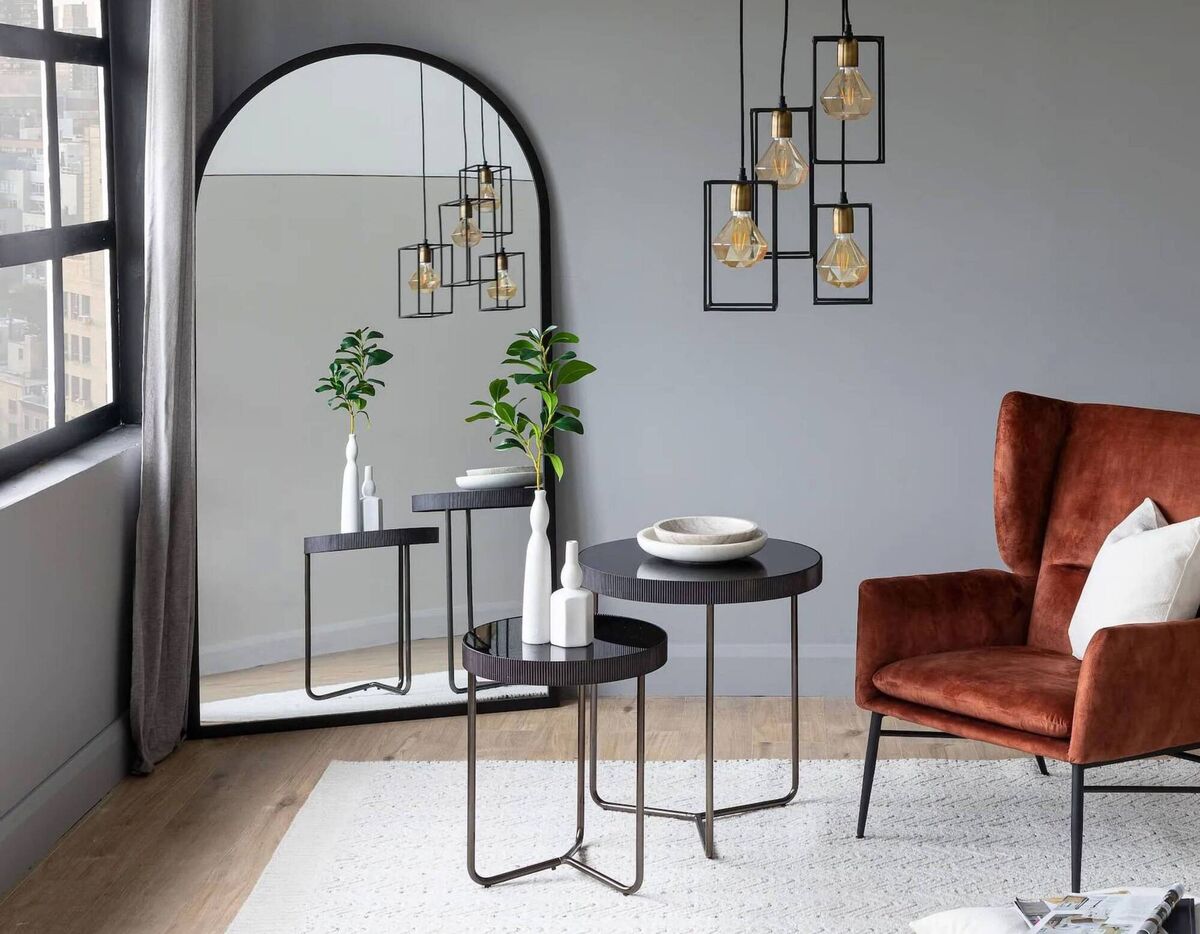
Light-reflective, glossy surfaces come in many guises. Transparent dining sets in glass and acrylic are still retro-chic and will allow light to flow further through the room, where a solid oak six-seater would eclipse the flooring.
Obviously, gloomy coloured upholstery will swallow natural and artificial light, whereas a lightly coloured linen will send it back to the room, offering a more lightweight presence and line.
Where you don’t want to use wall mirrors, glazed artwork can also work well, just don’t sit your art prints or watercolours in direct light, as over time the UV playing on its surface could do damage.
We all know the old cant about light paint colours that maximise perceived space. You can dial up the impact here by sticking to a single colour for the largest surfaces in light-starved rooms and gloomy conduit areas like halls. That’s one colour for the walls, skirting and a paler shade of flooring throughout with a pure white ceiling.
Without the aesthetic gymnastics of jumping from a commanding feature colour to a neutral or leaping across an archipelago of rugs adrift on hard flooring, harmony creates unity and flow, cranking open proportions. Pure, unadulterated white is a classic, not a trend, but if the call to pattern is just too strong, go large rather than snagging the eye on busy designs.
Fight shy of dark demanding tones that will swallow the area whole, and make the ground colour white, pale or slightly reflective.
Brilliant white can read cold and clinical in a north-facing room, and most decorators play with off-whites with a green, grey, blue or yellow undertone. The collective finish will depend on other surfacing, so test the paint or wallpaper over a good metre square in various areas of the room at different times of day. Paint up a panel you can move around, and don’t choose anything from a computer rendition — they are never true.
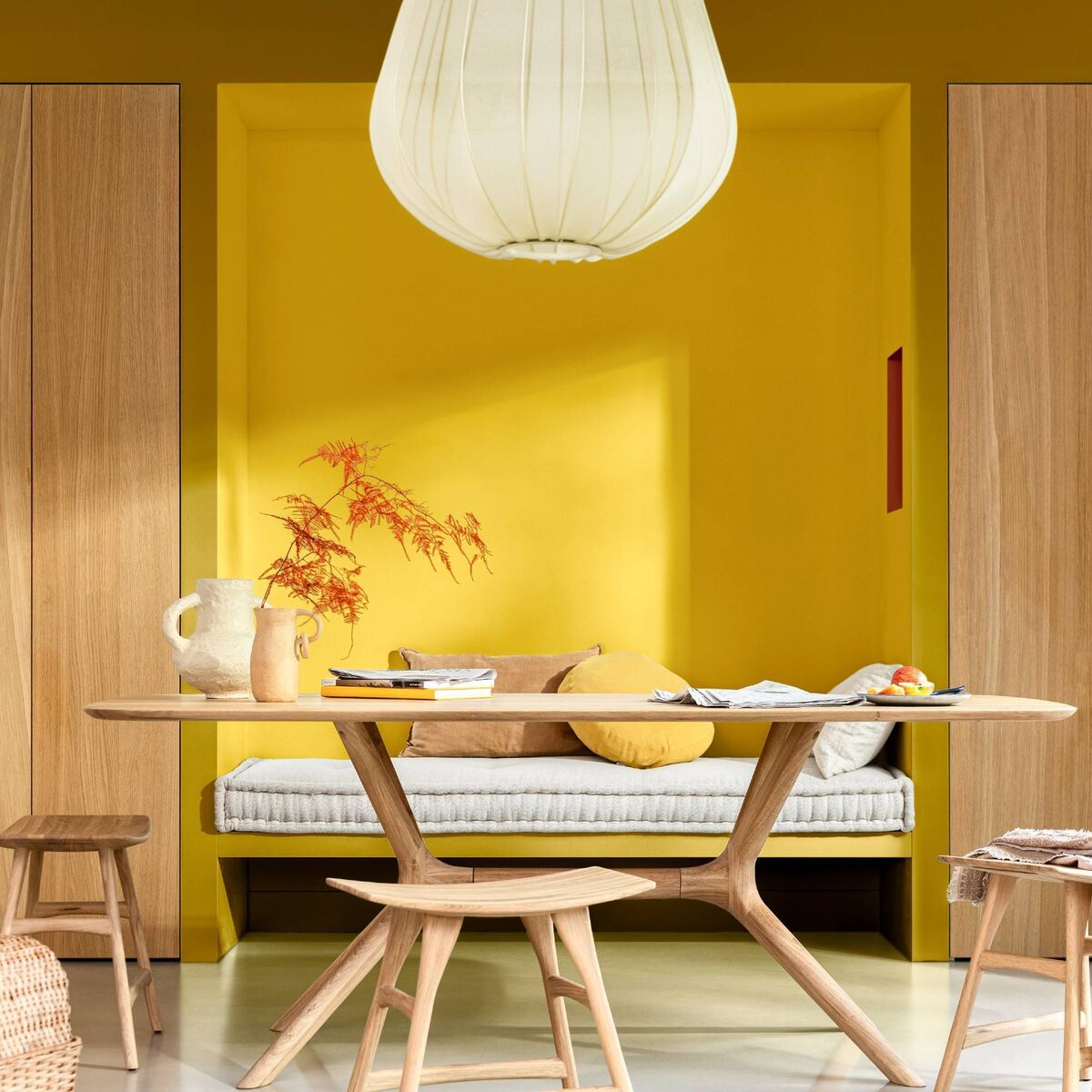
A rebel? Embrace the dark character of the room, leaning into artificial lighting, and making it deliberately shrouded in a dark, intimate colour drench of dramatic intensity. Browns and deeper yellows can really hold their own.
Gloss paint is not necessarily better than matt, which can softly return light instead of roughly diffusing it as any shinier paint will do. Test, test, test.
When the days shorten in September, some rooms will become seriously oppressive with the lights off. Most of your natural light is delivered by the top one-third of windows and glazed doors. Unblock windows by entirely removing or altering window dressings to invite more light inside, helping those crowding walls recede.
Curtains, where present, should sweep completely back from a window on the darker sides of any home. Think about a longer pole to take them right back beyond the reveal, and lose any dated, intrusive pelmet slicing across open sky. The sizing will depend on the weight of the curtains.
Alternatively, ditch the curtains and suspend a sheer panel from the bottom of the window to halfway up its length on a slim café rod, snatching intense light from above.
Perfect fit blinds suited to most PVC windows can be pulled up from the bottom and come in semi-opaque lighter materials to preserve your privacy when you need to. When choosing any blinds, cassette models or Roman blinds set on the wall rather than inside the reveal, will pull up completely out of the way.
White paint and internal windowsills will bounce, diffuse and multiply the light reaching the room. In these situations, don’t treat your windowsills as shelves — clear them off.
CONNECT WITH US TODAY



Be the first to know the latest news and updates