Lighten the load: How to use a skip as sustainably as possible
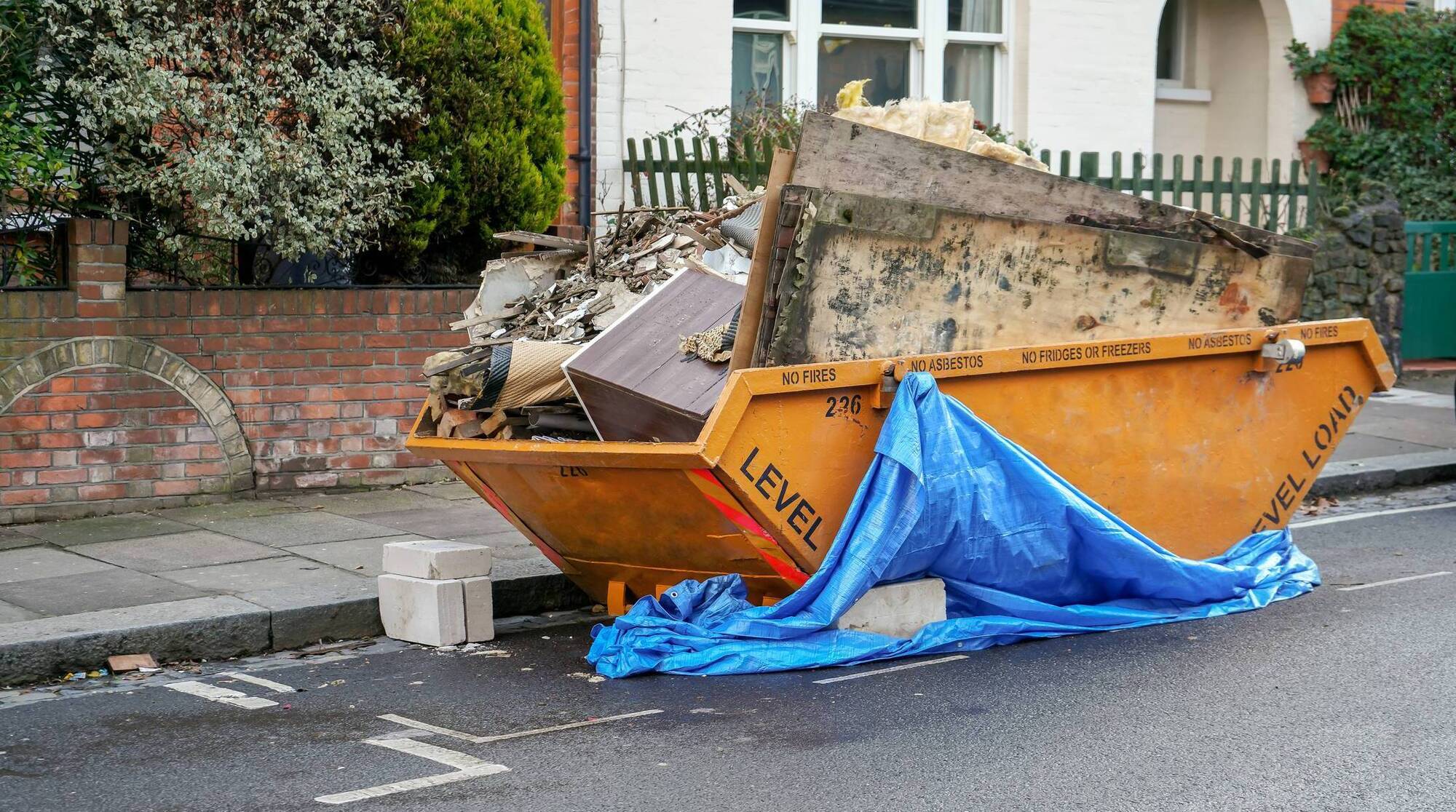
If you intend to put a skip on the roadside, ensure you get a permit from your local authority for the dates. Otherwise, you could face a fine of up to €1270. File picture
Skips — when facing a major project at home, they seem like a godsend. The skip backs up to the house, it’s swung into position, and there it is calling to us — all that lovely, unapologetic empty cubic metres. Soon we’re enthusiastically flinging building bits and bobs, garage detritus, bruised second-hand furniture, chemical-heavy pails and bottles, lightly worn-out serviceable goods, and ropey retail decisions.
Leave your skip unattended even on your driveway or street, and complete strangers will top it with their great and unwanted within hours, following the urban legend that an open skip is fair game. The segregating behaviour we exercise faultlessly around our domestic rubbish can evaporate, shrouded by the skip's high, secretive panels. General waste, recyclables, toxic DIY left-overs, even compostable food waste — it can and does go skyward and into the skip’s rusty embrace.
New research by the Environmental Protection Agency has revealed that a third of Irish householders do a yearly clearout, with 20% of those using a kerbside skip in the last 12 months. According to MyWaste.ie, construction and demolition produce the largest waste stream in Ireland — eight million tonnes of rubbish are recorded annually.
This would include appropriate stuff, including rubble, timber, bricks, shreds of plasterboard and more. You would think this was all that ever clanged its way into a skip, but you would be wrong. According to Philippa King, regional waste coordinator at the Regional Waste Management Planning Offices: “We are seeing too much reusable and recyclable material ending up in skips and losing its value."
MyWaste has consequently started a new campaign to help us strategise the use of skips, saving money, protecting the environment and nurturing a circular society. A reputable skip supplier should prioritise eco-friendly practices when arriving at the landfill and will carry out a degree of sorting, but we can all do better to lighten every load.
CLIMATE & SUSTAINABILITY HUB
So, if and when you do hire a skip, let’s be mindful. Starting with furniture. Just because you’re sick of the sight of something, doesn’t mean someone else wouldn’t be happy to collect, use it, possibly creatively upcycle it. The skip firm is not an antique or vintage picker. Pieces in good condition, including seating, storage pieces like chests and wardrobes, and sturdy tables, are often in high demand at local charities and second-hand outlets. At least make a phone call or try handing on the pieces with an advertisement on your nearest community noticeboard. Ensure you protect yourself from rogue visitors (don’t state your address, for example) and put this project in the hands of a streetwise member of the household.
Talk to your skip hire firm ahead of time for guidance on what can and cannot go into the skip and how they prefer it loaded. Most do not allow you to create supports to the side of the skip to dump a greater amount than the skip is intended for. If you do overload the skip, they may refuse to collect it for safety reasons. What are the rules? In short, only non-hazardous materials are accepted. That’s a pretty loose term, but it doesn’t mean you should ignore smaller recyclables and household pieces in good condition that you could handle elsewhere. Rubble, soil, gravel, wood, garden waste, black bags of general household rubbish, and general non-toxic junk can usually go in.
Skip firms will refuse hazardous materials unless you have a dedicated collection booked, and some will not take larger electrical items or mattresses. Don’t use your skip for tyres, flammable or potentially explosive, polluting items like gas cylinders, batteries, oil solvents, computer monitors, oils, petrol, paint, or any items that have a hazardous waste symbol on the container or packaging.
How much room do you actually need? One of the most common mistakes people make when hiring a skip is choosing the wrong size, says the team at skip supplier Keygreen: "Opting for a skip that’s too small can leave you scrambling to order another one, while hiring a skip that’s too large means paying for unused space. To avoid this, accurately assess the volume and type of waste you expect to generate.”
Together with skip bags up to 4.5 cubic yards, many skip suppliers also offer a dedicated “junk removal” service for single bulky items, mattresses and truck removal. Prices start at €75 for single items. A hands-on service like this might be more suitable than the vagaries, physical challenge and expense of a gigantic vessel. It will certainly save you money. You can expect to pay from €340 for a larger 6 cubic yard skip capable of holding 60 bin bags, or a skip-on-wheels lorry service with accompanying muscle starts around €280 for 30 black bins volume. With static skip hire, you will not get help to load it up while it’s on your property. The term for the skip alone is between five and seven days, depending on your supplier, and you should aim for a tightly organised drop-off and collection time. If you intend to use the public street, you will need a permit from your local authority. Unauthorised skip placement can lead to a hefty fine up to €1,270 in many districts.
When looking for a hire firm, ensure they use the latest practices aimed at diverting recyclable and hazardous materials from landfill. Bord na Mona says 95% of what it collects in its skips is recycled, with the rest being responsibly disposed of via landfill or incineration, bnmrecyling.ie.
Facing into a serious declutter, MyWaste offers 10 top tips for organising your clearout the right way going forward:
- 1. Plan: Break down the task into manageable steps, focusing on one room or area at a time.
- 2. Equip: Gather essential supplies like boxes, bags, packing materials, and cleaning supplies.
- 3. Sort: Categorise items into Keep, Reuse, Donate, Sell, Recycle, and Dispose (this is where good intentions can go horribly wrong).
- 4. List: Create a list to track belongings and de-cluttering progress.
- 5. Donate/Sell: Arrange for pick-up or drop-off with charities or online platforms. Again, make the effort.
- 6. Clear: Remove larger items first, then smaller items and debris.
- 7. Recycle: If the clearout material contains WEEE, batteries or electrical appliances. These can be recycled at your local Civic Amenity Site, & should not be placed in a skip. Be mindful.
- 8. Dispose: Responsibly recycle or dispose of unwanted items at civic amenity sites or through authorised waste collectors.
- 9. Consider a Skip (Wisely): If hiring a skip, make sure the skip provider is authorised. Don’t hire a shady “man with a van” who may be fly-tipping.
- 10. Document & Share: Take before-and-after photos of your clear-out and share your progress on social media using #ThinkBeforeYouSkipIt, #letsgetcircular, #CircularEconomyIreland to inspire others!

CONNECT WITH US TODAY



Be the first to know the latest news and updates