Peter Dowdall: Time is ripe to get children into the garden
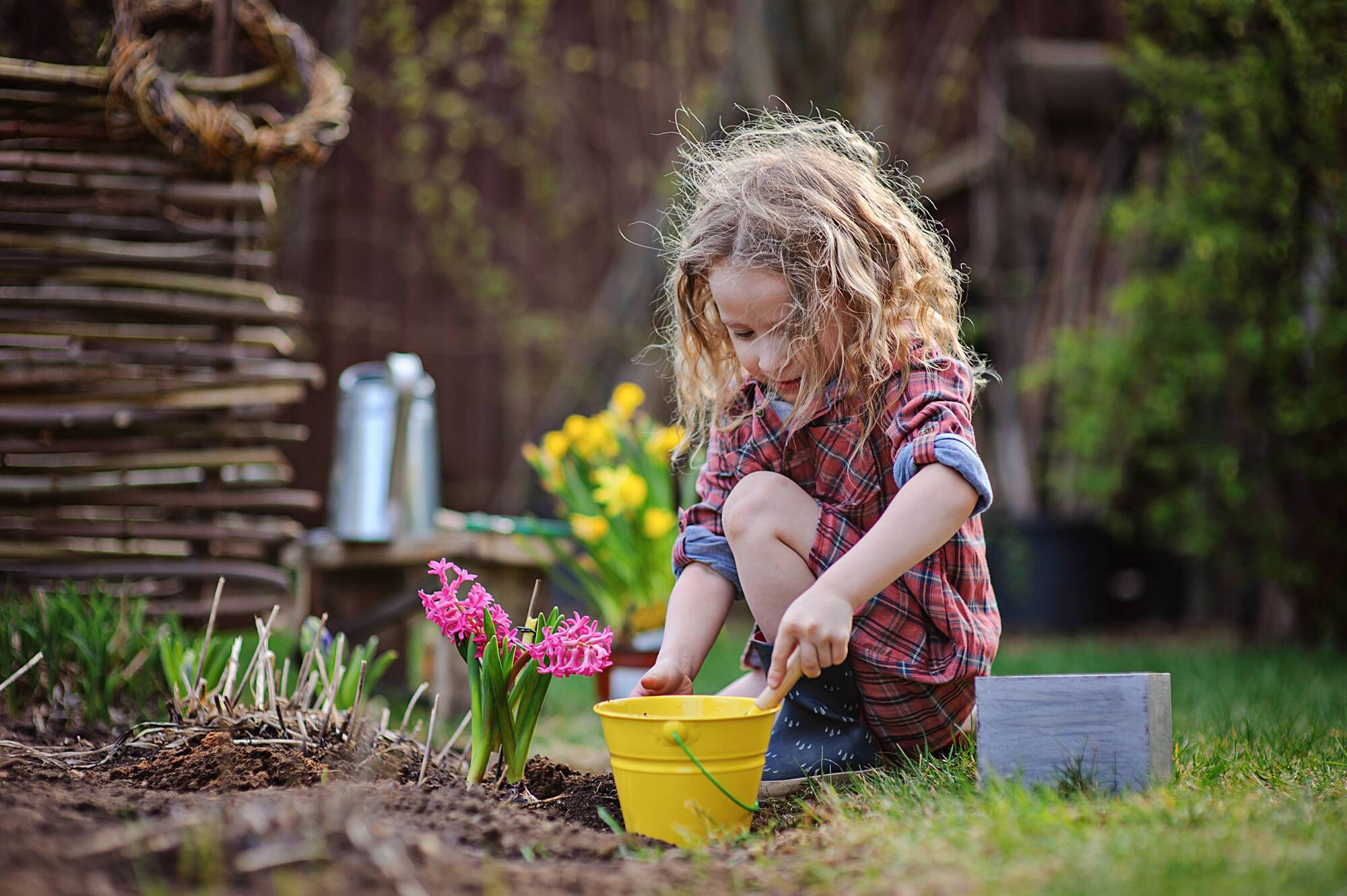
Creating a small Easter garden for children doesn’t require much, just a little space, some simple seeds, and the willingness to let them take the lead, writes Peter Dowdall. File picture
The days are long now, not the length of high summer, but along with the freshness of a still new season, birds are singing loud and proud, marking their turf and in search of a mate. The garden has well and truly woken from winter’s slumber. With Easter upon us and the school holidays in full swing, there’s no better time to get children out into the garden, getting their hands dirty and their imaginations growing.
Creating a small Easter garden for children doesn’t require much, just a little space, some simple seeds, and the willingness to let them take the lead. It could be a raised bed, a patch in the corner of the garden, or even a few large pots on the patio. What matters most is that it’s theirs. A space where they can dig, plant, water, and wonder without the distraction of an electronic screen.

Start with something simple and fast-growing. Sunflowers are always good, easy to sow, quick to germinate, and spectacular when they finally stretch skywards in summer. Children love the idea of growing something taller than themselves, and there’s a wonderful lesson in patience that comes with watching them unfold as they dream of Jack and the giants that may live in the clouds above these beanstalks.
Salad crops are another brilliant option. Lettuce, rocket, mustard greens, many of these will sprout within days and be ready to pick within a few weeks. The immediate results are satisfying for impatient hands, and there’s something special about children harvesting their own lunch from the garden. Trickier and slower plants will be less successful because, as the initial novelty of sowing the seeds and looking every day to check for germination fades, it may wear off completely if it takes too long or is unsuccessful.
Carrots, too, are a good choice. While they take a bit longer to mature, their tops are quick to appear and children are fascinated by the idea that something is quietly growing underground, waiting to be revealed. Choose shorter or round-rooted varieties, which are ideal for containers and raised beds.
Peas and beans, particularly mangetout and dwarf French beans, also earn their place in the Easter garden. They’re easy to sow, lovely to watch as they climb and flower, and there’s something about picking fresh pods straight from the plant that can turn even the pickiest eater into a vegetable enthusiast.
The key to involving children in gardening is to keep it as tactile and visual as possible. Avoid over-complicating things with rows and measurements. Let them scatter seeds, press them in with their fingers, and water with miniature watering cans or recycled yoghurt pots.
Don’t be too quick to correct or control. If the seedlings are a bit crowded or if labels go missing, let it go. The goal here isn’t perfection, it’s engagement.
What’s the worst that can happen, that they make a mistake? Let them plant things too closely if they want, let them overwater if they wish to. It’s keeping them away from electronics and starting a relationship with growth, with the soil and with the natural world. If the worst thing that can happen is a mistake, and mistakes are how we learn, then let them be error-strewn. I’ve been at this gardening lark for over half a century now, and to me, it’s still all trial and error.
Involve them in every step, from choosing what to plant to decorating the containers. You could even turn it into a proper Easter project by painting pots or making plant labels from ice-lolly sticks and markers. The messier, the better; it’s all part of the fun.
Easter is traditionally a time of new life and renewal, and that message can be so evident in the garden. When a seed goes into the soil, seemingly lifeless, and bursts into growth, it’s a beautiful, tangible expression of that idea. Dead leaves and trimmings, and blooms which have fallen from plants, go into the compost heap to become life-giving soil for the next season. Even very young children can grasp the wonder of it.
Easter is also a lovely time to start a bit of wildlife watching. Encourage children to look out for bees, butterflies, and birds as they work in the garden. Plant native wildflower seeds or plants like cosmos, calendula, or nasturtiums, which will all grow easily from seed and bring in the beneficial insects.
You could also add a small insect hotel or a shallow water dish for birds and bugs. Even a log pile or some stones left undisturbed in a corner can become a thriving minibeast haven that fascinates little eyes.
There’s a real opportunity here, not just for a fun holiday project, but for something more lasting. A child’s garden doesn’t have to be big or perfect or full of rare plants. It simply needs to be a place of discovery and delight, a place where hands get dirty and eyes light up.
And long after the chocolate eggs have been eaten and the school bell rings again, the seeds sown this week may keep growing, long into the future.

- Got a gardening question for Peter Dowdall? Email gardenquestions@examiner.ie