Alarm over ‘hollowing out’ of community sector in new National Drugs Strategy
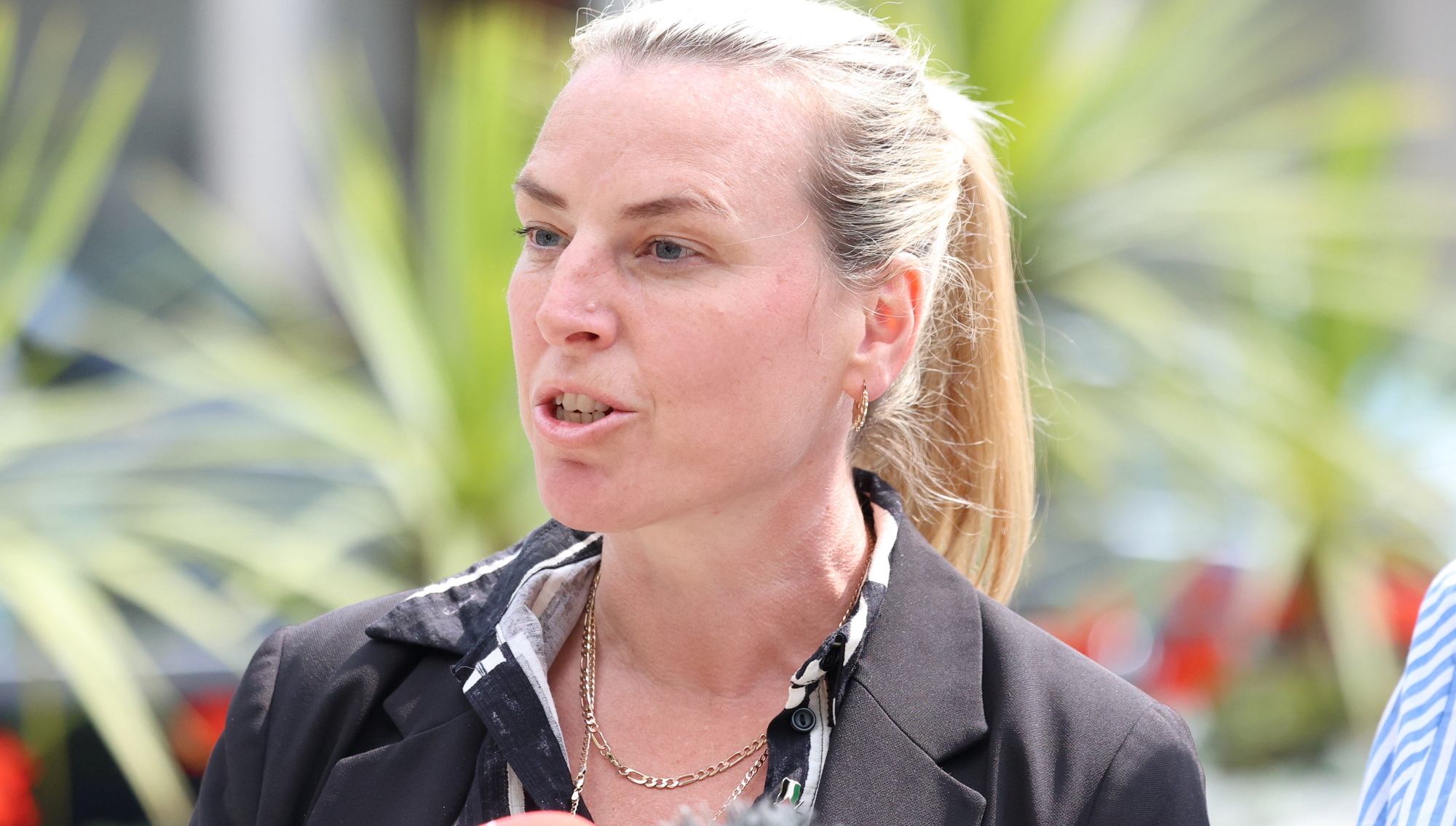
Senator Lynn Ruane said she was very concerned at the “pulling back” of power to the State at the expense of the community. File picture: Stephen Collins/Collins
Members of the Oireachtas Drugs Committee have expressed alarm at the “centralising” of control on drug policy in the draft National Drugs Strategy (NDS)
There were also warnings of a “hollowing out” of the community sector.
The proposed NDS, published last week, will set the State’s response on drugs for the next three years. It is due to go out for public consultation in the coming weeks.
The committee has previously heard concerns from community organisations at what they see as a dilution of their role, including in the consultation for the preparation of the NDS.
Senator Lynn Ruane said she was very concerned at the “pulling back” of power to the State at the expense of the community.
She was alarmed at the “centralising” of decision making from community groups working on the ground into the hierarchy of the HSE.
Nicki Jordan, manager of Turas, a community addiction organisation in Dundalk, Co Louth, said she agreed with Ms Ruane.
She said community groups needed “autonomy” in how they worked and that “multi-annual” funding was necessary to plan services.
She also highlighted the “administrative burden” being placed on community organisations in terms of governance, data collection, and reporting requirements — without getting any necessary administrative staff.
She said “staff burnout is a real and growing risk”, which was not recognised.
Ann Graves, Sinn Féin TD for Dublin Fingal East, said she had “huge concerns” at the treatment of those at the coalface, such as community groups and people who use or have used drugs.
She said community groups “weren’t really included” in the NDS consultation.
Ms Graves said the draft NDS marked a "drastic centralisation of services and funding".
Sinn Féin TD for Louth Ruairí Ó Murchú said his biggest concern was the “hollowing out” of the community sector.
Ms Jordan said community services worked “because they are locally responsive” and can see new issues and respond quickly.
Researcher with Service Users Rights in Action Richard Healy said people who use drugs should be “central” to the design and implementation of drug strategies and “not just consulted”.
He said the vast majority of users “don’t need recovery treatment”, but for those that do, they are forced to conform to an “abstinence” model.
The committee heard from Courts Service officials involved in the Dublin Drug Treatment Court. Nina Brennan said the court would be 25 years in operation this year, but was still a “pilot” project.
She said there had been a number of reviews and that the project has stayed as is.
Her colleague Fiona Wright said expansion elsewhere in the country would require resources and facilities.
They said the court had seen 1,774 people who had achieved varying degrees of progress.
Ms Fitzpatrick said these were 1,774 people who “weren’t sent to prison", which was a “success in itself”.
She said that when the committee visited the court this week, she was “very impressed” by it and thought it could be replicated in Cork, Limerick, Galway, and Waterford.
Mary Fitzpatrick, a Fianna Fáil senator and committe co-chair, pointed out that it does not have a remit over the NDS as it was set up to consider the report of the Citizens’ Assembly on Drugs. However, she and committee members stressed they were very interested in the strategy.
- Cormac O'Keefe is Security Correspondent.
CONNECT WITH US TODAY



Be the first to know the latest news and updates