Peter Dowdall: Indoor gardening keeps us connected with nature in winter
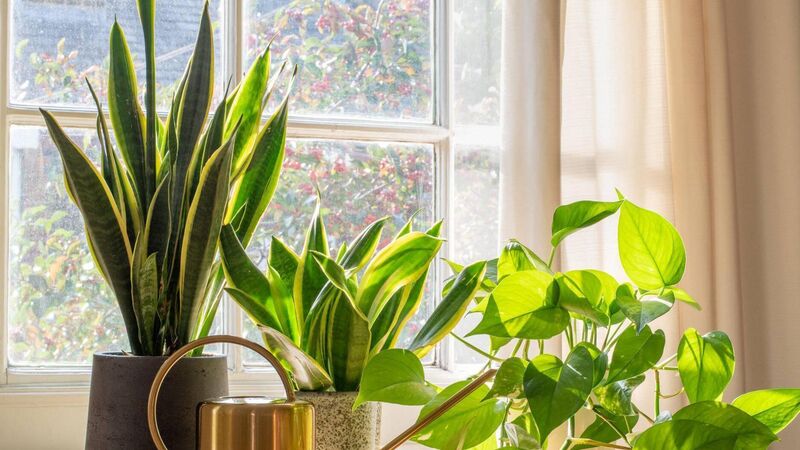
A snake plant, or sansevieria trifasciata: Most plants can tolerate periods of extreme conditions such as flooding, drought and low temperatures, but problems set in if that period is prolonged, says Peter Dowdall. Picture: iStock
There may be something attractive about a snow-covered landscape, which many of us have had the opportunity to admire recently, but the reality of being out in that cold is far less attractive.
Most plants can tolerate periods of extreme conditions such as flooding, drought, and low temperatures. Problems set in if that period is too prolonged.
Thankfully, the recent period of extremely low temperatures was short-lived, and most of our plants, except those that are frost-tender, should be alright. Frost-tender specimens should have been brought in or protected before the snow and ice arrived.
The outdoors holds no allure for me in that type of weather, all it does is make me yearn for the spring to come sooner. However, indoor gardening offers a wonderful way to stay connected with nature, whilst at the same time, improving our living environment, and providing a splash of life and colour in our homes all year round. It's particularly important now during the coldest months.
There is something profoundly uplifting about surrounding yourself with plants, particularly in the heart of winter when the world outside seems locked in a dull slumber. Countless studies have found, what we gardeners have always known instinctively, that the presence of greenery reduces stress, lifts the mood, and even boosts productivity.
Growing and caring for indoor plants brings a welcome sense of purpose and a quiet connection to nature that is all the more precious during these more isolated days of winter.
But these aren’t merely playthings or something for us to while away the hours upon — no, houseplants double as natural air purifiers, filtering toxins and improving oxygen levels something which may be more important than ever at the moment as our homes are sealed tightly against the winter chill.
Far nicer than admiring a metal or plastic, electronic air purifier purchased from some global retailer, indoor plants bring their innate beauty to a space, transforming drab corners into attractive focal points with their rich colours and textures in a way that no plug-in item can do.
Most indoor plants are surprisingly easy to grow, thriving in bright, indirect sunlight. Some are more forgiving and will grow in shadier corners of the home.
During winter when we may have the heating inside turned up high, the dry, heated air, can cause problems for tropical varieties that need high humidity. A simple tray of water in the corner or clustering a group of plants together can help create enough humidity.
Then, there is the perennial question of watering, where less is often more. The most common problem I see with indoor plants is plant parents who are overzealous with watering. Allow the soil to dry slightly between drinks, ensuring your pots have proper drainage to avoid waterlogging roots. Always err on the side of underwatering and not the other way around.
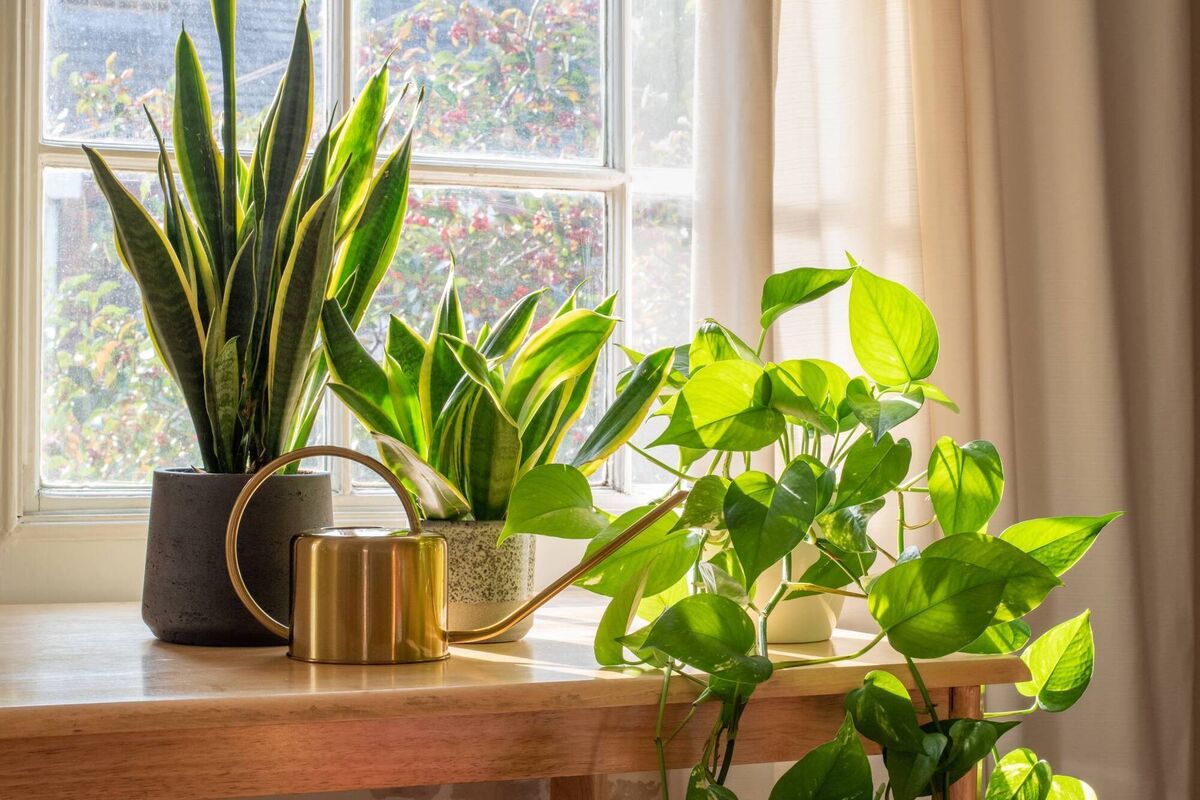
Pothos, with its cascading vines and heart-shaped leaves, is perfect for adding a touch of green to shelves or hanging baskets, and it thrives with minimal care, requiring only the occasional watering when the soil dries out.
Similarly, the snake plant, often called mother-in-law’s tongue, is among the best of all as an air purifier with sharp, upright leaves. It’s happy in bright, indirect light but will soldier on in lower light conditions too, requiring even less frequent watering.
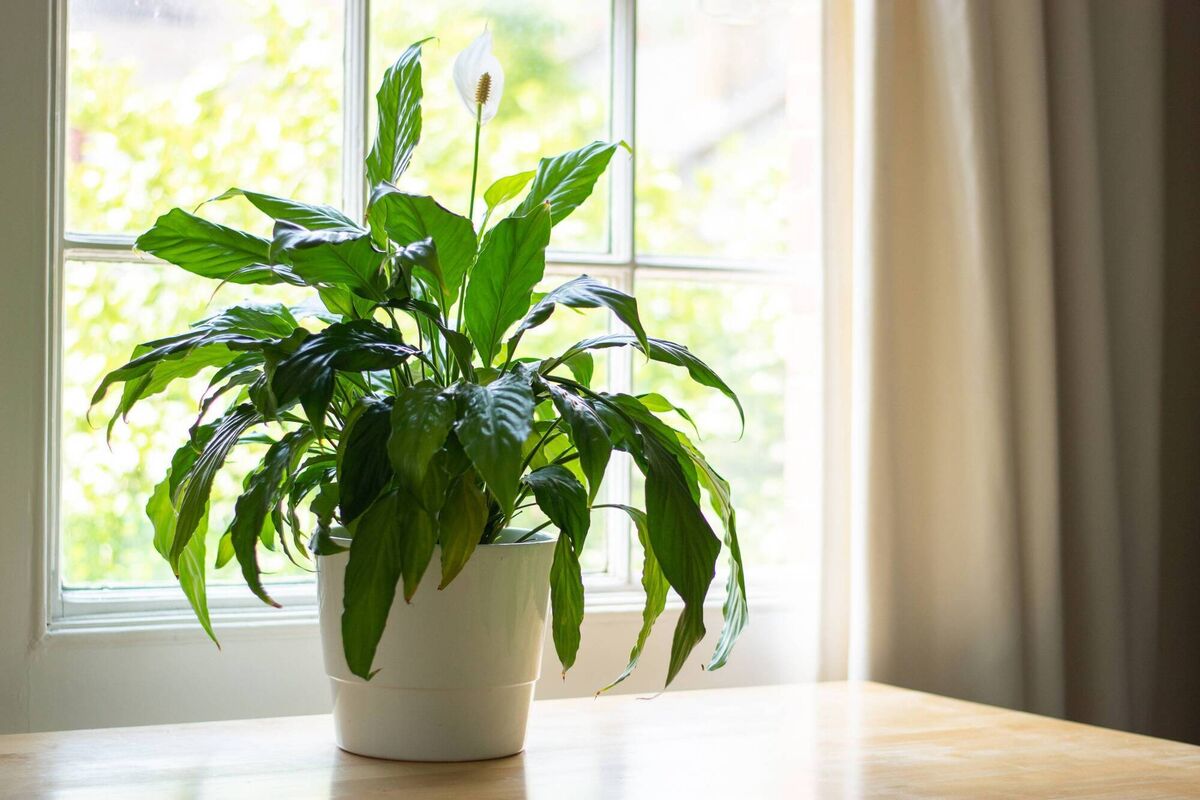
One of my personal favourites is the elegant peace lily, with its pure and simple, white blooms which combine fabulously with the glossy, dark green foliage. It thrives in an area which may have lower light levels and enjoys a moist environment.
Then there’s the spider plant, with its arching leaves and playful plantlets dangling like living ornaments. Quick-growing and low-maintenance, it’s a cheerful choice for any space. Once thought of as only something to be seen on your grandmother's porch, nowadays no self-respecting, uber-cool café or restaurant could be seen without one or more, growing inside, if for no other reason but for the Instagram pics.
Succulents, with their intriguing forms and textures, are the ultimate in minimalist gardening. Varieties like jade plants, Echeveria, and Haworthia thrive on neglect, requiring little more than bright light and very sparse watering.
If you’re new to the world of indoor plants, a few gentle tips will help them to thrive. Rotating pots every so often helps plants grow evenly, as they naturally lean toward the light. Dusting leaves is not just aesthetic, it ensures they absorb maximum sunlight. Watering, requires you to watch the soil more than the calendar, ensuring the roots remain healthy and never waterlogged.
And don’t forget to keep an eye out for pests, treating any signs of trouble promptly.

- Got a gardening question for Peter Dowdall? Email gardenquestions@examiner.ie
CONNECT WITH US TODAY



Be the first to know the latest news and updates