Jennifer Sheahan: How to design a home to nurture mind and body

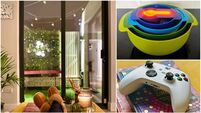
Jennifer Sheahan's living room where she uses greenery and natural light which can promote lower stress and greater wellbeing. Picture: Moya Nolan
I’m not usually one for a trend. I’m not much of a band-waggoner. I would never be called fashionable. I like what I like and I don’t give a fig whether it’s hot or not. That said, there is one trend that I do find myself increasingly enamoured by and that is the increased focus on wellness in interior design.
Wellness is a bit of a wishy-washy term that tends to attract charlatans and frankly irritates me, but in the absence of a better word let’s stick with it for the time being. In the midst of all the wellness nonsense, there are some nuggets of wisdom that have stood the test of time and are worth consideration. Exercise is indisputably good for you, for example. Getting enough sleep and eating food that provides both pleasure and nutrients are smart things to do.
There is endless research to support the fact that spending time in environments that positively impact our mental and physical health is a good idea. We spend the most amount of time at home, albeit asleep for the majority of it. Therefore it’s logical that our homes will have a profound impact on our well-being, influencing how we feel, how we move, how we eat, how we socialise, and how we sleep.
However, there is no one-size-fits-all approach to incorporating wellness into your home. It should reflect your lifestyle, your needs, and your personal preferences. The key thing is to remember that your home (or at least part of your home) should be a place that supports your individual well-being. Here are some things to consider that may work for you.
In September last year, I spent a week in South Korea (highly recommend), and I was struck by how well they blended the outdoors into their interior design. Introducing natural elements such as houseplants not only purify the air in your home but also have been shown to reduce stress.
If you’re like me and have whatever the opposite of a green thumb is, try hardy plants that enjoy being neglected such as the kentia palm that has somehow survived my care for over four years now. If you’re lucky enough to have a garden, consider creating a dedicated seating area where you can enjoy your morning coffee surrounded by greenery.
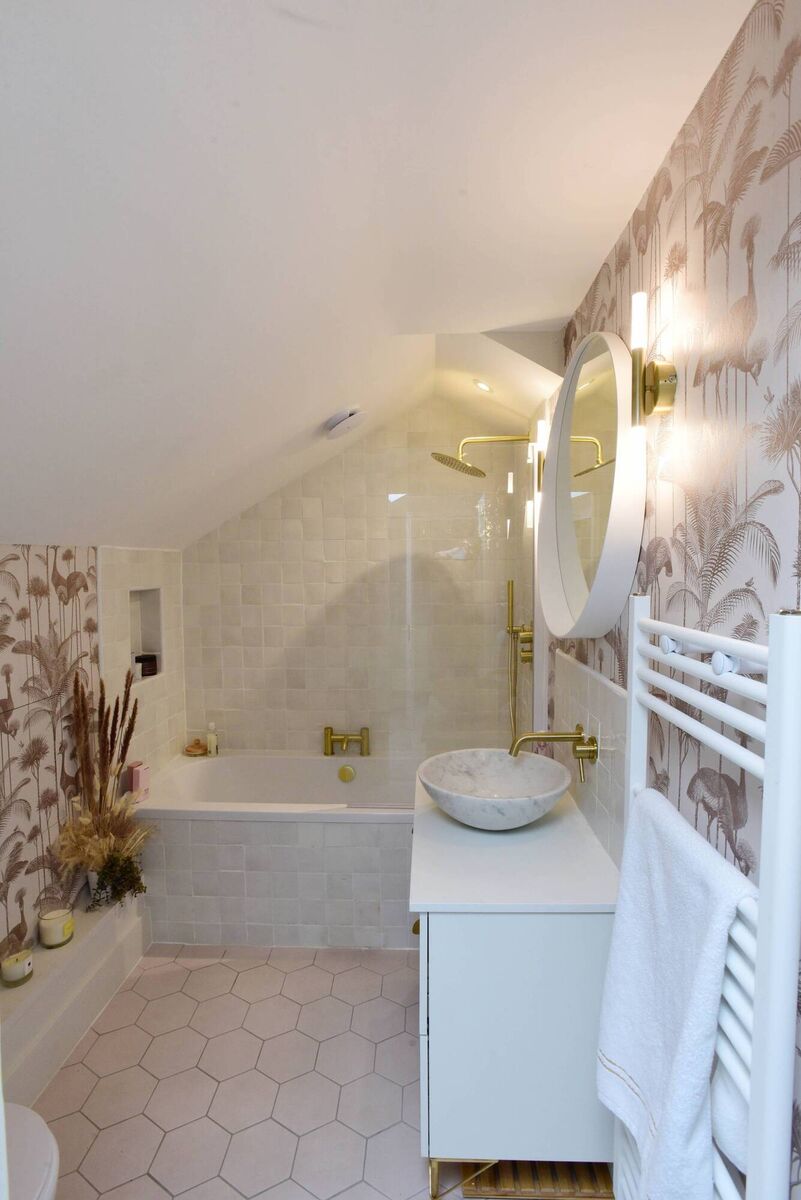
Aside from greenery, other natural materials help to ground your home in nature and create a calming atmosphere such as wood, linen, or natural stone. Many homeowners swear by fish tanks and there are some claims that these promote lower stress, but do be aware that fish require care and be prepared to do so properly.
Good air quality is good for our health. We’re lucky to have generally good air quality in Ireland, but if you live in a congested area consider investing in an air purifier. Opening your windows and letting in fresh air for a few minutes every day helps reduce indoor pollutants — what the Germans call “Stoßlüften”.
Lighting is another critical factor. Natural light has a significant impact on mood, energy levels, and sleep. Try to maximise your home’s natural light by opening curtains, using sheer fabrics, and strategically placing mirrors to reflect light around the room. In the evening, opt for warm, diffused lighting to create a cosy atmosphere and encourage relaxation.
Speaking of trends, another hot wellness topic right now is NEAT — non-exercise thermogenic activity. This is all the energy you expend throughout the day that is not from exercise — for example, climbing the stairs or carrying shopping bags. Incorporating small bursts of movement into your day can be as simple as making it more appealing to move around your home.
Clear pathways and open spaces encourage activity, even if that’s just pacing during a phone call. If you work from home, consider using a standing desk or buying a walking pad for a quick on-the-spot stroll during breaks or calls.
You don’t need much space to create a designated workout corner. Some resistance bands, a couple of weights, and a good yoga mat will do the trick, all of which can be easily stored away.
Sleep is the foundation of wellness, and your bedroom should be a haven for rest. Invest in a good mattress, quality bedding made from natural materials, blackout curtains, and a supportive mattress. Keep the colour palette calm and neutral to promote relaxation. For optimal sleep, it is recommended that your bedroom temperature be slightly cooler than other rooms — between 15-18C.
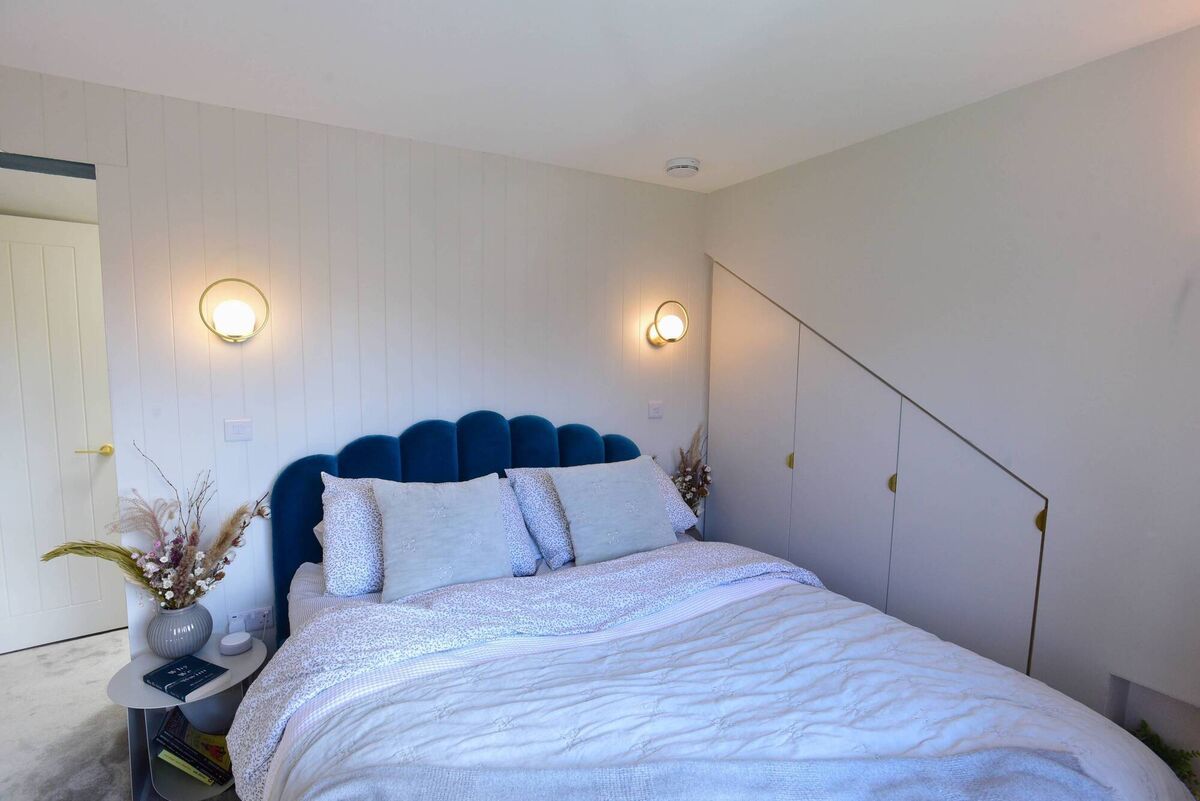
Consider banishing technology from your bedroom, at least after a certain time (say 8pm). Replace your phone with a good old-fashioned alarm clock to avoid late-night or early-morning scrolling, and again add warm, diffuse, ambient lighting to wind down in the evening.
Wellness is a multi-sensory experience, and in our excitement to get colours right, we often forget to include smells, sounds, and textures in our design. Candles or diffusers can fill your home with calming lavender or invigorating citrus. Soft music, nature sounds, or white noise playing in the background can promote relaxation and focus. Finally, think about touch—plush rugs, soft bedding, and comfortable furniture make your home feel welcoming and nurturing.
If your home is a busy one, try to carve out some space that’s just for you to unwind and de-stress. This may be an armchair, a bathtub, a place to listen to or play music, or even a home sauna (they’re not as expensive as you might think!).

CONNECT WITH US TODAY



Be the first to know the latest news and updates