Power Play: Six ways to cut your electricity bill

The most powerful feature in reducing a power bill is more than likely not your electricity package, but your usage habits. Picture: iStock
Heading into the inky months of winter, energy saving is on everyone’s minds. Here are some areas to explore that with a little foresight, might tweak down that dratted electricity bill.
This is no time to be loyal to one electricity supplier. If you haven’t checked your deal against what else is out there in 10 – 12 months, listen up. If you’re entrenched in a one-year contract, it may still be worth jumping ship and taking that €50 kick in the utilities and the loss of a cash bonus to break it.
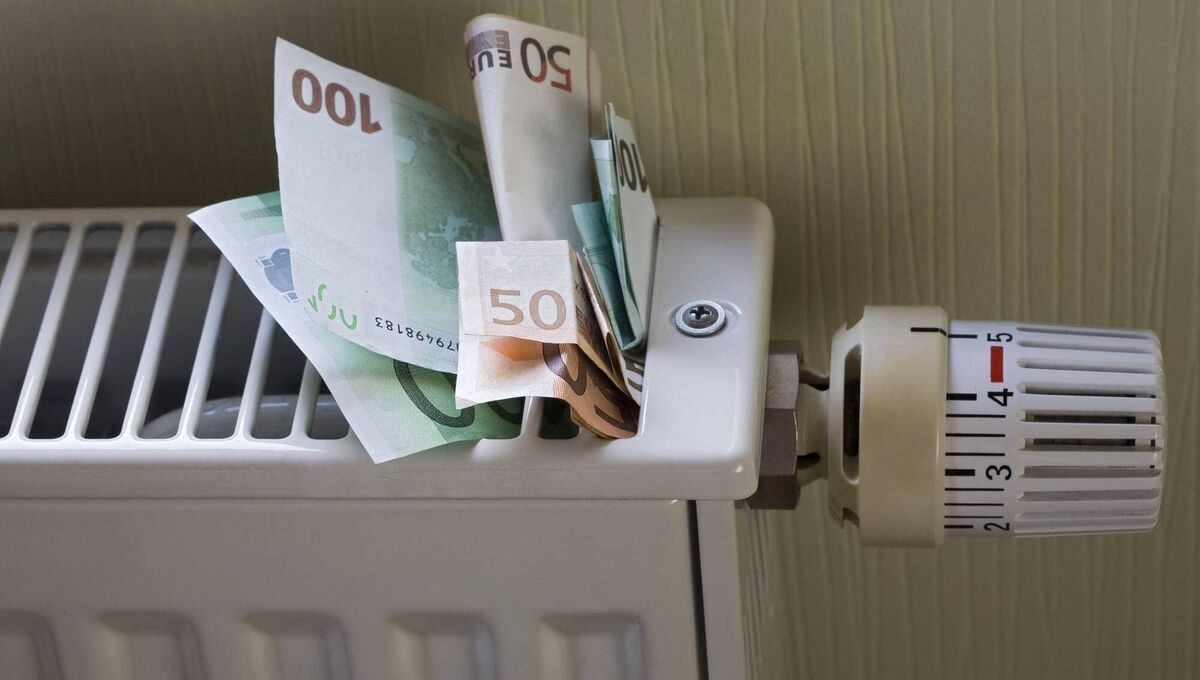
We’ve even seen a return to predictable, fixed-rate unit deals on offer from suppliers including SSE Airtricity and newcomer Yuno Energy, insulating users against unit price hikes (or cuts) for a 12-month period. Very tempting but be prepared for the frustration of seeing prices fall, and new customers nabbing even better unit pricing. Your supplier, once notified you’re breaking up with them for any reason, will often suggest a compromise - a more suitable package to tempt you to stay. Before you hop on the comparison websites, which are excellent tools, take a closer, forensic look at your energy demand. Six bi-monthly bills will at least give you the annual kW/h count. The Commission for Regulation of Utilities (CRU) has found that the average Irish household uses 4,200kW/h of electricity per year. Where does your usage sit and why?
Only around 11% of smart meter users have opted for smart time-of-use tariffs, as a 24-hour set tariff simply functions better for many households. Currently, if you have a new smart meter installed, you can still choose a 24-hour flat rate in a smart plan. Smart meters are being ignored for the fantastic IT upgrade they actually are, providing transparent digital insights on our energy use in real-time no matter what our plans or priorities. If you can commit to acting on that information and changing your habits and routines, then a smart meter linked to three-time bands could seriously trim your bills. Energia offers some of the best time-of-use tariff deals (night/day/peak) to fully engage with your supply. See ESB Networks' free online account open to every smart meter user to see what’s possible with the real-time insights of an all-singing and dancing digital smarts. esbnetworks.ie.
Energy prices are down from the highs of the Ukraine emergency in 2022. Suppliers including Electric Ireland are due to cut electricity and gas prices this month by as much as 20%. Electricity network charges are going up by €101 on everyone’s annual bill. When you’re happy to nosey around the market, do a quick Google search on “electricity prices Ireland” and tap on NEWS, for the latest heads-up on regular changes to fixed and variable-unit pricing. This will future-proof your decision-making. Dual-fuel deals are often outright winners if you’re on the gas network. Remember you have a two-week window to drop of any remote online deal. If you have PV-solar, examine the MSS pricing for return power to the grid, and everyone should note their standing charge which can vary wildly between packages.
Everyone’s needs are different, and your savings may not match the cheerful projections of the supplier. Mine certainly haven’t. Fiercely frugal, they have been far better. Operating the system, you are the greatest influence on the outcome of your billing. If environmental issues are important to you, ignore the smart remarks about “sure it all comes down the same lines”. Vouch for companies committed to developing Ireland’s future in renewable. We’re doing very well, with wind farms delivering 35% of our energy demands already this year. Everyone will receive a €125 credit to their bill before and after Christmas, which should clear most annual standing charges. If you think you might qualify for the Household Benefits Package (€35 per week for your power or gas) go to citzensinformation.ie for more.
There’s a further €300 reduction anticipated on the current Solar PV grant aid of €2100, managed by the Sustainable Energy Authority of Ireland (SEAI) due at the end of this year.
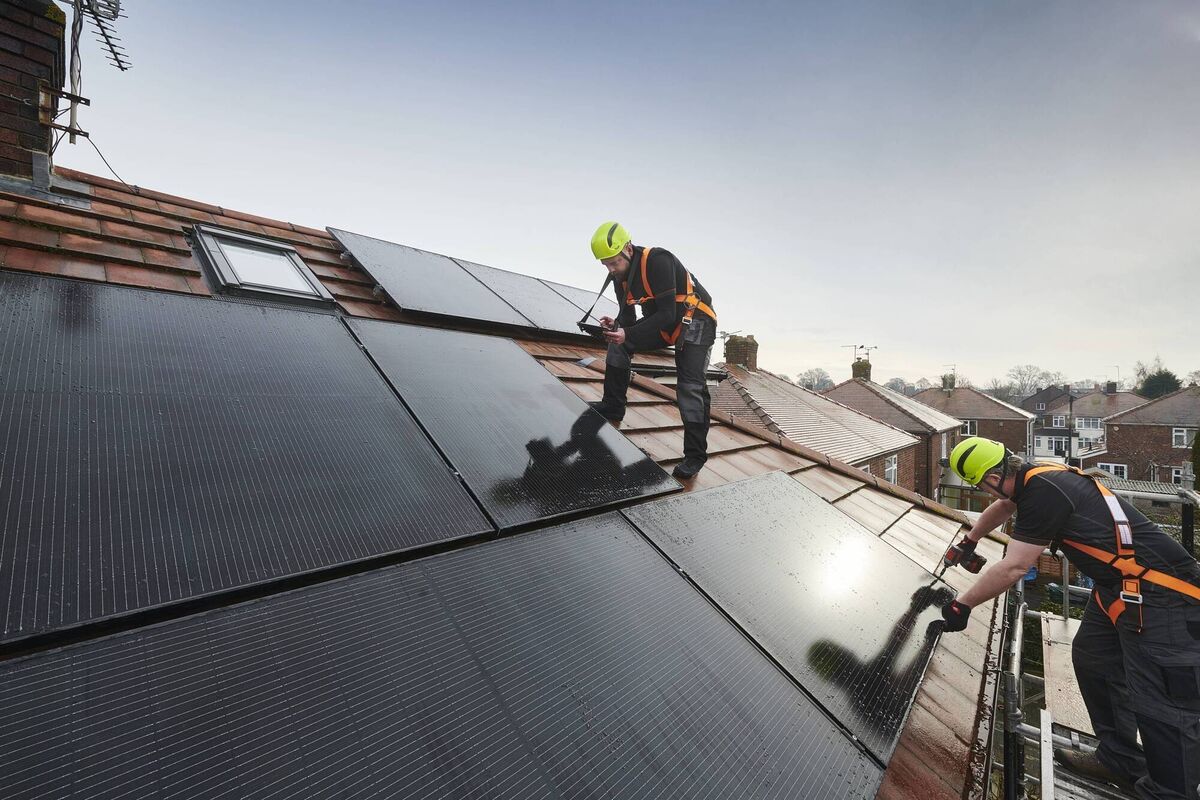
The tumble in electricity unit prices seen in the past months may dissuade some householders from making the considerable capital investment demanded with Solar PV. With 100,000 arrays now in place, there’s already a marked fall in the number of home installations - 100 down to around 65 per week in June according to CEO, Irish Solar Energy Association Conall Bolger, in conversation with Newstalk. The ESB have reported that 750 applications were being processed during the same period. The thing is, many of these connections appear to be from commercial and agricultural sources, not domestic applicants. The government’s attention is shifting, with 20 solar farms in place and 385 in development.
In the end, by 2028 the Solar PV grant will probably disappear from the domestic pages of the SEAI. Keep in mind, the grant is paid on a pro-rata basis. For a 2.5kWp system the grant value right now, would be €1,725. Solar PV is still well worth consideration as a stand-alone energy efficiency measure for any home with a suitable roof or a place for a ground-mounted array. Look for pricing with and without a domestic battery, and manage your expectations during the winter months. Keep in mind that having your own renewable source of clean energy segue into your grid supply will improve the BER and sustainable credentials of your home going forward. Selling your surplus units at up to 24c per kWh back to the grid, you can be part of adding 400MW of clean energy (and rising) onto the power system. For everything you need to know on PV solar and SEAI grants help, visit seai.ie.
There’s a fanfare of advertising regarding quick-washes, with shorter durations for dishwashers and washing machines, touting the brilliance of new detergents and intelligent, sensor-managed technology. The detergent makers are not there to mind your utility bill, but here’s what Ariel has to say.
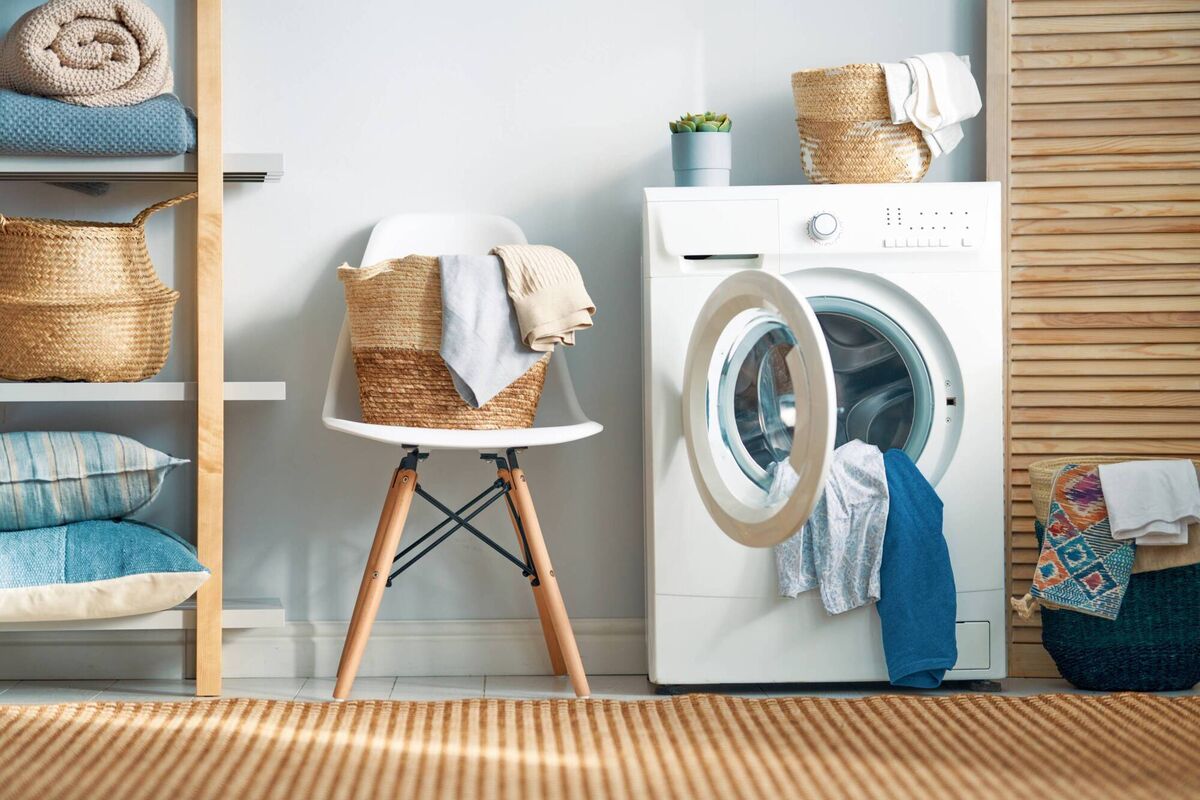
“A quick wash can save up to 60% of energy compared to a regular cotton cycle. However, if your laundry contains garments made from heavy fabrics, they may come out soaking wet, as the spin time is much shorter. It doesn’t pack the same punch as the regular wash, especially if you want to wash your clothes on a cold wash cycle to protect those bright colours from fading.”
There are caveats. These cycles are best used with light fabrics of the same weight, with very little soiling. Used at 20C/30C, a cool, quick wash also does not deliver a deep clean, removing germs and allergens like dust mite droppings. Short, cool cycles are therefore never recommended for bedding and towels. Not chewed by the machine for up to 2 hours, quick-washes are kinder to materials. When you set a short cycle on your washer, it will defer to an ideal temperature setting as it has to compromise on time. In the PDF instruction sheet, you’ll likely find a reduced capacity recommended too (as little as 2kg to 4kg). An older machine is likely not as “clever” as an up-to-date sensor-controlled washer, and short cycles, used habitually, may prove expensive.
60% of the power used to run a washing machine is devoted to heating water. A standard, cool, economy wash can handle most of your loads. Defer to the label on the clothing and build your experience. Machine types and water quality can nuance what you do. Choose a biological washing powder with dedicated enzymes to lift dirt quickly, and keep in mind with a quick-wash cycle, shovelling in additional detergent may leave soap, bleach and enzymes in the weave, irritating sensitive skin. Shorter cycles with any heavy garments often come out wetter, which may demand an extra spin, and will still involve a follow-up in the tumble dryer, a kW-hungry beast in most homes that should be run at capacity where possible. Longer eco-settings, a full washing machine drum and an adequate spin-speed to reduce dryer times, remain the best combination to save energy in your utility room.
CONNECT WITH US TODAY



Be the first to know the latest news and updates