Peter Dowdall: Why I love dianthus and pelargonium blooms

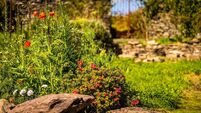
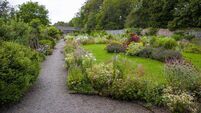
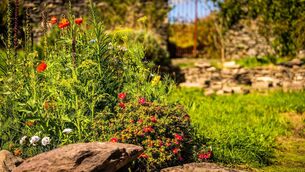
Pelargonium, pictured growing near Bamberg Old Town Hall in Germany, are native to South Africa where European explorers and botanists first encountered these plants in the 17th century. Dutch and English traders brought them to Europe. File pictures
I always find some new fascination during what I call “silly season”, meaning the last month or two when I’m visiting all the garden shows and plant fairs. Its not silly at all of course, I love this season and immersing myself in plants and displays.
This year is no different, I met a new kid on the botanical block, the Leaf and Petal nursery. Well, I’m sure it's not new as such but new to me certainly.
Ali in Leaf and Petal nursery is located in West Wicklow, and specialises in scented pelargoniums and unique dianthus varieties. Unlike the typical selections at your local garden centre, these are rare, heritage, or species varieties. As a member of the Irish Specialist Nursery Association (ISNA), Leaf and Petal participates in seasonal plant fairs and shows, offering both seeds and plants for sale.
It was at the Mallow Garden Festival that I first encountered these scented delights and a few weeks later when I was speaking at the Limerick Garden Festival, I was once more drawn to the horticultural treasures.
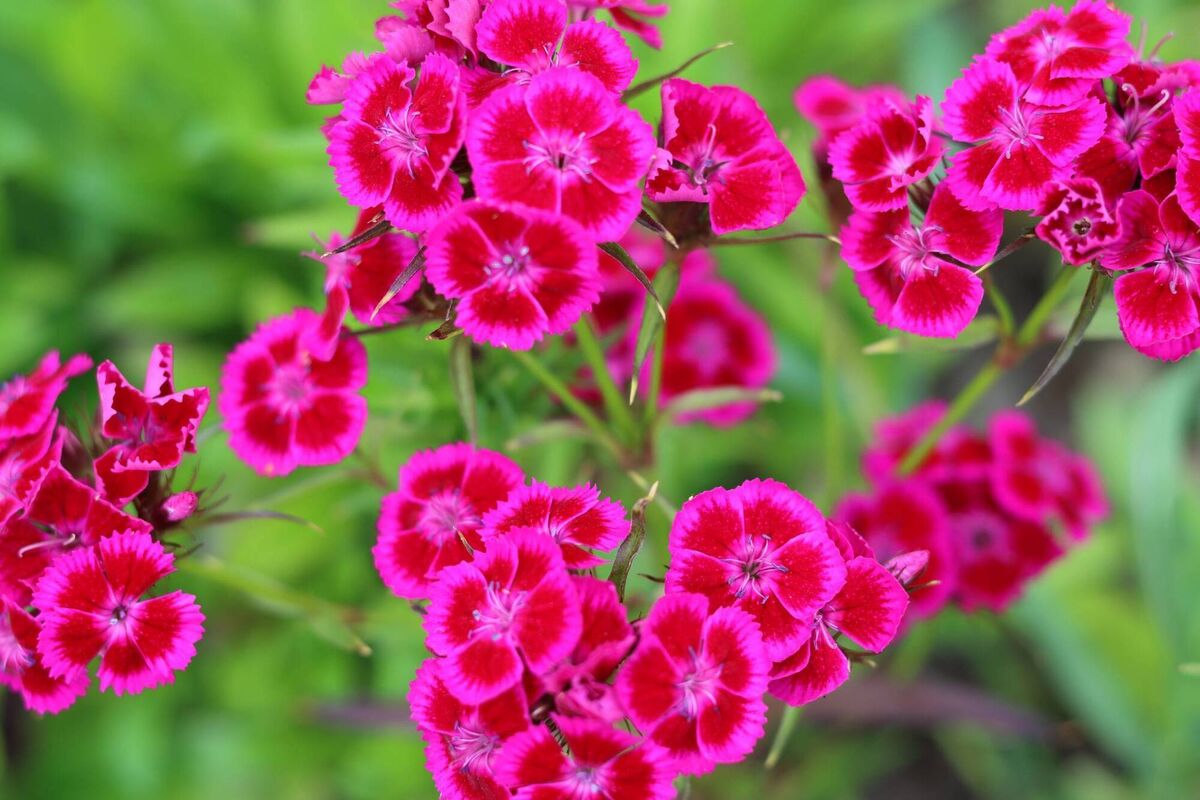
I have loved dianthus since I was a small child. There is something enchanting to me about their spiky leaved texture and the delicateness of their blooms, which, when combined with the magical scent makes them a knock-out plant in my opinion.
I have always been aware of and interested in scented and specialist pelargoniums — normally referred to, though incorrectly, as geraniums — but have never allowed myself to become all consumed by them, perhaps that’s because they aren’t as showy maybe, as some of their cousins that are grown only for leaf and flower colour.
They are native to South Africa where the diverse landscape has given rise to over 200 species of pelargonium, many of which possess unique scents. European explorers and botanists first encountered these plants in the 17th century. Dutch and English traders brought them back to Europe, where they quickly gained popularity among horticulturists and plant enthusiasts.
By the 18th century, scented pelargoniums had become highly prized in European gardens. Their ability to thrive in pots and window boxes made them especially popular in urban settings. The Victorians, in particular, adored these plants and cultivated numerous hybrids. Their passion for pelargoniums led to extensive breeding programs, resulting in a wide variety of scents and forms.
Of course, a garden and plants should appeal to all the senses and not just be nice to look at but the fragrance from these beauties which comes from their aromatic foliage, which can be rose, lemon, mint, and more, isn’t just for us to enjoy, these plants have many uses.
They have a long history in medicine and traditional healers in South Africa have used them for centuries to treat various ailments. The essential oils extracted from their leaves contain compounds with therapeutic properties, including antimicrobial, anti-inflammatory, and analgesic effects
Beyond their medicinal applications, scented pelargoniums which produce their aroma from glandular trichomes, which secrete volatile oils, have a variety of other uses, in the kitchen, as decorative plants, and in aromatherapy.
However, they may be best known as natural insect repellents. The strong scents of certain species, particularly the lemon-scented varieties, are effective at repelling insects. Planting these Pelargoniums in gardens or placing pots near windows and doorways can help to keep midgies, flies and other pests at bay.
Some of the more popular species, of which there are now numerous varieties, include:
Pelargonium graveolens, more commonly known as the rose-scented pelargonium, it exudes a delightful rose fragrance. This variety is often used in the perfume industry and as a flavouring in the kitchen.
Pelargonium citronellum and Pelargonium crispum are both known for having a strong lemon scent, and are often used as a natural insect repellent. The fresh, citrusy aroma is also popular in aromatherapy.
Pelargonium tomentosum has a minty fragrance, and is commonly referred to as the peppermint pelargonium. It is often used in herbal teas and as a soothing remedy for colds and respiratory issues.
They’re not magic and don’t expect one small plant in the garden to keep you flybite-free however, sprinkling some crushed leaves on a windowsill or on the table outside can certainly help to keep them away from an area.
I restrained myself and left only with one dianthus, a simple white variety named chastity. I believe it has a blush of pink in the flower so am really looking forward to seeing and smelling it bloom. The pelargonium that I have, from memory, is the variety Copthorne which has attractive, relatively large leaves and a rich pink flower. I am looking forward to seeing how both do and will keep you posted.
See leafandpetal.ie.

- Got a gardening question for Peter Dowdall? Email gardenquestions@examiner.ie
CONNECT WITH US TODAY



Be the first to know the latest news and updates