Five ways to turn your garden into a summer wildlife haven
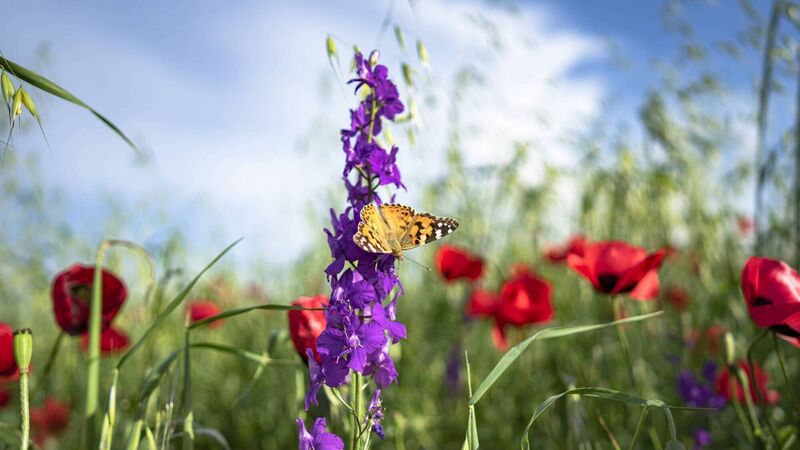
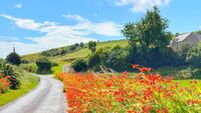
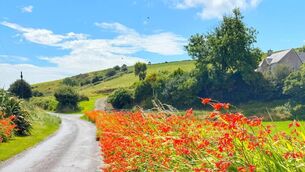
Rewilded and more informal cottage gardens offer rich biodiversity. File pictures
Most of us feel vitally connected to our gardens and outside spaces when the weather warms up. For wildlife, hot conditions present particular and often fatal challenges at a time when creeping urbanisation is splintering natural habitats. Whether you have a balcony hovering over a cityscape or a verdant third of an acre, there are dozens of ways to reach out to the life under our feet, nestled in the borders, and skimming the air.
Together with presenting flowering plants for pollination, give a bee a drink. Over their life of six weeks to six months, bees need to hydrate. They also use this moisture to dilute their honey and to cool the baby bee cells. It’s amazing to think there are almost 100 bee species in Ireland (including one native honeybee) — that’s 21 species of bumblebee and 78 species of solitary bee.
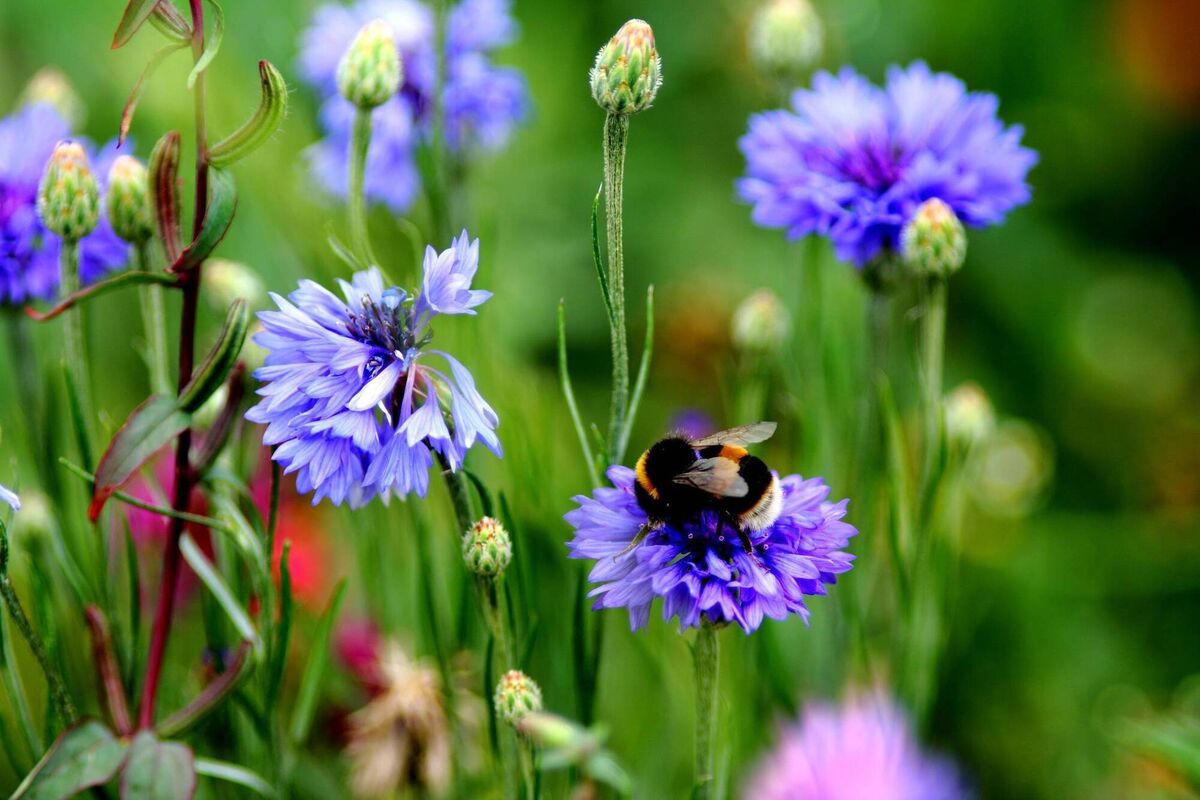
To offer foraging bees a refreshing sip, set out a saucer, wide tray or old frisbee, and fill it close to the top with decorative smooth pebbles in stone or even glass. You can add sticks and straw and natural debris for a more nature look.
Place your water station in the shade, close to flowers to attract more flying insects, and top regularly.
The pebbles will allow the bees and other creatures to safety negotiate the terrain without drowning. If you have a pond, ensure there is a sloping shore, where small animals and insects can drink and even bathe. Otherwise, plunge in a large stable branch for perch and escape.
Many animals including hedgehogs, shrews and frogs visit urban gardens year-round. The trouble is our fences and border walls limit their roam, preventing them from visiting adjoining gardens and land where there may be valuable food, shelter and populations.
Now, obviously we don’t want to encourage tiny animals into property where they are not welcome or might likely be attacked by dogs or cats. Where there are a group or terrace of gardens that could work together to deliver a wider communal habitat, chat to your neighbours about creating small breaks in the boundaries.
For a hedgehog, this would be a gap about the size of a CD and could be provided digging down if you don’t want to cut through the base of fencing. Leave the grass a little longer and discuss between everyone involved how to keep your garden visitors safely under cover as they ramble about. If you’re leaving a shaggy piece of lawn, around say the composter, this could be just the place for a new highway to heaven.
Dark, damp, moist deep grass is a gift for so many animals, insects and invertebrates, and going up the food chain, you’re helping the birds in your garden to find sustenance at a surprisingly hungry season in cities and towns. Adding those corridors for animals, the landscape is not only less fragmented but now offers food-rich habitat and cool, protective shelter.
Try to link your corridors to a bit of urban jungle. Cutting back shrubs, rather than stuffing everything into the brown bin for collection, see if there’s a little or large area, preferably under the shade of trees or in a shadowy corner, where you could fling branches and trimmings to biodegrade naturally, pulled down into the Earth by long shaggy grasses and weeds (let’s call them misplaced plants).
Your hedgerows offer not just lovely soft boundaries but other places for creatures to hide and feed. Choose native species like beech and hawthorn and create as deep a hedgerow as you can manage this winter (November to March), leaving them largely untouched during the nesting season. Be very wary of using your strimmer or mower anywhere near the edges of our jungle — little ones can be very close by.
Our native birds can benefit from feeding all year round, but there are a few things to remember during the nesting season when chicks are receiving meals directly from their parent birds. Fruit like apples and pears can be picked apart into small pieces — reducing the danger of choking.
Protein-rich foods are especially valuable at this time to maintain the energy levels of busy nesting birds, if you do continue to load the feeders and tables.
Mealworms may look a little terrifying (live or dead), but they are perfect summer sustenance. If you use dry ones, soak them to ensure they don’t lodge in the throat of tiny fledglings.
Kibbled rather than whole or halved, avian quality peanuts are fine, but ensure you choose nuts from a reputable source. Cheap, old nuts can carry a fungus called aflatoxin, which is highly toxic to birds.
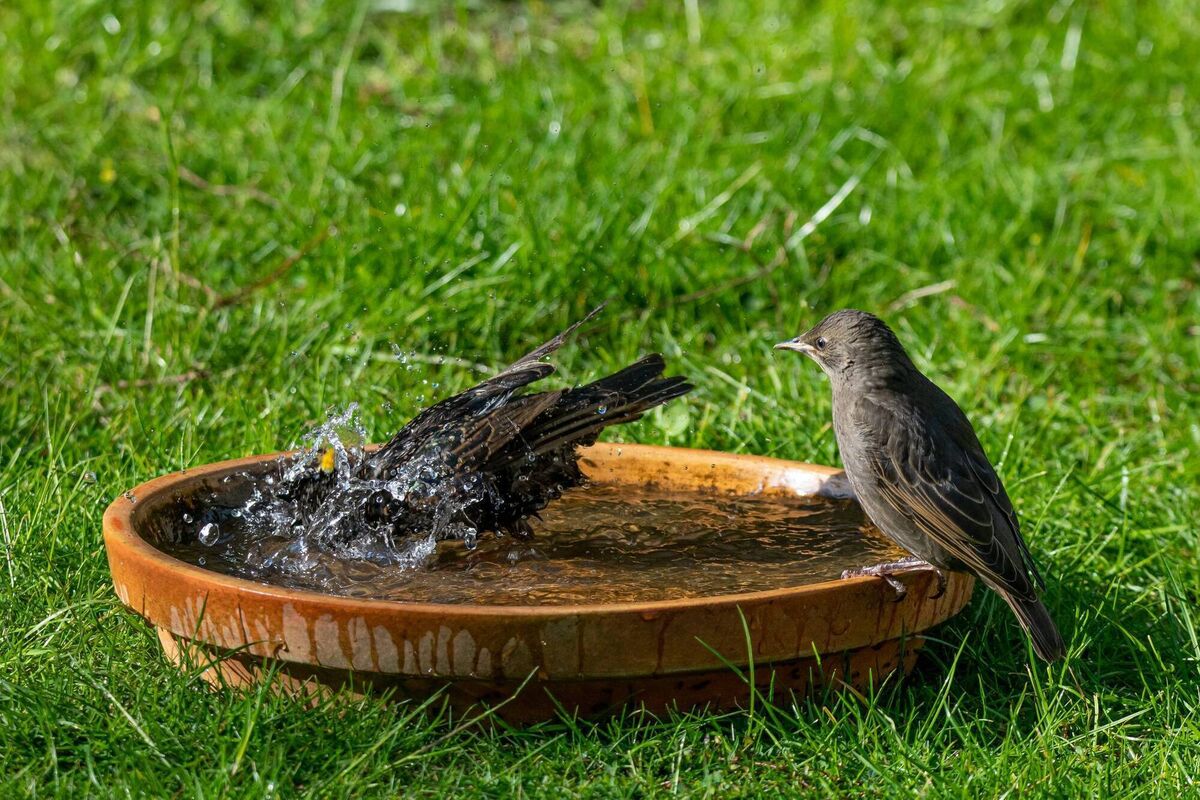
Bird baths provide not only a place to drink but also a place to wash and preen. Aim to recreate a wide, safe and shallow puddle (under 10cm), and wash it out regularly to remove dirt, algae and pathogens. Loose stones and pebbles provide good footing. With a ground set “pedestrian” model also suited to hedgehogs, ensure it’s set slightly out in the open where cats cannot charge the birds. Here’s a nice DIY project for the kids this weekend, rspb.org.uk/helping-nature/what-you-can-do/activities/make-the-perfect-bird-bath.
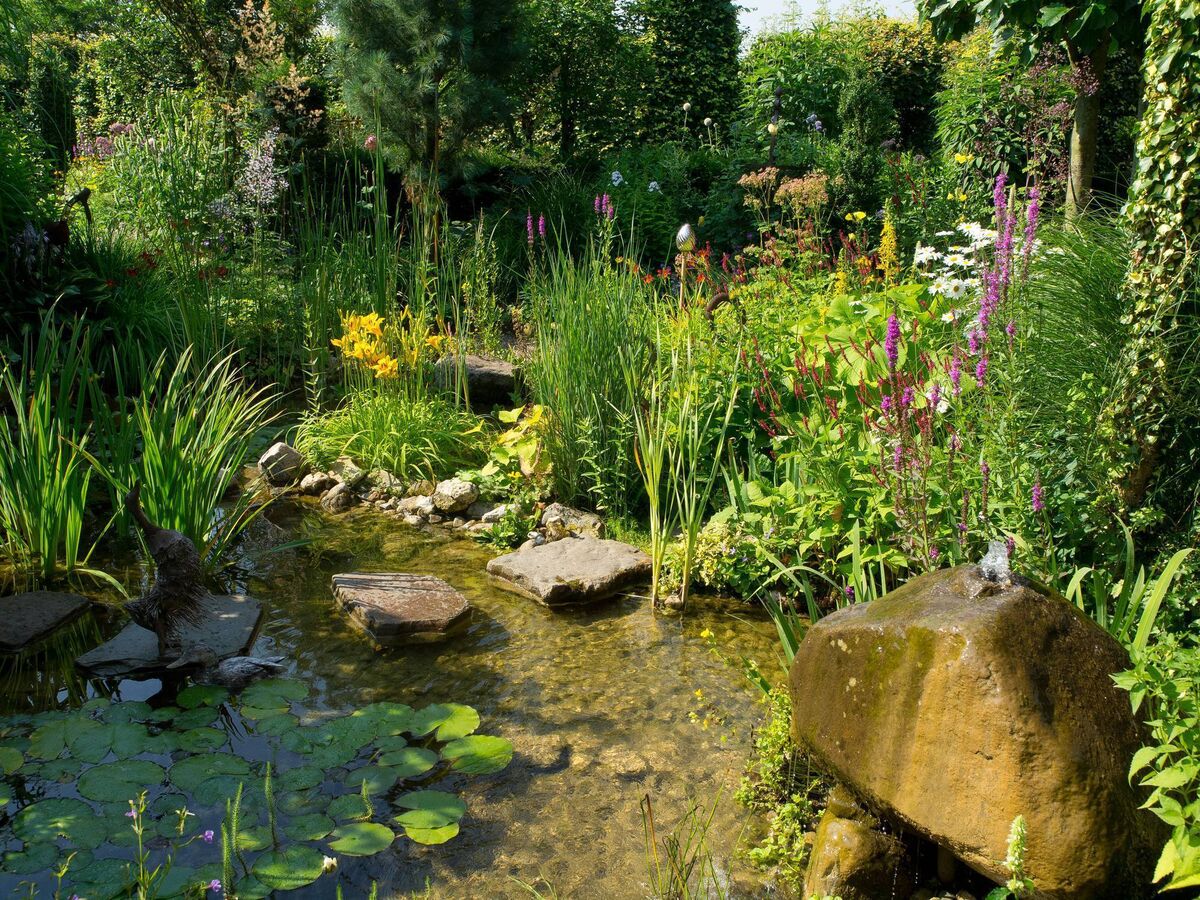
Unless biodegradable and completely non-toxic, using even small amounts of herbicides and pesticides will likely compromise the ground and waterways and can be detrimental to wildlife. Bird Watch Ireland advises “when birds eat slugs and snails that have been exposed to slug pellets, they are directly exposed to the toxic chemicals within them.
While pesticides won’t necessarily kill a bird or mammal, repeated exposure to such chemicals over time can affect their “fitness”, or the ability of an individual to survive, and breed and produce viable offspring. Therefore, they can contribute to population decline.”
Only buy as much weed killer or heavy chemistry for any horticultural job as you need for this season and spot-spray where possible rather than broadcasting poisonous liquids or grains with a backpack. Weedkillers and many tougher garden chemicals are hazardous waste and must be disposed of at your civic amenity centre in the right area.
There’s a handy waster services locator at mywaste.ie. Don’t drop excess or unused products down the ordinary grey-water drain.
Paint, varnish and many other outdoor and indoor materials should be segregated for special treatment — that’s not the household bin. Explore the alternatives — everything from dish-soap to baking soda, salt and rubbing alcohol can be used to control weeds. Contaminating the environment in small but noxious increments with commercial poisons is not the only way.


CONNECT WITH US TODAY



Be the first to know the latest news and updates