Home Q&A: How often should our septic tank be cleaned out?
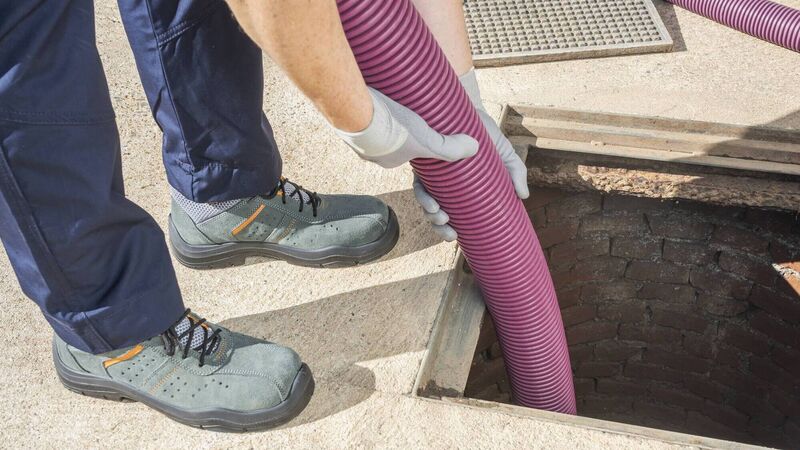
Most systems are geared for around four people per household, and the tank should be pumped out when the solid deposits in the tank reach a certain level. File picture
Acting as a holding point for the sludge that dare not speak its name, your septic tank collects waste grey and “black” water from all your domestic activities including toilets.
With the help of the friendly bacteria in the tank the waste is largely transformed into a sterile effluent that is discharged harmlessly into the surrounding ground through weeper drains.
Most systems are geared for around four people per household, and the tank should be pumped out when the solid deposits in the tank reach a certain level.
Checking it out? It’s pretty much like doing the dipstick test for the oil level in your car. Find the cover of the tank, lift it and put a long pole down into the tank until it meets resistance. Push through. When you pull it up, there will be a mark.
If the mark is any greater than 300mm-450mm the tank needs to be pumped out. Ensure it’s accessible for the tanker to get close enough to do the servicing.
Most tanks need checking annually and emptying every two years. If you ignore it things could get environmentally hazardous (and litigious) — poisoning local ground water, waterways and borewells.
Look out for slow draining from the house, a super-green colour to the grass near the septic tank, or any unexplained pools of water. If you detect a smell, it’s either overwhelmed with waste or the bacteria are not active.
Many household products we throw down the sink and loo kill are lethal for the good bacteria we need to propagate in our septic tanks.
Fat, grease and any material that will not readily break down should be kept out of the system.
An ounce of dry yeast put down the drain to the septic tank will help kickstart the natural decomposition. Ensure that any ventilation grids or pipes are kept open to allow the system to take in sufficient air to do its work. Ensure your tank is registered (it's the law). You can do this online at www.protectourwater.ie and pay by credit card/debit card.
Regular inspections are your responsibility, and there is grant aid of up to €12,000 to rectify a failing septic systems (see gov.ie).
- Got a question for our Home team? Email home@examiner.ie


CONNECT WITH US TODAY



Be the first to know the latest news and updates