Jennifer Sheahan: 'Lighting has a greater impact on how my home looks and feels than any other single decision I made'
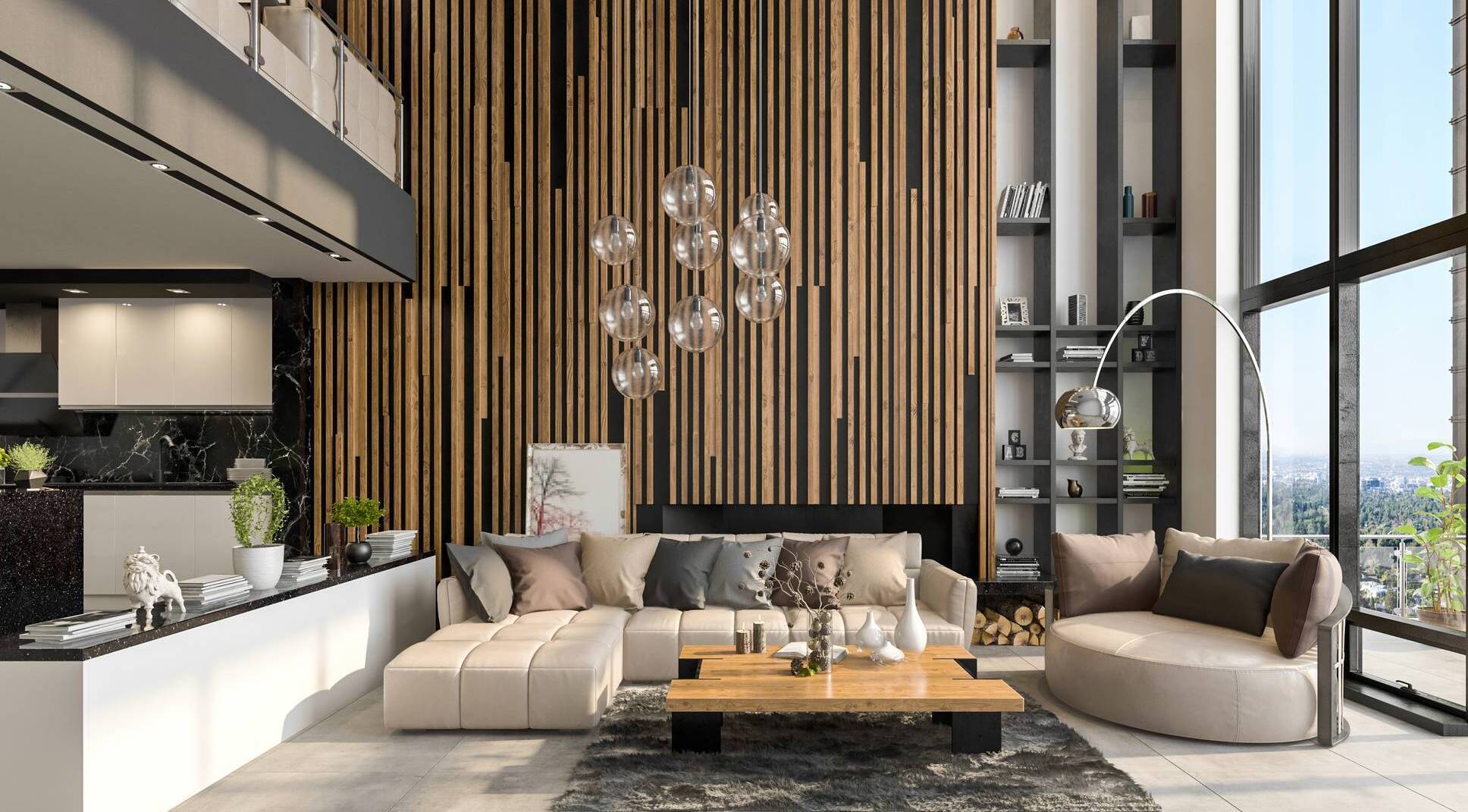
At the very least, you need to have your lighting and switch positions decided by first fix. File picture
When I started planning my home renovation, my architect told me to think about lighting early in the process. I was a bit surprised by that. I thought it was a case of choosing lampshades somewhere toward the end, but he was a good architect, so I took him at his word. It turned out to be one of the best pieces of design advice I have ever received, and I am so glad I took it seriously.
The problem for me was that neither my architect nor my interior designer felt fully confident guiding me through it. My designer, the brilliant Caroline Maguire, primarily works in commercial interiors, where specialist lighting architects are standard practice — a luxury that doesn't typically exist on a domestic renovation budget. So I was on my own.
I went deep down a rabbithole, nerded out on Kelvins and lumens and diffused light and wall-grazing techniques, and emerged on the other side with a mild-to-moderate obsession. I will say the result is the aspect of my home that I am most proud of. Lighting has a greater impact on how my home looks and feels than any other single decision I made.
So if you're mid-renovation, or even just contemplating one — plan your lighting first. Or at least early. Here's what I learned and what I wish I had known.
The reason lighting needs to be planned early is entirely practical. First-fix electrics — the cables, the general switch positions — all happen before your plaster goes on. If you decide later that you'd like wall lights in your hallway or a pendant over your reading chair, you're either chasing walls (expensive, disruptive, messy) or running surface cables (not ideal). The time to decide where you want light is before anyone picks up a trowel.
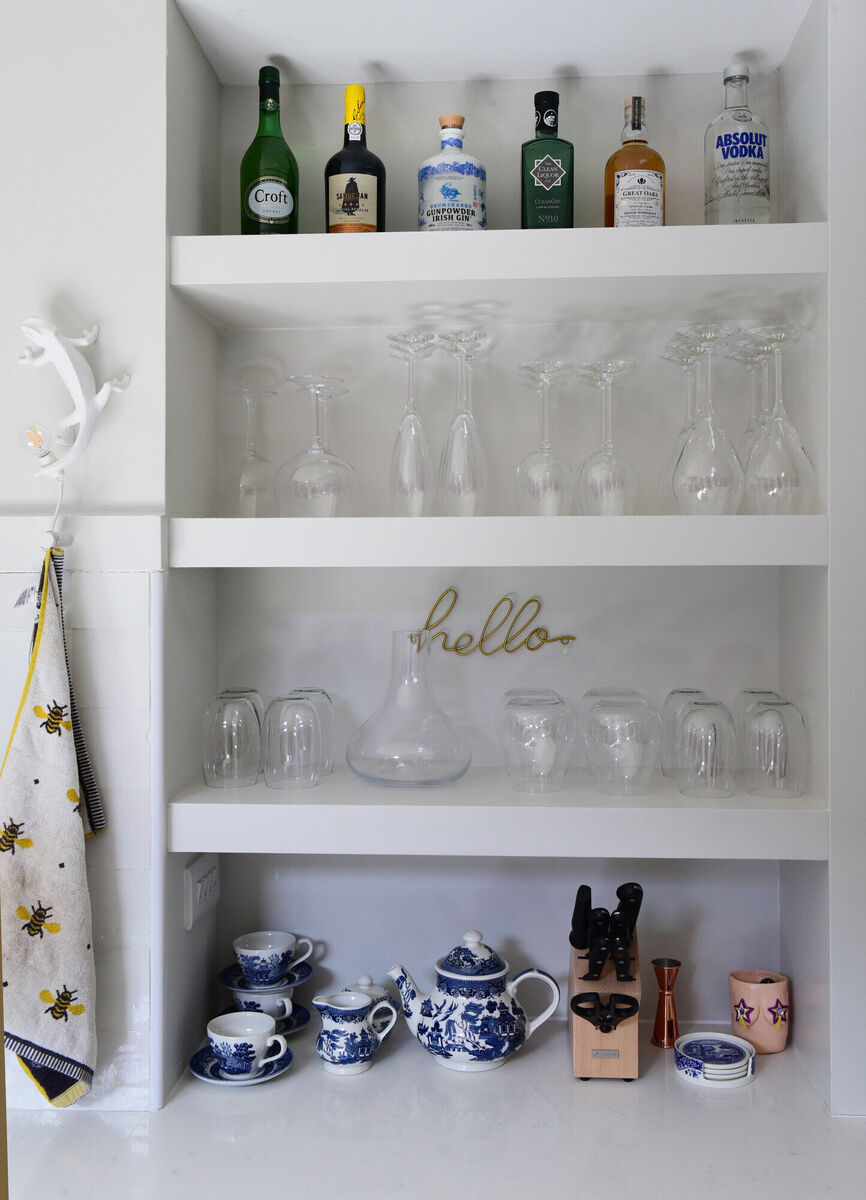
So at the very least, you need to have your lighting and switch positions decided by first fix. It’s easy to get caught on the hop here because it comes earlier than most people expect, and if you don’t specify that you want wall lights or pendant in certain positions then you’ll end up with a spray of spotlights coming from the ceiling in a relentless downward blast that drains every room of warmth and atmosphere and makes the occupants feel that they’re under interrogation.
Lighting can be boiled down to what you want lit and what you want highlighted. Good lighting creates hierarchy. In a kitchen, it might be the island or the dining table. In a living room, it may be the lovely stone surround of a fireplace, a piece of artwork, or an architectural feature. In a bedroom, the bed wall itself, with well-placed (and easy to reach!!) wall lights framing the headboard. The light should guide the eye to the room's best features.
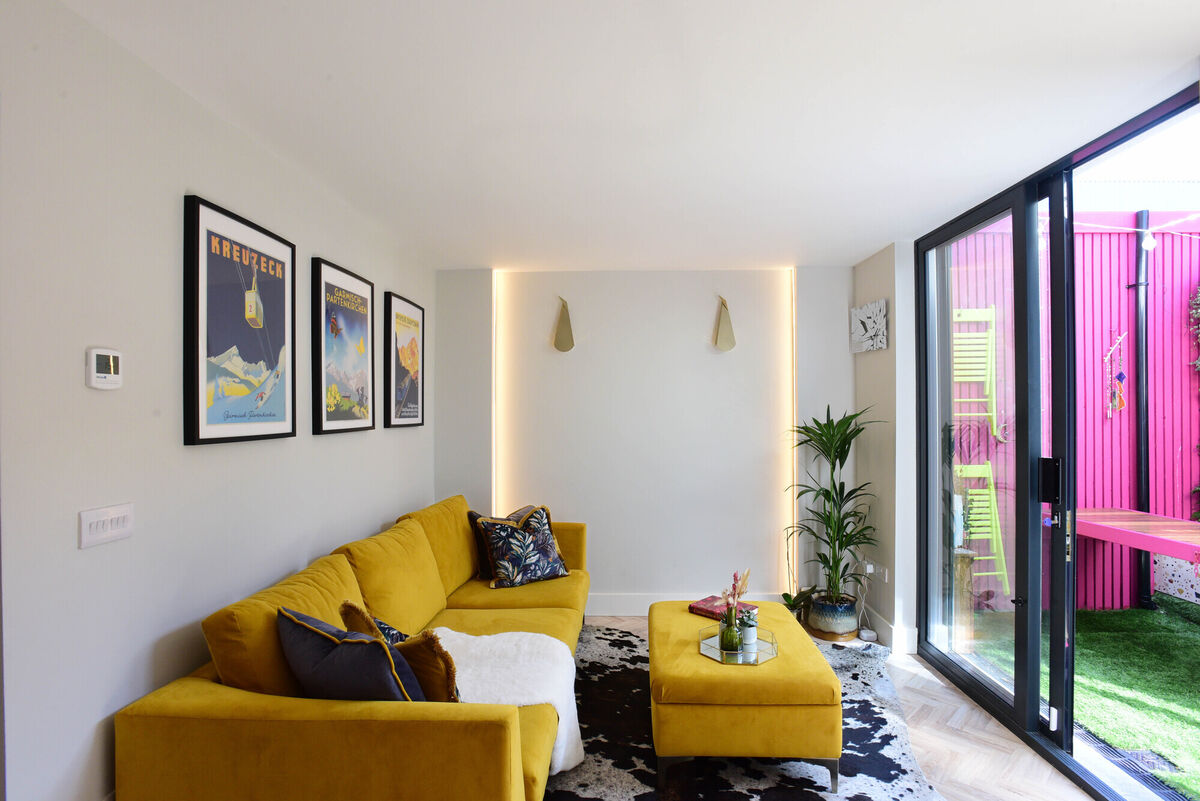
This is why I favour wall lights, pendants, shelf lighting, and concealed LED strips over a ceiling full of downlights. Straight-down overhead lighting is unflattering and flattening. Instead, think about adding diffused light emanating from the wall to graze across a surface — especially if you have limewash, timber panelling, stone, or joinery. That sideways light is what creates texture and drama.
It’s also way more flattering. In my own home, I have a mix of lower-light wall lights plus LED strip lighting with diffuser strips built flush into the plasterboard walls (from FibreLED in Dublin — I found them great). The wall lights are great for accent lighting, and the LED strips provide sufficient task lighting when needed, with no harsh overheads needed. They’re somehow subtle and dramatic at the same time, and I love them. Plus, they’re super cheap! Just be sure to get the right Kelvins — anything over 3000k will be too white and clinical; 2700k is my personal sweet spot.
In my kitchen, I have a Seletti chameleon lamp that I love — it’s small and unobtrusive by day, but when lit at night, it brings personality to the space. In my study, I have an Eos Umage feather pendant that is soft, sculptural and fun and bold. In my hallway and living room, I have a stag's head and two peacock wall lights from Popup Lighting, made from brass and sculpted like origami, which again fade into the background by day but get loads of attention after dark.
In my bedroom, I have an Eclipse plaster wall light from Astro Lighting that I had painted to blend with my wall colours — I adore the diffuse glow from this light, and recommend it often.
For fittings and brands I come back to again and again, my go-to is Lampmasters.ie — they carry a really strong range at various price points. I can’t afford the Gubi or Moooi pieces they have, but I browse and drool over them often. I also love Shady and the Lamp in Dublin for really stunning handmade lampshades.
And one thing I cannot recommend highly enough right now: rechargeable lights. The evolution of battery-powered and rechargeable fittings over the past few years has been genuinely transformative for interiors, because it means you can add lighting anywhere without chasing a single wall. Yes, you still have to recharge them, but it’s progress. I love the Babington wall lamps available from Hedgeroe Home, and the alabaster lamps from Luppichini, which have the most beautiful glow. No electrician required. No plaster dust. Just light, exactly where you want it.
If I had to choose one single piece of lighting advice to give every person renovating their home, it would be this: put dimmers on everything. Every room. Every circuit where it's possible. OK, two pieces of advice — put your lights on separate switches. Have one for task lighting, one for mood lighting.
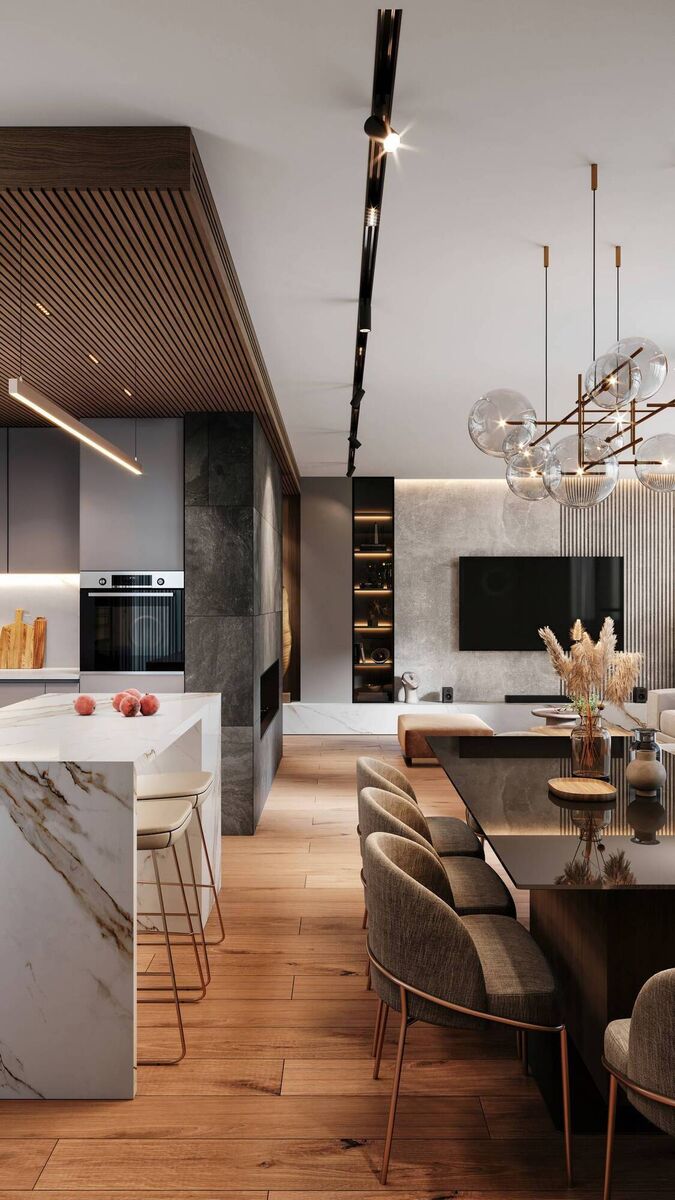
Dimmers are the cheapest luxury upgrade in any renovation because they allow one room to have multiple personalities. Your kitchen at 8am needs clarity and brightness for school lunches and coffee. The same kitchen at 9pm, with the dimmers turned low and a candle or two, should feel warm and intimate.
A living room that works for a Sunday afternoon with the kids should be able to transform into something altogether calmer for an evening in with friends.
If you haven’t installed dimmers, never fear — the smart home is here. Ikea and Philips Hue have a fantastic range of dimmable smart lightbulbs in a range of fittings, whether you have dimmer switches or not.
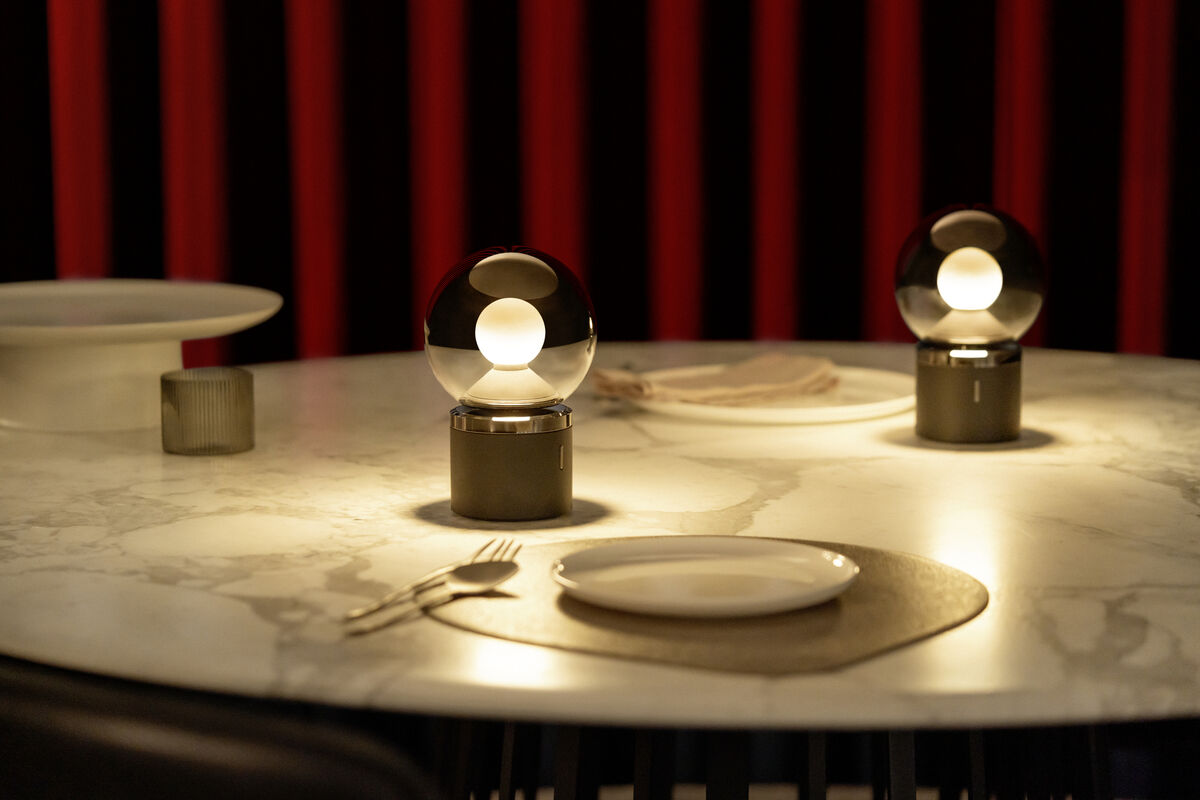
For some luxury smart lighting, German brand Occhio has been doing wonderful things in this space — its fittings combine beautiful design with practical wireless Bluetooth and touch controls, allowing you to adjust colour temperature and intensity across the day.
My final test for any room: does it get better after dark?
During the day, natural light does most of the heavy lifting. Once the sun goes down, your lighting scheme takes over completely — and that's when you really find out how well you've done.
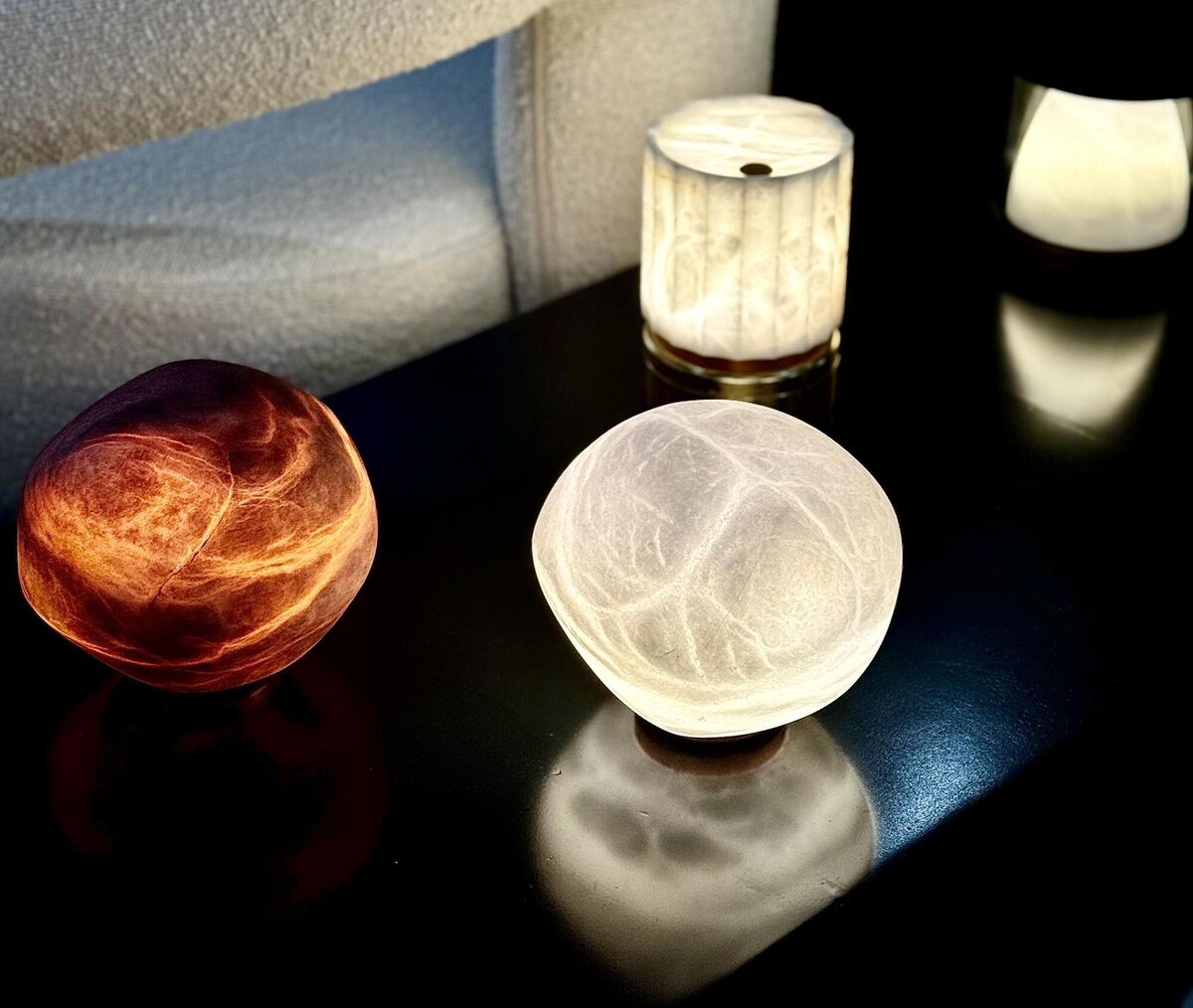
The rooms that truly work are the ones that feel just as beautiful at night as they do by day. Paint colours should still look rich.
Timber should still feel warm. Stone should still have depth. And crucially, people in the room should look good — flattering light is not a vanity, it's part of what makes a home feel welcoming.
Lighting is, without question, the thing worth spending your time on. Plan it early, spend your energy on it, and don't treat it as an afterthought. Your rooms will thank you for it.
CONNECT WITH US TODAY



Be the first to know the latest news and updates