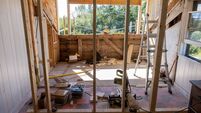
In the right mould: Skirting boards, architraves, cornices and sills
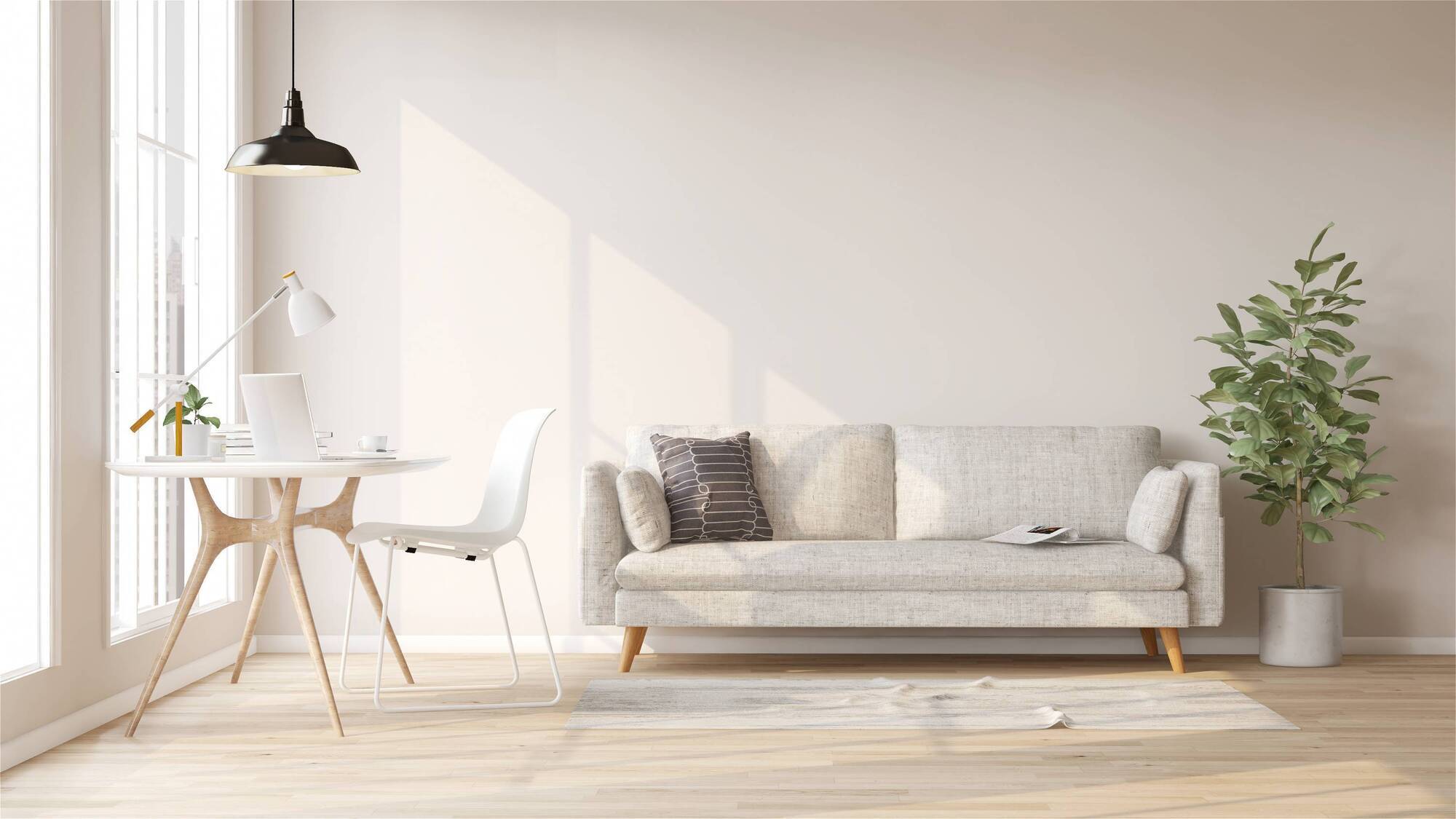
This simple slow skirting typical of the 1960s contemporary home, perfectly suits this mid-century-inspired space of today. File picture
Moulding includes skirting boards, architraves, cornices, and even windowsills. These are largely decorative, second-fix elements today, but this architectural joinery was originally developed to guard more fragile materials from damage, staining, and wear. This was especially important where different kinds of surfacing met, at the junction between floors and walls.
The quality of wet plastering varied wildly in the 1700s and 1800s. Socially mobile householders wanted to put on the best show possible. As wood panelling disappeared from interior walls, moulding remained as its essential protective adornment, refining a rough wet-plastering job.
In grand houses moulding signalled status and wealth with grandly built-up skirting fashioned onsite in deep ornamental runs, matched to a heavy icing of plasterwork by Italian stucco workers.
A truly great house would include some plaster mouldings rather than timber, echoing the external architecture. Their skirting might even run to marble panels in the hall.
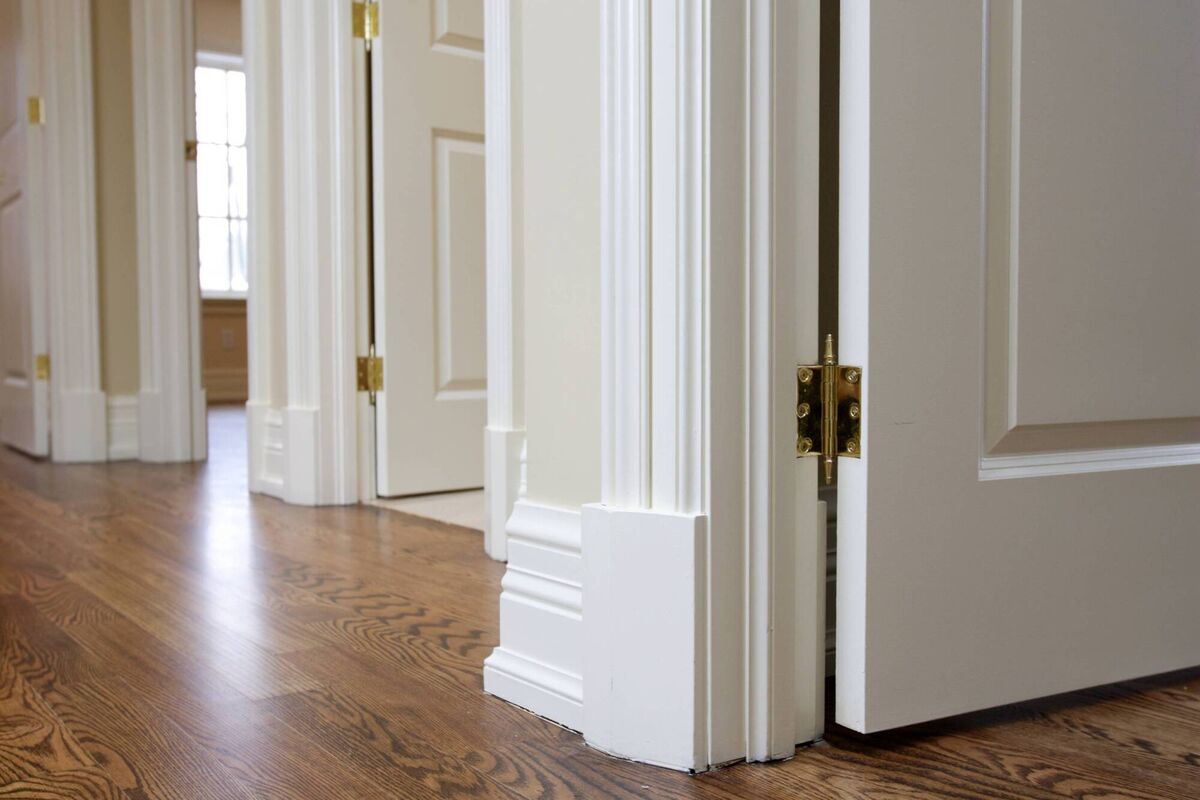
Keep in mind that any flat-top skirting will collect dust, whereas a rounded or chamfered board will shake it off. The more elaborate the skirting, the flatter the paint finish, and the harder it will be to wipe down.
CONNECT WITH US TODAY



Be the first to know the latest news and updates