Soundproof your home to dial down din from noisy neighbours
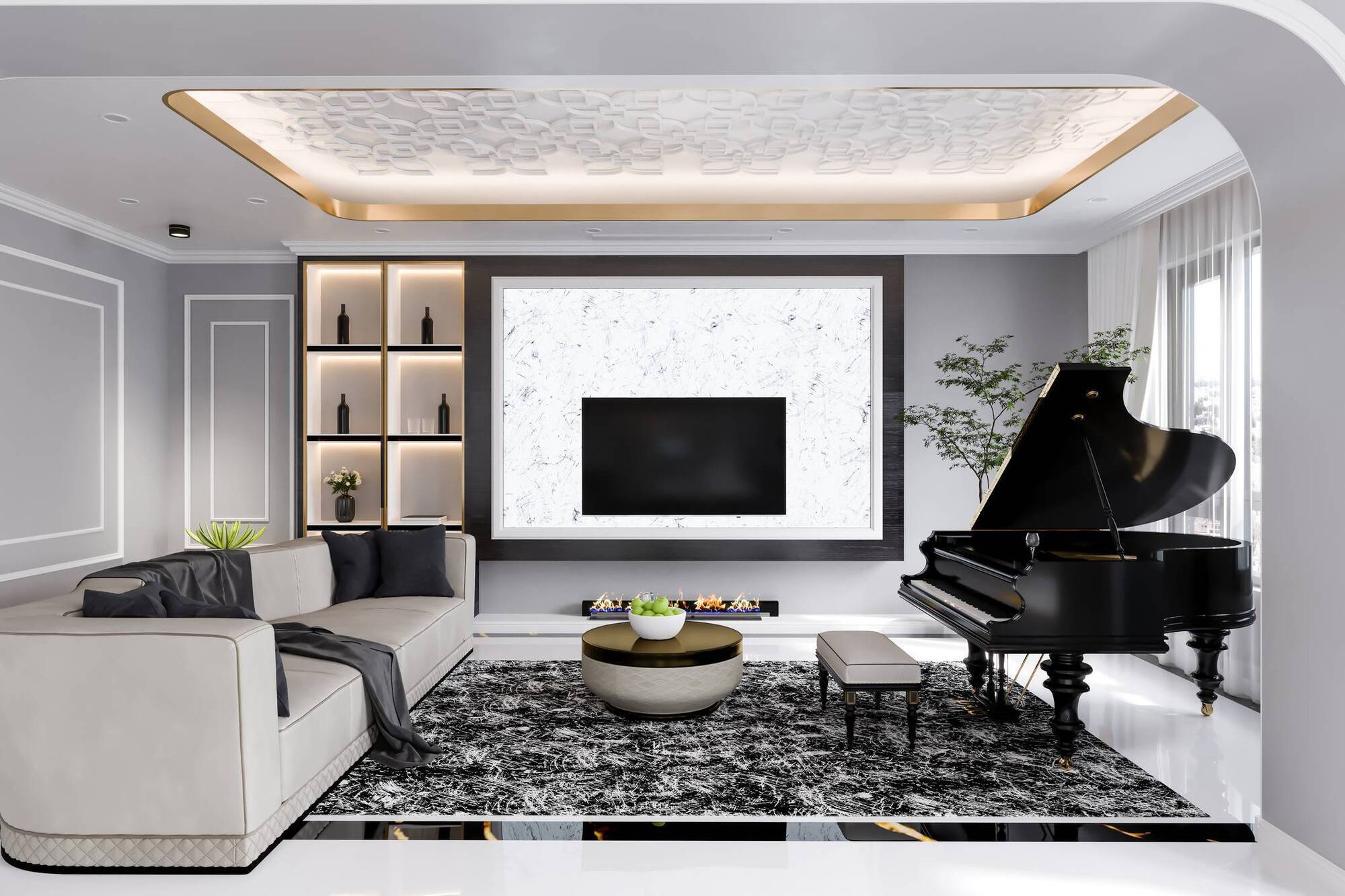
Acoustic panels are surprisingly thin panels, usually made from foam or another porous material that absorbs sound. Picture: iStock
Most of us who live in small houses or apartments are squished in snugly between our neighbours. This is great when you have wonderful neighbours, but not so great when you have noisy ones — or if you like to be noisy yourself but are polite enough to feel bad about it. Perhaps you need to work from home and can’t have background noises interrupting your focus time or intruding on your Zoom calls.
Maybe you like to sleep just when your neighbours like to tap dance. Or possibly you are a household of burgeoning musicians — in which case why give away a free concert? Soundproof your walls and make your neighbours pay for the pleasure!
Of course, you can bring in a professional company if you need a very thorough job, but if you just need to dampen the noise enough to achieve a reasonable level of peace and quiet then there are a number of quite easy and affordable ways to do it.
Here’s how.
It’s helpful to know how sound works because understanding how to dampen sound can give you ideas of your own. If you couldn’t care less about how sound works then skip to the next paragraph, but I’m a physics nerd so I’m going to indulge myself for a few sentences. Sound, as you likely know, travels in waves.
These waves bounce off hard surfaces and reverberate. That’s why standing in an empty room is so echoey.
Soft materials and uneven surfaces absorb and break up the waves, which is why screaming into a pillow is the method of choice for silently releasing frustration. Therefore sound dampening and soundproofing methods simply involve adding materials that absorb sound waves and finding ways to block materials that conduct sound waves.
Before you go and purchase acoustic panels or call in a professional, consider whether adding some simple home furnishings could help with sound absorption in your home. If you have solid floors, add rugs — this is especially true on stairs, where simply adding a stair runner will greatly reduce the noisy clattering of footsteps.
Adding foam or rubber backing to rugs and runners will have an even greater effect, and you can also use these underneath noisy appliances such as washing machines (ensure they are made of fireproof material first).
If you have noise coming from outside the curtains will do the same — the thicker the fabric the better, or better yet layer blinds and curtains for additional sound dampening. Finally, mind the gap — even small gaps around doorways and windows will allow sound to pass through, so try using foam strips to plug any noise leaks.
Acoustic panels are surprisingly thin panels, usually made from foam or another porous material that absorbs sound.
They come in plenty of shapes, sizes and colours, and generally have noise ratings that will tell you how effective they are.
Ikea has a range of affordable acoustic panels, curtains, and room dividers. Hunt Office (huntoffice.ie) has a range of colourful acoustic panels in various shapes. Woodies (woodies.ie) and Tile Merchant (tilemerchant.ie) have acoustic slatted wooden wall panels which I think look fantastic.
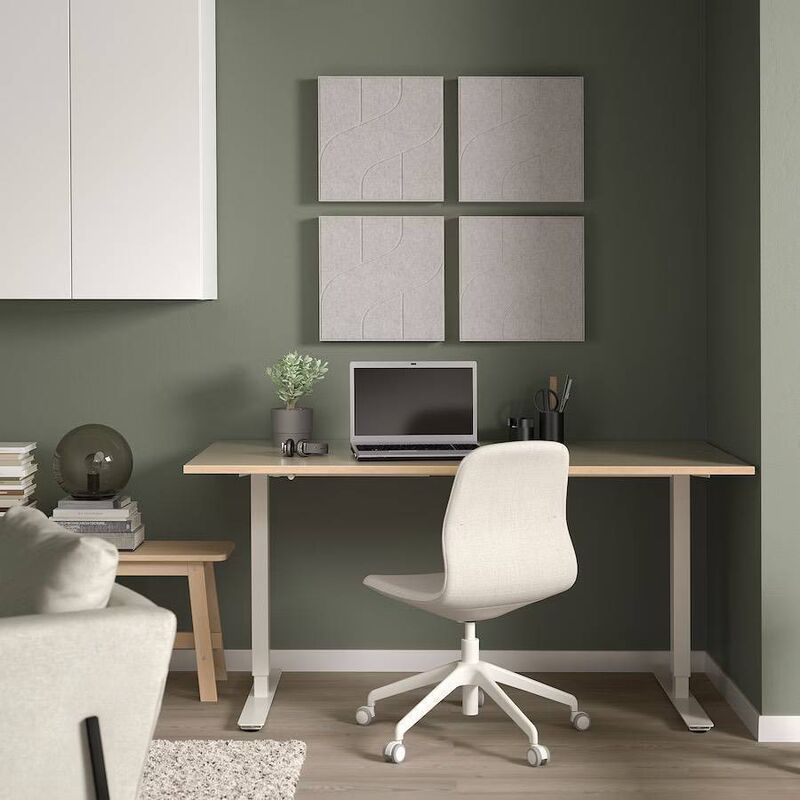
Wherever you buy your acoustic panels from, check their noise rating and that meet fire safety standards.
If you like the look of acoustic panels then hang them up and off you go.
However, if you don’t, you can simply apply a panel to the back of a large mirror or piece of artwork. For acoustic panels to be most effective, they should be directly between you and the source of the noise. For example, if your dishwasher rattles against the wall dividing your kitchen from your home office, install the panels in your home office at the point on the wall that the dishwasher is directly behind.
Bookcases aren’t just good for displaying your books and bits — they are also wonderful sound barriers.
The more you fill them with books, plants, and other items, the more effective they will be. The same goes for chests of drawers, shelving units, credenzas, and even couches.

Fill them up with soft items and they will dampen sound waves passing through them. You can of course also apply acoustic panels behind your furniture to further muffle any sounds coming through.
If you have a lot of noise coming from outside or through the walls from your neighbours and the above solutions just aren’t enough, then it might be worth spending some money to get the professionals in. Professional acoustic and soundproofing companies can install sound-absorbing material under your floors, on your walls, and on your ceiling. Some installers can even apply sound-absorbing plaster to your walls and ceilings!
They can find any gaps around doorways and of course, don’t forget your windows — double or triple-glazed windows are worth installing if you don’t have them already. If you are starting out on a renovation or new build, incorporating acoustic materials into your plans could save headaches down the road!
CONNECT WITH US TODAY



Be the first to know the latest news and updates