Jennifer Sheahan: How to spruce up your rented home
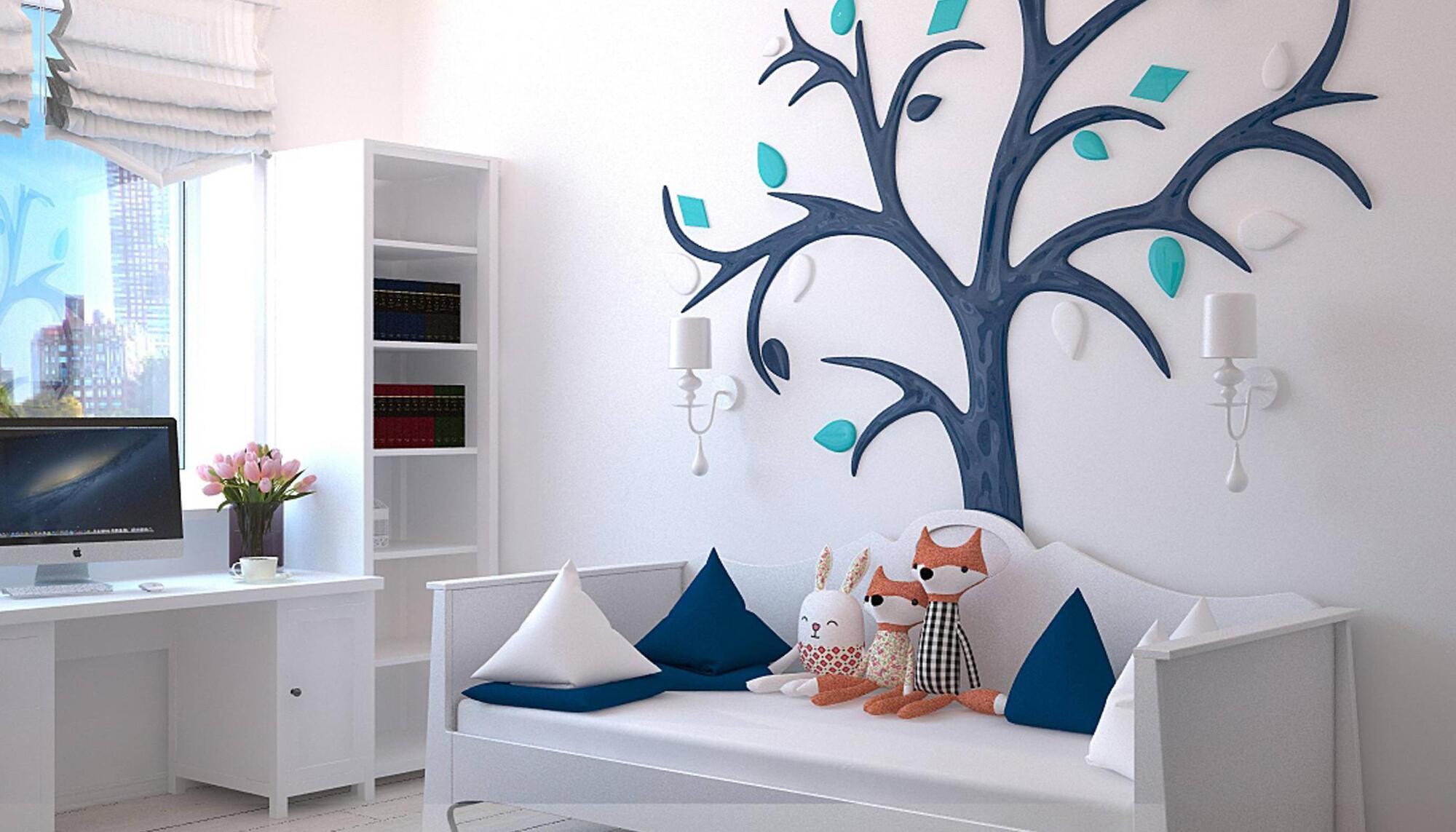
Browsing interiors inspiration pictures can be a bit frustrating when you’re renting. There are limits on what you can do, and an ever-present risk of losing your deposit. Perhaps there’s existing furniture that you can’t swap out, or the paint is not what you would choose for your own home.
Typically, you are responsible for giving the place back to the landlord in the same condition you got it.
It is a good idea to review your contract to check what changes you are permitted to make, if any, and you can always talk to your landlord to request any additional changes (tip: get this in writing). However these restrictions should not prevent you from making the space your own — renting is a more viable option for a host of reasons, and you should be able to create a home that represents your style. Here are some ideas for how you can put your own stamp on your rented home without losing your deposit.
The easiest place to start with redecorating is with soft furnishings. Consider new blankets and cushions (or cushion covers). Rugs can have a huge impact — think big, and don’t be afraid to layer them. You can also swap out lampshades and add your own curtains, blinds, tablecloths and shower curtains. In one of my previous rented apartments, I used a staple gun to re-cover dining chairs with my preferred fabric, which was easy to remove before I moved out.
If your rented accommodation has existing furniture that you can’t move, but can’t stand, then consider covering it — a throw might be enough for a small couch, but you can also buy sofa covers in many furniture shops including Ikea and Harry Corry. These are elasticated covers in a range of colours and materials that can be used to cover most standard-sized couches. Be sure to measure before you buy!
Lush greenery and colourful flowers can transform a room, without leaving a trace or requiring any installation. If you are not green-fingered, check out last week’s article on alternatives such as dried flowers and artificial plants.
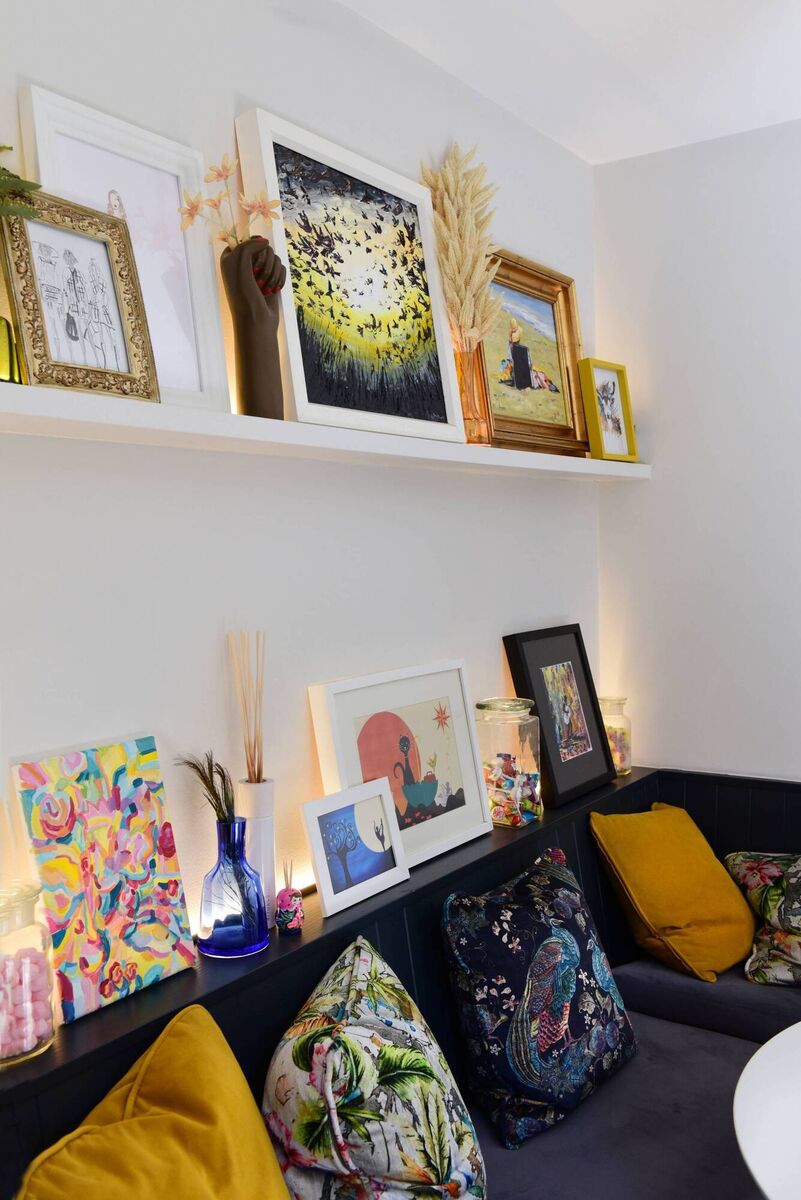
I absolutely adore command hooks and use them all the time in my own home — especially for holiday decorations. Command hooks are available in most hardware shops and come in all shapes and sizes. They easily stick to walls, and then by some wizardry can be later removed without damaging the paint. I can personally attest to their effectiveness, but be sure to follow the instructions exactly to prevent paint damage — keep the package (or a photo of it) if necessary. Command hooks can be used to hang almost anything on walls — pictures, mirrors, coat hooks, etc. Each pack will display what weight each hook can take, so simply weigh your item and ensure to use enough hooks.
Putting up shelves is a reasonable request, so a good landlord is likely to give you permission. However if not, you can always take them down before you move out, making sure to fill in the holes left behind by screws. This will involve some materials that are easy to get in any hardware shop — namely a spackling paste such as Polyfilla, a putty knife, and some light sandpaper. The critical item you’ll need is paint to match the wall.
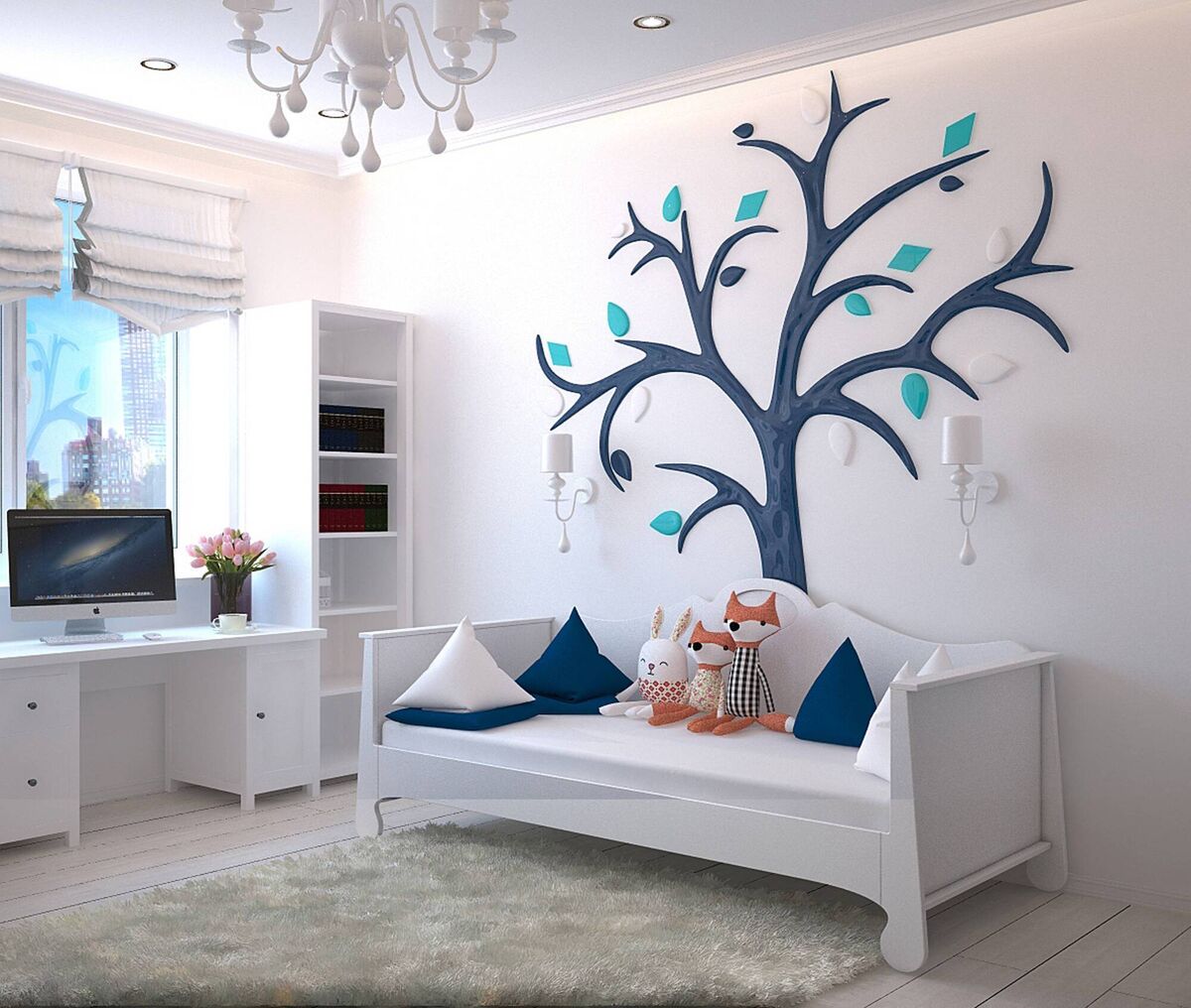
This could be a real headache because painting a spot will be visible if it is not a match in both colour and finish, so I recommend asking your landlord. Putting up a shelf may be easier than hanging items individually.
PAINT Again I advise checking your contract and asking your landlord’s permission first, but if you don’t mind the effort involved then it is possible to paint the walls of your rented accommodation — just remember that you may have to paint them back to the original colour (or close to it) before you move out. You could also paint doors, skirting, or even kitchen units.
If you are buying furniture for your rented home, a good way to maximise your investment is to buy modular furniture. Modular furniture includes sectional couches, extendable dining tables, and stackable shelving units. It is especially useful if you will be moving more than once as you can bring it with you and move it around to flexibly fit your new space.
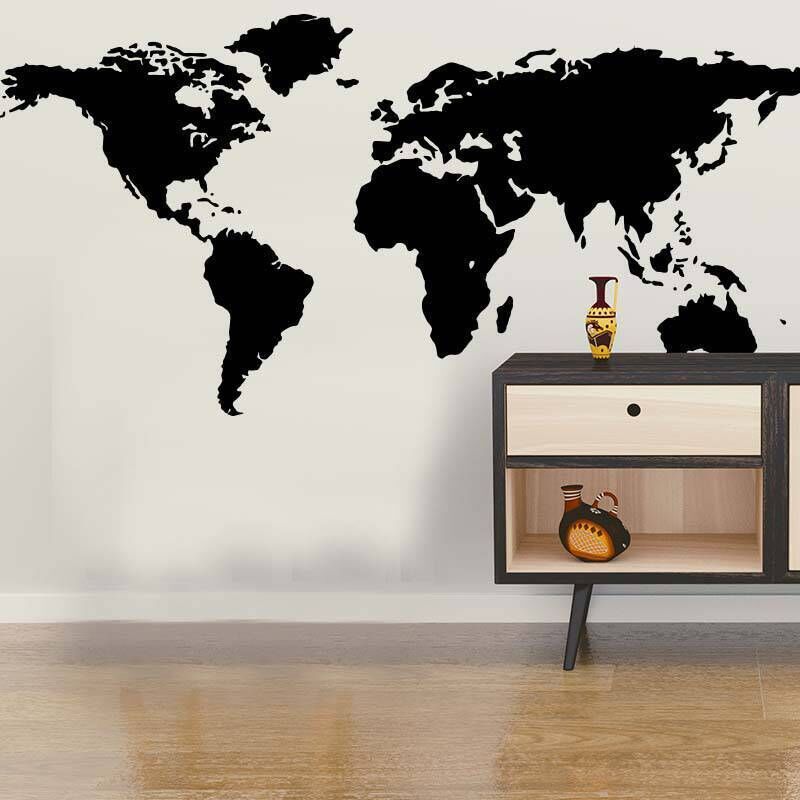
This sounds like I’m advising you to decorate your primary school copybook, but hear me out — stickers (usually called decals in this context) are amazing temporary decorating tools. Vinyl decals can be applied to a huge range of surfaces and removed without a trace.
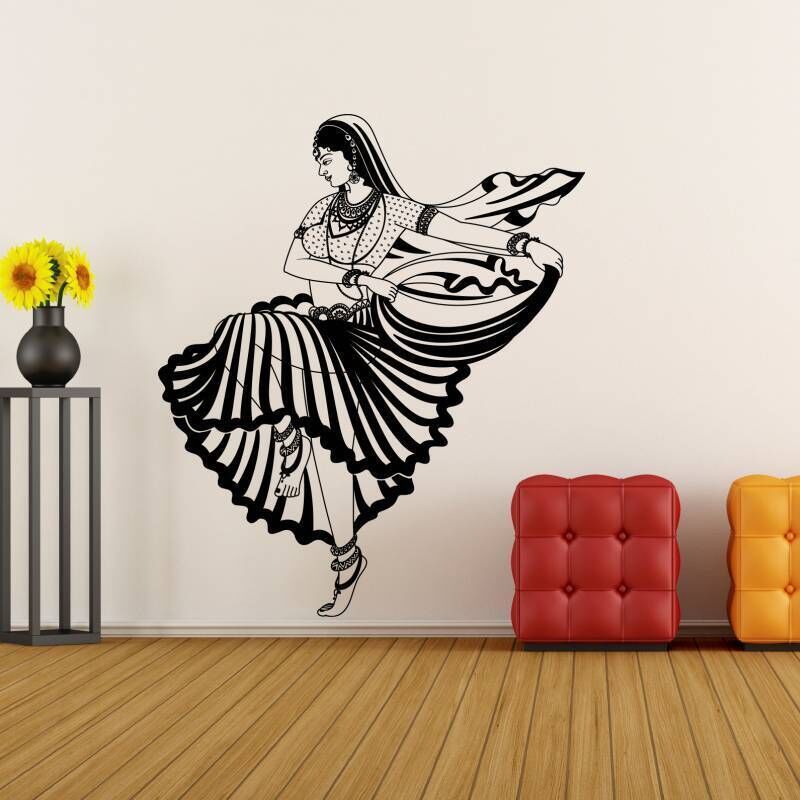
If you want to customise your walls without messing around with paint or wallpaper (and the headache involved in removing wallpaper paste!) then consider adding a mural using vinyl stickers.
If you have a tiled area that you’d like to personalise, measure the size of the tiles and search for tile decals that fit. These can be applied in kitchens, bathrooms, hallways, etc and are surprisingly sturdy. Vinyl wrap can also be applied to kitchen countertops and comes in a variety of relatively realistic finishes resembling materials such as marble, wood, and quartz.
- Got a question for Jennifer Sheahan? Email home@examiner.ie
CONNECT WITH US TODAY



Be the first to know the latest news and updates